
Ancient Remedies, New Voices: African Creators Reviving Traditional Medicine for Modern Wellness

Across Africa, young creators and herbal wellness brands are turning traditional remedies into evidence-aware, digital-first rituals. Discover how African traditional medicine wellness is merging ancestral wisdom, modern science and influencer culture to shape the future of health.
Ancient Remedies, New Voices: Why African Traditional Medicine Wellness Is Trending Now
Across social feeds in Lagos, Nairobi, Johannesburg and Accra, African traditional medicine wellness is no longer a quiet, offline practice. Instead, you see young creators, digital herbal brands and wellness startups turning age-old remedies into sharp, video-ready content. They blend ancestral wisdom with lab studies, speak the language of TikTok and Reels, and position African herbs as part of your modern self-care routine.[1][2][6][8]
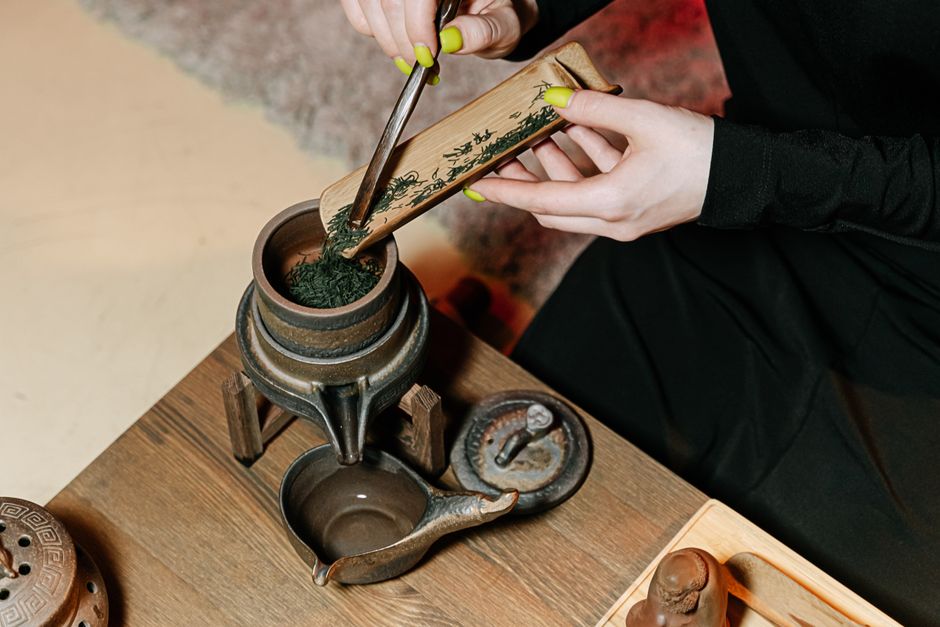
Moreover, this shift fits a bigger global story. Wellness in 2026 is moving toward holistic, nature-based and culturally rooted healing, where traditional systems sit side by side with modern science.[1][2][5][6][9] As a result, African creators are stepping into that spotlight, explaining bitter leaf teas, moringa powders and cleansing rituals in ways that respect the culture and still satisfy a science-aware audience.
Ultimately, if you care about longevity, gut health, stress relief and sustainable living, this new wave of wellness creators is speaking directly to you. They show how African botanicals match global trends like adaptogens, circadian-friendly routines and slow evenings with herbal infusions.[1][4][6] They also align with the World Health Organization’s push to standardise and safely integrate herbal medicine into formal health systems, making traditional remedies part of a trusted, regulated wellness ecosystem.[8]
From Village Healers to Viral Creators: The Evolution of African Traditional Medicine Wellness
Historically, African traditional medicine sat with elders, herbalists and spiritual healers who passed knowledge down through apprenticeships and family lines.[3][8] Typically, treatments involved plant-based remedies, spiritual practices, massage and community rituals shaped by local culture and environment.[3][8] However, colonisation and later urbanisation pushed many of these practices to the margins, often labelling them as outdated or unscientific.[3]
Today, you are watching that narrative flip. In many African cities, young professionals are choosing plant-based products, preventive care and holistic wellness over purely reactive treatments.[1][4] Consequently, herbal teas for immunity, stress support and digestion now sit next to coffee pods on kitchen counters. South Africa’s traditional and complementary medicine market, for example, is growing as consumers look for natural, plant-based solutions with clear quality standards.[4]
Furthermore, global wellness trends emphasise ancestral rituals, nature-rooted healing and culturally immersive experiences.[1][2][5][6] This change opens space for African traditions to shine on equal footing with Ayurveda and Traditional Chinese Medicine. Importantly, it also encourages respectful collaboration, where scientists, regulators and traditional healers work together instead of competing.[1][8][9]
WHO’s Push for Safer, Harmonised Herbal Medicine
Notably, the World Health Organization’s Regional Office for Africa recognises just how central traditional medicine is to daily life. Herbal treatments are the most popular form of traditional medicine, and around 70–80% of people in some African countries rely on them for primary health care.[8] Therefore, the WHO is actively supporting efforts to regulate, research and integrate these remedies into national health systems.[8]
In addition, regional initiatives encourage clinical testing, proper dosing, clear labelling and safety monitoring for herbal products.[8] As a result, African governments and research institutions are collaborating with traditional practitioners to document plants, study their effects and formalise training routes.[3][8] This work makes it easier for creators and brands to share information confidently, backed by growing evidence and emerging standards.
Ultimately, as you scroll wellness content, you benefit from that backstage work. When a creator explains how a hibiscus infusion supports heart health or how moringa may help with metabolic wellness, they often reference data from local universities, WHO guidance, or research hubs focused on indigenous plants.[3][4][8] This evidence-aware storytelling is what sets the new wave of African traditional medicine wellness apart from generic health trends.
Meet the New Herbal Influencers: African Creators Leading the Wellness Conversation
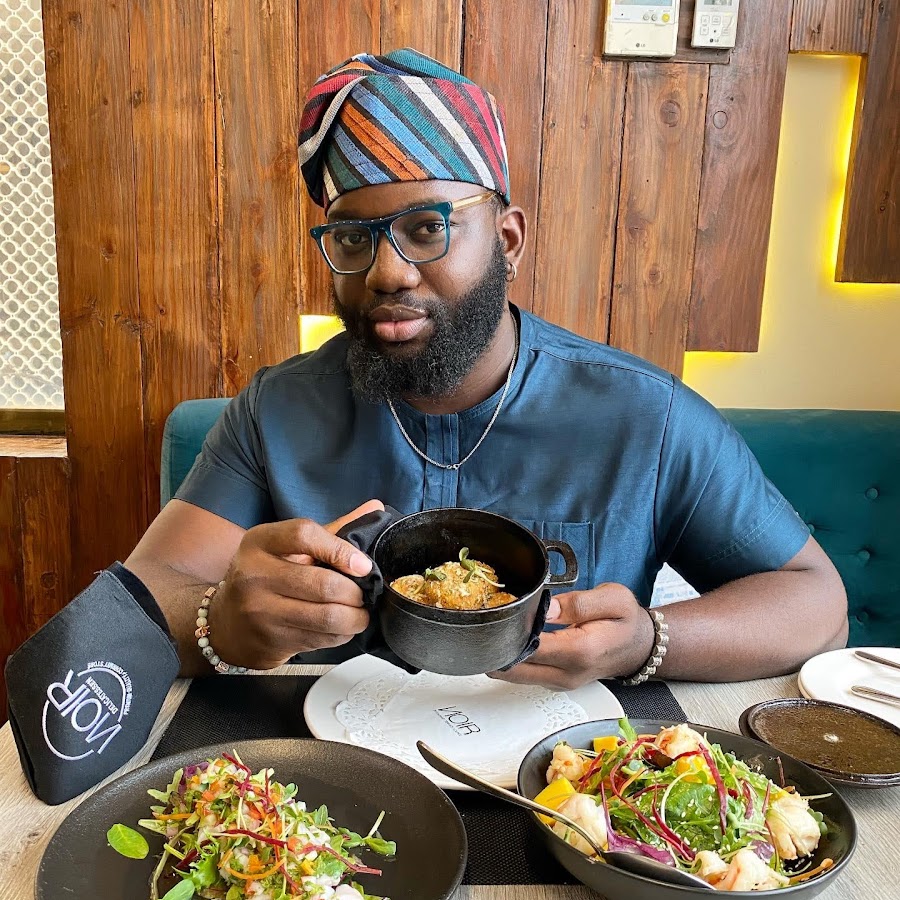
Across platforms like Instagram, TikTok and YouTube, a new class of African content creators is shaping how you understand herbal medicine. They use ring lights instead of clinic lamps, but their message often mirrors what community healers have said for generations: food is medicine, nature is therapy, and wellness is collective.[1][2][6] Moreover, they package those ideas in formats you can watch in under a minute.
For instance, many creators walk you through making immune-support teas using African botanicals like moringa, hibiscus and rooibos.[1][4] They explain dosages, taste profiles and potential interactions, often encouraging you to talk to a health professional before adding new herbs to your routine.[8] Additionally, some partner with African tech startups that turn these herbs into traceable, lab-tested products, complete with QR codes linking to sourcing data and test results.
On the other hand, not all content is product-focused. A growing number of wellness influencers host live sessions on topics like stress management with adaptogenic herbs, gut health and fermented African foods, or menstrual wellness using traditional plant remedies.[1][4][6] They mix storytelling, personal experience and references to emerging research, making complex topics feel relatable and safe to explore.
Rising Wellness Voices You Should Be Watching
Across the continent, you can find creators weaving wellness with fashion, music, and lifestyle content. For example, Senegalese-Italian creator Khaby Lame is best known for comedy and tech-savvy videos, yet his rise shows how African influencers can reach global audiences and later pivot into broader lifestyle themes like wellness and sustainable living.[2][6] Meanwhile, wellness-focused micro-influencers in Nairobi, Lagos and Cape Town are building tight-knit communities around herbal teas, breathwork and slow evenings.[1][2][6]
Furthermore, Afro-longevity advocates highlight how African diets rich in indigenous grains, leafy greens and herbal infusions can support long-term health.[2][9] They frame traditional recipes as cutting-edge longevity tools rather than nostalgic dishes. Consequently, followers view millet porridges, moringa soups and baobab smoothies as performance fuel for creative work, tech innovation and everyday hustle.
As you explore more wellness creators, look for those who: cite sources, acknowledge limits, avoid miracle claims and welcome questions. Ultimately, these are the voices helping to build trust in African traditional medicine wellness while keeping the conversation grounded and inclusive.[3][8]
Digital Roots: How Tech, Startups and AI Power African Traditional Medicine Wellness
Across Africa, digital innovation is transforming how you access wellness knowledge. Mobile-first platforms, AI chatbots and e-commerce tools allow herbal brands and traditional practitioners to reach people far beyond their local communities.[2][4][9] Moreover, Africa is emerging as a major frontier for digital wellness and AI-enabled health technology, thanks to widespread smartphone use and a need to close gaps in mental healthcare and general health services.[2]
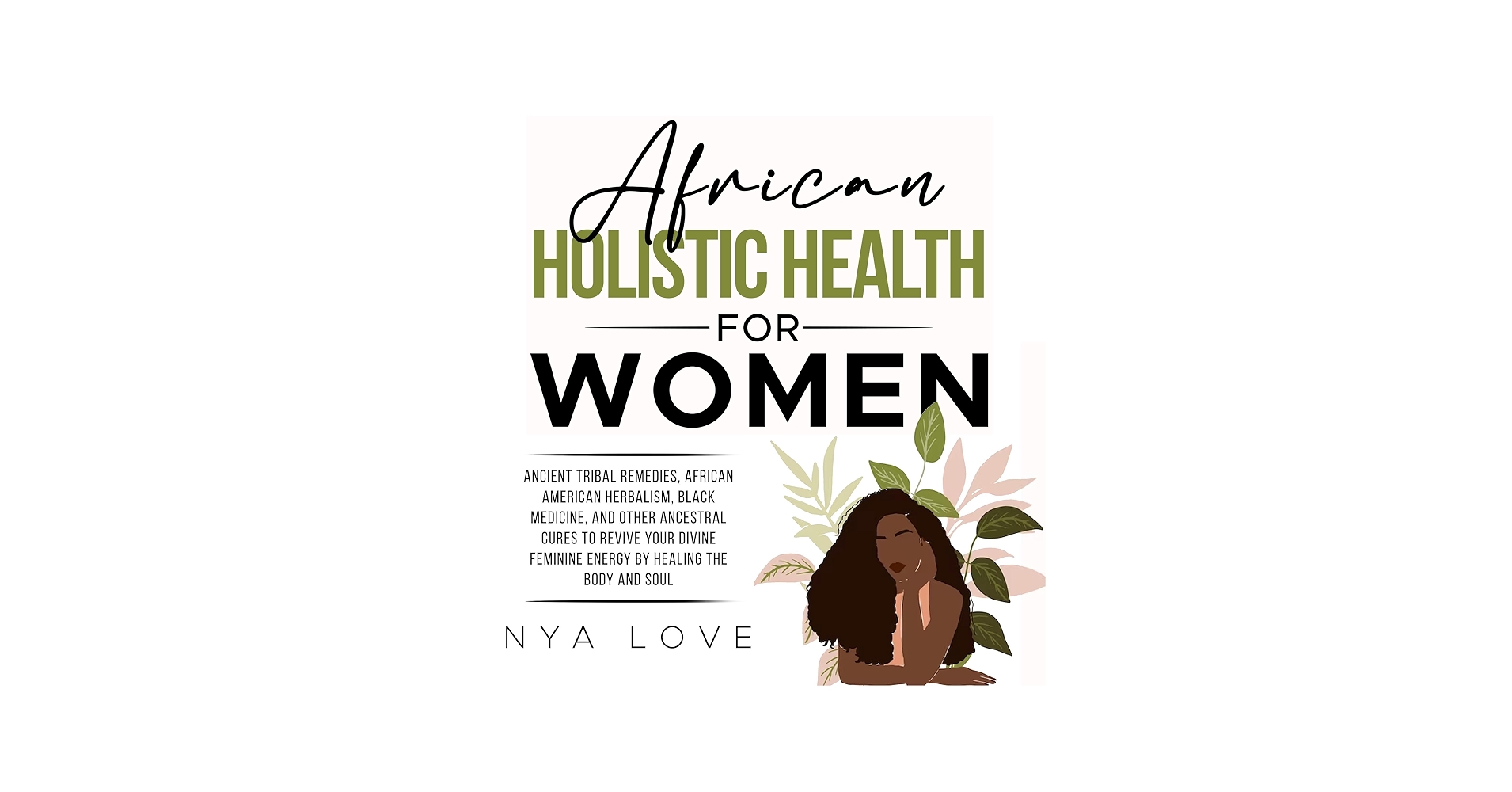
For instance, some startups build apps that match your symptoms and lifestyle with evidence-based herbal options and lifestyle changes. In addition, they may connect you with certified practitioners working with both traditional and modern approaches.[2][4] These tools often highlight African botanicals, explain dosage and safety, and integrate WHO guidance, making them part of a responsible wellness ecosystem.[8]
Ultimately, this tech layer gives traditional medicine new reach and credibility. When you can scan a QR code to view lab tests for a herbal capsule or read a digital monograph about a plant’s known effects, you become more confident about what you are taking.[4][8] Therefore, digital innovation does not replace ancestral knowledge; it amplifies it and makes it accessible in formats you can trust.
Social Commerce and Herbal Wellness Brands
Meanwhile, social commerce is changing how herbal wellness brands sell and educate at the same time. Many African founders use Instagram Shops, TikTok storefronts and WhatsApp catalogues to share herbal teas, tinctures and skincare built around African ingredients.[1][2][4] Additionally, they host live Q&A sessions, share short explainer clips and invite health experts to talk through safe use and realistic benefits.
As a result, brand pages become mini wellness schools. Notably, South African companies in the traditional and complementary medicine space point to rising demand for plant-based formulas that support immunity, digestion and stress management.[4] They highlight herbs like rooibos, buchu and Sutherlandia, aligning with mainstream trends around adaptogens and functional drinks.[1][4][6]
Therefore, when you buy a herbal infusion or stress-support blend from a local African brand, you often receive more than a product. You gain access to education, community and ongoing conversations about how traditional medicine fits into your day-to-day wellness plan.[1][2][6]
Modern Science Meets Ancestral Wisdom: Making Sense of Evidence-Aware Herbal Content
As wellness content multiplies, it becomes important for you to recognise the difference between hype and honest, evidence-aware storytelling. Many African creators now lean on research from universities, WHO reports and respected wellness bodies to support their claims.[3][6][8][9] Furthermore, they openly discuss where evidence is strong, where it is emerging and where traditional use remains the main guide.
For example, you might see content on hibiscus infusions for blood pressure, moringa for metabolic health, or indigenous leafy greens for gut support. In addition, creators may cite small clinical trials, observational studies or WHO guidance while reminding you that herbal remedies work best alongside professional care, not instead of it.[3][8] This balanced approach protects viewers from overpromising while still honouring centuries of lived experience.
Ultimately, this is what makes the new wave of African traditional medicine wellness compelling: it respects culture, loves storytelling and still values science. Therefore, when you follow these creators, you gain practical tips and a deeper understanding of your heritage at the same time.
Practical Ways to Engage Safely with African Herbal Wellness Content
When you see a video or post recommending herbs or rituals, it helps to have a quick mental checklist. Firstly, ask whether the creator talks about dosage, duration and possible side effects. Secondly, check if they mention consulting a doctor, especially if you have chronic conditions, are pregnant or take other medicines.[3][8]
Moreover, look for creators who reference trusted organisations like the World Health Organization, the Global Wellness Institute or established wellness and research bodies.[2][8][9] Notably, these references show that the content sits within a wider, evidence-aware context. Additionally, review comments and community feedback to see how people respond and whether creators handle questions with care.
As a result, you become an active, informed participant rather than a passive scroller. Ultimately, the most powerful wellness communities are built on curiosity, shared learning and mutual accountability—values that many African creators are now embracing in their work.[2][6]
Everyday Rituals: Bringing African Traditional Medicine Wellness Into Your Routine
Beyond the research and tech, wellness still comes down to what you do each day. African traditional medicine offers many simple practices you can weave into your routine without turning your life upside down.[1][2][6][8] Moreover, these practices often connect you to nature, your heritage and your local community at the same time.
For instance, you might replace one sugary drink with a traditional herbal infusion, such as hibiscus, rooibos or lemongrass tea. In addition, you could explore indigenous foods like fermented porridges, leafy greens or local grains that support gut health and stable energy.[1][4][6] Notably, wellness in 2026 places strong emphasis on gut health, metabolic fitness and nervous system regulation, areas where traditional diets and herbs play a major role.[1][6]
Ultimately, the goal is not to copy every ritual you see online but to choose those that fit your lifestyle and values. Therefore, use influencer content as inspiration, not as rigid rules. When in doubt, talk with a healthcare professional and, where possible, a trained traditional practitioner who understands your local context.[3][8]
Simple Herbal Rituals You Can Explore
- Morning herbal tea ritual: Start your day with a gentle infusion that supports focus and digestion, such as rooibos or moringa tea.
- Slow evening wind-down: In addition, build a screen-light-free hour before bed with calming teas, breathwork and light stretching.[6]
- Weekly nature immersion: Moreover, spend time in green spaces, combining movement with grounding practices inspired by local traditions.[2][5][6]
- Food-as-medicine mindset: Consequently, treat indigenous foods as core wellness tools, not just side dishes, focusing on diversity and whole ingredients.[1][2][6]
- Community wellness check-ins: Ultimately, join or start online groups where you share experiences, recipes and questions around African herbal wellness.
Influencer Culture, Afro-Longevity and the Future of Wellness Tourism
As African wellness content gains global attention, it starts to influence travel choices and tourism experiences. The Global Wellness Institute highlights Afro-longevity, A-Beauty and ritual-rich travel as key trends shaping wellness tourism across the continent.[2][5][9] Moreover, visitors now seek hammams in Morocco, mud baths in Tunisia, hot springs in South Africa and plant medicine retreats in Central and West Africa.[2][5]
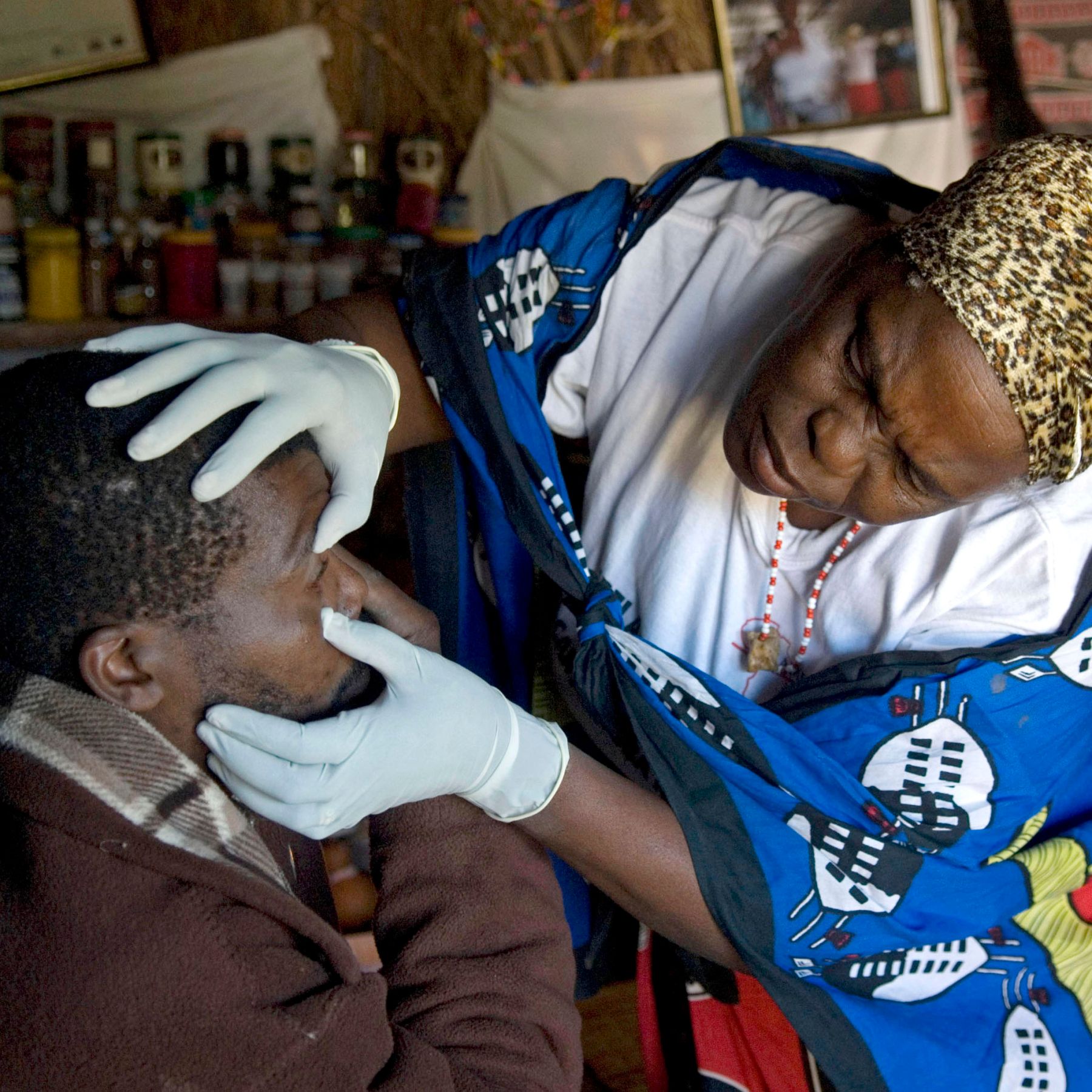
Furthermore, African celebrities and influencers play a major role in spotlighting these experiences. When a musician or fashion icon shares a trip that includes local healing rituals, herbal treatments or community wellness gatherings, followers see those practices as both aspirational and deeply rooted.[2][6] Consequently, wellness tourism becomes a way to honour culture rather than simply consume it.
Ultimately, this shift offers big opportunities for African creatives, founders and communities. Therefore, if you are building a wellness brand, retreat centre or content channel, now is a powerful time to link ancestral practices with high-quality hospitality, intentional storytelling and responsible tourism standards.[2][9]
How African Creators Can Lead the Next Wave of Wellness Innovation
Importantly, African creators sit at the crossroads of culture, tech and wellness innovation. They understand global platforms, yet they also carry local stories and practices. As a result, they can design content, products and experiences that feel fresh, ethical and inclusive.
In addition, many startups now explore ways to combine AI with traditional knowledge, offering personalised insights that still respect community wisdom.[2][4][9] For instance, AI tools can help track symptoms, highlight patterns and connect users to relevant herbal and lifestyle options, while human experts provide context and care. Moreover, creators can translate these tools into language and visuals that everyday users understand.
Ultimately, when you support African wellness creators—by following, engaging, buying from and sharing their work—you help grow an ecosystem where traditional medicine stands tall next to global wellness trends. Therefore, your clicks, comments and purchases become part of a larger story of positive African innovation.
Explore More on Topping Africa: Wellness, Culture and Innovation
As you dive deeper into African traditional medicine wellness, you will notice how it connects to music, fashion, tech and celebrity culture. Moreover, Topping Africa covers those intersections every day, from digital wellness startups to artists shaping holistic lifestyles. If you are ready to discover more, here are a few paths you can take.
- Health & Wellness – Explore more stories about herbal medicine, fitness trends and mental wellness across Africa.
- Technology – Read more about African tech startups transforming healthcare, digital wellness and AI-powered innovation.
- Culture & Lifestyle – Discover how influencers, celebrities and everyday creators blend tradition with modern living.
Additionally, you can follow our coverage of Business & Economy to see how herbal brands scale across borders, or stay tuned to Africa News for updates on health, wellness and innovation initiatives. Ultimately, we invite you to share your thoughts, leave a comment below and subscribe for future deep dives.
Where You Fit In: Building a Responsible, Creative Wellness Future
In the end, African traditional medicine wellness is not just content you watch; it is a culture you can help shape. When you follow responsible creators, question bold claims, and celebrate evidence-aware storytelling, you strengthen a movement that honours ancestors while protecting future generations.[1][3][8][9]
Moreover, your choices—what you drink, how you rest, which communities you join—send signals to brands, platforms and policymakers. If you support local herbal businesses, ethical retreats and tech solutions built by African founders, you fuel positive innovation and real, on-the-ground impact.[2][4][9] Consequently, your wellness journey becomes a vote for a more inclusive and culturally rooted global health conversation.
Ultimately, this is the moment for African creators and audiences to stand together. Therefore, explore more content, discover new herbal rituals, talk with professionals, and share your experiences widely. As you do, you help prove that ancient remedies and new voices belong at the heart of modern wellness.

Staff
Contributing writer at Topping Africa.
0 Comments
No comments yet. Be the first to share your thoughts!