10 Facts About African Culture Every Global Creator Should Know
Most "facts about African culture" lists recycle tired geography trivia. This guide is different — it gives content creators, brands, and diaspora entrepreneurs 10 specific, actionable cultural insights they need before collaborating with African talent. From Ubuntu philosophy to the Afrobeats economy, every fact comes with a practical creator implication.
If you've ever searched 10 facts about African culture and landed on a list that felt like a geography textbook, you're not alone. Most results recycle the same surface-level trivia: "Africa has 54 countries," "there are over 2,000 languages." True — but useless if you're a content creator, brand strategist, or diaspora entrepreneur trying to collaborate with African talent without stepping on cultural landmines. This guide goes deeper. Each fact below is paired with a practical implication — what it means for your content, your partnerships, and your brand positioning in 2025 and beyond.
Fact 1: Africa Has Over 3,000 Distinct Ethnic Groups — and Each Has Its Own Creative DNA
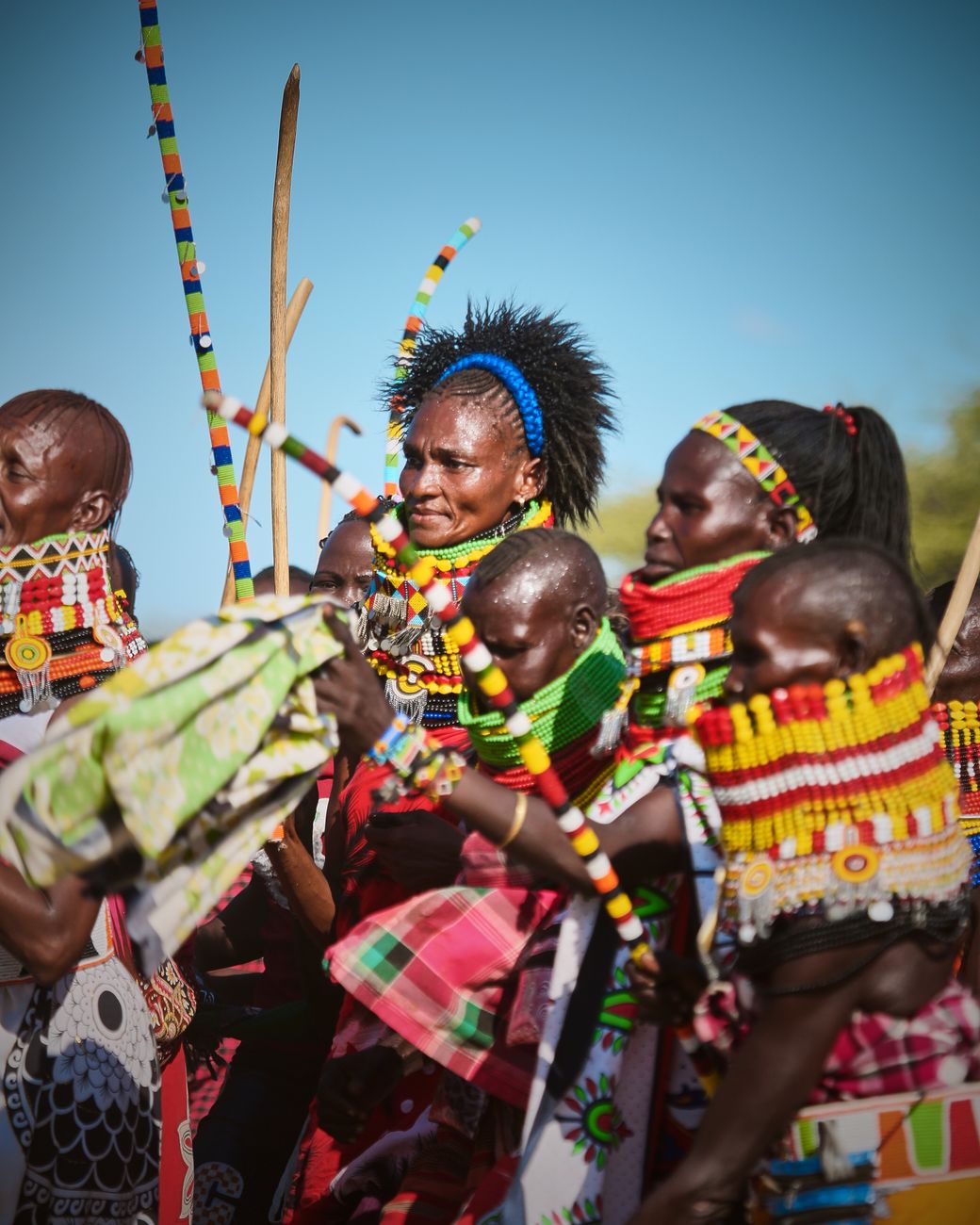
The continent is not a monolith. The Yoruba of Nigeria have a completely different aesthetic tradition from the Maasai of Kenya, who differ again from the Zulu of South Africa. Each group carries distinct visual languages, oral storytelling structures, musical scales, and fashion codes. When a brand says "we want an African feel," that sentence is as vague as saying "we want a European feel" without specifying whether you mean Baroque, Scandinavian minimalism, or Greek folk art.
Creator implication: Before pitching a collaboration or launching a campaign, identify the specific cultural community your content will engage. Hire a cultural consultant from that community — not just any African freelancer. Specificity is respect, and audiences notice the difference immediately.
Fact 2: African Languages Are Not "Dialects" — They Are Fully Developed Linguistic Systems
With over 2,000 documented languages across the continent, Africa is the most linguistically diverse region on Earth. Swahili alone has roughly 200 million speakers. Hausa, Amharic, Zulu, Igbo, and Wolof each have rich literary and digital traditions. Treating these languages as "dialects" or assuming English or French is the default is a common mistake that alienates enormous creator audiences.
Practical move: If your platform targets East Africa, build Swahili-first content. If you're entering West Africa's digital market, Hausa and Pidgin English are more widely consumed than formal English in many demographics. Tools like Ethnologue give you precise data on speaker populations by region — use them before you localize.
Discover how African creators are building multilingual audiences by browsing the creator profiles on Topping Africa.
Fact 3: Oral Tradition Is the Original Content Strategy
Long before podcasts and YouTube, African cultures preserved history, law, medicine, and philosophy through oral tradition. Griots in West Africa were professional storytellers, historians, and musicians — essentially the continent's first influencers. Their craft demanded memorization of genealogies spanning centuries, performance skill, and the ability to adapt narratives for different audiences.
This is not ancient history. It's alive in the structure of modern Afrobeats lyrics, in the way Nigerian comedians build audience rapport, and in how East African TikTok creators use call-and-response formats. Asma's rise as TikTok's queen of East African comedy is a direct descendant of this tradition — her timing, her audience callbacks, her character work all echo griot performance principles.
Creator implication: Don't just copy African aesthetics visually. Study the storytelling structure. African audiences respond to narrative arc, communal references, and call-and-response — not just polished production value.
Fact 4: African Fashion Is a Living Archive, Not a Costume
Ankara prints, kente cloth, adire fabric, and bogolanfini (mud cloth) are not decorative patterns. Each carries encoded meaning — family lineage, social status, occasion, and sometimes political allegiance. Kente, for instance, was historically reserved for Ghanaian royalty. When global brands slap kente patterns on fast-fashion items without context, they're not just being culturally insensitive — they're erasing the information system the fabric carries.
African fashion is now a $31 billion industry, according to McKinsey's African consumer report, with designers like Thebe Magugu, Kenneth Ize, and Adama Paris commanding global runways. This is not a niche market. It's a category redefining luxury.
For creators: If you're styling a shoot with African fabrics, credit the specific tradition. Tag the designer. Explain the context in your caption. That single act of attribution builds trust with African audiences faster than any paid promotion.
Fact 5: Ubuntu Philosophy Shapes How African Creators Collaborate
"Umuntu ngumuntu ngabantu" — a person is a person through other people. Ubuntu, the Southern African philosophy of collective humanity, is not just a motivational quote. It actively shapes how African creators approach collaboration, credit-sharing, and community building. In contrast to the Western creator model of individual personal branding, many African creators default to ensemble formats, community shoutouts, and shared revenue structures.
This explains why African creator collectives — like the Nigerian comedy houses, Kenyan YouTube squads, and South African streetwear crews — consistently outperform solo accounts in engagement. The community is the content. Brands that approach African creators with rigid exclusivity clauses and solo-only deliverables often find themselves negotiating against a cultural current.
Practical trade-off: Embracing Ubuntu-style collaboration means accepting that your campaign may feature more voices than you planned. The payoff is authentic reach into tightly bonded communities that algorithms can't replicate.
Fact 6: African Music Is a Global Export Engine, Not Just a Trend
Afrobeats is not a moment. It's a movement with measurable economic weight. Davido's billion-stream milestone and Grammy nominations — documented in detail here — represent a structural shift in how global music is consumed. Nigerian, Ghanaian, and South African artists are now headlining European and American festivals, not as novelty acts but as main draws.
The ripple effect on creator culture is enormous. Music-adjacent creators — choreographers, fashion stylists, cinematographers, visual artists — are riding this wave into global brand deals. If your content platform has anything to do with music, lifestyle, or entertainment, ignoring Afrobeats is leaving a significant audience and revenue stream untouched.
- Afrobeats streaming grew 550% globally between 2017 and 2022 (Spotify internal data)
- Nigerian music alone generates an estimated $100M+ annually in streaming revenue
- African artists now regularly chart in the UK, US, and across Europe without major label backing
Fact 7: Africa's Tech Ecosystem Is Producing World-Class Creator Tools
The narrative that African creators depend on Western platforms is outdated. Lagos, Nairobi, Accra, and Cape Town are producing fintech tools, creator monetization platforms, and AI-driven content solutions built specifically for African market conditions — including low-bandwidth environments and mobile-first users. Companies like Flutterwave, Paystack, and newer AI startups are reshaping the infrastructure beneath the creator economy.
Read more about 10 African tech startups using AI to solve local problems in 2026 to see exactly which tools are gaining traction. For global creators looking to monetize African audiences, understanding the local payment stack is non-negotiable — PayPal penetration in Nigeria, for instance, remains low, while mobile money solutions dominate.
Common mistake: Assuming your existing monetization infrastructure works in Africa. It often doesn't. Build local payment partnerships before you launch, not after you've already lost conversions.

Fact 8: African Spirituality and Religion Are Not Interchangeable Terms
Africa hosts the world's largest Muslim population outside the Middle East, a massive and diverse Christian community, and hundreds of indigenous spiritual traditions — often practiced simultaneously by the same individuals. Yoruba Ifa, Akan spirituality, and Ethiopian Orthodox Christianity are not competing systems in the way Western religious categories imply. Many Africans move fluidly between ancestral practices and formal religion without contradiction.
For creators producing content that touches on identity, wellness, or community, this matters enormously. Content that treats African spirituality as "primitive" or conflates it with superstition will be called out — loudly, and correctly. Conversely, content that engages these traditions with curiosity and respect unlocks some of the most engaged, loyal audiences on the continent.
Practical note: If you're producing content during Ramadan, Eid, or major Christian observances in Africa, adjust your publishing calendar. Engagement patterns shift significantly. Brands that ignore this miss peak moments; those that acknowledge them build lasting goodwill.
Fact 9: The African Diaspora Is a Creative Bridge, Not a Separate Category
There are an estimated 140 million people of African descent living outside the continent, according to the United Nations' International Decade for People of African Descent. This diaspora is not a secondary market — it's the connective tissue between African culture and global consumer markets. Diaspora creators in London, Atlanta, Toronto, and Paris are translating African cultural production for global audiences in real time.
The most effective African-focused brands understand that diaspora creators don't just "represent" Africa — they actively shape what African culture becomes globally. Ignoring diaspora voices while trying to reach African audiences is a strategic error. Building with both communities simultaneously is how you create content that resonates across time zones and cultural contexts.
Explore trending diaspora creator content on Topping Africa's trending page to see which voices are currently driving the conversation.
Fact 10: Cultural Appropriation and Cultural Appreciation Have a Clear Line — and Creators Who Know It Win
The line is not mysterious. Appropriation takes without credit, context, or compensation. Appreciation engages with attribution, collaboration, and economic reciprocity. For content creators and brands, the practical difference looks like this:
- Appropriation: Using a Maasai beading pattern in your product line without crediting Maasai artisans or paying licensing fees
- Appropriation: Filming in an African location and hiring no local crew, talent, or consultants
- Appreciation: Co-creating with African designers who retain IP rights and receive royalties
- Appreciation: Featuring African creators as leads, not just backdrops, in your campaign
- Appreciation: Crediting the specific cultural tradition in your caption, post, or credits roll
Creators who get this right don't just avoid backlash — they build genuine community loyalty that paid advertising cannot buy. The African creator economy is growing fast, and the brands and collaborators who enter with respect will have a significant first-mover advantage over those who learn the hard way.
What These Facts Mean for Your Next Move
Understanding African culture at this level of specificity is not a nice-to-have for global creators — it's a competitive edge. The continent has the world's youngest population, the fastest-growing internet user base, and a creator ecosystem producing work that is reshaping global culture in music, fashion, film, and tech. Vague admiration won't get you in the room. Specific knowledge and genuine collaboration will.
If you're ready to find and connect with African creators who are building at this level, start exploring now at Topping Africa's creator discovery platform. And if you want to go deeper on how African culture is powering the modern creator economy, read this essential breakdown of how village traditions are becoming viral trends — and what that means for your content strategy.
Staff
Contributing writer at Topping Africa.
0 Comments
No comments yet. Be the first to share your thoughts!