10 African Tech Startups Using AI to Solve Local Problems in 2026

Across Africa, bold founders are using AI to fix hyper-local problems in transport, health, farming, and language. Discover 10 African AI startups leading the charge in 2026 and see how they connect with creators, informal markets, and everyday life.
Meet the African AI startups reshaping the continent
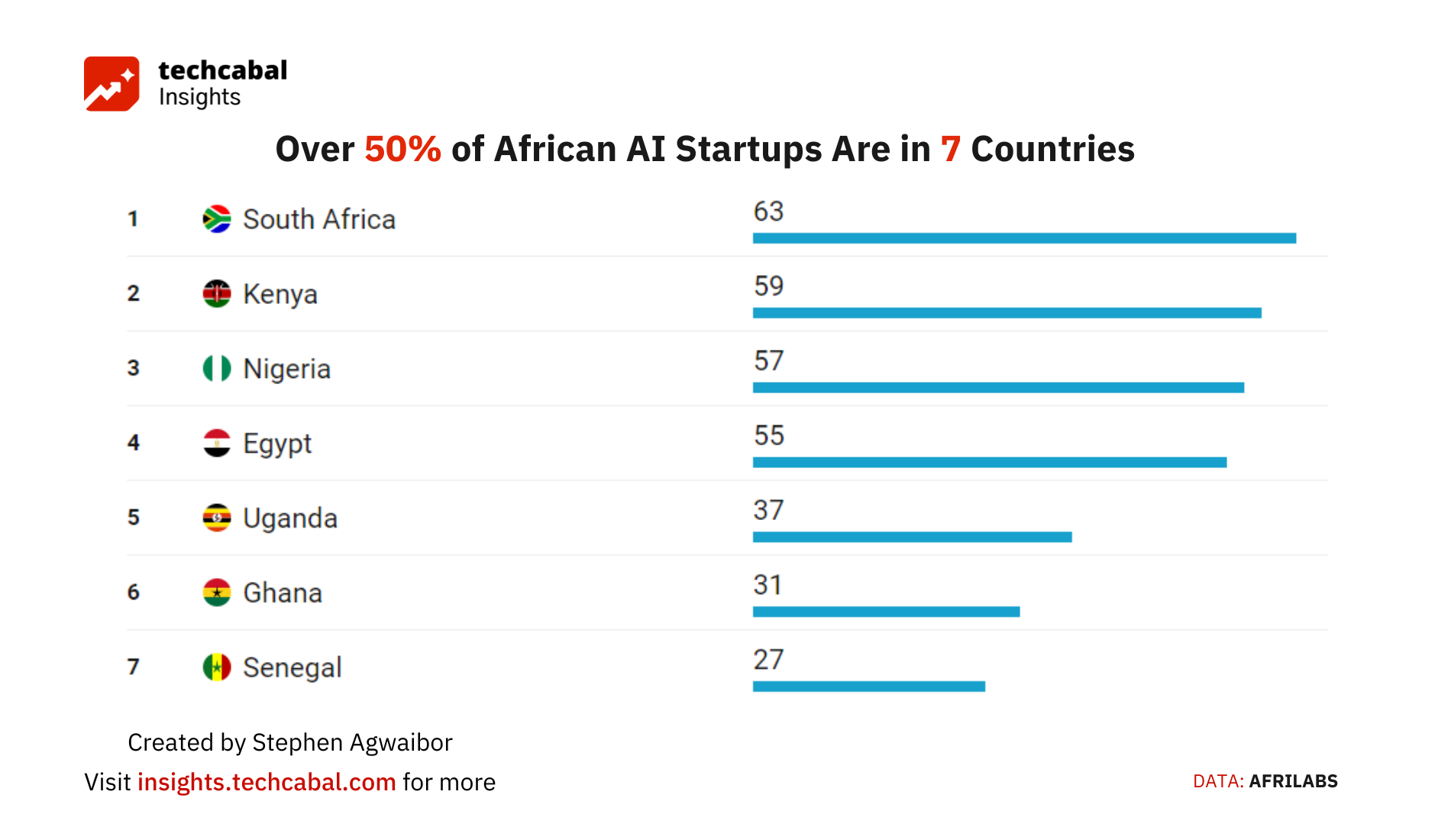
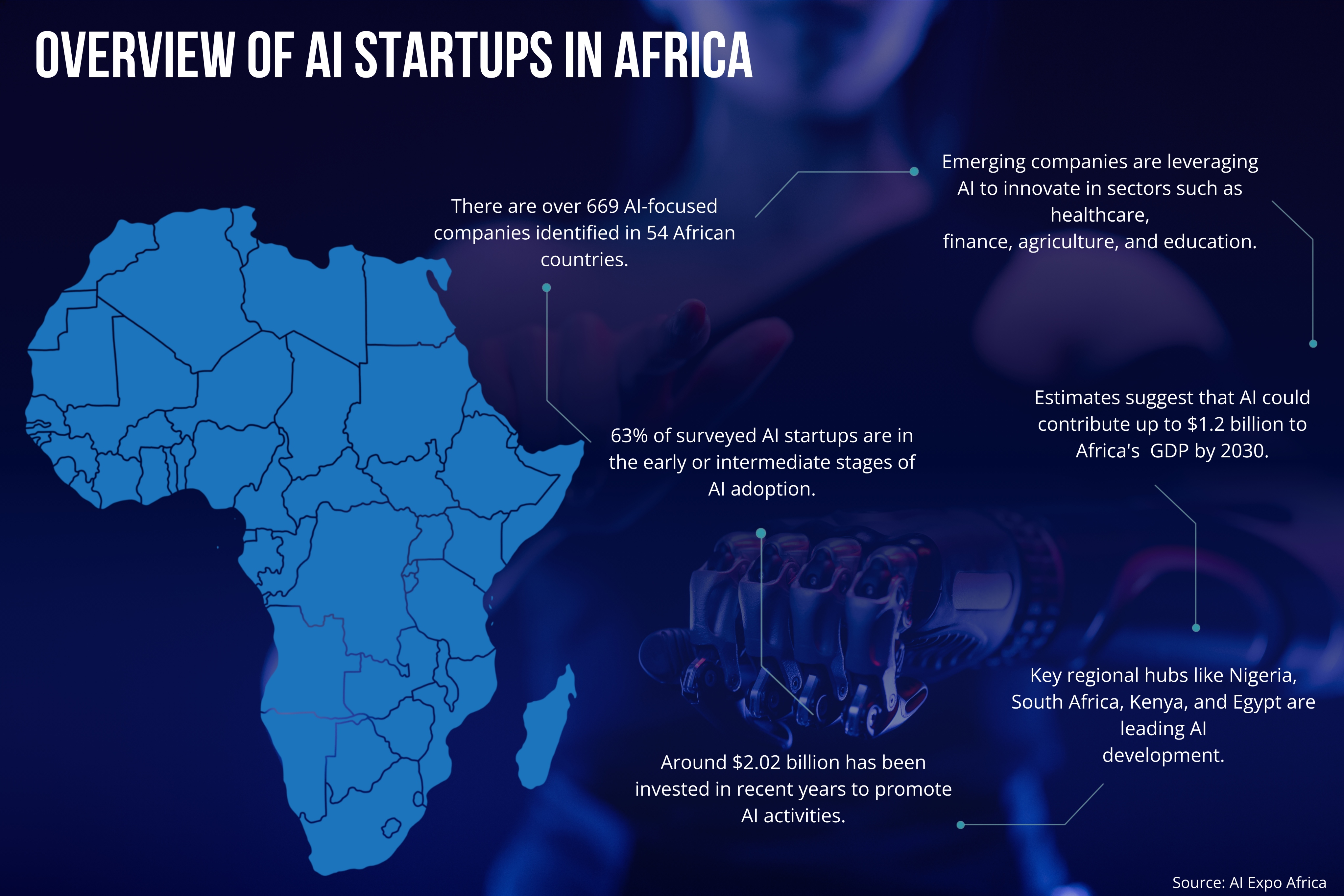
You are living through a breakout moment for African AI startups. Across the continent, bold founders now use artificial intelligence to solve hyper-local problems, from informal transport to smallholder farming and local language translation. Moreover, these companies prove AI is not just a global trend; it is a powerful African tool built for African realities.

In this guide, you will discover 10 standout African tech startups using AI in 2026 to tackle everyday challenges in mobility, fintech, agriculture, health, data, and language. Additionally, each one shows how smart founders can turn infrastructure gaps, informal markets, and language diversity into opportunities. Ultimately, these are the companies you should watch, partner with, and learn from as Africa’s digital economy accelerates.
Furthermore, if you care about innovation, culture, and the next wave of African talent, you will see clear links between these AI ventures and the wider creator and influencer ecosystem. Notably, many of these startups work with content creators, community leaders, and local entrepreneurs to reach customers and build trust. As you read, explore how their journeys mirror the rise of African creators covered across Technology, Business & Economy, and Culture & Lifestyle on Topping Africa.
Why African AI startups matter right now
Across Africa, AI adoption is rising fast as internet access, cloud tools, and developer talent grow. According to reports highlighted by AI for Good, African founders now build AI for energy, agriculture, health, and finance at scale. Additionally, programs like Google for Startups Accelerator Africa continue to spotlight AI-first companies pushing local solutions.[1]
Crucially, African AI startups bring something global players often miss: deep local context. For instance, they design models that understand informal trade, patchy connectivity, and multiple African languages. Consequently, their products feel relevant on the ground, not imported from somewhere else.
Moreover, these startups open new lanes for young African professionals, creators, and influencers. Many founders share their journeys on platforms like YouTube, LinkedIn, and X, inspiring the same audiences who follow top African influencers and celebrities. If you want to ride this wave, read more about how tech intersects with culture in our Africa News and Entertainment sections.
10 African AI startups solving local problems in 2026
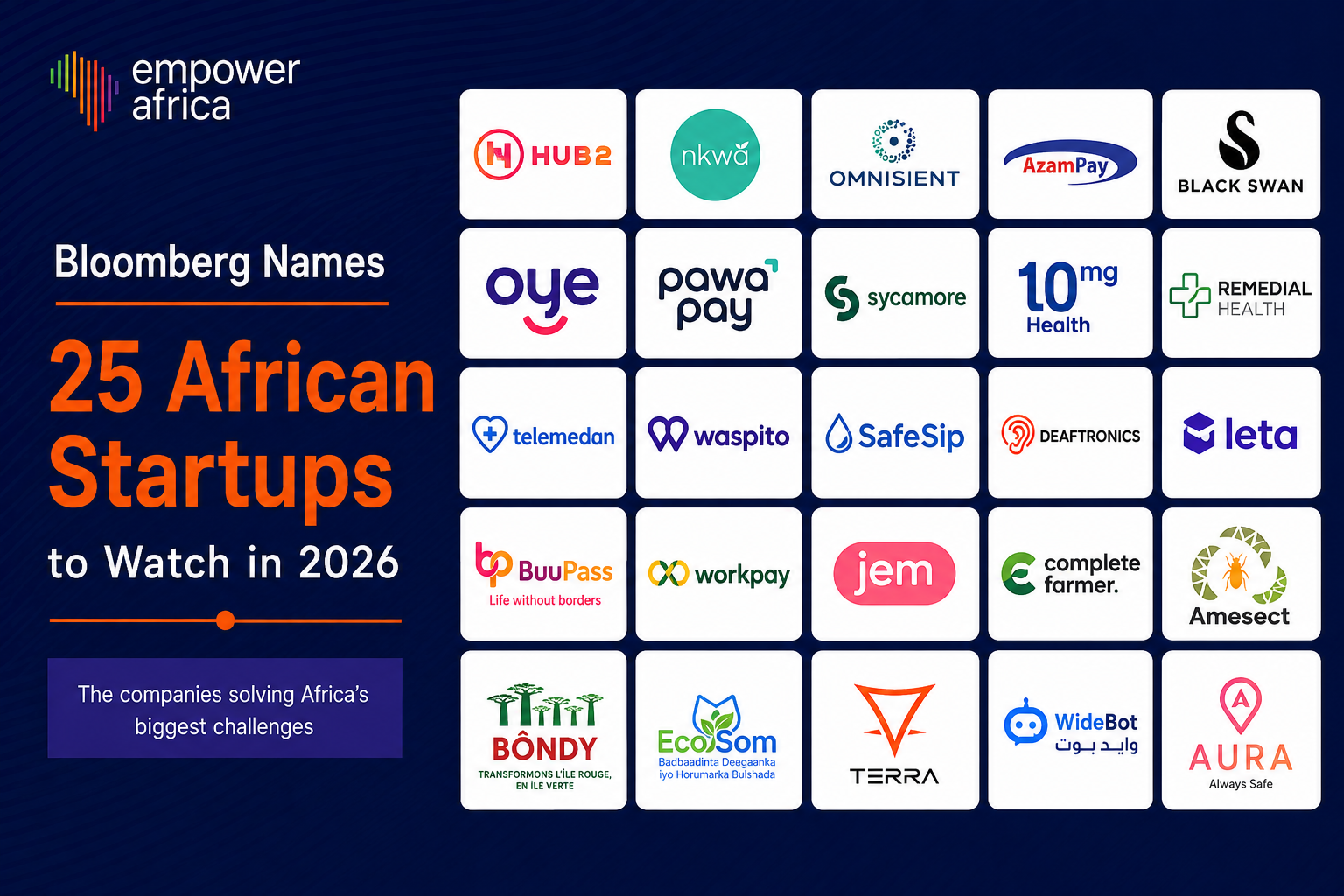
Below, you will find 10 of the most exciting AI-driven startups operating in Africa in 2026. Additionally, several appear in recent accelerator cohorts and “startups to watch” lists from platforms like Google for Startups[1] and Bloomberg[3]. Together, they show the range and ambition of the continent’s AI scene.
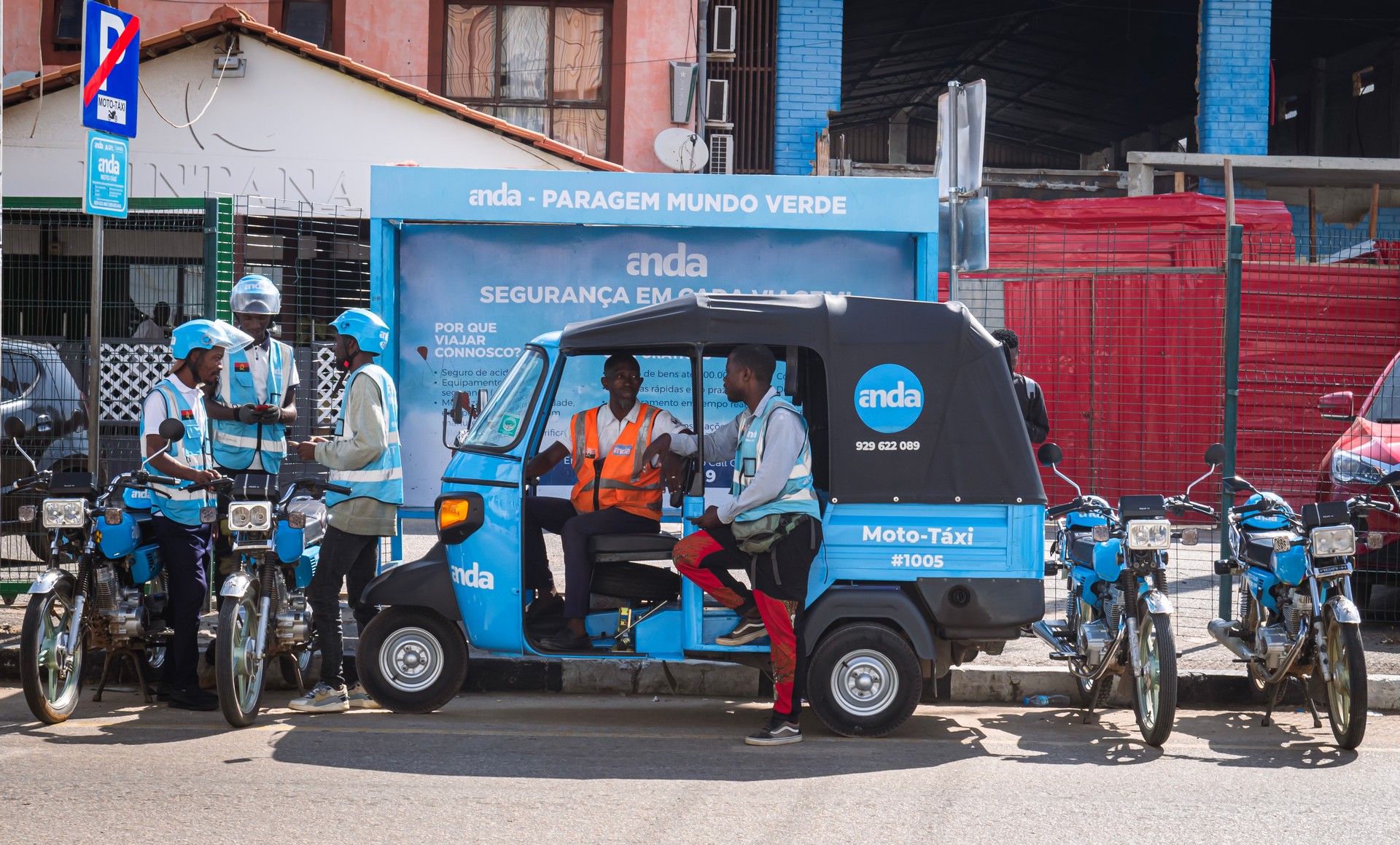
1. Anda Africa (Angola) – AI-backed credit for informal mobility workers
Anda Africa is a mobility and fintech platform formalising, financing, and electrifying Angola’s informal moto-taxi workforce using proprietary AI-powered credit scoring.[1] Additionally, it helps riders access electric bikes, fair loans, and digital payment tools in a market often ignored by traditional banks. Consequently, drivers gain more stable income and safer working conditions while cities benefit from less pollution.
Moreover, Anda Africa’s AI models analyse transaction data, trip patterns, and behavioural signals to decide who qualifies for financing. Instead of relying on formal credit histories, the platform leans on alternative data, which is critical in economies where many people remain unbanked. As you watch African ride-hailing and on-demand services grow, expect more influencers and local creators to tell these drivers’ stories and turn them into relatable heroes of the digital economy.
- Sector: Mobility and fintech
- Key AI use: Alternative-data credit scoring
- Local impact: Formalises informal transport and boosts financial inclusion
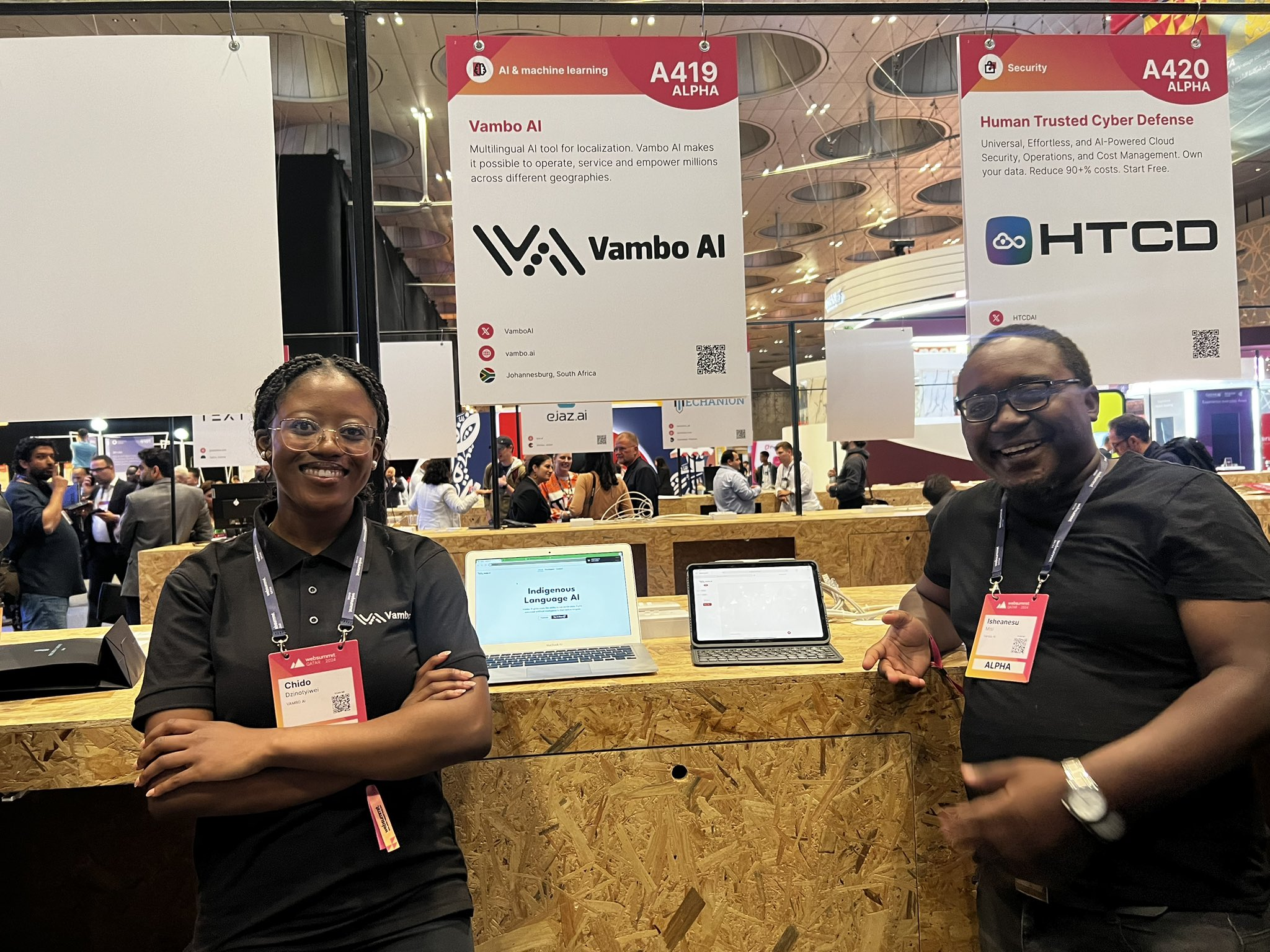
2. Vambo AI (South Africa) – Multilingual AI for African languages
Vambo AI builds multilingual AI infrastructure for translation, speech, and generative AI across African languages.[1] In particular, it focuses on making natural language processing (NLP) work for languages that global models often ignore. As a result, developers, media houses, and content creators can integrate speech-to-text, translation, and chat tools that understand local audiences.
Furthermore, this platform is a game-changer for influencers and celebrities who want to reach fans in their mother tongues. For instance, an emerging YouTuber from rural South Africa can subtitle videos in multiple local languages with far less manual effort. Ultimately, Vambo AI’s stack helps close the language gap that has held back African participation in the global creator and AI economies.
- Sector: Language technology
- Key AI use: Speech, translation, and generative models
- Local impact: Enables digital content in African languages at scale
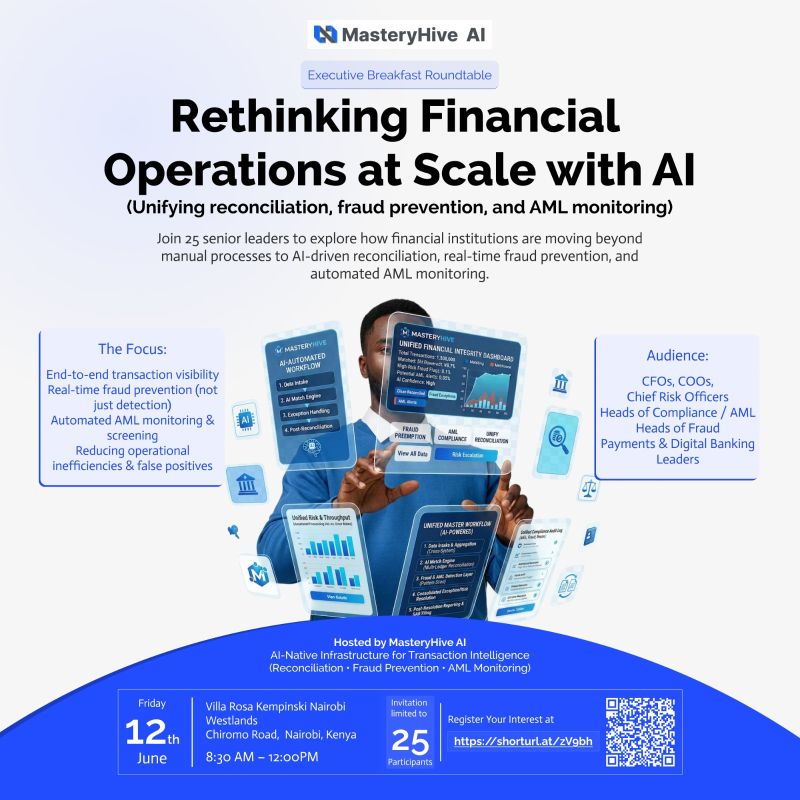
3. MasteryHive AI (Nigeria) – Automating financial operations with AI
MasteryHive AI is an AI-native platform that automates transaction reconciliation, fraud detection, and anti-money-laundering (AML) monitoring for African businesses.[1] Additionally, it targets banks, fintechs, and high-volume merchants that struggle with manual back-office tasks. By applying machine learning to huge streams of payment data, the startup helps companies reduce errors and prevent fraud in real time.
Consequently, CFOs and finance teams can focus on growth and strategy instead of endless spreadsheet checks. More importantly, businesses serving informal markets gain tools that match global standards without importing expensive foreign systems. As a founder or operator, you can study MasteryHive AI’s approach to see how local knowledge plus AI can beat one-size-fits-all software from abroad.
- Sector: Fintech infrastructure
- Key AI use: Automated reconciliation and fraud detection
- Local impact: Strengthens trust in digital payments across Africa
4. Regxta (Nigeria) – AI credit for micro businesses
Regxta combines alternative data-driven credit scoring with a hybrid digital-agent model to deliver financial products to unbanked micro businesses.[1] Importantly, it serves small traders and informal entrepreneurs who usually lack collateral, formal records, or steady income proof. Additionally, the company relies on AI to analyse transaction flows, mobile data, and customer behaviour to assess risk more fairly.
Moreover, Regxta’s field agents and mobile tools work together to reach customers where they are, whether in markets or small shops. Consequently, more African women traders, youth entrepreneurs, and side-hustle owners can access working capital and grow their ventures. If you follow stories about African small-business influencers on TikTok and Instagram, you will recognise the world Regxta is transforming.
- Sector: Inclusive fintech
- Key AI use: Alternative-data credit scoring for micro-SMEs
- Local impact: Expands access to loans for informal entrepreneurs
5. VunaPay (Kenya) – AI and fintech for smallholder farmers
VunaPay builds fintech and data infrastructure for cooperatives, enabling instant payments and financial services for smallholder farmers.[1] Additionally, its platform uses AI-driven insights to help cooperatives track deliveries, manage risk, and offer tailored financial products to members. In a region where many farmers are underbanked, this combination is powerful.
Furthermore, by digitising records and using machine learning to model yield, repayment behaviour, and market trends, VunaPay gives lenders more confidence to serve rural communities. Consequently, farmers can invest in better seeds, equipment, and storage, improving both income and food security. If you care about Agriculture & Food Security, you should explore similar stories in our Business & Economy and Health & Wellness coverage.
- Sector: Agri-fintech
- Key AI use: Risk scoring and data intelligence for cooperatives
- Local impact: Speeds up farmer payments and access to finance
6. Coamana (Kenya) – Digitising informal food markets with AI
Coamana builds technology to help governments and market associations digitise informal food markets.[1] Specifically, it creates platforms that collect data on vendors, prices, and stock flows in traditional markets. Additionally, AI helps surface insights about supply, demand, and risk that were previously invisible.
Consequently, cities can plan better for food security, and vendors can connect to buyers and financial services more easily. Moreover, this digital visibility makes it easier for creators and local journalists to tell accurate stories about African food systems rather than rely on guesswork. As AI maps these informal markets, you get a clearer picture of where innovation and investment should flow next.
- Sector: Food systems and urban markets
- Key AI use: Data intelligence for informal markets
- Local impact: Improves planning and supports small food vendors
7. ReportsAI (Kenya) – Turning raw development data into insight
ReportsAI helps impact organisations turn raw data into institutional knowledge and compliance-ready reporting through an AI-first platform.[1] Additionally, it supports NGOs, development agencies, and governments that collect huge volumes of data but struggle to turn it into clear narratives. Using natural language generation and machine learning, the startup can summarise dashboards, flag trends, and format reports quickly.
Furthermore, this approach saves time and reduces the risk of human error in mission-critical reporting. Consequently, teams can focus on strategy, community work, and storytelling instead of manual formatting. If you produce reports or pitch decks, you can imagine how similar tools might amplify your own work and free you to be more creative.
- Sector: Data and impact reporting
- Key AI use: Automated analysis and report generation
- Local impact: Makes development and impact data more usable
8. Meditect (Côte d’Ivoire) – Tackling fake medicines with data and AI
Meditect digitises African pharmacies with cloud software and real-time data to improve medicine access and optimise inventory.[1] Importantly, the startup began by helping patients verify the authenticity of medicines through a mobile app and codes on packaging. Additionally, it now uses data and AI to help pharmacy networks forecast demand, reduce stockouts, and track suspicious patterns.
Consequently, communities gain better access to safe medicines, and health systems get more visibility into supply chains. Moreover, by equipping pharmacists with digital tools, Meditect helps health professionals join the broader digital transformation happening across African industries. If you follow African health innovators and doctors on social media, you will see how often medicine quality and availability feature in their content.
- Sector: Healthtech and pharma supply chains
- Key AI use: Inventory optimisation and risk detection
- Local impact: Improves medicine safety and availability
9. Duck (Kenya) – Real-time retail intelligence powered by AI
Duck is a real-time data intelligence platform that gives consumer brands instant shop-floor visibility to prevent stockouts.[1] Additionally, it uses AI to process images, sales data, and field reports from thousands of retail outlets. As a result, brands can see where products are missing, mispriced, or poorly displayed and respond quickly.
Furthermore, this type of granular visibility is essential in fragmented African retail markets where small shops still dominate. Consequently, Duck’s clients can optimise distribution, increase sales, and support small retailers who depend on consistent stock. For creators who review products or highlight small businesses, these systems quietly ensure that the products you feature are actually available when fans go hunting.
- Sector: Retail and FMCG intelligence
- Key AI use: Real-time shelf and sales analytics
- Local impact: Reduces stockouts and supports small retailers
10. 10mg Health (Nigeria) – AI-enhanced telehealth and pharmacy services
10mg Health, highlighted on Bloomberg’s 2026 African Startups to Watch list, focuses on simplifying access to medicines and digital health services in Nigeria.[3] While details evolve, its model combines online consultations, doorstep delivery, and smart pharmacy operations. Additionally, AI helps match prescriptions, flag risks, and guide patients through safe self-care.
Moreover, telehealth and pharmacy platforms like 10mg Health reduce pressure on overstretched clinics and hospitals. Consequently, more people can get early advice, trusted medicines, and follow-up support without long travel or queues. If you are interested in the future of African health, you should explore more in our Health & Wellness and News & Updates coverage to see how AI is reshaping care.
- Sector: Digital health and pharmacy
- Key AI use: Risk checks, triage support, and smart logistics
- Local impact: Makes everyday healthcare easier and safer
How African AI startups connect with creators and influencer culture
Across these companies, you will notice a common thread: strong storytelling and community-building. Additionally, many founders partner with local creators, health advocates, or fintech influencers to explain complex AI tools in simple, relatable language. Consequently, AI adoption grows faster because people discover these products through trusted voices they already follow.
Moreover, the rise of African AI startups gives content creators fresh stories to tell. For instance, a tech YouTuber can tour an AI-powered farm cooperative, while a lifestyle vlogger can show how moto-taxi riders use smart credit to upgrade their bikes. As these collaborations grow, expect to see more crossover between startup founders and the celebrity and influencer ecosystem celebrated in our Entertainment and Music sections.
Ultimately, this fusion of AI, entrepreneurship, and culture is what makes Africa’s innovation story so exciting. If you want to stay ahead of the curve, explore more deep dives and interviews in our Opinion & Editorial and Technology sections. Additionally, share your thoughts and let us know which startup you want us to profile next.
What you can learn from these African AI startups
Whether you are a founder, creator, investor, or student, these companies offer practical lessons. Additionally, they show that you do not need the largest budgets or the most advanced labs to build useful AI. Instead, you need clear local problems, access to data, and strong community networks.
For aspiring founders, you can observe how each startup anchors AI in a real-world problem: unsafe medicines, informal transport, or missing retail data. Consequently, their pitches are easy to understand, which makes it easier to raise funding and attract talent. For creators, you can uncover new content niches by explaining how these tools impact everyday life in your city.
- Start with a specific local problem.
- Use AI where it adds real value, not just buzz.
- Partner with communities, cooperatives, and creators for trust.
- Design for low connectivity and multiple languages.
- Tell your story clearly across platforms.
Moreover, if you invest or advise startups, you should use these examples to refine your thesis about African AI. Additionally, look beyond big-city consumer apps and pay attention to infrastructure, agriculture, and health, where AI can unlock huge value. As a result, you will spot opportunities earlier and support ventures that transform lives, not just valuations.
Explore more on Topping Africa
Before you go, you should not stop at this list. Additionally, the world of African innovation is far bigger than one article. If you want to explore more, dive into these sections on Topping Africa:
- Technology – Deep dives on startups, apps, and the next wave of African innovation.
- Business & Economy – Coverage of funding rounds, market trends, and new business models.
- Culture & Lifestyle – Stories where tech, music, fashion, and everyday life collide.
Additionally, read more about how AI is reshaping jobs, creators, and entertainment across the continent. Furthermore, discover new founders and influencers who are using technology to tell powerful African stories.
Final thoughts: your role in Africa’s AI story
Ultimately, these 10 African AI startups prove that AI on the continent is not a copy of Silicon Valley. Instead, it is a homegrown movement built around informal markets, rich cultures, and bold problem-solvers. Additionally, it is closely tied to the creator economy, where storytellers turn complex technology into culture-shaping narratives.
If you are a creator, you can partner with startups to explain their products, host live demos, or share behind-the-scenes stories. If you are a founder, you can collaborate with influencers to reach the communities you want to serve. Furthermore, if you are simply curious, you can subscribe to Topping Africa, explore more features, and stay ahead of the next wave of African innovation.
Now it is your turn: share your thoughts, leave a comment, and tell us which startup inspired you most. Additionally, explore more across our tech and culture sections to keep your finger firmly on the pulse of Africa’s AI future.

Staff
Contributing writer at Topping Africa.
0 Comments
No comments yet. Be the first to share your thoughts!