From Village Traditions to Viral Trends: How African Culture and Traditions Are Powering the Creator Economy
African culture and traditions are not just a backdrop for the continent's creator boom — they are the engine driving it. From the griot's oral tradition to Ubuntu-powered creator collectives, this article unpacks exactly how Africa's cultural foundations are being converted into digital audiences, brand authority, and real revenue. If you want to understand why African creators are winning globally, start here.
African Culture and Traditions Are the Engine Behind a Global Creative Boom
Long before TikTok algorithms and YouTube monetisation existed, African culture and traditions were already running a sophisticated content economy — one built on oral storytelling, communal knowledge-sharing, and the kind of authentic identity that modern audiences are desperately hungry for. Today, that ancient infrastructure is colliding with digital platforms at extraordinary speed, producing a wave of creators whose cultural roots are not a backstory but a competitive advantage. This is not a coincidence. It is a direct consequence of what African communities have always known: that story is currency, and community is capital.
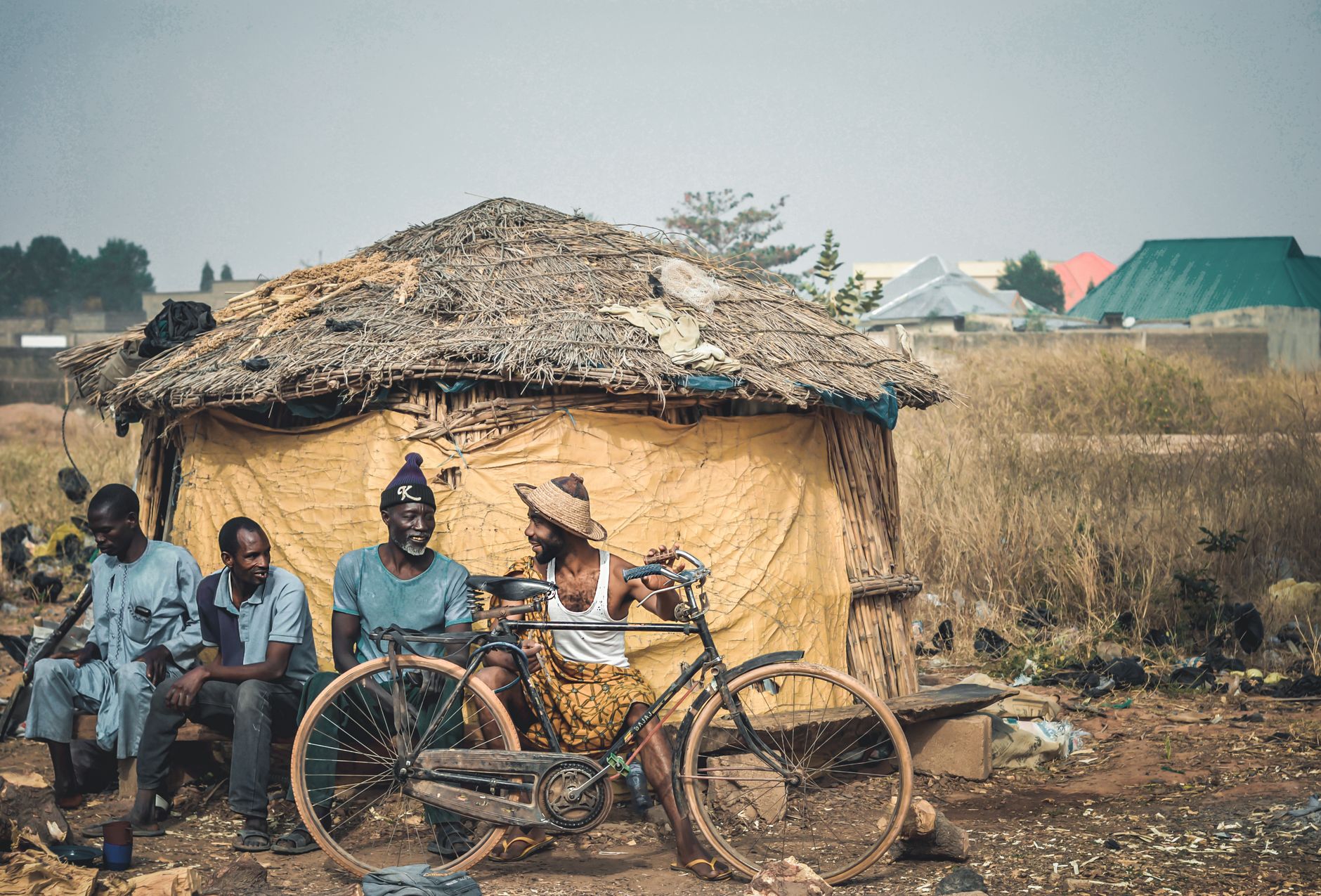
The numbers back this up. McKinsey's Africa research consistently identifies the continent's young, urban population as one of the fastest-growing consumer and creator demographics on earth. Africa has over 600 million people under the age of 25. A significant portion of them are not just consuming content — they are making it, monetising it, and exporting it globally. What fuels their edge? The cultural toolkit they inherited.
At Topping Africa, we track these creators daily. The pattern is unmistakable: the creators gaining the most traction are the ones who lean hardest into their cultural specificity, not away from it. Afrobeats, Nollywood, fashion, food, spiritual practice, language — these are not niches. They are the main event.
The Oral Tradition as a Content Strategy
Every griot, every village elder, every market storyteller in African history was, by modern definition, a content creator. The griot tradition — practised across West Africa from Senegal to Mali to Nigeria — was a structured system of storytelling, historical record-keeping, and community entertainment. Griots were not amateurs. They trained for years, memorised genealogies, performed at ceremonies, and commanded enormous social authority.
That tradition is alive in a new form. Nigerian YouTubers who build audiences of 500,000 subscribers by narrating local folklore in Yoruba and Igbo are not doing something new — they are doing something ancient with a modern distribution channel. Ghanaian podcasters who dissect Akan proverbs and apply them to business strategy are practising a form of cultural translation that griots have always performed. The medium changed. The method did not.
What makes this a genuine strategic advantage — not just a feel-good narrative — is that cultural specificity is the hardest thing to copy. A creator in Lagos who tells stories rooted in Yoruba cosmology, complete with references to Ogun, Sango, and the concept of Ori (personal destiny), is producing content that no algorithm-chasing creator in another continent can replicate. That authenticity is the moat.
- Specificity beats universality on modern platforms. Niche audiences are loyal; broad audiences are fickle.
- Ritual structures — the call-and-response format, the communal gathering, the seasonal celebration — translate directly into recurring content formats, live streams, and community events.
- Proverbs and aphorisms are naturally shareable, short-form content. A well-placed Swahili or Zulu proverb in a caption outperforms a generic motivational quote every time.
Ubuntu, Community, and the Creator Collective Model

The Nguni Bantu philosophy of Ubuntu — often translated as "I am because we are" — is not just a cultural slogan. It is a functional operating model for creator collectives, and Africa's most successful digital communities are built on it. The Western creator economy glorifies the solo genius: one person, one channel, one brand. African creators are increasingly rejecting that model in favour of something that looks more like a village cooperative.
Look at how Afrobeats spread globally. It was not one artist pushing one song. It was a dense web of producers, dancers, fashion designers, videographers, and social media managers — many of them childhood friends or family — who moved together. Wizkid, Burna Boy, Davido each built ecosystems, not just careers. Their teams, their collaborators, their hype networks are all expressions of a communal creative model that African culture encoded long before the internet existed.
This same structure appears in Nollywood, which produces over 2,500 films per year and is the second-largest film industry in the world by volume, according to UNCTAD. It runs largely on informal trust networks, extended family financing, and rotating cast-and-crew relationships — all of which mirror traditional African community structures. The industry's resilience comes precisely from this decentralised, communal backbone.
For creators building today, the Ubuntu model offers a concrete playbook:
- Build a creative circle before you build an audience. Five committed collaborators will outperform a solo creator with twice the follower count.
- Share credit publicly and often. Tagging collaborators, crediting cultural sources, and naming community members builds the kind of loyalty that algorithms cannot manufacture.
- Structure your content around collective events — seasonal festivals, community milestones, cultural anniversaries — rather than personal brand moments alone.
Discover the creators already doing this at scale on Topping Africa's creator directory — the continent's growing roster of digital innovators worth watching.
Taboos, Rituals, and the Power of Cultural Tension in Content
Here is a trade-off that most content strategy guides will never tell you: cultural taboos are some of the most powerful content engines on the planet. Not because breaking them drives cheap controversy, but because the tension around them — what can be said, what must be whispered, what is sacred — generates exactly the kind of sustained audience engagement that creators chase for years without finding.
African cultures carry rich systems of taboo and ritual. In Igbo tradition, certain stories can only be told at night. In many East African communities, specific knowledge is only passed through initiation. In Zulu culture, there are protocols around how elders are addressed and how grief is publicly expressed. These are not barriers to content creation. They are frameworks for building trust with a culturally literate audience.
Creators who navigate these frameworks thoughtfully — who know when to go deep and when to hold back, who consult elders before publishing content about sacred practices, who frame cultural education with genuine respect — earn a quality of audience loyalty that shock-value creators never achieve. The Kenyan creator who explains the meaning of a Maasai beading ceremony without reducing it to an aesthetic trend is building something durable. The one who uses it as a costume for a viral moment is building sand.
Common mistakes creators make here:
- Treating sacred rituals as content props without community consent or context — this triggers backlash that permanently damages credibility.
- Over-explaining cultural nuance to a non-African audience at the expense of the primary African audience, who will feel talked down to.
- Assuming that because something is "traditional," it is universally accepted within a culture — regional and generational variation is enormous.
The fix is simple but demanding: do the cultural homework. Interview elders. Credit sources. Acknowledge regional differences. This is not just ethical — it is the highest-quality content research available, and it produces material that no trend-chaser can replicate.
Fashion, Music, and Film: Where African Traditions Go Viral
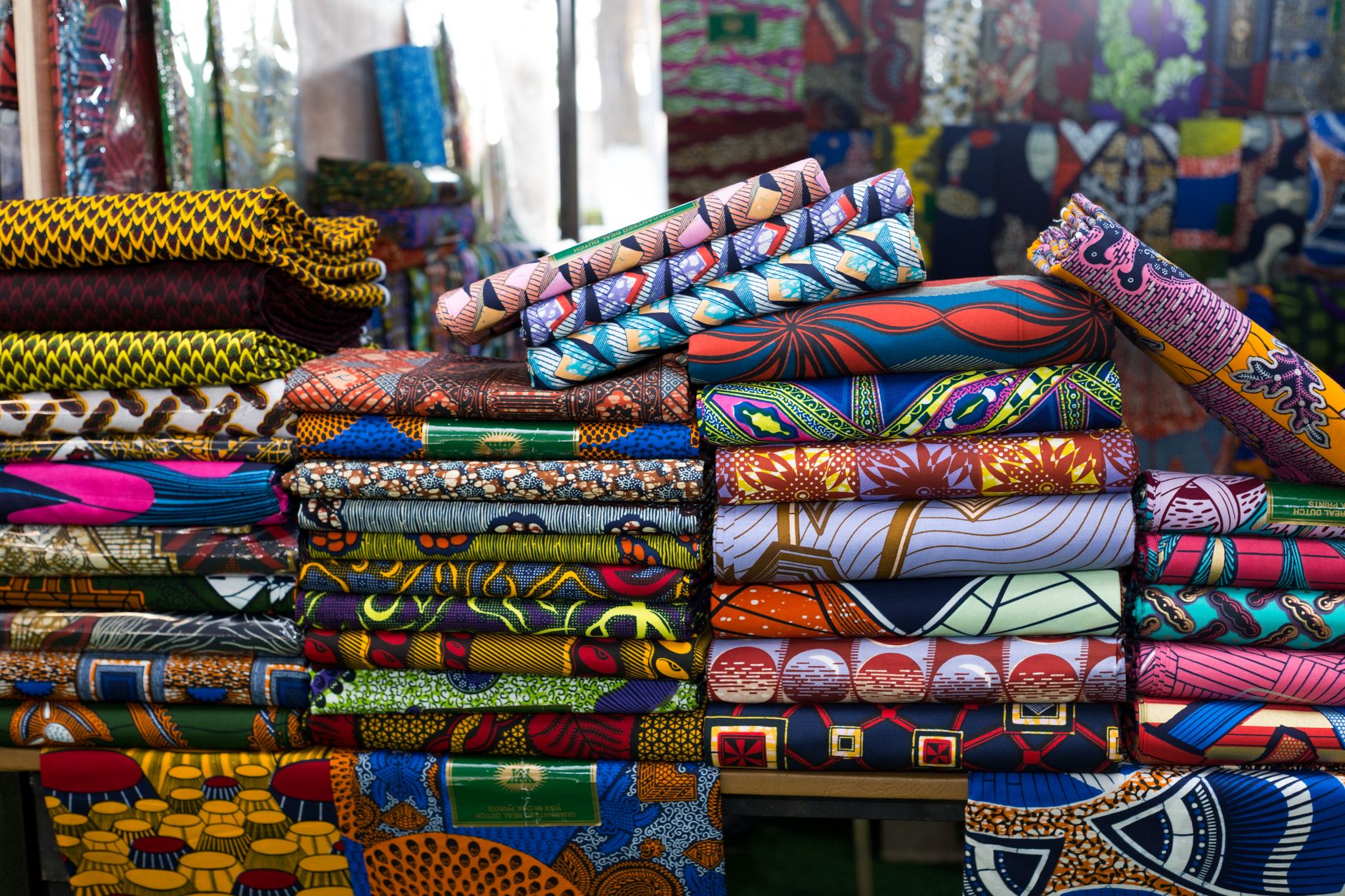
Three creative sectors show most clearly how African culture and traditions are converting into measurable digital and economic power: fashion, music, and film. Each sector tells the same story with different textures.
In fashion, designers like Tongoro Studio's Sarah Diouf and Angola's Carla Djamila are building global audiences by rooting their aesthetic in African textile traditions — kente, ankara, kanga, bogolan — while using Instagram and TikTok as their primary distribution channels. Carla Djamila's rise is a masterclass in how Lusophone African style, long invisible in global fashion conversations, can build a loyal international following when a creator owns their cultural specificity rather than diluting it for mass appeal.
In music, Afrobeats has moved from regional phenomenon to global infrastructure. The genre generated over $400 million in streaming revenue in 2023 alone, according to industry tracking data. But Afrobeats is not a genre that emerged from nowhere — it is the digital evolution of highlife, jùjú, Afrobeat (the Fela Kuti original), and dozens of regional West African musical traditions. Every viral Afrobeats track carries those traditions inside it, whether the listener knows it or not.
Nollywood is the third pillar. Films like Funke Akindele's Everybody Loves Jenifa — which shattered UK box office records — succeed precisely because they are unapologetically Nigerian. The humour is Nigerian. The family dynamics are Nigerian. The moral frameworks are Nigerian. Global audiences are not watching despite the cultural specificity; they are watching because of it.
Want to stay current on which African creators are driving these trends right now? Explore what's trending on Topping Africa and get ahead of the next wave before it peaks.
How African Entrepreneurs Are Monetising Cultural Capital
Cultural capital is not a metaphor in Africa's creator economy — it is a literal revenue stream. The mechanisms are becoming more structured and more sophisticated every year.
Brand partnerships are the most obvious channel. African creators with strong cultural identities command premium rates from brands that want authentic access to specific communities. A Swahili-language creator with 200,000 highly engaged East African followers is more valuable to certain brands than a generic English-language creator with 2 million passive followers. Engagement rate and cultural authority beat raw follower count in every serious brand partnership conversation.
Beyond brand deals, the monetisation models being built by African creators include:
- Cultural education subscriptions — Patreon and Substack communities built around African history, languages, and philosophy, often charging $5–$15 per month with retention rates that outperform general interest channels.
- Digital products rooted in tradition — recipe e-books, pattern guides for traditional crafts, language learning resources, and ancestral research tools.
- Event-based monetisation — online festivals, cultural webinars, and virtual ceremonies that mirror traditional communal gatherings and charge entry fees or sponsorship rates.
- AI-assisted content scaling — a growing cohort of African creators is now using AI tools to translate, transcribe, and adapt culturally specific content for multiple language markets simultaneously. See how African creators are using AI to grow their content in 2026.
The World Economic Forum estimates that the African creator economy could generate over $20 billion by 2030, driven substantially by the cultural content sector. That figure will only be reached if creators treat their cultural heritage as the asset it genuinely is — not as a liability to be smoothed over for international palatability.
What the Next Generation of African Creators Must Protect
There is a real risk in this boom, and it deserves naming directly. As African cultural content gains global visibility, the pressure to dilute, simplify, or repackage it for non-African audiences will intensify. Platforms reward content that travels easily across cultures. Algorithms favour the lowest common denominator. And brands, however well-intentioned, will always push toward mass-market legibility.
The creators who will matter in ten years are the ones who resist that pressure. Not by refusing to engage with global audiences — but by refusing to let global palatability become the primary design criterion. The goal is not to make African culture digestible for outsiders. The goal is to make it so compelling, so specific, and so well-executed that outsiders do the work of understanding it.
That is the standard the best African creators are already setting. It is the standard this platform exists to celebrate and amplify. Discover the creators defining African culture on your own terms — explore the full creator landscape at Topping Africa's Explore page and find the voices shaping the continent's next chapter.
African culture and traditions are not heritage to be preserved under glass. They are living, adaptive, and increasingly global — and the creators who understand that are building the most important cultural infrastructure of our time.
Staff
Contributing writer at Topping Africa.
0 Comments
No comments yet. Be the first to share your thoughts!