
Inside Asma Comedian’s Rise as TikTok’s New Queen of East African Comedy
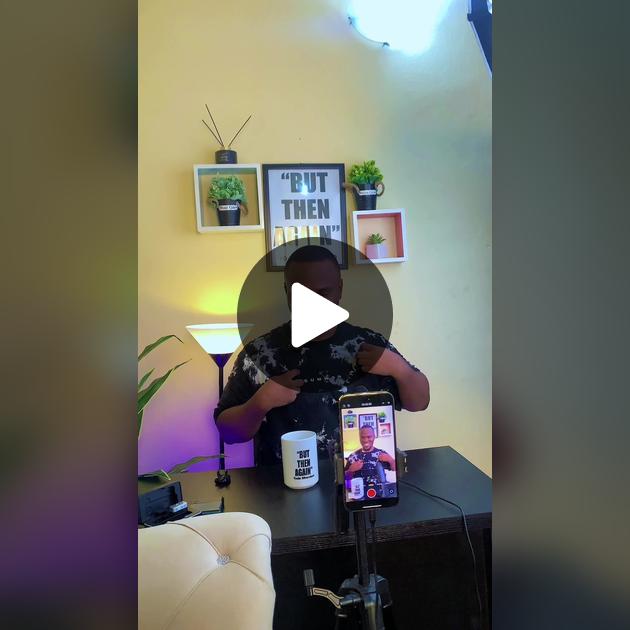
Asma Comedian has turned TikTok into her main stage, using sharp Kiswahili skits to capture East African urban life. This in-depth spotlight unpacks her storytelling, language, and brand power, showing how she became TikTok’s new queen of East African comedy.
Inside Asma Comedian TikTok: How a Tanzanian Star Rewrote East African Comedy
As you scroll through TikTok today, you can hardly miss Asma Comedian TikTok clips on your For You Page. Her sharp street skits, bold characters, and everyday drama have turned a Tanzanian creator into one of East Africa’s most-watched comedy voices. Moreover, her rise tells a bigger story about how African influencers now shape urban culture, language, and brand trends in real time. In this deep dive, you will discover how Asma built her audience, why her style connects so strongly, and what her success means for the future of East African content creators.
From Local Skits to Global Feeds: Tracing Asma Comedian’s TikTok Journey
To understand Asma’s impact, you first need to see how quickly East African comedy moved online. Previously, TV shows like Churchill Show in Kenya acted as the main gatekeepers for new comedians, but social media now serves as the biggest stage for fresh talent.[1] Consequently, creators like Asma bypass traditional auditions and go straight to audiences on TikTok, Instagram, and YouTube. Furthermore, they test jokes instantly, see what goes viral, and adapt their style faster than any TV writer’s room.
Asma Comedian’s rise started with simple, street-level skits filmed in Tanzania’s urban neighborhoods. Importantly, she leaned into familiar situations: neighbor gossip, relationship drama, petty jealousy, and playful rivalry between friends. As a result, viewers saw their own daily lives mirrored in her content, just with sharper punchlines and exaggerated reactions. Over time, those short clips evolved into fully formed characters and recurring storylines that fans now follow from episode to episode.
Additionally, the TikTok algorithm rewarded her consistency. She posted often, kept videos tight, and used trending East African sounds, hooks, and catchphrases. Therefore, every new upload became a fresh chance to break into new audiences across Tanzania, Kenya, Uganda, Rwanda, and the wider African diaspora. In particular, the mix of Kiswahili dialogue, street slang, and expressive acting made her content instantly recognizable, even in a crowded comedy feed.
Why Asma Comedian TikTok Skits Connect So Deeply With East African Audiences
Ultimately, Asma’s success is not just about posting often; it is about speaking directly to East African urban experiences. Her everyday scenes feel like what happens in shared apartments, small shops, or busy bus stops in Dar es Salaam, Nairobi, or Kampala. Moreover, she taps into social tensions without turning them into negative stereotypes, keeping the humor playful and relatable. Fans see their own families, friends, and neighbors in every eye roll and quick comeback.
For instance, many of her skits explore modern relationships: jealous partners, secret side chats, or misunderstandings caused by social media. Similarly, she highlights youth culture pressures, such as looking stylish on a tight budget or juggling multiple hustles. Asma’s characters often make bold decisions, speak their minds, and refuse to stay quiet, reinforcing a sense of agency for young viewers who feel overlooked in traditional media.
Notably, Asma also uses her platform to spotlight African fashion and lifestyle trends. You regularly see vibrant streetwear, locally made outfits, and beauty looks inspired by East African urban style. Consequently, her videos work as informal trend reports, showing what young people actually wear and how they mix traditional influences with global pop culture. That visual language helps make her skits compelling even to non-Swahili speakers since the energy and style are universal.
Storytelling Power: How Asma Builds Characters, Conflict, and Payoff
At the heart of Asma Comedian TikTok content is a clear storytelling engine. Each clip carries a simple premise, rising tension, and a punchline that lands quickly. However, Asma adds extra layers through recurring characters, street archetypes, and evolving relationships. Viewers do not just remember a single joke; they start following character arcs across multiple videos, much like short digital sitcoms.
Specifically, her storytelling often uses three powerful elements: strong entrance, fast conflict, and memorable exit. A character appears with a distinct look, attitude, and catchphrase. Then a small misunderstanding grows into a dramatic argument or funny showdown. Finally, the scene ends with an unexpected twist, physical comedy moment, or sharp line that seals the joke. In addition, Asma’s intense facial expressions and body language keep the viewer hooked even before the punchline arrives.
Moreover, she smartly uses TikTok’s short format to build episodic continuity. One skit might introduce a jealous neighbor; another shows that neighbor caught in their own drama. Therefore, the audience feels rewarded for being loyal followers because they pick up on inside jokes and character callbacks. This structure turns casual viewers into dedicated fans who watch multiple videos in a single session.
Language Choices: Kiswahili, Slang, and the Sound of East African Urban Life
Language sits at the core of Asma Comedian’s appeal. She leans heavily on Kiswahili, Tanzania’s national language and one of the most widely spoken languages in East Africa. Furthermore, she layers that with urban slang, regional phrases, and playful insults that are instantly recognizable to local viewers. As a result, her videos feel like authentic slices of street conversation rather than sanitized TV dialogue.
In addition, these language choices help solidify Kiswahili’s role as a digital language of humor and culture. Other creators, such as Kenyan and Tanzanian TikTok comedians, increasingly mix English and Kiswahili to reach both local and global audiences. By keeping Kiswahili central, Asma shows that African languages can dominate social platforms without losing global appeal. Similarly, diaspora viewers feel more connected to home when they hear everyday phrases delivered with flair.
Importantly, subtitles and context clues make her content accessible beyond East Africa. Fans who do not fully understand Kiswahili still follow the emotional beats, visual cues, and recurring situations. In particular, facial expressions, tone, and physical comedy help break language barriers. Therefore, Asma’s skits travel across borders, from East Africa to the rest of the continent and beyond.
Influencer Culture: Asma Comedian and the New East African Digital Economy
Today, Asma’s success places her firmly inside the rising world of African influencer culture. TikTok has quickly shifted from a space for casual fun to a serious platform for brand campaigns, product launches, and entertainment careers. Additionally, brands seek creators who bring credibility and cultural connection, not just big follower counts. Asma’s deep ties to urban Tanzanian life make her a natural fit for campaigns targeting young East Africans.

Moreover, East African influencer marketing now spans fashion, beauty, food, mobile money, and tech startups. You frequently see creators collaborating with fintech apps, ride-hailing services, and local fashion labels. Asma’s comedic style gives brands a way to speak to audiences without feeling preachy or formal. Consequently, when she integrates a product into a skit, it feels like part of the story rather than a forced advertisement.
For African brands, this shift is crucial. Previously, many companies relied on TV and radio to reach youth, but digital native audiences now live on TikTok, Instagram, and YouTube. Therefore, partnerships with creators like Asma become essential for staying relevant. In addition, her influence extends offline, from meet-and-greet events to collaborations with other comedians and musicians.
Brand Partnerships, Tech Startups, and Creative Hustle
While details of individual deals may not always be public, rising East African comedians often link up with mobile-first businesses and startups. Importantly, TikTok creators help new apps, delivery services, and fintech platforms reach early adopters in major cities. Asma’s reach and trust make her a strong candidate for such collaborations, especially when campaigns aim to feel fun, local, and energetic.
For instance, many African creators work with brands through sponsored skits, hashtag challenges, or live sessions. Moreover, they help demystify digital tools, such as mobile wallets or ticketing apps, by weaving them into everyday stories. Therefore, comedians like Asma indirectly promote positive African innovation, showing how tech supports real urban lives. In particular, this approach suits young audiences who appreciate humor more than formal ads.
Additionally, global platforms now highlight African creators through regional programs and accelerator initiatives. TikTok’s focus on Africa’s creative scene has grown, with campaigns that spotlight fashion, music, and comedy. You can explore recent reports and features on African TikTok creators through sources like BBC Africa and Quartz Africa, which regularly cover social media shifts and digital culture trends. Consequently, creators such as Asma stand at the intersection of entertainment and tech-driven opportunity.
Asma Comedian TikTok and East African Urban Culture
Beyond entertainment, Asma’s videos offer a living archive of East African urban culture. Her characters often reflect the pressures faced by city dwellers: tight budgets, high expectations, and the constant hustle for better opportunities. Furthermore, she shows how community and humor help people navigate these realities. Instead of focusing on hardship, she amplifies resilience, creativity, and everyday joy.
For instance, her fashion choices and set locations mirror real neighborhood streets, local shops, and informal markets. Consequently, viewers see their environments captured on screen with pride rather than stigma. Asma’s characters walk confidently through these spaces, turning them into stages rather than backdrops. In addition, she highlights youth-driven style, including braided hairstyles, bright colors, and bold accessories that signal individuality.
Similarly, Asma’s comedy reflects how social media changes relationships and reputations. Cousins, friends, and partners now argue over what appears online, who follows whom, or who went viral for the wrong reason. Her skits capture that digital tension with humor, showing how people negotiate online and offline identities. Therefore, Asma’s TikTok feed serves as a cultural lens on East Africa’s rapid urban transformation.
Comedy, Representation, and Women in East African Influencer Culture
Notably, Asma’s prominence also matters for representation. In many comedy scenes, male performers still dominate stage and screen, but social platforms create new spaces for women’s voices. Asma’s confident presence, strong characters, and bold delivery challenge old assumptions about who can carry a comedy show. Moreover, she does this without centering pain or hardship, instead emphasizing wit, quick thinking, and emotional intelligence.
In addition, younger women viewers see themselves mirrored in her role choices: outspoken friends, independent partners, and clever schemers who drive the plot. These portrayals help shift social expectations around women’s humor and agency. Ultimately, Asma’s success reinforces that East African women can lead digital comedy, collaborate with brands, and build regional influence at scale.
You can read more about how social media transforms African comedy through features like Tuko’s analysis of Kenya’s comedy stage, which highlights how platforms such as TikTok now outrun traditional TV.[1] Similarly, Asma’s journey exemplifies this shift, especially for women who turn smartphones into production studios and business tools.
East African Comedy Ecosystem: Where Asma Fits Among Other Digital Stars
To fully appreciate Asma’s rise, you should view her alongside other East African digital comedians. Kenyan, Tanzanian, and Ugandan creators consistently experiment with TikTok trends, lip-sync humor, and street interviews. Moreover, they cross-collaborate, boosting each other’s audiences and blending styles and languages. Asma’s content stands out through its strong character work and steady output, but it also benefits from this vibrant ecosystem.

Furthermore, local music and dance challenges often intersect with comedy skits. Creators use popular tracks from regional artists as soundtracks to jokes, reaction videos, or character intros. Therefore, entertainers and musicians feed each other’s growth, creating a multilayered entertainment culture. In particular, Asma’s videos sometimes echo this energy, drawing on popular sounds or celebrating East African music and dance.
Additionally, diaspora audiences play a crucial role in amplifying East African comedians. Fans living abroad share clips, translate jokes for friends, and comment with nostalgia for home. Consequently, Asma’s skits spread not only across cities, but across continents. This global reach helps attract brand interest, media attention, and new collaboration possibilities.
What Asma’s Success Reveals About the Future of African Content Creators
Asma Comedian’s TikTok trajectory highlights several key trends shaping the future of African content creators. First, short-form video now acts as a core storytelling format rather than a side experiment. Secondly, local languages and cultures serve as competitive strengths, not obstacles, in reaching wide audiences. Thirdly, consistent posting and character-driven arcs can turn everyday skits into sustainable digital careers.
Moreover, African tech startups, fintech firms, and lifestyle brands increasingly view creators like Asma as crucial partners. They gain authentic access to youth markets, especially in cities where traditional ads feel distant or outdated. In addition, comedians bring creative problem-solving, helping brands explain complex products in simple, entertaining ways. Ultimately, Asma’s journey shows how humor and innovation work together to drive new digital economies.
For you as a viewer, marketer, or aspiring creator, her path delivers a powerful lesson: you do not need perfect studio setups to connect deeply with audiences. Instead, you need sharp observation, cultural insight, and a willingness to experiment. Therefore, if you hope to build your own influence, studying Asma’s TikTok catalog can offer practical ideas for crafting relatable, impactful stories.
Practical Takeaways: What You Can Learn From Asma Comedian TikTok
If you aim to grow as an African digital creator, Asma’s approach offers specific lessons you can apply immediately. Additionally, these insights matter whether you focus on comedy, fashion, music, or tech storytelling. To make them easy to use, here is a quick breakdown of key strategies drawn from her journey.
- Lean into local culture: Use your own language, neighborhood stories, and social dynamics as core material.
- Build strong characters: Create recurring personalities with distinct looks, voices, and attitudes that fans recognize instantly.
- Post consistently: Treat TikTok as your main stage, not a hobby; build routines for regular uploads.
- Mix humor with lifestyle: Showcase fashion, food, or tech tools organically inside your skits to attract wider audiences.
- Collaborate smartly: Work with other creators and brands whose values match your storytelling style.
Furthermore, you should monitor how platforms change and update features, such as live streams, series playlists, and creator funds. These tools can help you monetize and deepen fan relationships. In addition, studying analytical insights, such as watch time and comments, lets you refine content based on what truly resonates.
Importantly, always protect your personal brand. Asma’s consistent tone and focus remind viewers what to expect from her feed. Similarly, you need a clear identity, whether you lean more into satire, fashion, music reactions, or tech explainers. Consequently, you build trust that encourages viewers to subscribe, share, and comment.
Explore More on Topping Africa
If you enjoy following creators like Asma, you will find plenty of related stories across Topping Africa. Moreover, you can dive deeper into influencer culture, music, and African innovation through our focused categories. Explore more and discover fresh voices shaping the continent’s digital future.
- Entertainment: Spotlight features on African comedians, TikTok stars, and viral creators redefining online fun.
- Technology: In-depth coverage of African tech startups, creator tools, and digital platforms empowering influencers.
- Culture & Lifestyle: Stories on fashion, urban culture, and everyday trends driving content across East Africa and beyond.
Additionally, you can keep up with broader African news and creative innovation through sections like Africa News and Business & Economy. Read more about rising stars, new platforms, and bold ideas shaping the continent’s next decade. Ultimately, your clicks and comments help amplify the creators and stories that deserve more attention.
Conclusion: Asma Comedian TikTok and the Bright Future of East African Comedy
Asma Comedian’s TikTok success is much more than a string of viral clips. It represents a new chapter in East African comedy, where smartphones replace TV gates, and where local language becomes the main engine of digital storytelling. Moreover, her journey shows how a creator can turn everyday urban life into compelling content that resonates across borders.
For East African influencers, Asma’s rise proves that authenticity, consistency, and cultural insight remain the most powerful tools on any platform. In addition, her impact highlights the deep link between comedy, fashion, music, and tech-driven innovation. As brands and startups continue to invest in digital storytelling, creators like her will sit at the center of that transformation.
If you are inspired by her story, consider how you might channel your own experiences into content that reflects your community. Share your thoughts, leave a comment, or explore more creator spotlights across Topping Africa. Ultimately, the next big name in African comedy, music, or tech could be you — and your rise might start with a single, well-told TikTok story.

Staff
Contributing writer at Topping Africa.
0 Comments
No comments yet. Be the first to share your thoughts!