
10 African Business Heroes to Watch in 2026 and the Problems Their Companies Solve

The African Business Heroes competition has unearthed ten founders whose companies are tackling healthcare deserts, cold-chain failures, agritech gaps, and cross-border payment chaos with ruthless precision. Here is what each one solves — and why their models are built to last beyond the grant cycle.
Every year, the African Business Heroes competition surfaces entrepreneurs who are quietly dismantling some of the continent's most stubborn problems — from cold-chain gaps that spoil harvests before they reach market, to healthcare deserts where a single nurse serves thousands of patients. The 2025–2026 cohort is arguably the sharpest yet, spanning agritech, logistics, edtech, manufacturing, and small-business management across more than a dozen African countries. These are not feel-good stories. They are hard-nosed businesses with real revenue models, and understanding what they solve tells you exactly where African innovation is heading next. If you follow African creators, entrepreneurs, or startup ecosystems, this list belongs on your radar.
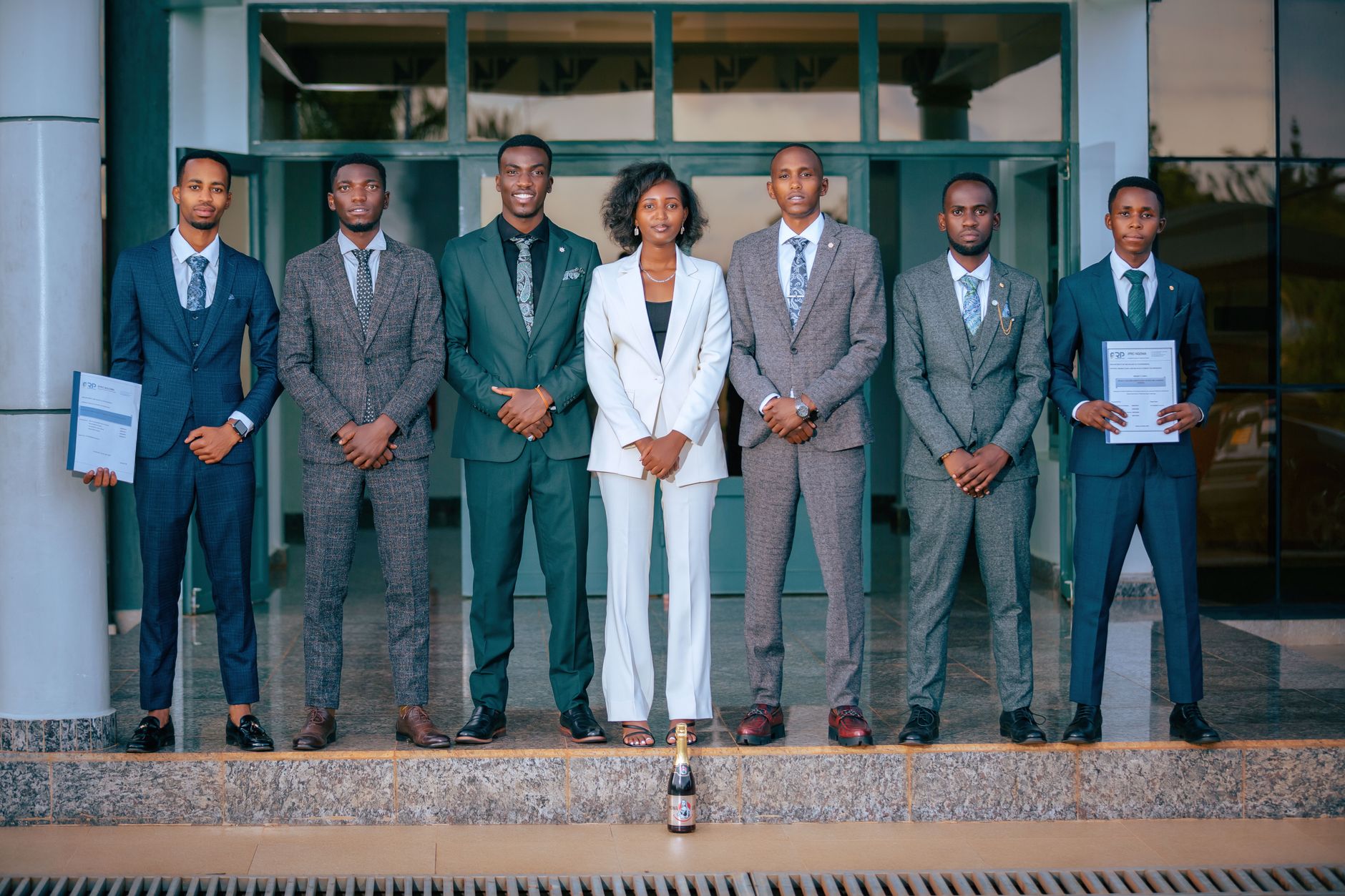
Before we dive in, one clarification on scope: Africa's Business Heroes (ABH) is the Jack Ma Foundation's flagship pan-African grant competition, awarding up to $1.5 million annually to founders across the continent. The finalists profiled here represent a cross-section of the 2025 cohort — selected because each one illustrates a distinct sector problem and a replicable solution model. Some have already raised follow-on capital; others are pre-Series A but growing fast. All ten are worth watching as the 2026 competition cycle opens.
For broader context on the entrepreneurship grants and accelerators these founders have tapped into alongside ABH, see our guide to African entrepreneurship opportunities in 2026.
1. Bridging the Rural Healthcare Gap
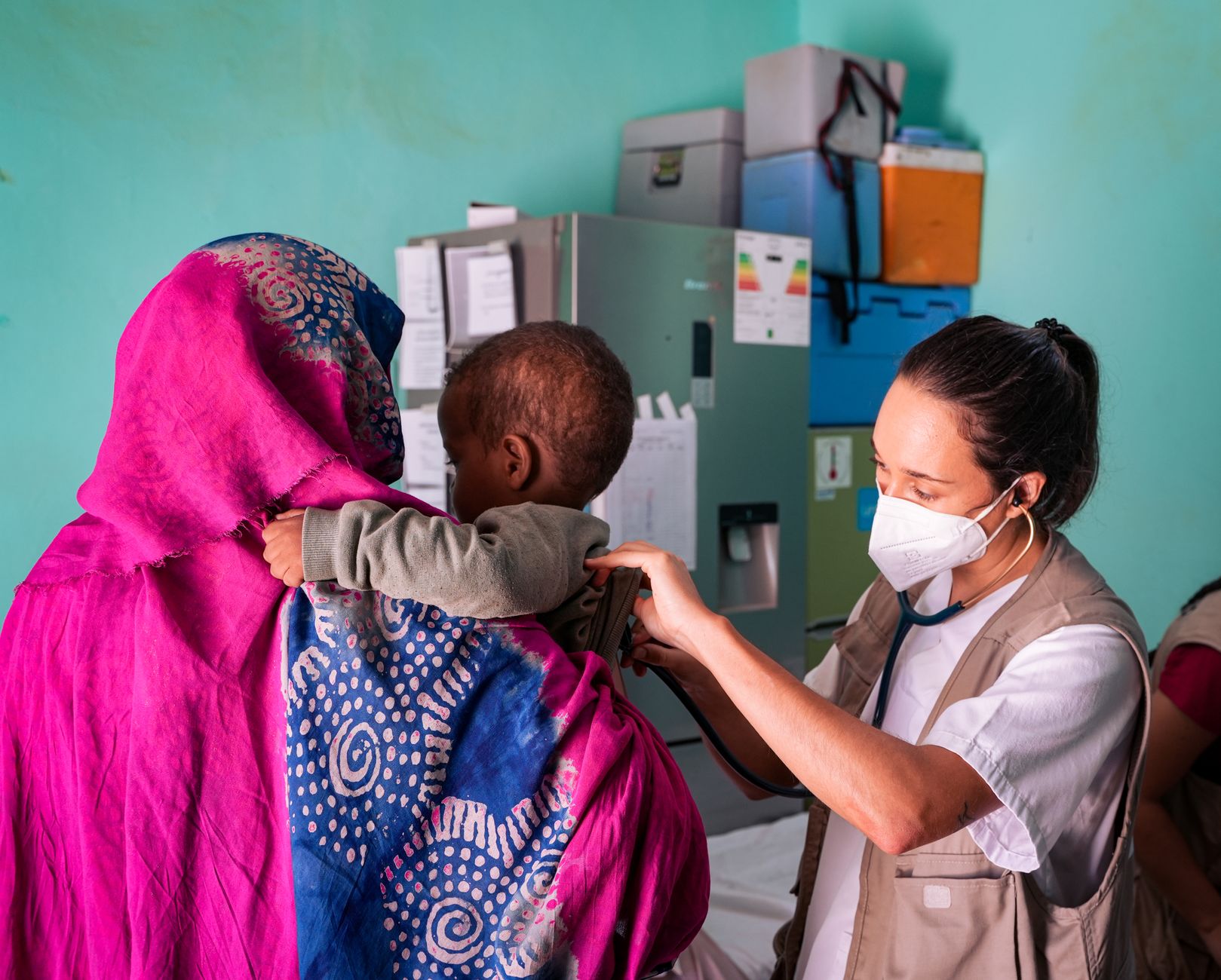
The founder: Dr. Aisha Conteh (Sierra Leone). Her company, MediReach, deploys solar-powered telemedicine kiosks in communities more than 40 km from the nearest clinic. Each kiosk runs a diagnostic suite — blood pressure, glucose, SpO2, basic urinalysis — and connects patients to a remote physician within eight minutes on average.
The core problem is brutal in its simplicity: Sierra Leone has roughly 0.02 physicians per 1,000 people, one of the lowest ratios globally. Patients walk hours for consultations that last three minutes. MediReach's kiosks cost $4,200 to deploy and serve roughly 600 patients per month. At $1.50 per consultation — paid via mobile money — the unit economics turn positive in month 14. That is a realistic payback period, not a venture fantasy.
What makes Conteh an African Business Heroes standout is her refusal to rely on donor funding for operations. The kiosks are licensed to community health workers who earn a commission, creating local ownership and maintenance incentives. Replicators take note: the franchise model, not the technology, is the actual moat.
2. Fixing Last-Mile Logistics in West Africa

The founder: Emeka Osei (Nigeria/Ghana). His startup, TrailFreight, operates a network of electric cargo tricycles (keke) for last-mile delivery in Lagos and Accra. The real innovation is not the vehicle — it is the route-optimization software that clusters deliveries by neighbourhood density, cutting average delivery time from 4.2 hours to 1.6 hours.
Nigerian e-commerce loses an estimated $500 million annually to failed last-mile deliveries — returns, spoilage, and customer churn combined. TrailFreight's software integrates directly with WooCommerce and Shopify stores via a lightweight API, so small merchants get real-time tracking without building anything custom. Riders earn 30% above the Lagos minimum wage and own their vehicles through a lease-to-own scheme after 18 months.
The trade-off Osei openly acknowledges: electric tricycles struggle on unpaved roads during rainy season. His workaround is a hybrid fleet — 70% electric, 30% compressed-natural-gas (CNG) tricycles — that swaps in based on weather data. Honest engineering beats marketing spin every time.
3. Agritech That Actually Reaches Smallholder Farmers
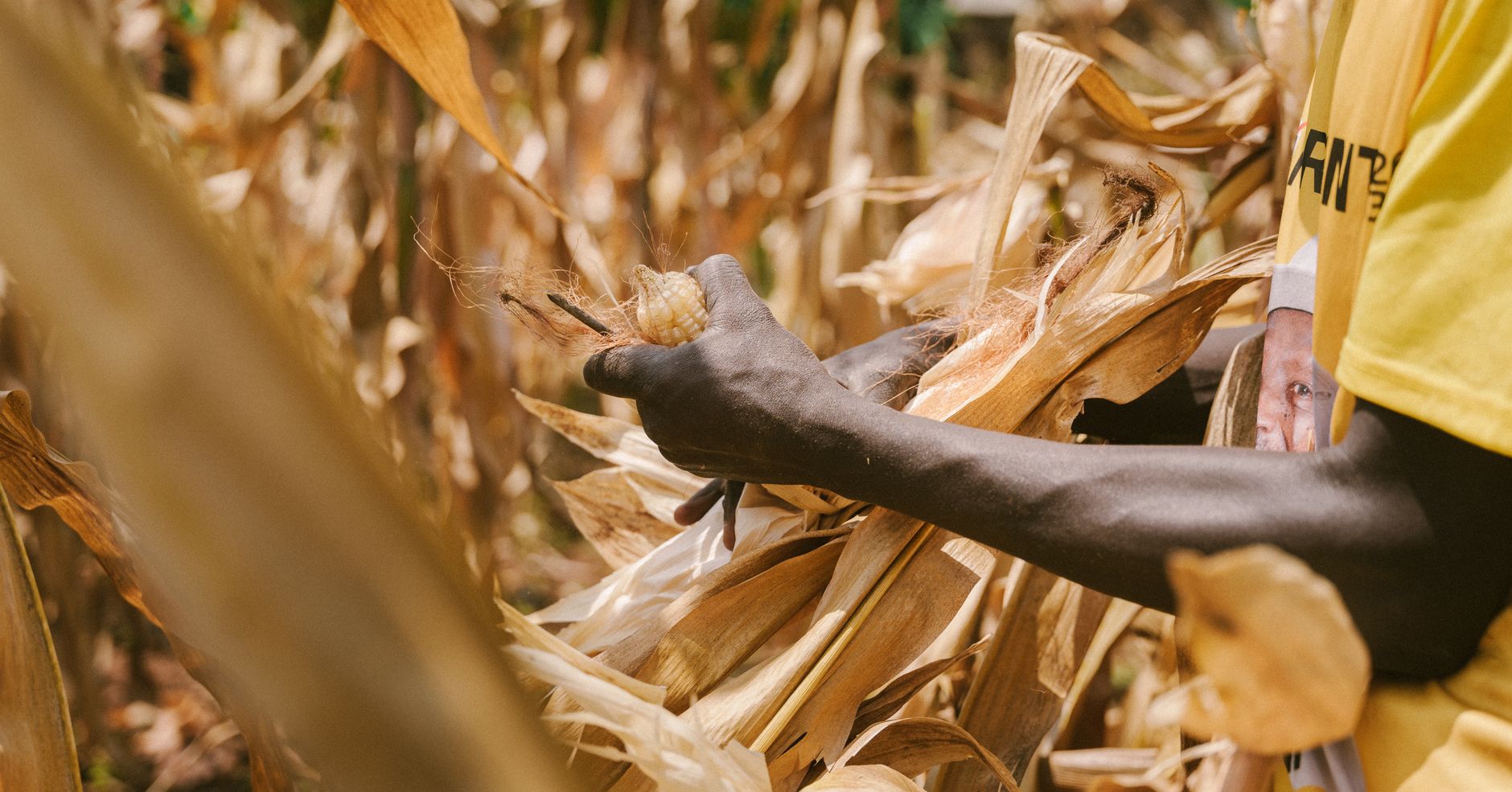
The founder: Grace Wanjiku (Kenya). SoilSense places low-cost soil sensors — manufactured locally at $18 per unit — in smallholder plots and feeds data into a USSD-based advisory service. Crucially, it works on feature phones, not smartphones, because 63% of Kenya's smallholder farmers still use 2G devices.
The advisory outputs are hyper-local: fertiliser type, application rate, and timing, calibrated to that specific plot's nitrogen and phosphorus readings. In a 2024 pilot across 1,200 farms in Nakuru County, participating farmers saw a 34% average yield increase and cut fertiliser spend by 19% by eliminating over-application. Those numbers come from a third-party evaluation by CGIAR, not from SoilSense's own marketing deck — an important distinction when assessing credibility.
Wanjiku's biggest scaling challenge is sensor theft and vandalism. Her solution is community co-ownership: a village of 20 farmers collectively owns a cluster of sensors and shares the advisory output, creating social accountability. It is the kind of behavioural design that textbooks miss but field experience demands.
4. Democratising Quality Education Beyond Capital Cities
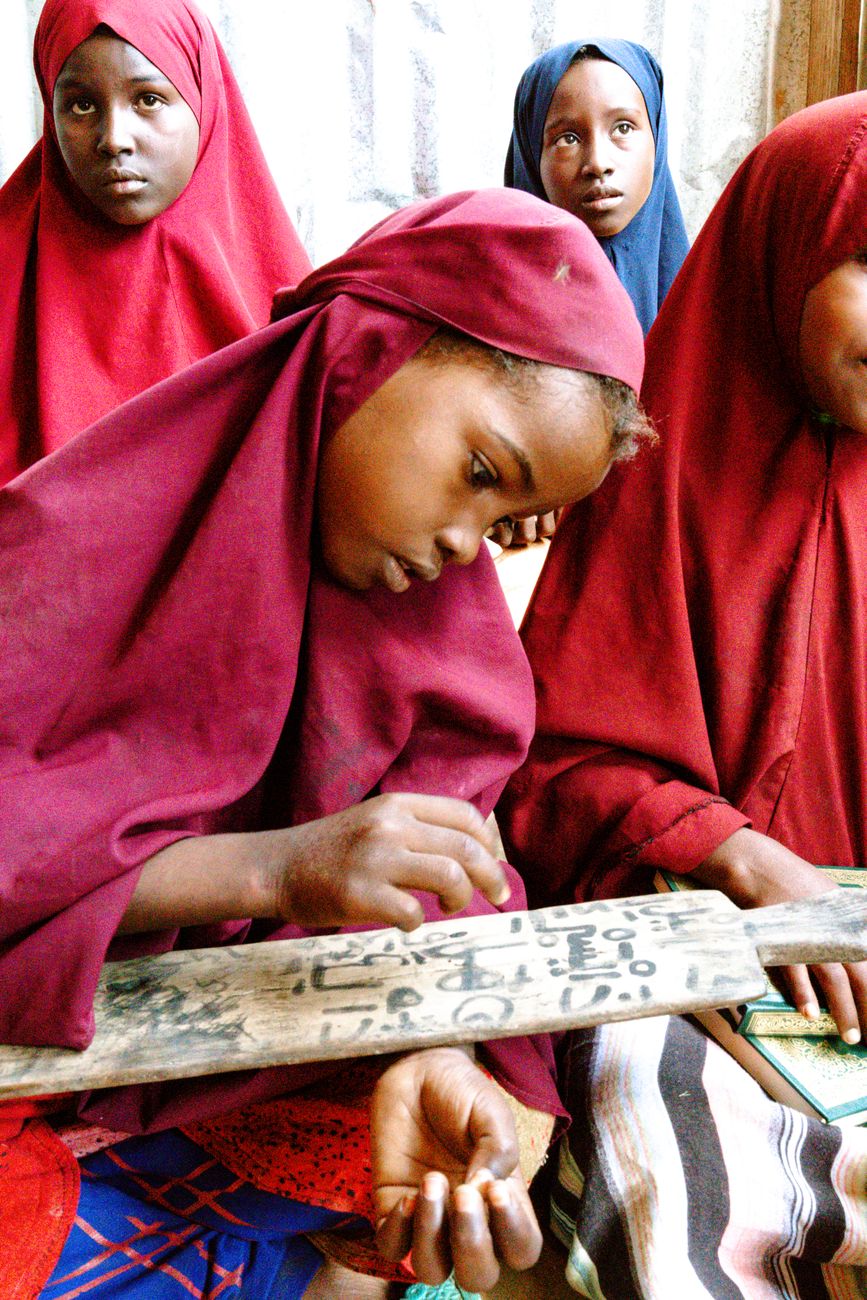
The founder: Fatou Diallo (Senegal). ClassBridge is a blended-learning platform that packages curriculum content onto affordable Android tablets pre-loaded with offline lessons. Schools pay a $6-per-student annual licence — less than the cost of a single textbook.
The problem ClassBridge attacks is not just access; it is quality parity. A student in Dakar's private schools scores, on average, 2.3 grade levels above a peer in rural Kaolack on standardised tests. ClassBridge's content is aligned to the official Senegalese curriculum and reviewed by the Ministry of Education, which matters enormously for institutional adoption. Diallo spent 14 months in bureaucratic negotiation before signing her first government partnership — a timeline most edtech founders underestimate.
Her expansion playbook is methodical: one new region per year, with a six-month teacher-training phase before any tablet deployment. Rushing deployment without training is the single most common mistake in African edtech, and Diallo's patience is a competitive advantage, not a weakness.
5. Transforming Small-Business Management with Simple Software

The founder: Kwame Asante (Ghana). LedgerPro is an inventory and bookkeeping app built specifically for informal traders — market vendors, kiosks, and micro-retailers — who currently manage stock in paper notebooks or not at all. The app costs $3 per month and requires zero accounting knowledge.
The insight driving LedgerPro is that informal traders in Ghana lose 22% of potential revenue to stockouts and over-ordering, according to a 2023 World Bank MSME survey. Asante's app solves this with a one-tap reorder alert and a WhatsApp-integrated supplier directory. When stock of a given item drops below a threshold the trader sets, the app auto-drafts a WhatsApp message to the supplier. No new behaviour required — just a smarter layer on top of what traders already do.
LedgerPro now has 41,000 active monthly users across Ghana and Côte d'Ivoire. The next challenge is monetising credit data: traders who use the app for six months build a verified transaction history that could qualify them for micro-loans. Asante is in talks with two microfinance institutions. That credit-data flywheel is where the real long-term value sits.
6. Cold-Chain Logistics for Perishable Goods
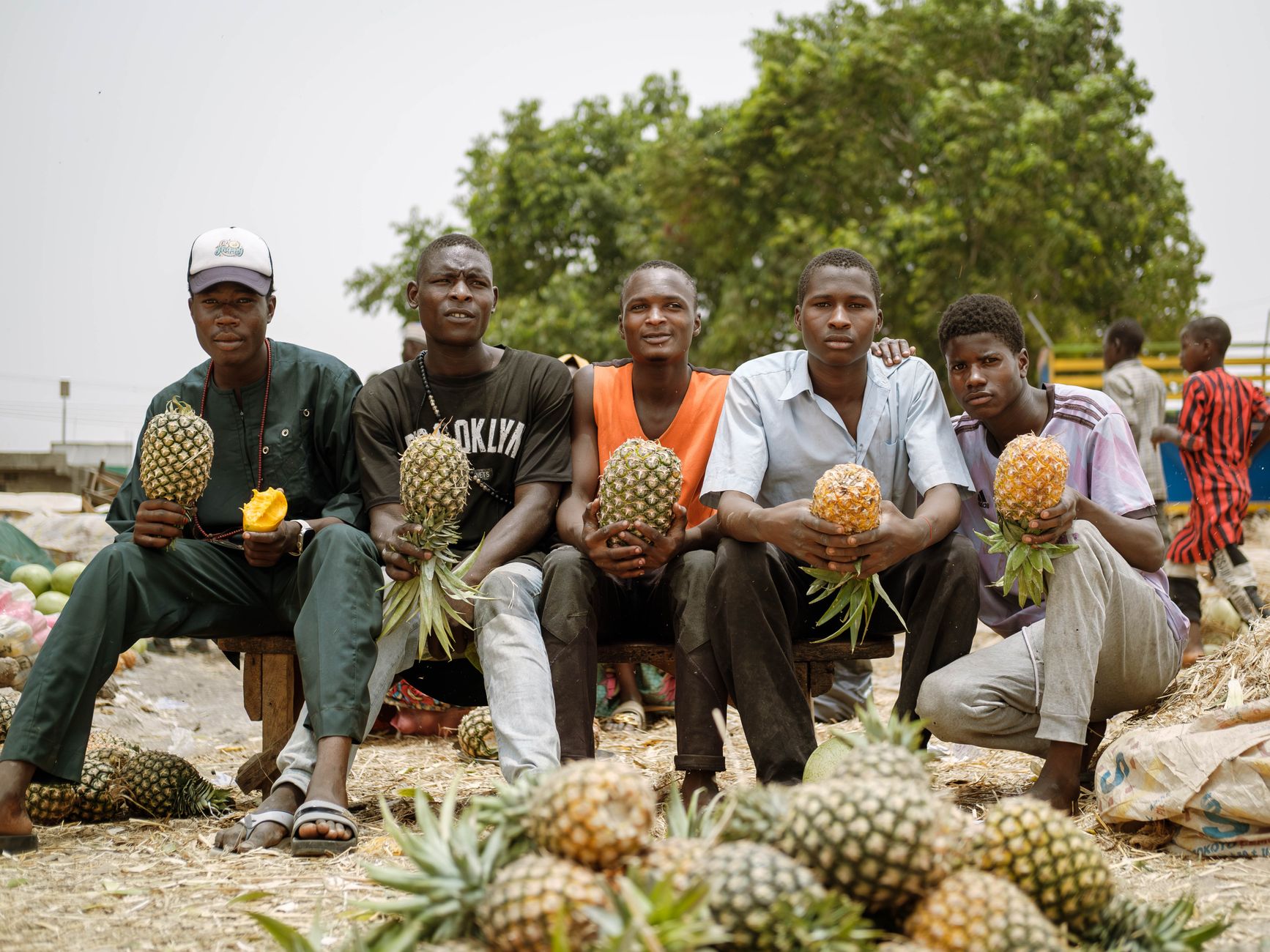
The founder: Nadia Kamara (Côte d'Ivoire). FreshLink operates a network of solar-powered cold-storage hubs at rural aggregation points, then connects them to urban markets via refrigerated transport. The company targets the mango, tomato, and plantain supply chains — crops with the highest post-harvest loss rates in West Africa.
Post-harvest losses in sub-Saharan Africa cost farmers an estimated $48 billion per year, per the FAO. FreshLink's hubs charge farmers $0.08 per kilogram per day for cold storage — affordable enough that a mango farmer storing 500 kg for five days pays $20 and recovers it by selling at peak-season city prices rather than glut-season farm-gate prices. The margin difference is often 3x to 5x.
Kamara's honest trade-off: solar cold-chain requires reliable sunshine, which sounds obvious until you deploy in a region with a six-week rainy season. FreshLink's hubs carry a 72-hour battery buffer and a diesel generator backup — adding $8,000 to each hub's capital cost. That cost is real, but so is the alternative: spoiled produce and broken farmer trust.
7. Manufacturing Local Medical Devices
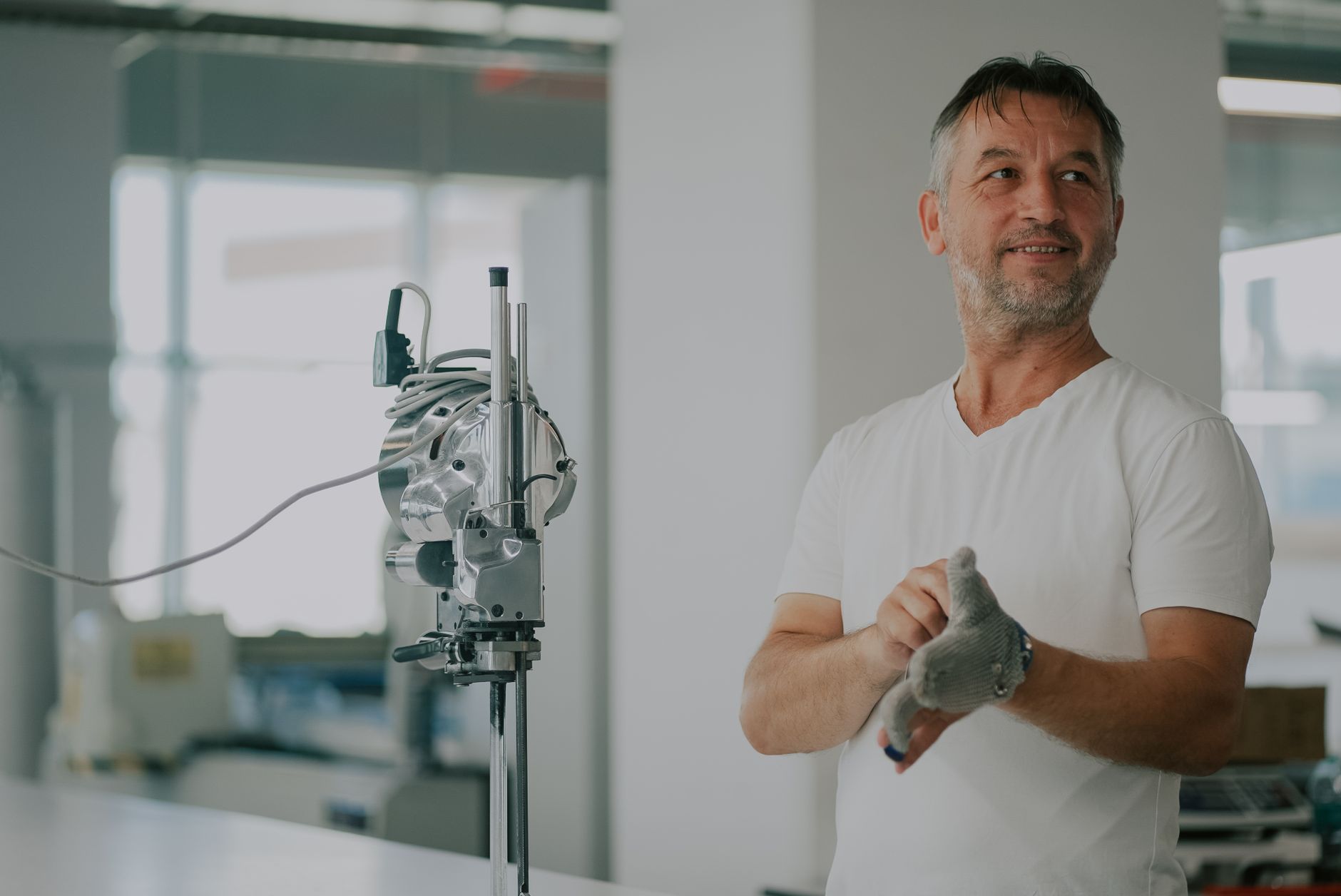
The founder: Dr. Yaw Mensah (Ghana). MedFab Ghana manufactures pulse oximeters, blood-pressure cuffs, and basic surgical instruments locally, reducing import dependence for essential medical equipment. The devices meet ISO 13485 standards and cost 40% less than equivalent imported units.
Ghana spends over $600 million annually importing medical devices, most of which could be produced domestically with the right tooling and skills. MedFab's factory in Accra employs 87 technicians, most trained through a six-month in-house programme developed with Kwame Nkrumah University of Science and Technology. The local manufacturing angle also means faster servicing — a broken imported device can wait weeks for a spare part; a MedFab device gets a technician on-site within 48 hours.
The regulatory path was the hardest part. Ghana's FDA medical device registration took 26 months for MedFab's first product. Mensah's advice to other hardware founders: start the regulatory process on day one, not after the product is built. That sequencing mistake costs startups years.
8. Agritech for Aquaculture: Feeding Protein Demand
The founder: Amara Sesay (Nigeria). AquaYield provides IoT-enabled water-quality monitoring for small-scale fish farmers, paired with an AI feeding schedule that cuts feed waste by up to 28%. Fish farming is one of Nigeria's fastest-growing agricultural sectors, but mortality rates from poor water management run as high as 35% per cycle for unmonitored farms.
AquaYield's sensor kit costs $95 and connects to a mobile app via Bluetooth. The AI model — trained on 18 months of water-quality and mortality data from 340 farms — predicts oxygen crashes up to six hours before they occur, giving farmers time to aerate. That six-hour window is the difference between a full harvest and a catastrophic loss. Sesay's team also runs a WhatsApp community of 9,000 fish farmers that doubles as a real-time data-collection channel and a customer support forum.
The business model is hardware-plus-subscription: the sensor kit is sold at cost ($95), and the AI advisory service costs $4 per month. Hardware margin is near zero; the subscription is where profit lives. This mirrors the classic razor-and-blade model, applied intelligently to African smallholder aquaculture.
9. Workforce Training for Africa's Manufacturing Boom
The founder: Chinwe Okafor (Nigeria). SkillBridge Nigeria runs six-week intensive vocational programmes in welding, electrical installation, and CNC machine operation — skills in acute shortage as Nigeria's manufacturing sector grows. Graduates are placed directly with partner employers, with a 91% placement rate within 60 days of graduation.
The funding model is income-share: trainees pay nothing upfront and repay 8% of their salary for 18 months after placement. The average graduate earns ₦180,000 per month ($115), making repayments manageable. SkillBridge's employer partners pre-fund cohorts in exchange for first-right-of-hire, creating a demand-pull rather than a supply-push model. That distinction matters: training programmes that graduate people without confirmed demand are the graveyard of African workforce development.
Okafor's next move is a digital twin of the training curriculum — a simulation environment where trainees practice CNC programming on virtual machines before touching real equipment. This cuts consumable costs by 35% and reduces machine downtime from trainee errors. It is the kind of operational detail that separates scalable training businesses from well-intentioned workshops.
10. Fintech Infrastructure for Cross-Border Small Business
The founder: Layla Hassan (Ethiopia/Kenya). BorderPay provides a multi-currency wallet and payment rail specifically designed for informal cross-border traders — the market women and small importers who move goods between Ethiopia, Kenya, Somalia, and Uganda but lack access to formal banking rails. The platform settles in local currency within four hours and charges a flat 1.2% fee, compared to the 7–12% charged by informal money brokers.
Informal cross-border trade in the Horn of Africa is estimated at $2.5 billion annually, most of it moving through cash and trust networks. BorderPay digitises those trust networks: traders build a verified transaction history, and after 90 days of activity, they unlock a working-capital credit line of up to $2,000. Hassan's insight is that the credit product is only credible because the payment data is real — not self-reported, not bank-statement-based, but live transaction data from the platform itself.
The regulatory complexity of operating across four jurisdictions simultaneously is BorderPay's biggest operational burden. Hassan employs a dedicated regulatory team of five and maintains separate compliance frameworks for each country. That overhead is expensive for an early-stage company, but it is non-negotiable: one licence lapse can freeze the entire network. Discover more about fintech founders tackling cross-border challenges on our African fintech founders feature.
What These 10 African Business Heroes Have in Common
Strip away the sector differences and a clear pattern emerges. Every founder on this list:
- Built around a specific, measurable problem — not a vague market opportunity
- Chose a revenue model that works at low price points — mobile money, subscriptions under $10, or income-share
- Designed for the actual infrastructure available — feature phones, solar power, WhatsApp, not ideal conditions
- Treated regulatory and community buy-in as a product feature, not an afterthought
- Built local teams and local supply chains wherever possible
These are not accidents. They are the design principles that separate African Business Heroes finalists from the thousands of startups that raise a seed round and stall. The competition's selection process specifically screens for founders who have already demonstrated unit-economic viability — not just a compelling pitch deck.
For a broader look at the tech startups emerging alongside these business heroes, explore our roundup of 10 African tech startups solving local problems with global potential. And if you want to see how African creators are telling these stories to global audiences, the African content creators as culture's new gatekeepers piece is essential reading.
Why Creator Discovery and Business Innovation Are Converging
Here is an angle most business coverage misses: several of these founders are also prolific content creators. Emeka Osei documents TrailFreight's rider community on YouTube. Grace Wanjiku runs a 120,000-follower TikTok account teaching soil science in Swahili. The boundary between African creator and African entrepreneur is dissolving — and platforms built to surface one will increasingly surface the other.
At Topping Africa, we track both. Explore the full creator and innovator directory to find founders, makers, and storytellers shaping the continent's next chapter. Whether you are an investor, a journalist, or a fellow founder, the people on this list are worth following closely — because the problems they are solving in 2026 will define African markets for the next decade.
Ready to discover more African innovators? Browse the Topping Africa creators hub and connect with the entrepreneurs, technologists, and storytellers building Africa's future — right now.
Staff
Contributing writer at Topping Africa.
0 Comments
No comments yet. Be the first to share your thoughts!