

10 African Tech Startups Solving Local Problems With Global Potential

Ten African tech startups are solving payments, agriculture, logistics, healthcare, and climate problems with models that have clear global potential. This is not a generic ranking — it is a field guide with concrete mechanics, real trade-offs, and 2026 investment context every founder and creator needs to read.
The next wave of African tech startups is not coming — it is already here, and it is building infrastructure the rest of the world will eventually copy. From Lagos to Nairobi, Accra to Kigali, founders are shipping solutions to problems that are hyper-local in origin but universal in scale. Payments that work without a bank account. Cold chains that survive load-shedding. Climate tools built for smallholder farmers who have never opened a spreadsheet. This list skips the unicorn hall-of-fame and goes deeper — spotlighting ten emerging companies whose models are attracting serious 2026 investment attention and whose founders deserve far more visibility on platforms like Topping Africa's creator discovery feed.
The angle here is deliberate. Generic rankings recycle the same five names. Instead, this post maps startups to the specific problem they solve, the mechanism that makes them defensible, and the honest trade-off or risk every founder and investor should weigh. Read it as a field guide, not a press release.

1. Moove Africa — Asset-Backed Mobility Finance for Gig Drivers
Sector: Fintech / Mobility
Headquartered: Lagos, Nigeria (operating across 13 markets)
Moove flips the traditional auto-loan model on its head. Instead of requiring a credit history that most African gig workers simply do not have, Moove uses revenue-based financing — it buys vehicles, assigns them to drivers on ride-hailing platforms like Uber, and recovers repayments as a percentage of weekly earnings. The result is a self-collateralising loan where the asset generates the repayment.
The global potential is real: the ILO estimates that over 2 billion people work in the informal economy worldwide, most of them locked out of conventional credit. Moove's model is already being stress-tested in India and the UAE. The honest trade-off: fleet depreciation risk is significant in markets with poor road infrastructure, and fuel-price volatility can squeeze driver margins below the repayment threshold.
2. Apollo Agriculture — Satellite-Powered Credit for Smallholder Farmers
Sector: Agritech / Fintech
Headquartered: Nairobi, Kenya
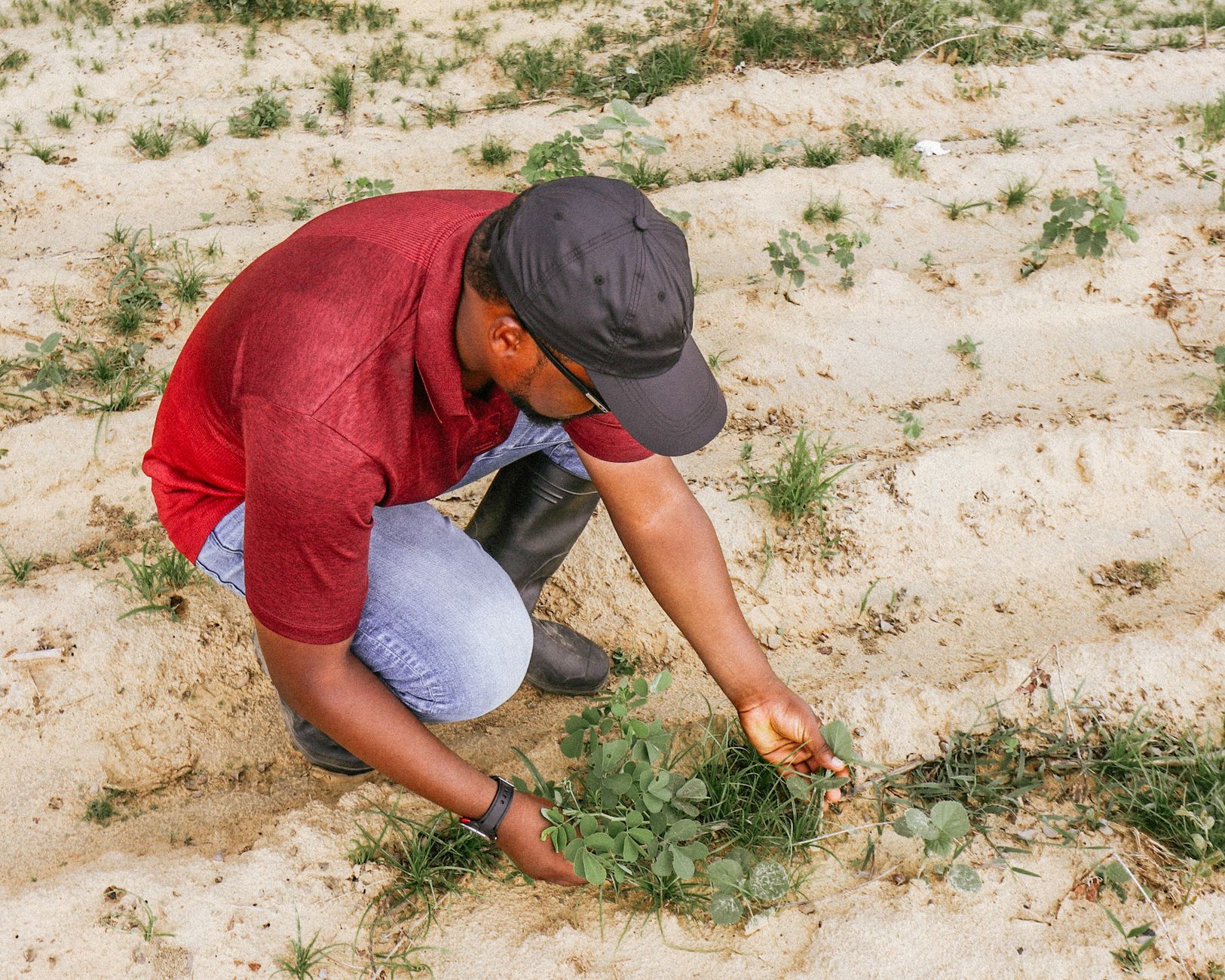
Apollo Agriculture combines satellite imagery, machine learning, and agronomic data to underwrite credit for smallholder farmers — people who grow on 0.5 to 2 hectares and have zero formal credit record. Farmers receive inputs (seeds, fertiliser) on credit and repay after harvest. Apollo's proprietary yield-prediction model, trained on years of Kenyan crop data, keeps default rates low enough to attract institutional capital.
What makes this globally transferable is the model architecture, not the geography. Any country with smallholder agriculture and satellite coverage — which is essentially every developing nation — can run a version of this. The risk to watch: basis risk in crop insurance means a bad season can still wipe out repayment capacity even when Apollo's model predicted a good yield. Founders in adjacent markets should build 90-day grace periods into their loan structures from day one.
3. Sabi — B2B Commerce Infrastructure for Informal Retailers
Sector: B2B Commerce / Logistics
Headquartered: Lagos, Nigeria
Sabi is building the operating system for Africa's informal trade — the kiosks, market stalls, and roadside shops that move the majority of fast-moving consumer goods across the continent. The platform connects manufacturers and distributors directly to these retailers, cutting out three to five layers of middlemen and reducing FMCG prices by up to 20% at the last mile.
The company processed over $1 billion in annualised GMV as of late 2023, a figure that has continued climbing. Its moat is network density: the more retailers on the platform, the cheaper and faster the logistics become. The trade-off is working capital intensity — Sabi often fronts inventory, which means cash flow management is existential. Founders copying this model in East or Southern Africa should negotiate supplier payment terms aggressively before scaling headcount.
4. Zipline — Drone Logistics Redefining Healthcare Delivery
Sector: Logistics / Healthcare
Headquartered: San Francisco, USA (Africa operations in Ghana and Rwanda)
Zipline is technically US-founded, but its commercial proof-of-concept was built entirely on African soil — and that matters. Rwanda and Ghana gave Zipline the regulatory runway to make autonomous drone delivery of blood, vaccines, and medicines commercially viable. The company now operates the world's largest drone delivery network, with over 1 million deliveries completed and a 30-minute average delivery window to remote clinics.
The global lesson Africa taught Zipline: infrastructure constraints force innovation speed. Road networks in rural Rwanda make a 40-km trip a 3-hour ordeal. A drone covers it in 15 minutes. Zipline has since launched in the US and Japan, but the unit economics were proven in Kigali. The risk for African governments considering similar procurement: drone corridors require air-traffic coordination frameworks that most aviation authorities are still drafting.
5. Koolboks — Solar-Powered Cold Chain for Off-Grid Markets
Sector: Climate Tech / Agritech
Headquartered: Paris, France (operations across West Africa)
Post-harvest food loss costs African farmers an estimated $4 billion annually, according to the FAO. Koolboks attacks this directly with solar-powered, pay-as-you-go refrigerators designed for markets with no reliable grid. The units store up to 72 hours of cold without sun, accept mobile money payments, and double as a revenue source — vendors sell cold drinks and charge neighbours' phones from the same unit.
The climate resilience angle is what gives Koolboks global legs. As extreme heat events increase worldwide, off-grid cold storage becomes a public health tool, not just a commercial one. The honest challenge: battery degradation in high-temperature environments shortens unit lifespan below the 5-year payback model. Operators in the Sahel are already reporting 30–40% faster degradation than lab specs predict — a product engineering problem that needs solving before pan-African scale.
6. Turaco — Micro-Insurance Embedded in Apps People Already Use
Sector: Insurtech / Fintech
Headquartered: Kampala, Uganda
Insurance penetration in sub-Saharan Africa sits below 3%. Turaco's answer is not to build a better insurance product — it is to embed insurance inside platforms people already trust: ride-hailing apps, mobile money wallets, and employer payroll systems. Premiums start at $1.50 per month. Claims are paid in under 72 hours via mobile money.
The global opportunity is embedded finance at the base of the pyramid. As super-apps proliferate across Southeast Asia and Latin America, Turaco's distribution playbook — partner with a platform that already has the customer, layer insurance on top — is directly replicable. The trade-off: Turaco's margins depend on the partner platform's growth. If a key ride-hailing partner loses market share, Turaco's premium volume drops with it. Diversification across at least five platform partners is the minimum viable hedge.
7. Healthtracka — At-Home Diagnostics Delivered to Your Door
Sector: Healthtech
Headquartered: Lagos, Nigeria
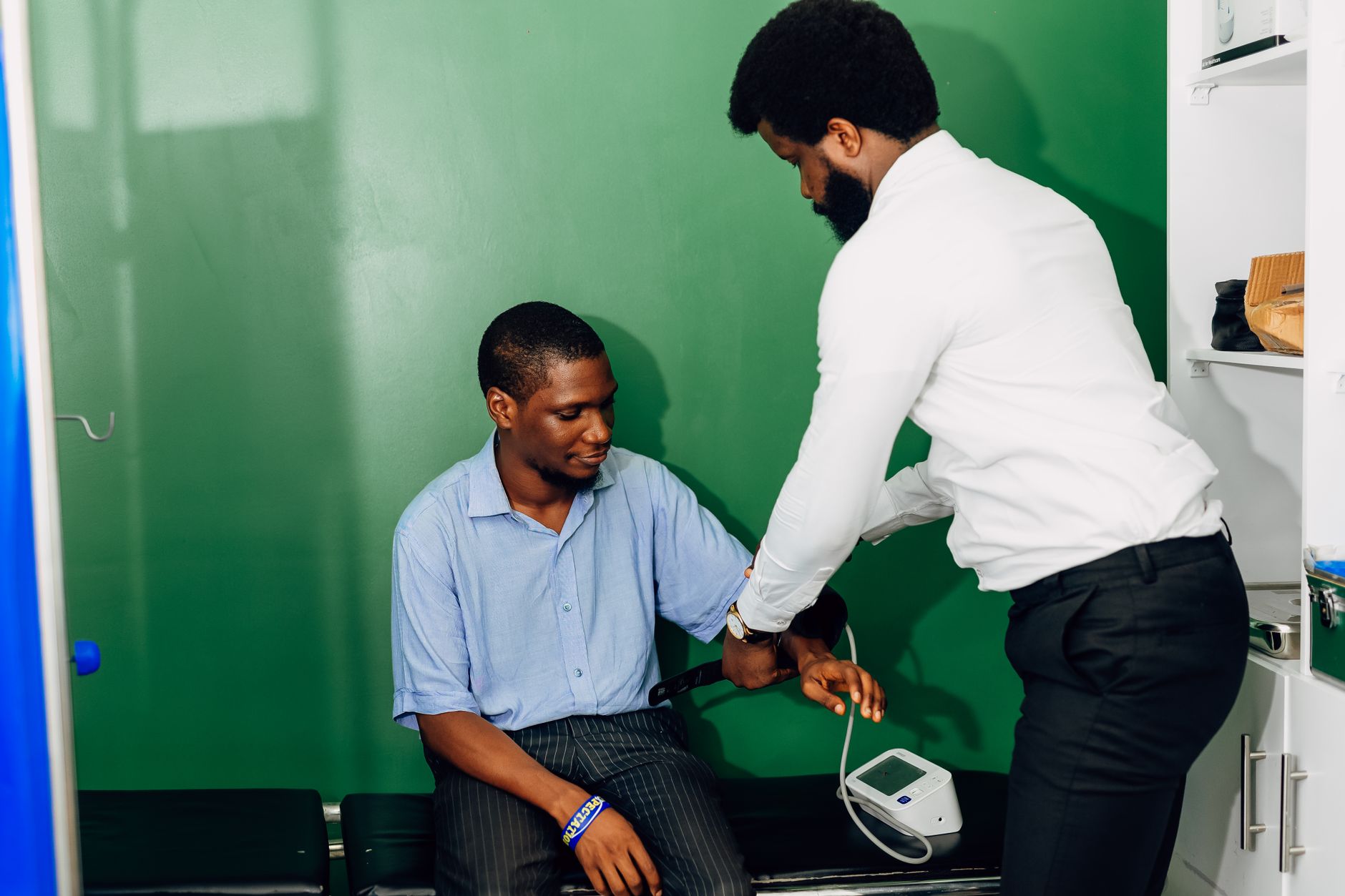
Healthtracka sends trained phlebotomists to your home, collects blood or urine samples, and returns lab results digitally within 24 hours. In a city like Lagos — where a trip to a diagnostic lab can consume half a workday in traffic — this is not a luxury product. It is a time-arbitrage play with a real public health upside: higher testing frequency means earlier disease detection.
The model scales because the marginal cost of adding a new test to the panel is low once the logistics network exists. Healthtracka has expanded its panel to over 300 tests. The risk: regulatory frameworks for home-based diagnostics vary wildly across African markets. Nigeria's NAFDAC has been relatively permissive; other markets are not. Founders expanding regionally should budget 12–18 months for regulatory clearance in each new country — not 3.
8. Curacel — AI Claims Processing for African Insurers
Sector: Insurtech / AI
Headquartered: Lagos, Nigeria
Curacel sits on the B2B side of insurance — it sells AI-powered claims automation to insurance companies, not to end consumers. African insurers process most claims manually, which is slow, expensive, and fraud-prone. Curacel's platform uses machine learning to detect anomalies, auto-approve low-risk claims, and flag high-risk ones for human review. The result: claims processing time drops from weeks to hours.
This is a picks-and-shovels play. As micro-insurance products like Turaco's proliferate, the volume of small, frequent claims will overwhelm manual processing capacity. Curacel is building the infrastructure layer that makes micro-insurance operationally viable at scale. The trade-off: selling to large, legacy insurers means long sales cycles — 9 to 18 months is common. Founders in B2B SaaS targeting African financial institutions should plan for this and raise 24 months of runway before their first enterprise close.
9. Wasoko (formerly Sokowatch) — FMCG Distribution Reimagined for East Africa
Sector: B2B Commerce / Logistics
Headquartered: Nairobi, Kenya
Wasoko aggregates demand from thousands of informal retailers across East Africa and delivers FMCG goods within 24 hours of a mobile-app order — no minimum order size, no upfront payment required. The company has processed hundreds of millions of dollars in orders and recently merged with MaxAB, its North African counterpart, creating a combined entity with operations in eight countries.
The MaxAB merger is the most important strategic move in African B2B commerce in years. It creates a single logistics and data layer stretching from Cairo to Dar es Salaam. The risk is integration complexity: two companies with different tech stacks, cultures, and regulatory environments merging mid-growth. Investors should watch working capital burn during the 18-month post-merger integration window — that is historically where these deals unravel.
10. Numida — Unsecured Working Capital Loans for African SMEs in Under 24 Hours
Sector: Fintech / SME Lending
Headquartered: Kampala, Uganda
Numida lends to small businesses — barbershops, pharmacies, hardware stores — that need $500 to $5,000 to restock inventory or bridge a cash-flow gap. The entire process happens on a smartphone: apply, get approved, receive funds, repay. No collateral. No branch visit. Approval in under 24 hours. Numida uses business cash-flow data, not credit bureau scores, to underwrite risk.
The global relevance is enormous. SME financing gaps exist on every continent. The International Finance Corporation estimates the global SME credit gap at $5.2 trillion annually. Numida's cash-flow underwriting model — trained on African informal business data — is arguably more sophisticated than models built on clean Western credit bureau data, because it has learned to price risk in genuinely messy environments. The honest risk: loan book quality is highly sensitive to macroeconomic shocks. Uganda's currency depreciation in 2022–23 pushed default rates up sharply. Stress-testing for FX volatility is non-negotiable for any lender in this space.
What These Startups Have in Common — and What Founders Can Learn
Strip away the sectors and a clear pattern emerges. Every startup on this list is doing one of three things: removing a middleman, using data to price risk that incumbents refuse to touch, or embedding a service inside a distribution channel that already has the customer's trust. These are not Africa-specific insights — they are universal startup primitives that happen to be most visible in markets where the incumbents are weakest.
For creators and founders building their personal brands around African entrepreneurship, these companies are rich storytelling territory. Profiles of the founders behind Numida, Turaco, or Koolboks would resonate deeply with both African and diaspora audiences. If you are a content creator covering African business and innovation, read our guide on turning creator content into a sustainable business — the demand for authentic African founder stories has never been higher.
Investors watching this space should note that 2026 is shaping up as a vintage year. African tech startups raised $3.5 billion in 2023 despite a global funding winter, and early 2025 data suggests a rebound. The companies that survived the downturn did so by achieving real unit economics — not by burning VC cash on growth. That discipline makes the 2025–2026 cohort unusually investable.
- Payments and credit: Moove, Apollo, Numida — all using alternative data to unlock capital for the unbanked.
- Logistics and commerce: Sabi, Wasoko, Zipline — attacking the last-mile problem from three different angles.
- Health and insurance: Healthtracka, Turaco, Curacel — digitising services that were previously paper-based or inaccessible.
- Climate resilience: Koolboks — proving that sustainability and commercial viability can coexist in off-grid markets.
Want to go deeper on African startup ecosystems? Explore our full list of 25 African startups to watch before they become household names — it covers earlier-stage companies that did not make this list but are worth tracking closely.
The most profitable business ideas in Africa right now are not the ones copying Silicon Valley — they are the ones solving problems Silicon Valley does not even know exist. If you are building, investing, or creating content in this space, the opportunity is not coming. It is already here. Discover the most profitable digital-first niches African creators can start today and position yourself at the intersection of tech, culture, and commerce.
Staff
Contributing writer at Topping Africa.
0 Comments
No comments yet. Be the first to share your thoughts!