

Zambia and Zimbabwe Commit $440M to Restart Batoka Gorge Hydropower Project
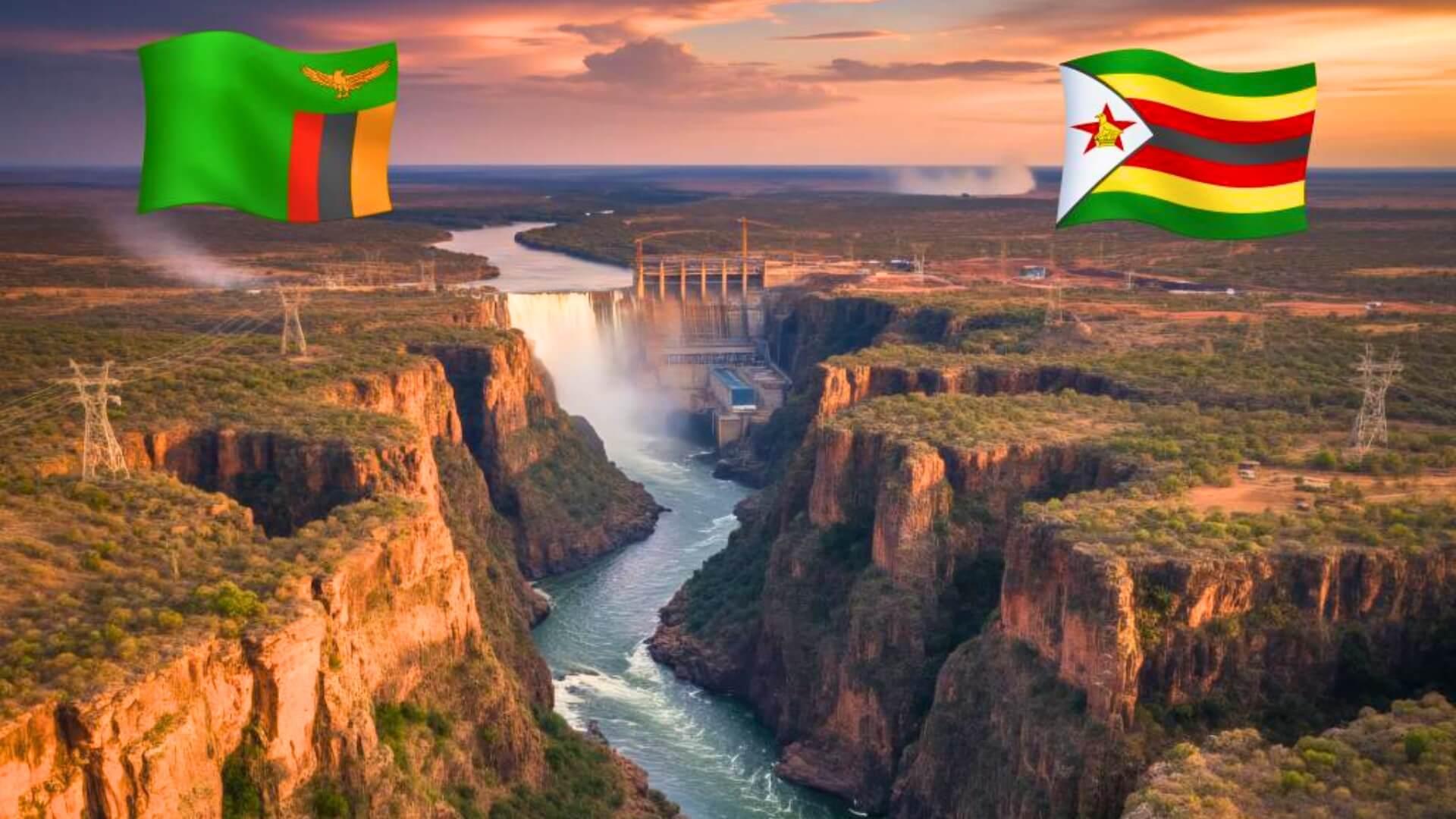
Zambia and Zimbabwe have jointly committed $440 million to unlock the long-stalled Batoka Gorge Hydropower Project. If realised, the 2,400 MW facility could reshape regional energy security and propel Southern African renewable infrastructure.
Victoria Falls — VICTORIA FALLS, ZIMBABWE — 2026-01-09 — Zambia and Zimbabwe have each pledged $220 million in equity — a combined $440 million — to accelerate the long-delayed Batoka Gorge Hydroelectric Power Station on the Zambezi River, in a strategic move aimed at strengthening regional energy security and reviving one of Southern Africa’s largest planned renewable power projects, multiple energy and regional news outlets report.
Updated 08:55 UTC
The committed funds are intended to improve the project’s bankability and attract additional private capital toward the estimated $4.2 billion, 2,400 MW facility, which is designed to supply 1,200 MW each to Zambia and Zimbabwe once completed.
A joint Zambezi River Authority council of ministers meeting approved the equity contributions and established a Resource Mobilisation Committee to secure further investment under a Public-Private Partnership framework. Engineering, feasibility, and environmental studies are underway with technical and legal advisory teams appointed to guide development.
Reactions
Officials and experts. Zambia’s and Zimbabwe’s energy officials have framed the equity commitment as a critical catalyst for unlocking financing from institutional and private investors, while enhancing the project’s prospects of reaching financial close. Regional energy analysts underscored that public equity injections are often decisive in advancing large infrastructure in markets where risk perceptions deter early-stage capital flows.
Regional and international. Southern African Power Pool entities have welcomed the move as reinforcing regional grid stability ambitions, with potential impacts on industrial growth and exportable power capacity. Development partners are reported to be watching closely as the project progresses toward broader stakeholder engagement.
Public sentiment. Social media commentary from local and diaspora communities reflects a mix of optimism about potential job creation and concerns about environmental and tourism implications tied to the Zambezi’s riverine ecology and Victoria Falls area.
Context & Significance
The proposed Batoka Gorge Hydroelectric Power Station—straddling the border between Zambia and Zimbabwe near Victoria Falls—has been in planning for decades and represents one of Africa’s most ambitious renewable power infrastructure projects.
With an envisaged capacity of 2,400 MW, the scheme could significantly expand electricity generation in a region historically challenged by supply deficits and grid instability.
The initiative aligns with broader continental energy goals under the African Union’s Agenda 2063 and the African Development Bank’s Sustainable Energy for All strategies, which prioritize cross-border power integration and renewable energy scaling to support industrialisation and socioeconomic development.
While the dam could position itself as one of Africa’s largest, it also faces scrutiny from environmentalists concerned about impacts on riverine ecosystems and the tourism sector around Victoria Falls, a UNESCO World Heritage site.
What’s Next
The Resource Mobilisation Committee will now engage potential lenders and strategic investors to bridge the financing gap and push the project toward construction. Updated timelines for financial close and groundbreaking works are expected later in 2026, contingent on securing long-term funding partnerships.
Staff
Contributing writer at Topping Africa.
0 Comments
No comments yet. Be the first to share your thoughts!