

Trial Resumes in Côte d’Ivoire for 2020 Kafolo Terrorist Attack
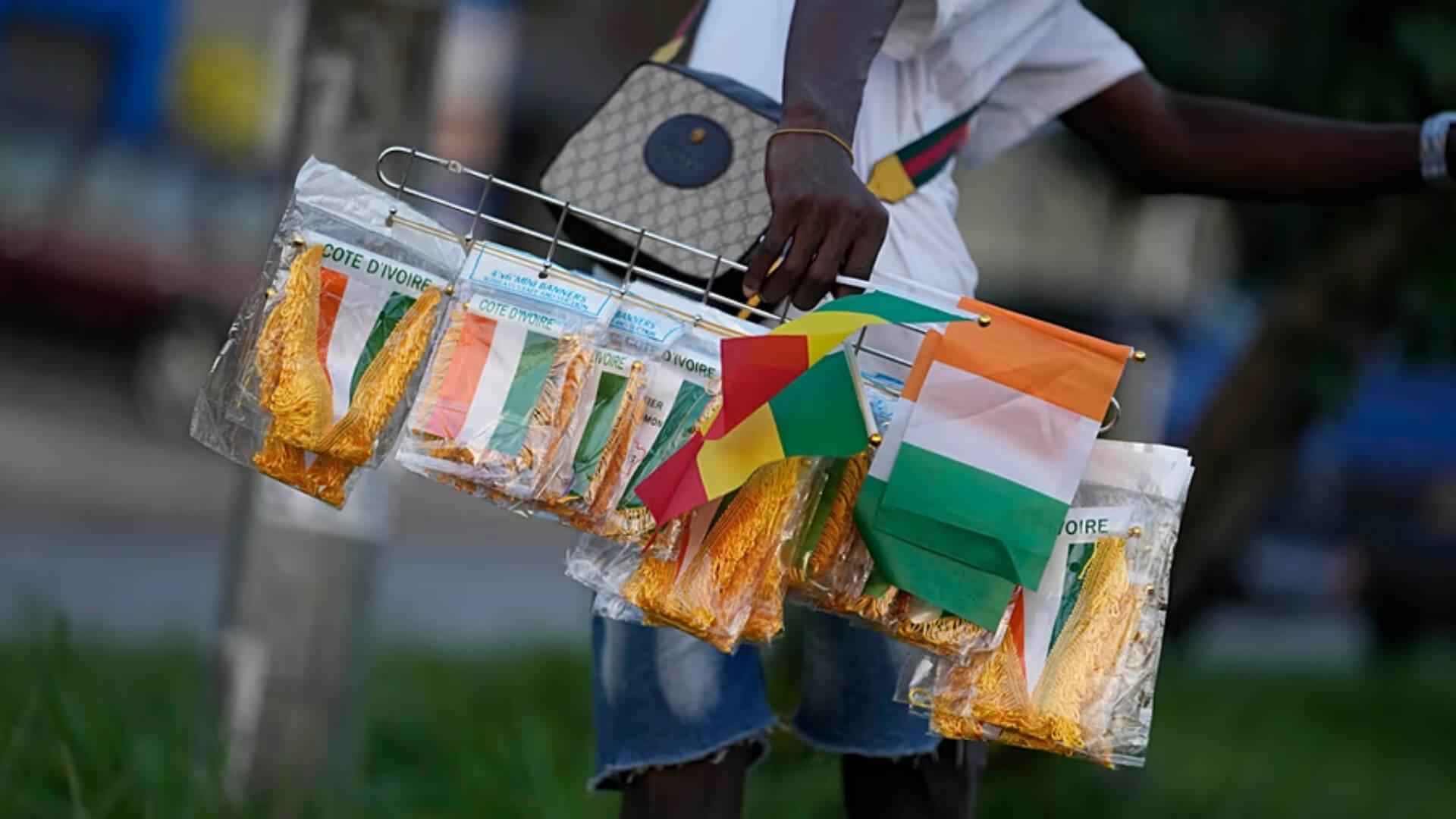
In Abidjan, the trial of 45 individuals charged in the 2020 Kafolo terrorist attack has resumed, with prosecutors seeking to clarify militant networks amid regional security concerns.
Photo credit: Africanews
ABIDJAN, Côte d’Ivoire — January 6, 2026, Updated 11:22 GMT — Judges and lawyers reconvened Monday in Abidjan’s Anti-Terrorism Court as the trial resumed for 45 defendants accused in a 2020 jihadist attack at Kafolo on the Burkina Faso border, a rare but serious militant assault that left 14 Ivorian soldiers dead.
The proceedings, closely watched by regional security analysts and legal observers, aim to deepen understanding of recruitment networks and militant linkages along a volatile Sahel frontier.
Prosecutors allege that the accused either participated in or assisted the assault, which came weeks after Ivorian and Burkinabe forces destroyed a jihadist base in adjacent Burkina Faso. Among the accused are individuals identified as alleged unit leaders and facilitators.
Defence lawyers have emphasised that some defendants were detained only on circumstantial evidence or familial association, underscoring the legal complexities of prosecuting terrorism cases.
Domestic and international counterterrorism experts say the case is significant because Côte d’Ivoire has largely avoided the widespread jihadist attacks seen in neighbouring Mali, Niger, and Burkina Faso. The 2020 Kafolo incident marked one of the first high-profile incursions into Ivorian territory by militants linked to Sahel-based groups such as Jama’at Nusrat al-Islam wal-Muslimeen (JNIM) — an affiliate of Al-Qaeda that has expanded operations across the region.
The hearing was adjourned and is scheduled to resume on January 19, with the prosecution expected to present additional evidence aimed at mapping broader militant networks and potential third-party assistance. Security officials say establishing these connections could inform future operations and preventive strategies along contested border zones.
Reactions & Regional Context
Regional counterterrorism analysts view the trial as a marker of strengthening judicial capacity in West Africa’s fight against militancy. “This case could help clarify how jihadist cells operate at border junctions and how they exploit local vulnerabilities,” said an Abidjan–based security researcher.
Meanwhile, civil society legal advocates stress due process and transparency to ensure the legitimacy of convictions and community trust.
Neighbouring countries have faced repeated attacks from armed groups with shifting allegiances, and governments have been compelled to balance military operations with engagements on governance and development to mitigate radicalisation.
The Kafolo trial emerges against this backdrop of rising concern about the transnational reach of Sahel insurgencies and the necessity of prosecuting alleged perpetrators under robust legal standards.
Significance
While the Sahel’s unstable security landscape remains a top priority for African Union and ECOWAS policymakers, the resumption of the Kafolo trial reflects a broader push to use judicial mechanisms as part of integrated responses to terrorism.
Successful prosecution and clear legal precedent can reinforce deterrence, signal state capacity, and contribute to community confidence in the rule of law — critical ingredients for long-term stability in borderland regions.
Staff
Contributing writer at Topping Africa.
0 Comments
No comments yet. Be the first to share your thoughts!