
Top 7 African Creator Economy Trends to Watch in 2026
Africa's creator economy is exploding toward $7.2B by 2026, driven by short-form video, digital products, paid communities, and cross-border collaborations. Discover seven African creator economy trends that will shape how influencers, artists, and innovators build serious businesses across the continent.
African Creator Economy Trends: Why 2026 Is Your Breakout Year
The African creator economy trends you follow in 2026 will decide how far your influence goes and how much you earn. Moreover, Africa's digital creators now sit at the centre of culture, commerce, and technology. According to recent data, Africa's creator economy hit about $3.4 billion in 2024 and could reach $7.2 billion by 2026, with more than 4.8 million active creators across the continent.[1] Furthermore, this surge is driven by mobile-first audiences, better internet, and smarter payment tools that finally work for African realities.[1]
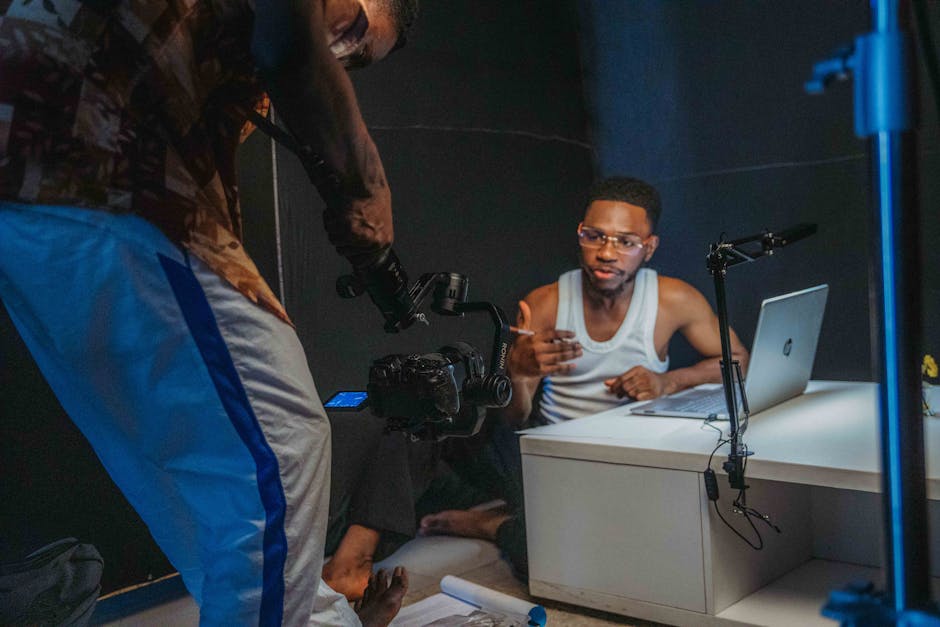
Consequently, if you create content in fashion, music, comedy, gaming, or tech, 2026 offers your best chance yet to build a real business. Additionally, short-form video, influencer storefronts, digital products, paid communities, and brand licensing are opening new revenue streams. In particular, African tech startups, payment platforms, and talent agencies now focus on creators as serious entrepreneurs, not just entertainers.[1] Ultimately, these seven trends will shape who wins and who gets left behind.
1. Short-Form Video Monetization Goes Mainstream Across Africa
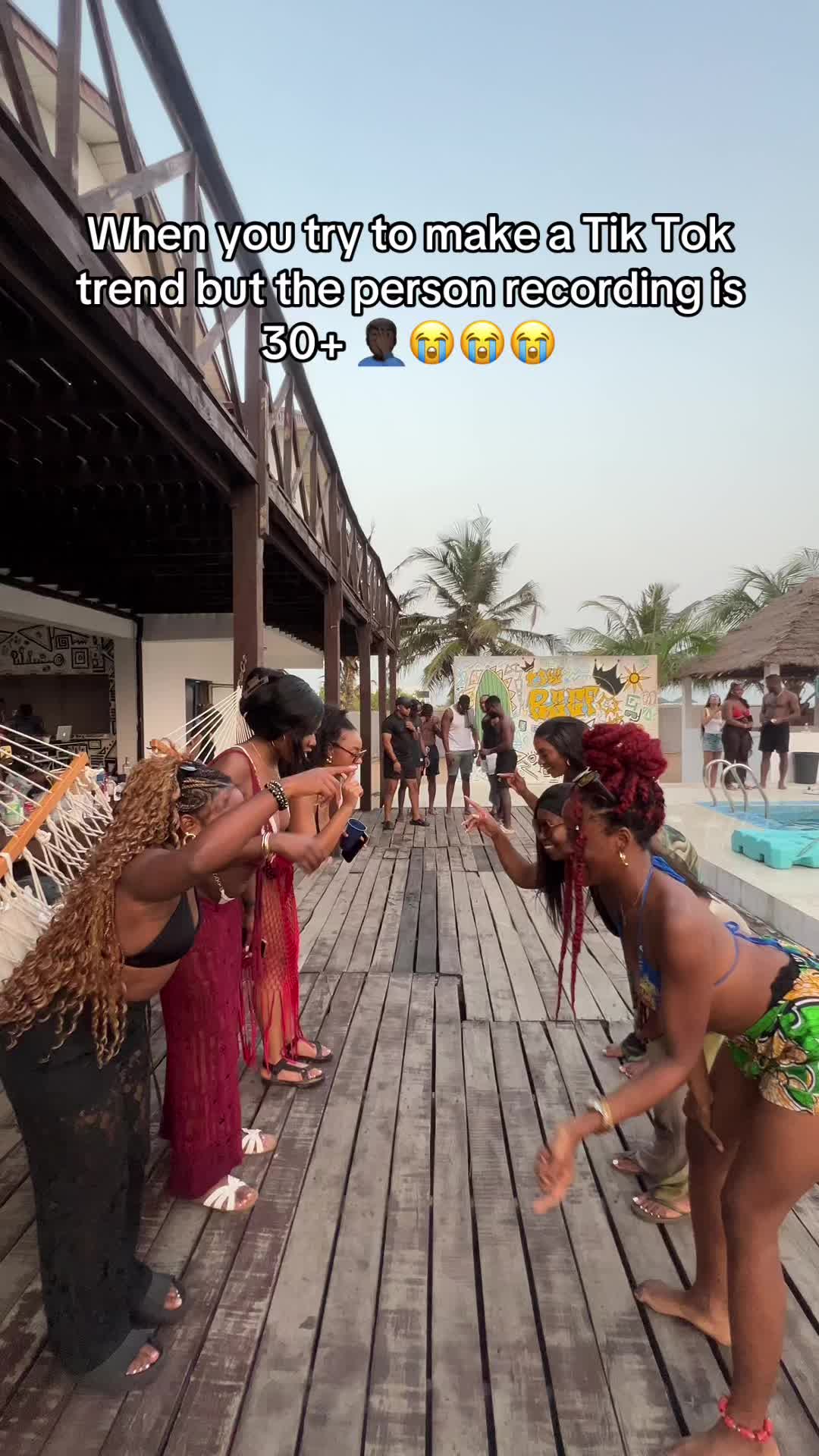
Short-form video is no longer a trend; it is the engine of the modern African creator economy. TechCabal and other industry reports show that video already drives close to 78% of creator revenue globally, with short clips under 60 seconds delivering far higher engagement.[1] Moreover, African audiences consume around 89% of creator content on mobile, which makes TikTok, YouTube Shorts, Instagram Reels, and Snapchat Spotlight prime real estate.[1]
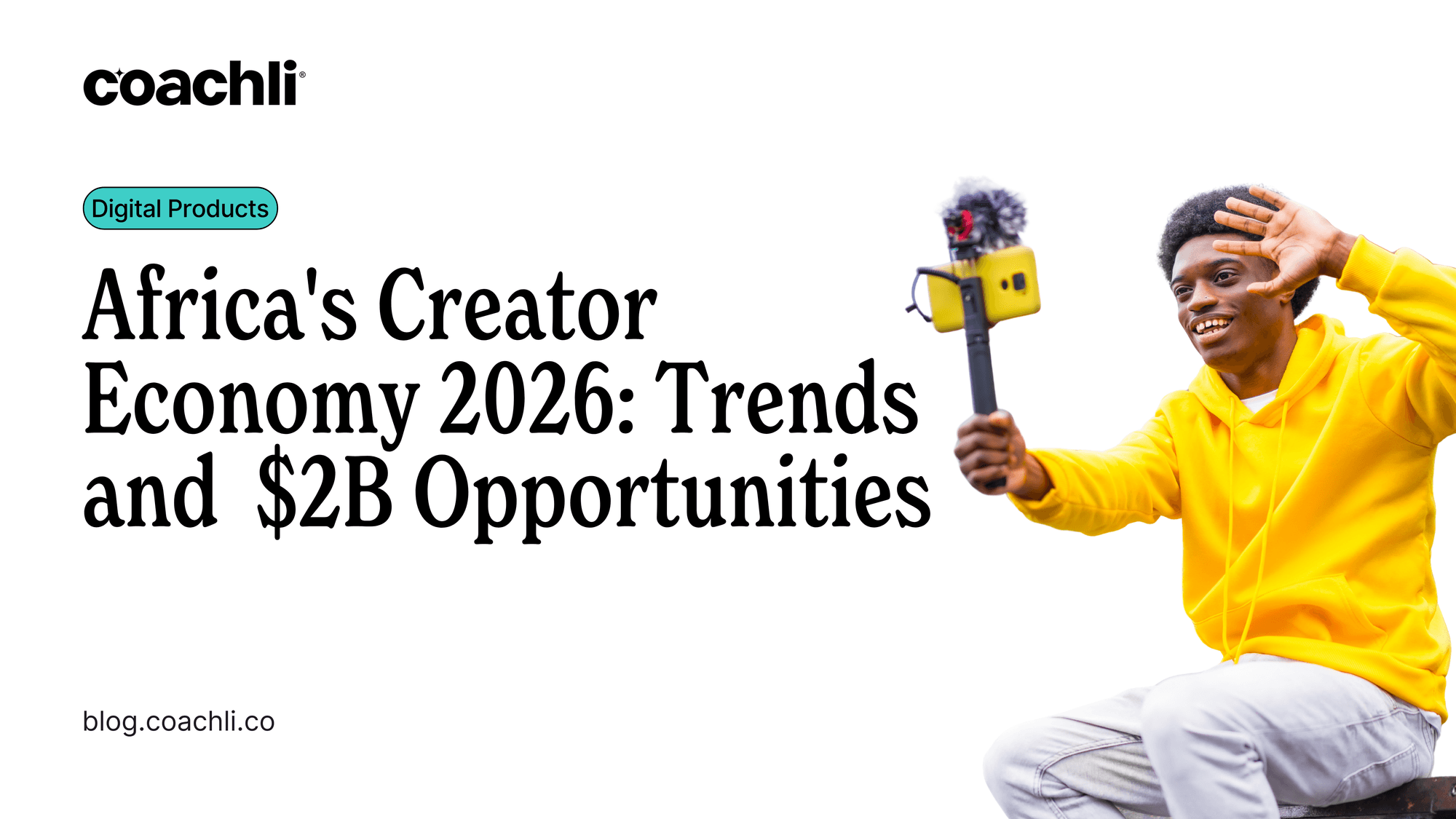
Furthermore, platforms now compete to reward you for that engagement. TikTok monetization tools, YouTube Partner Program for Shorts, and Instagram's brand partnership tools give African creators more ways to get paid. In addition, local startups like Ushawishi and other influencer marketplaces help match creators with brands and manage secure payouts.[5] Consequently, you can now earn from ad revenue share, brand deals, tips, live gifts, and shoppable content on the same short-form video.
Notably, Nigerian skit makers, Kenyan lifestyle vloggers, South African dance creators, and North African beauty influencers already reach millions with short clips. As a result, many creators launch careers on short-form video before expanding into podcasts, long-form YouTube, or live shows. Importantly, short-form content is also fuelling global recognition for Afrobeats, Amapiano, and East African drill, turning local trends into worldwide culture.
- Use platform-native tools: For instance, experiment with TikTok series, YouTube Shorts playlists, and Reels templates.
- Think vertical-first: Moreover, shoot and edit for mobile screens; avoid cluttered frames and weak audio.
- Mix entertainment and education: Additionally, combine humour, fashion, or music with how-tos, tips, or mini-tutorials.
- Plan for multi-platform: Consequently, repurpose one strong idea across at least two short-form platforms.
For deeper context on the rise of creators in Africa, you can explore recent ecosystem reports from TechCabal and the data-driven Africa Creator Economy Report.[1][3] Additionally, you can read more about broader continental trends via Africa News on Topping Africa.
2. Influencer Storefronts Turn Creators into Retail Powerhouses
Influencer storefronts are transforming African creators from brand promoters into full retail partners. Instead of only posting brand photos, you now run curated digital shelves on platforms like Instagram Shops, TikTok Shop, Shopify, or local e-commerce players. Furthermore, African creators increasingly sell fashion, beauty, accessories, decor, and even tech gadgets through these personalised stores.[4]
Moreover, for top African earners, product sales already rank as the leading income source, accounting for nearly 29% of revenue.[4] Consequently, influencer storefronts let you capture that value rather than sending all the traffic to a brand's generic website. In particular, Nigerian fashion influencers, South African streetwear stylists, and Kenyan natural hair creators are building their own micro-retail empires.
In addition, African e-commerce and fintech startups are making storefronts easier to launch and scale. Payment platforms like Flutterwave, Paystack, and mobile money simplify cross-border and local payments for your followers.[1] As a result, you can serve audiences across Lagos, Nairobi, Accra, Johannesburg, and the diaspora without complex banking setups.
- Start with your strongest niche: For instance, focus on one category like streetwear, skincare, or home decor.
- Use affiliate and own-brand mixes: Additionally, blend commission-based products with your own branded items.
- Leverage live shopping: Moreover, host live product drops and Q&A sessions to boost conversion.
- Track creator-friendly platforms: Consequently, test which e-commerce partners offer the best margins and tools.
To stay inspired by African fashion and lifestyle trends, explore Culture & Lifestyle and Entertainment on Topping Africa. Additionally, you can discover how celebrities and influencers are shaping new retail models.
3. Digital Products Become the New Gold for African Creators
Digital products are quietly becoming the most powerful income stream in the African creator economy. Reports show that digital products and online courses now generate the highest per-creator revenue for many African creators, outperforming ads or one-off brand deals.[1][4] Furthermore, these products scale globally without inventory, shipping, or customs headaches.
Moreover, African audiences are hungry for practical knowledge, from content creation skills to coding, fashion design, music production, trading, and language learning.[1] As a result, creators across Nigeria, Kenya, Ghana, Egypt, and South Africa now sell e-books, editing presets, digital art, music sample packs, templates, and mini-courses. In particular, educational content earns up to three times more on average than pure entertainment content for many African creators.[1]
Consequently, if you build a loyal community, selling digital products can turn your influence into stable monthly income. Additionally, tech startups and learning platforms in Africa are partnering with creators to launch structured courses and bootcamps. Notably, this trend connects directly to Africa's booming digital-skills economy and young population.
- Identify recurring questions: For instance, turn your most asked DMs into a structured digital guide.
- Start with a simple product: Moreover, launch an e-book, checklist, or preset pack before building full courses.
- Bundle content: Additionally, offer product bundles that include videos, worksheets, and community access.
- Use local-friendly platforms: Consequently, choose tools that support mobile money, naira, shillings, or rand payments.
For broader business context and how African creators are turning into founders, you can explore Business & Economy and Technology on Topping Africa. Furthermore, you can explore case studies on creators building digital education brands.
4. Paid Communities and Memberships Build Reliable Monthly Income
Paid communities are one of the most important African creator economy trends for long-term sustainability. Instead of relying only on volatile brand budgets or algorithm shifts, you earn directly from superfans every month. Furthermore, platforms like Patreon, Buy Me a Coffee, Discord memberships, Substack, and local community tools give you flexible ways to build these private spaces.
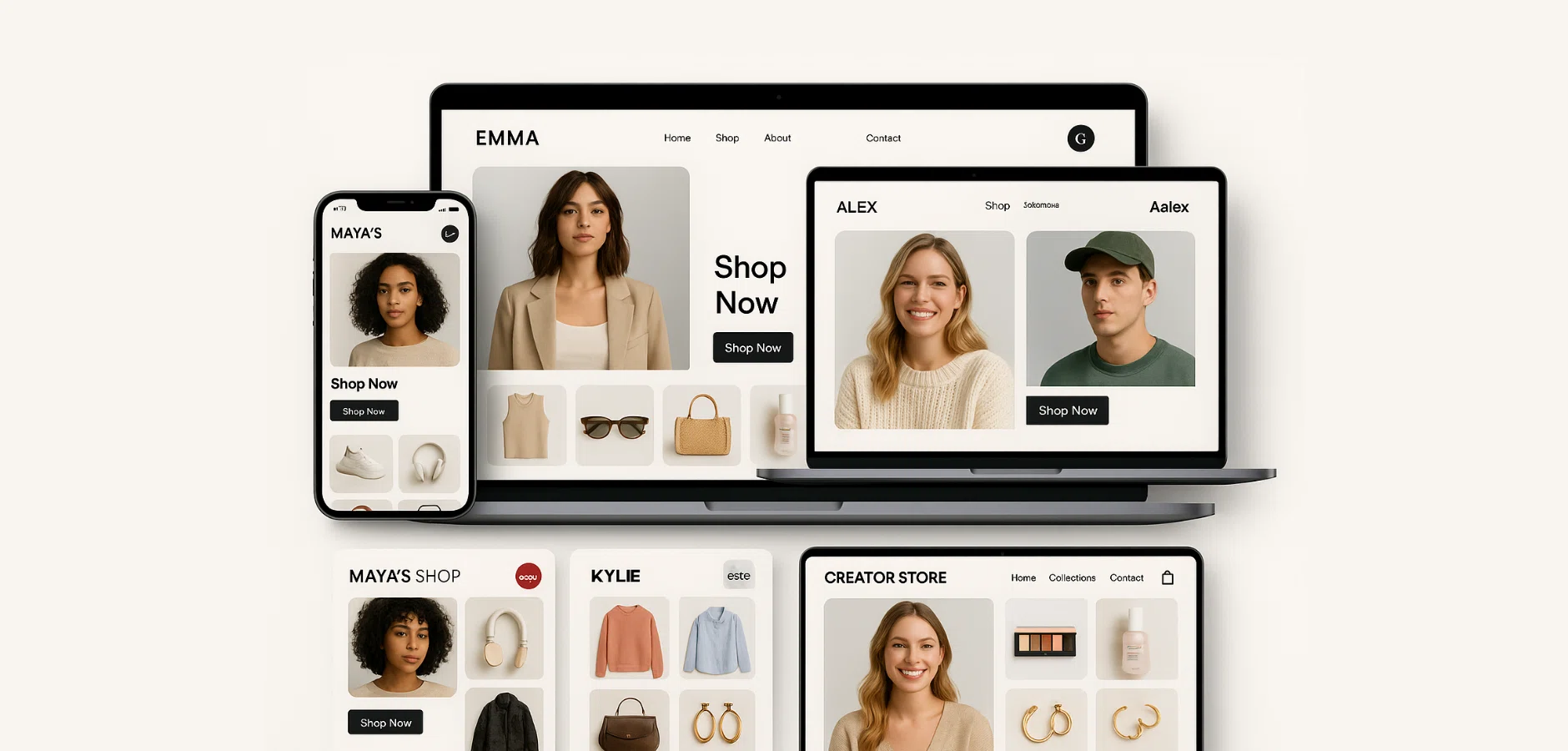
Moreover, African creators now run paid communities around creative skills, career growth, entrepreneurship, wellness, and niche interests like gaming, photography, and crypto. For instance, some Kenyan YouTubers run members-only Telegram or WhatsApp groups with exclusive tutorials. Additionally, Nigerian music producers offer private beat critique sessions and feedback communities for up-and-coming artists.
Consequently, paid communities help you deliver deeper value than public content. Members often pay for direct access, accountability, early drops, or mentorship. Notably, this model aligns well with Africa's relationship-driven culture, where trust and personal connection matter.
- Define a clear promise: For instance, position your community around a specific outcome, not just "access".
- Offer layered value: Moreover, mix live sessions, resources, feedback, and networking.
- Use local chat tools: Additionally, build the core experience on platforms audiences already use, like Telegram or WhatsApp.
- Price for your market: Consequently, test tiers that work for both local fans and diaspora supporters.
For further insights on how African creators are shaping culture, identity, and lifestyle through communities, you can read more in Culture & Lifestyle and Opinion & Editorial on Topping Africa. Additionally, you can explore how communities fuel both influence and impact.
5. Brand Licensing and IP Deals Turn Creators into Media Owners
Brand licensing is moving from Hollywood to Africa's streets, studios, and timelines. Instead of only promoting campaigns, leading African creators now negotiate intellectual property (IP) deals around their characters, shows, art, or logos. Furthermore, for top-tier creators, licensing deals can rival or exceed traditional brand sponsorships.[4]
Moreover, consider how African music stars now license their songs for gaming, film, and international ads. Fashion creators collaborate on capsule collections. Cartoonists and animators license characters for merch, kids' content, and educational projects. Consequently, creators are turning their personas and ideas into long-term assets, not just one-off posts.
Additionally, the growth of global interest in African culture helps. Afrobeats, Amapiano, Nollywood, African streetwear, and digital art are attracting international studios and brands. As a result, creators with strong visual identity, repeatable formats, or clear storytelling worlds are especially well-positioned to secure licensing deals.
- Protect your IP early: For instance, register logos, trademarks, and key creative properties where possible.
- Think beyond endorsements: Moreover, pitch licensing deals for animations, music, art, or characters.
- Document your formats: Additionally, structure your show ideas or series into pitch-ready decks.
- Seek legal and business advisors: Consequently, work with professionals to negotiate fair licensing terms.
To discover how African celebrities and creators turn influence into long-term IP, explore Entertainment and Music on Topping Africa. Furthermore, you can explore more stories about African innovation in media and branding.
6. B2B Creator Services: From Influencer to Consultant
One of the fastest-growing but less visible trends is the rise of B2B creator services. Instead of only selling to fans, African creators now sell skills, insights, and production capacity to brands, startups, and agencies. TechCabal notes that business-focused creators often earn more than consumer-only creators, yet they remain a smaller share of the ecosystem.[1]

Furthermore, brands need help with content strategy, video production, social media management, community building, and culture insights. As a result, experienced creators are launching mini-agencies, production studios, creator-led consultancies, and training programs. Moreover, African tech startups, fintech companies, and e-commerce platforms especially rely on creators to localise their storytelling.
Additionally, B2B services fit naturally with creators who already understand trends, platforms, and audience behaviour. You may start by helping one brand with TikTok content, then build it into a full service line. Consequently, this shift turns you from influencer to strategic partner.
- List your services clearly: For instance, package content strategy, video production, or community management as offer tiers.
- Create case studies: Moreover, document before-and-after results for brands you help.
- Leverage your own success: Additionally, use your channels as proof of what you can do for clients.
- Network with startups: Consequently, connect with founders and marketers at tech events and online communities.
For more on how African startups and creators collaborate, you can explore Technology and Business & Economy on Topping Africa. Furthermore, you can read more about technology-driven business models that creators are helping to shape.
7. Pan-African Collaborations and Cross-Border Monetization
Pan-African collaboration might be the most exciting of all African creator economy trends going into 2026. Creators from Nigeria, South Africa, Kenya, Ghana, Egypt, and beyond are working together more than ever. Furthermore, reports suggest that cross-border collaborations can boost creator revenue significantly compared to single-country strategies.[1]

Moreover, better payment infrastructure, multi-currency wallets, and cross-border fintech tools make it easier to get paid across the continent.[1] As a result, creators join forces on podcasts, music projects, skit universes, fashion drops, and live tours. In particular, social platforms amplify this by recommending regional content across borders, not just within countries.
Additionally, collaborations unlock new audience segments and stronger bargaining power with brands. A Nigerian and South African creator co-hosting a show can reach advertisers from both markets. Consequently, you diversify revenue, share production costs, and learn new styles and perspectives.
- Map your dream collabs: For instance, list five creators from other African countries you want to work with.
- Start with small projects: Moreover, test joint challenges, co-produced videos, or cross-promotions.
- Leverage events and festivals: Additionally, use music, fashion, and tech events as networking hubs.
- Plan revenue splits: Consequently, agree on clear revenue-sharing models before you launch joint projects.
To discover new voices shaping this pan-African wave, you can explore Entertainment, Music, and Sports coverage at Topping Africa. Additionally, you can explore more about how crossover moments are turning African creators into global names.
Rising African Creators and Startups Powering the Trend
Ultimately, the most important story behind these trends is the people and platforms making them real. Across the continent, rising African content creators in comedy, beauty, gaming, photography, and tech reviews are building loyal communities and new business models. Furthermore, African tech startups focused on influencer marketing, creator payments, and digital education now see creators as key partners, not side users.[5]
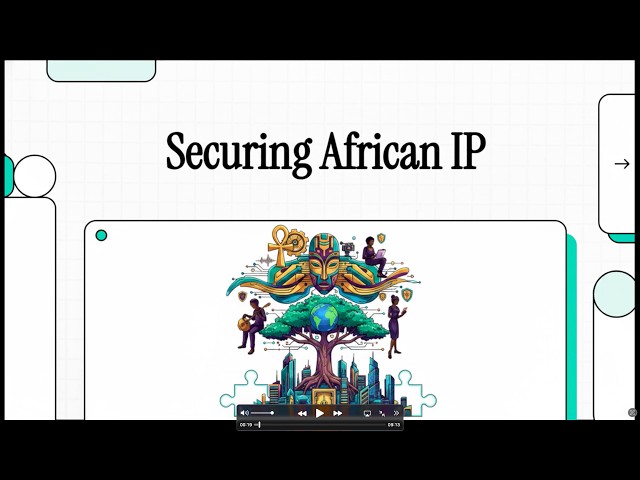
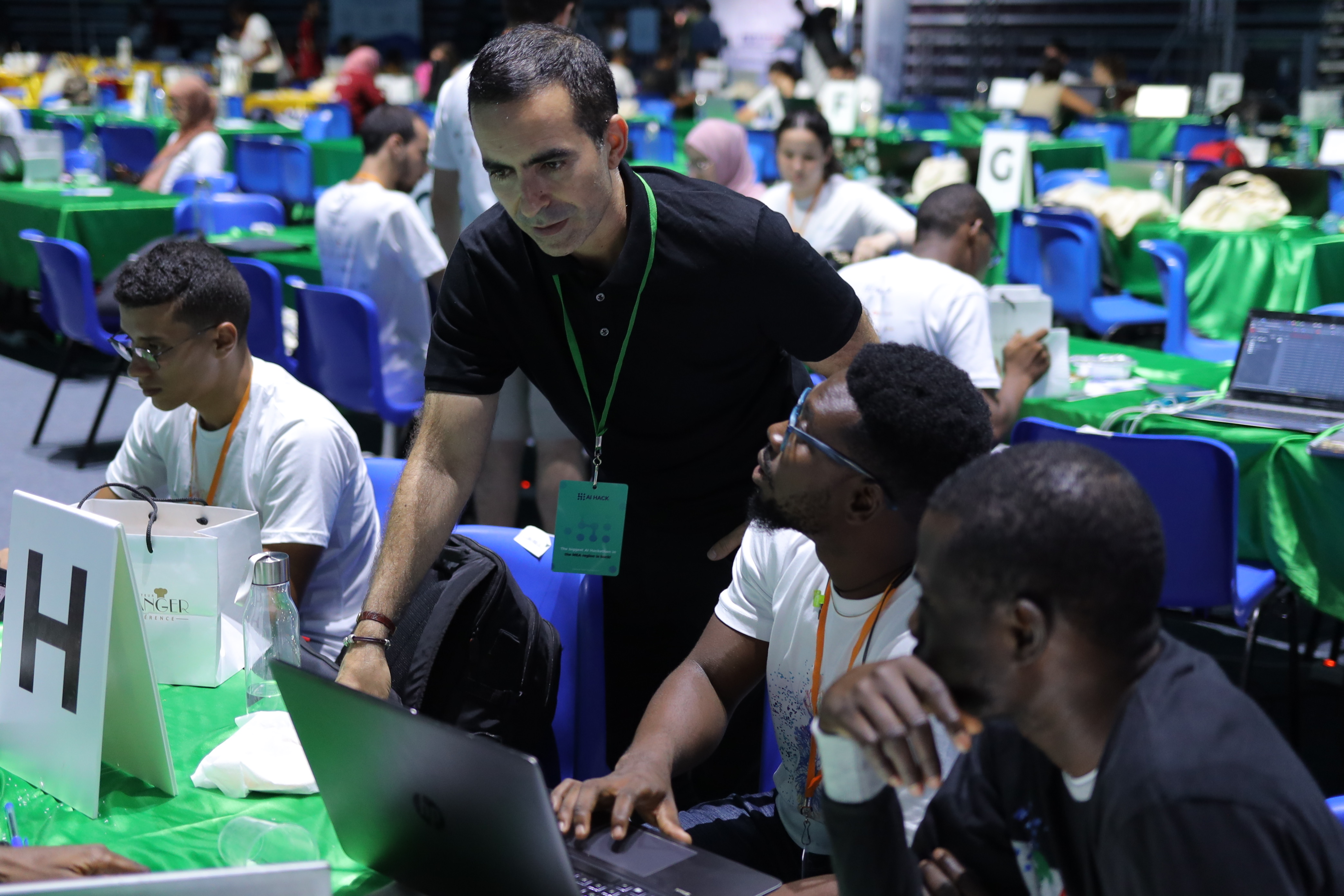
Moreover, young creators in cities like Lagos, Nairobi, Accra, Johannesburg, Kigali, and Cairo now treat content creation like a serious career. Many build teams, hire editors, add managers, and work with lawyers to manage deals. Additionally, creator-focused platforms and agencies support discovery, campaign management, and analytics so brands can invest with confidence.[1][5]
Consequently, the African creator economy ties directly into youth employment, digital skills, and cultural exports. When creators thrive, they move beyond influence to launch companies, fashion labels, studios, and tech ventures. Notably, this positive innovation shifts the narrative around Africa from aid to creativity, entrepreneurship, and global cultural power.
Explore More on Topping Africa
If you want to discover more success stories, insights, and opportunities, Topping Africa covers the creator economy from every angle. Furthermore, you can explore more, subscribe, and share your thoughts with other readers.
- Entertainment – Coverage of African celebrities, influencers, and viral culture shaping the continent.
- Technology – Stories on African tech startups, creator tools, and platforms powering digital growth.
- Business & Economy – Analysis of how creators are building companies, brands, and sustainable income streams.
How You Can Ride These African Creator Economy Trends in 2026
As you look ahead to 2026, you do not need to chase every new platform or tactic. Instead, you can choose two or three of these African creator economy trends and build a focused strategy. Furthermore, you can combine short-form video, digital products, and a paid community into a powerful business stack.
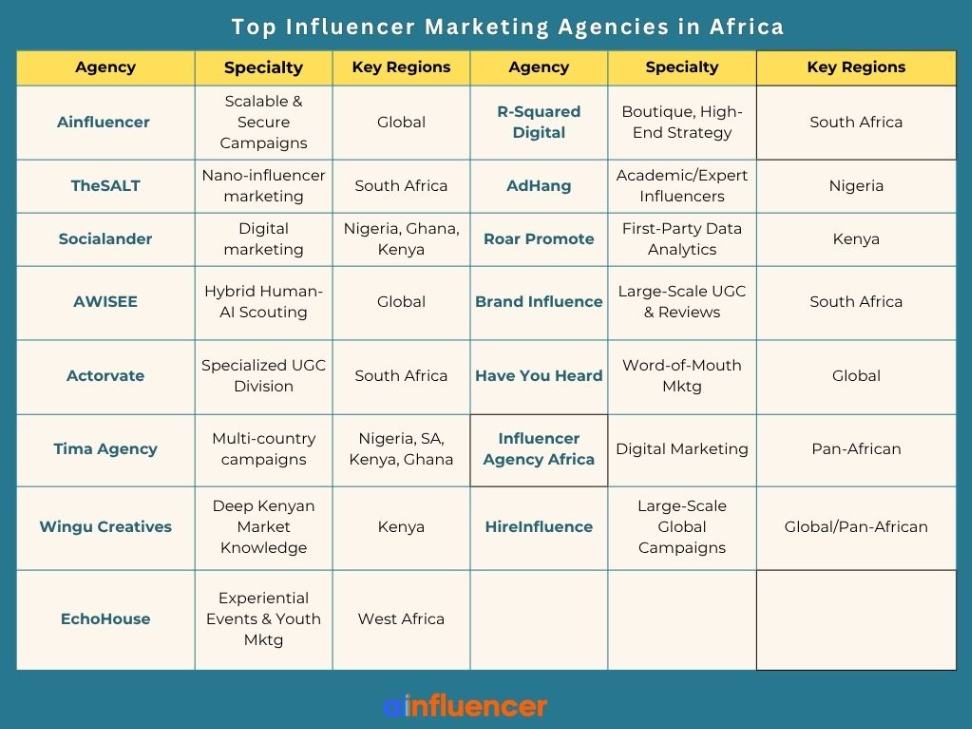
Moreover, you can track data, learn from leading African creators, and follow reports from sources like TechPoint Africa, TechCabal, and the Africa Creator Economy Report.[1][3][4] Consequently, you stay ahead of shifts in monetization, audience behaviour, and brand demand. Additionally, you can read more about these shifts in the Africa News and Technology sections of Topping Africa.
Ultimately, the next wave of African creator success stories will come from those who see themselves as builders, not just influencers. If you treat your content like a product, your audience like a community, and your ideas like IP, you position yourself for long-term growth. So, explore these trends, experiment with new revenue streams, and share your journey – Africa is ready to watch.

Staff
Contributing writer at Topping Africa.
0 Comments
No comments yet. Be the first to share your thoughts!