
Top 15 African Tech Startups Redefining Mobility, Payments and Energy in 2026
Africa’s top tech startups in 2026 are redefining mobility, payments and energy across the continent. Discover 15 high-impact ventures like Spiro, Flutterwave and M-KOPA that are powering creators, logistics and clean-tech for a new African lifestyle.
Introduction: Meet the Top African Tech Startups 2026
Moreover, when you look at the top african tech startups 2026, you are not just reading a funding table. You are watching a new generation of African builders redesign how you move, pay, and power your life. Furthermore, these founders are turning everyday pain points in transport, payments, and energy into bold digital products. In addition, many of them already influence culture the way musicians and celebrities do, shaping how millions of Africans live and work. Ultimately, this guide helps you discover the stories behind the numbers and spot the next African tech champions before everyone else.

Additionally, this list focuses on three big themes that matter to you right now: clean mobility, digital payments, and distributed energy. However, you will also find health-tech, logistics, and AI startups creating real impact on the ground. In particular, companies like Spiro, Flutterwave and M-KOPA are now household names, while newer players like Gigmile and Keep IT Cool are fast becoming ecosystem favourites[9][5][11]. Consequently, if you care about African innovation, influencer culture and the rise of tech-driven success stories, these are the startups you should know in 2026.
Clean Mobility & Energy: Electric Motorcycles, Cold Chains and Smart Grids
Spiro – Building Africa’s Electric Motorcycle Super Network
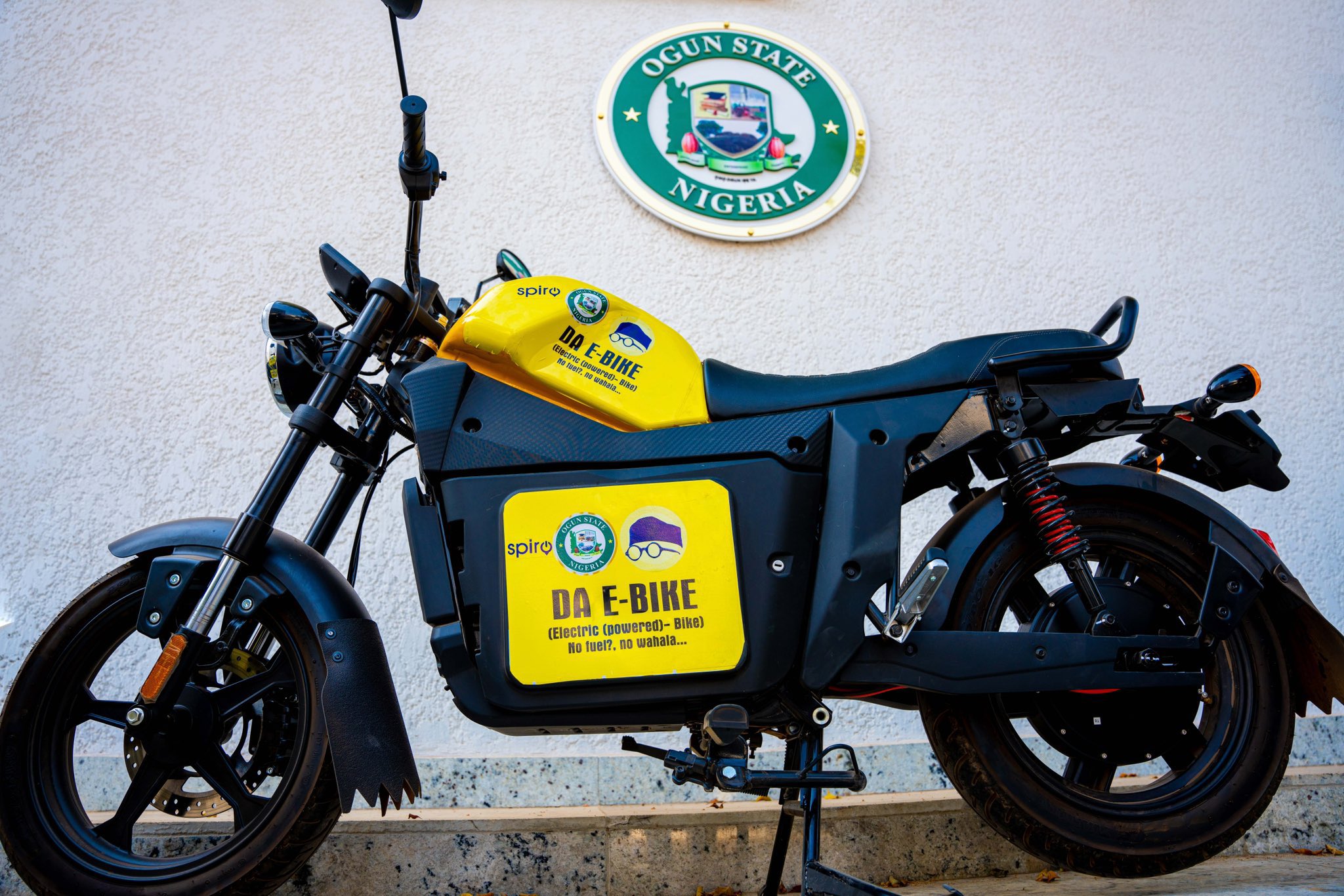
Furthermore, if you follow mobility influencers and tech creators on Instagram or TikTok, you have likely seen Spiro’s bright battery-swap stations. According to recent ecosystem reports, Spiro is Africa’s largest electric vehicle company, focused on electric motorcycles and a continent-wide battery-swapping network[9]. Moreover, the startup operates in countries like Nigeria, Kenya and Rwanda, with tens of thousands of EVs already on the road[9]. In addition, Spiro’s model gives riders predictable costs, less maintenance, and zero tailpipe emissions, which matters in cities choked with traffic and fumes.
Importantly, Spiro is not just selling bikes; it is building infrastructure. Therefore, every swap station becomes a content moment as riders film their experience and share it online, turning mobility into lifestyle. Additionally, Spiro’s rise mirrors the way African music stars turned local sounds into global trends, proving that African-born innovation can lead in future mobility[9]. If you want to understand where African transport is headed, you should keep Spiro on your radar and read more about green innovation on Technology.
Koolboks – Off-Grid Solar Refrigeration for Food and Pharma
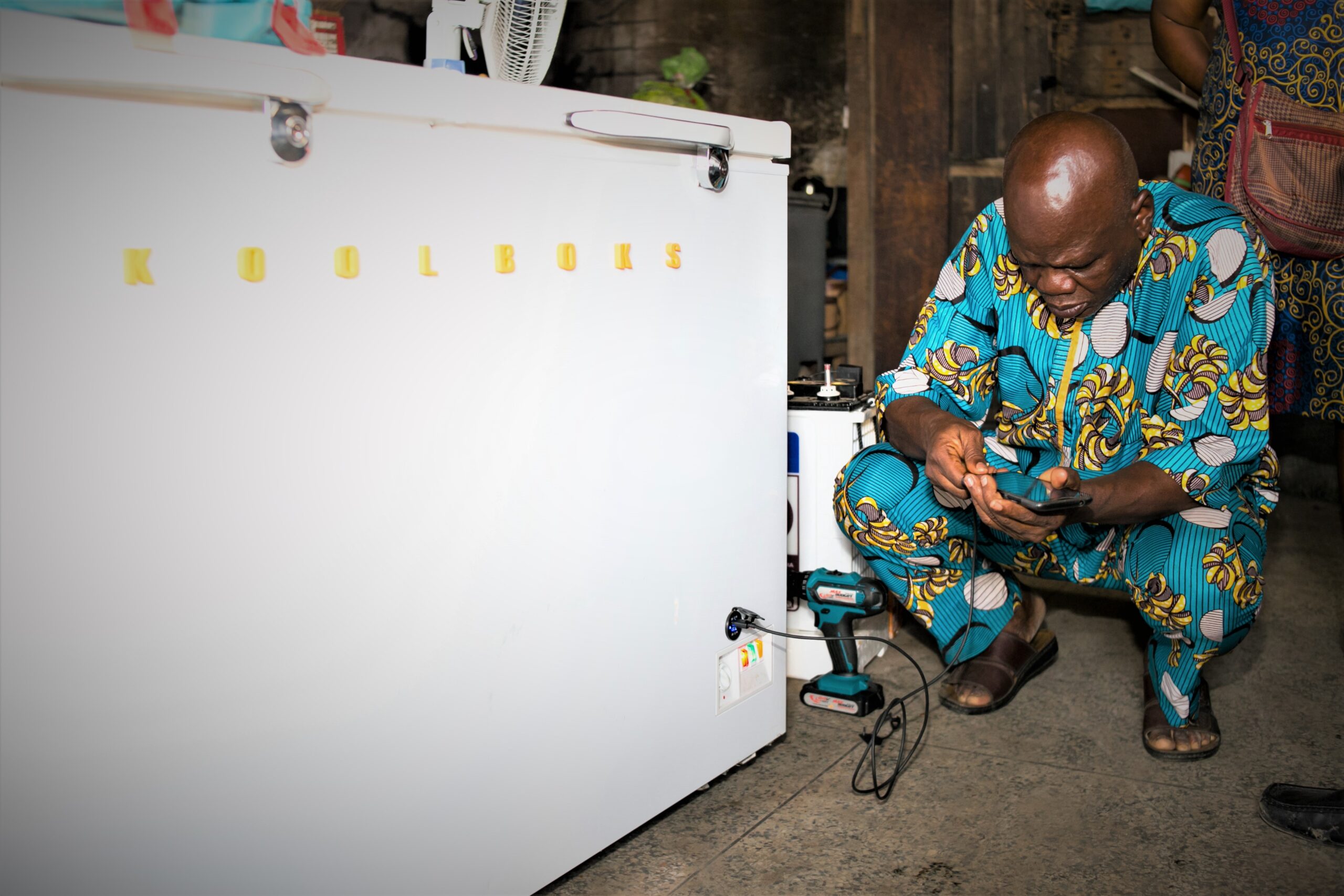
Moreover, cold storage is one of Africa’s least glamorous but most powerful innovation stories. Koolboks, highlighted in Bloomberg’s watchlists and regional rankings, builds solar-powered refrigeration units for food and medical supply chains[10][11]. Additionally, the company helps small retailers, farmers and clinics keep products cool without relying on unstable grid power or expensive diesel. Consequently, this off-grid solution supports food security, reduces waste, and opens new income streams in rural and peri-urban communities.
Furthermore, Koolboks embodies the kind of positive African innovation that rarely hits mainstream headlines. For instance, entrepreneurs and content creators now showcase Koolboks-powered businesses on YouTube and TikTok, turning impact into aspirational storytelling. In addition, this startup sits at the intersection of climate-tech, hardware and inclusive finance, and it deserves a spot among the top african tech startups 2026[10][11]. If you follow Business & Economy, you will see how solutions like Koolboks reshape trade and livelihoods.
Plentify – Smart Hot-Water Management for Grid Stability
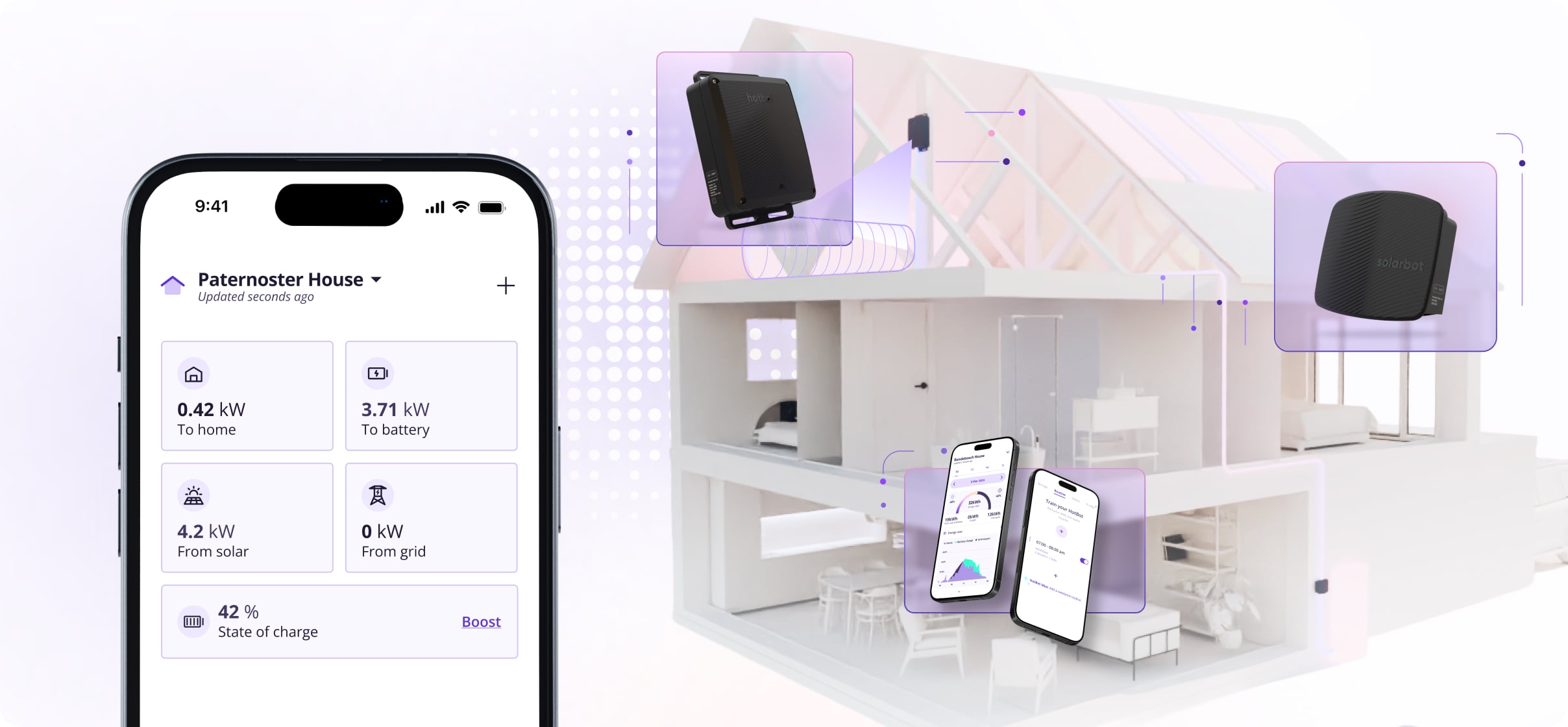
Similarly, South African startup Plentify takes a quiet but crucial piece of home energy and makes it intelligent. According to sector analyses, Plentify’s grid-aware hot-water system uses IoT and software to heat water when electricity is cheap or abundant, then store it for later use[11]. Moreover, this approach eases pressure on unstable grids and lowers energy bills for households and businesses. In addition, it shows how African engineers can turn everyday devices into smart infrastructure.
Ultimately, Plentify proves that clean-tech does not need to be flashy to be transformative. Furthermore, its work complements larger EV and solar players like Spiro and Koolboks, together building a more resilient energy ecosystem[9][10][11]. As a result, if you explore more climate and science stories on Science & Environment, you will see how these startups add up to a new African energy narrative.
Fintech & Payments: Super-Apps, Cross-Border Rails and Device Finance
Flutterwave – Pan-African Payment Rails for the Creator Economy
Additionally, no discussion of the top african tech startups 2026 is complete without Flutterwave. The Nigerian-born fintech has built one of the most important payment infrastructures for businesses and creators across the continent[8][11]. For instance, Flutterwave’s APIs and merchant tools allow fashion brands, musicians, YouTubers and SMEs to accept payments from around the world. Moreover, the company raised a major Series D round at a multi-billion-dollar valuation and has continued to attract growth financing, underscoring investor belief in its pan-African reach[8].
Importantly, Flutterwave sits at the heart of Africa’s influencer economy. Consequently, when a Kenyan creator sells merch to fans in Lagos or Accra, there is a good chance Flutterwave processes that payment. Furthermore, the company’s recent focus on remittances and cross-border commerce aligns with your reality as a digital native who earns, spends and collaborates across markets[8][11]. If you want to discover more fintech stories, bookmark Business & Economy and Technology.
M-Pesa & PalmPay – Everyday Mobile Money and Super-App Power
Moreover, mobile money remains one of Africa’s most iconic tech success stories. Kenyan-born M-Pesa showed the world how simple phone-based wallets can transform financial inclusion, and it continues to expand features and partnerships across East and Southern Africa[7][8]. Additionally, Nigeria’s PalmPay now plays super-app in West Africa, bundling payments, savings, airtime and rewards into a single, youth-friendly platform[11]. Therefore, these two players frame how millions of people experience digital finance daily.
Furthermore, creators and celebrities increasingly treat M-Pesa and PalmPay as part of their brand toolkit. For instance, musicians run ticket sales and merch drops through mobile money, while influencers launch campaigns tied to wallet rewards and bill payments. In addition, this seamless payment layer makes it easier for rising African content creators to reach fans and monetize their craft[7][11]. Ultimately, if you care about the future of African commerce and culture, you should watch how these apps blend finance, lifestyle and entertainment.
NjiaPay and Ezeebit – The Next Wave of Inclusive Fintech
Additionally, beyond the giants, a new generation of focused fintechs is emerging. South African startup NjiaPay builds digital payment tools tailored for small businesses and informal traders, aiming to close the gap between cash-heavy markets and modern rails[5]. Moreover, Ezeebit, also from South Africa, focuses on simple, plug-and-play payment acceptance for merchants who lack complex infrastructure[5]. As a result, both companies help micro-entrepreneurs join the digital economy without friction.
Furthermore, these startups show how African fintech is shifting from pure growth to practical usability. In particular, they serve entrepreneurs who post and sell on Instagram, TikTok and WhatsApp but still struggle with reliable checkout options. Consequently, NjiaPay and Ezeebit are likely to become important partners in Africa’s creator and SME landscape as they scale beyond their home markets[5]. If you explore more on Culture & Lifestyle, you will see how digital payments now sit inside everyday social content.
Logistics & Mobility Platforms: From Riders to Supply Chains
Gigmile – Financing and Managing Africa’s Gig Mobility Workforce
Moreover, African cities run on gig work, especially in transport and delivery. Nigerian startup Gigmile combines asset financing, fleet management and software to support ride-hailing and delivery workers who need motorcycles and cars to earn a living[5]. Additionally, the company has raised significant capital for such a young venture, demonstrating how investors now understand the importance of structured support for gig workers[5]. As a result, Gigmile offers riders affordable access to vehicles, predictive maintenance and data-driven performance tracking.

Furthermore, Gigmile sits in a powerful cultural moment. Importantly, many of the riders and drivers on these platforms are also content creators, sharing daily vlogs about traffic, tips and customer stories. Consequently, tools that make their businesses more reliable and sustainable also boost the quality of content and storytelling around urban mobility. In addition, Gigmile’s growth suggests we will see more tech platforms that treat gig workers as partners, not just users, in the African digital economy.
Yobante Express – Informal Logistics Turned Digital Network
Similarly, Senegal-based Yobante Express builds tech rails for Africa’s informal logistics scene[11]. Moreover, instead of copying Western courier models, Yobante connects existing bus routes, local agents and community hubs, then digitizes tracking, payments and customer service. Additionally, this approach lowers delivery costs and extends reach to towns and villages often ignored by traditional logistics firms[11]. Therefore, it turns informal transport into a structured, scalable network.
Furthermore, Yobante’s model fits perfectly with the rise of social commerce. For instance, fashion influencers and niche brands across West Africa use its services to ship products to followers who discover them on Instagram or TikTok. In addition, this kind of logistics innovation ensures that a viral post can turn into a real sale, no matter where the buyer lives. Ultimately, if you want to understand the infrastructure behind African influencer culture, Yobante is a name you should track.
Dodai – Electric Two- and Three-Wheelers for African Cities
Additionally, Ethiopian startup Dodai adds another layer to Africa’s clean mobility story. According to regional analyses, Dodai focuses on electric two- and three-wheelers built for urban transport and short-haul logistics[11]. Moreover, the company’s vehicles target high-usage segments such as delivery bikes and urban taxis, where fuel savings and lower maintenance create strong economic incentives. In addition, by electrifying these fleets, Dodai cuts emissions and noise pollution in crowded city centres.
Importantly, Dodai is part of a wider movement that includes Spiro and other EV players, all turning African mobility into a content-worthy lifestyle space[9][11]. Consequently, you now see riders filming electric journeys, battery swaps and charging experiences, turning infrastructure into aspirational storytelling. If you are keen to discover more future-of-mobility narratives, keep an eye on Africa News for ecosystem updates.
Health-Tech & AI: Digital Care, Diagnostics and Mental Health
Envisionit Deep AI – Radiology Intelligence for African Hospitals
Moreover, health-tech is one of the most quietly powerful parts of the African startup story. South African company Envisionit Deep AI builds AI-powered tools that help radiologists detect and interpret medical images more accurately and quickly[8][11]. Additionally, its solutions fit resource-constrained hospitals where specialist staff are scarce, improving patient outcomes without requiring massive infrastructure changes. Consequently, Envisionit Deep AI tackles both access and quality in healthcare.
Furthermore, the startup sits at the intersection of science, software and social impact. In particular, it shows how African engineers and clinicians can design AI from the ground up for local realities. As a result, Envisionit Deep AI deserves its place among the top african tech startups 2026, not only for its technology but for its focus on equitable care[8]. If you explore health innovation stories on Health & Wellness, you will see similar efforts across telemedicine and digital diagnostics.
hearX – Smartphone-Powered Hearing Care
Similarly, South African startup hearX uses smartphones and low-cost hardware to screen and support hearing health across Africa[9]. Moreover, its tools enable non-specialist health workers to run quick hearing tests and refer patients to specialists when necessary. Additionally, this model is critical in rural areas where audiologists are rare and travel costs are high[9]. Therefore, hearX turns everyday devices into powerful health tools.
Furthermore, hearX reflects a broader trend of mobile-first health innovation. In addition, its solutions can plug into creator-driven awareness campaigns, where influencers partner with health brands to promote screening and early intervention. Ultimately, as African celebrities become more vocal about health and wellness, startups like hearX will play a bigger role in turning advocacy into action.
10mg Health and Bwell – New-Generation Digital Health Platforms
Additionally, newer health-tech players like Nigeria’s 10mg Health and Egypt’s Bwell are gaining attention through innovation awards and accelerator programs[3]. Moreover, these startups aim to make clinical care more accessible and data-driven, using telemedicine, smart triage and digital records. In addition, they are part of a cohort recognized in AfricaTech Award lists for tackling urgent health challenges with scalable software[3]. Consequently, they signal a fresh wave of health-tech that is less about hype and more about practical delivery.
Furthermore, as African content creators increasingly cover wellness, fitness and mental health, platforms like 10mg Health and Bwell can become important partners. For instance, creators can host live Q&A sessions with doctors or share patient-friendly explainers powered by these tools. Therefore, health-tech is not just a clinical story; it is a cultural one that blends with lifestyle, sports and entertainment.
Climate, Retail-Tech & AI Infrastructure: Building the Next Layer
Keep IT Cool – Climate-Tech for Africa’s Food Chains
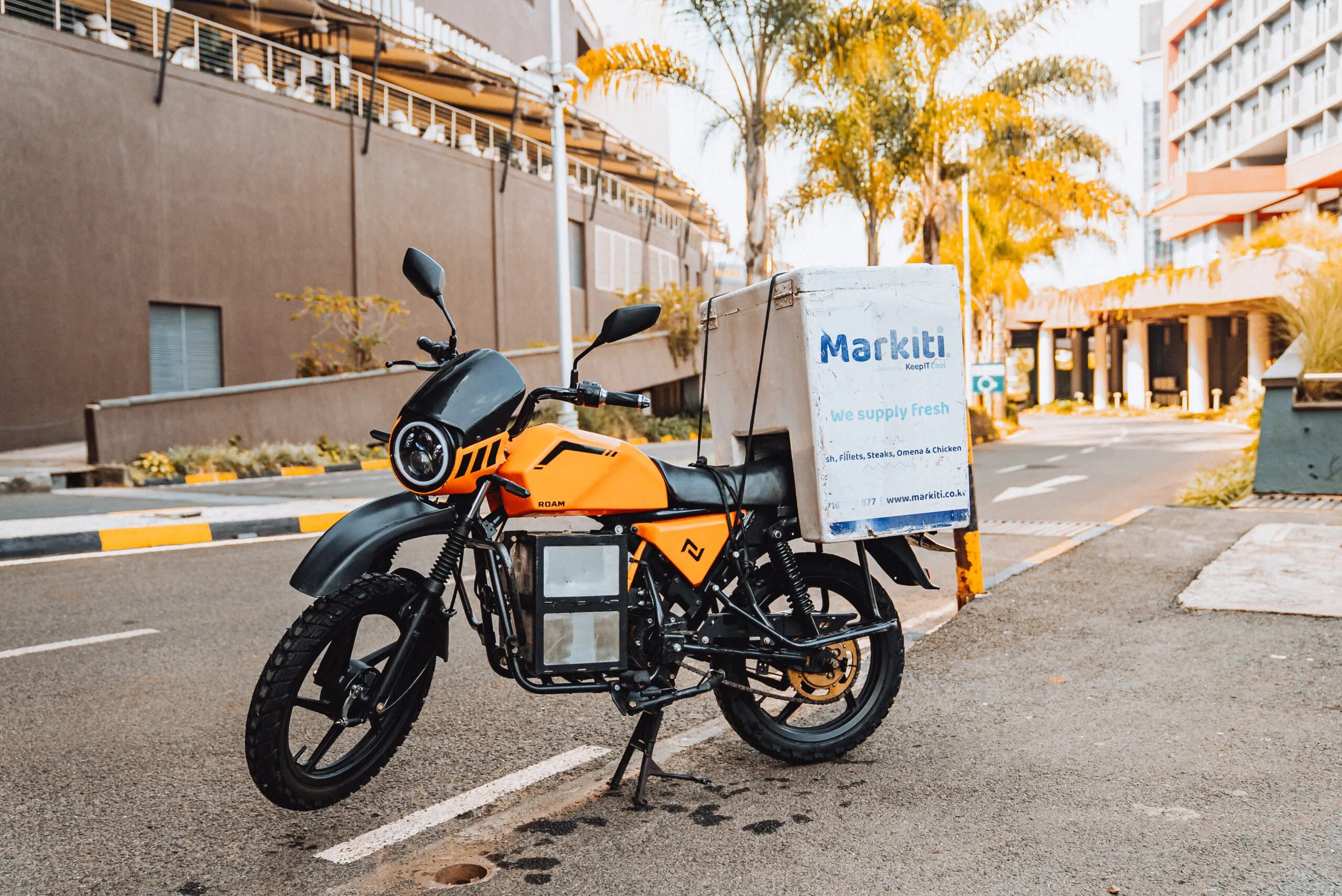
Moreover, Ghana-based Keep IT Cool, an Earthshot Prize winner, is redefining cold-chain logistics for fresh produce and perishables across West Africa[6]. Additionally, the startup offers modular cooling units and logistics services that help farmers and traders reduce spoilage and extend shelf life. Consequently, this improves incomes, stabilizes prices and enhances food security for urban consumers[6]. In addition, Keep IT Cool represents a climate-tech story that is deeply African in both problem and solution.

Furthermore, the startup’s recognition on global stages proves that African innovation can win top-tier sustainability awards. For instance, Earthshot coverage has turned its founders into role models who inspire young tech and climate influencers to pursue similar paths[6]. Ultimately, if you explore more sustainability narratives on News & Updates, you will see how climate-tech and agri-tech startups are quietly reshaping the continent.
Omniretail – Rails for Informal Retail and Social Commerce
Additionally, Nigeria’s Omniretail gives informal retailers and small shops access to structured supply chains through digital platforms[8][11]. Moreover, it allows traders to order inventory, access credit and track performance, replacing fragmented and unpredictable sourcing with reliable, data-driven systems[8]. In addition, this type of retail-tech directly supports the thousands of micro-businesses that power African streets and online marketplaces.
Furthermore, Omniretail aligns strongly with influencer culture. For instance, fashion and beauty creators often rely on small shops to stock and ship products to fans, and better supply chains mean better customer experiences. Consequently, as African creators build their own brands, platforms like Omniretail will be central to how they manage inventory and grow revenue[8]. If you want to discover more retail-tech stories, explore Business & Economy regularly.
Ubiquity AI and PipeOps – Invisible Infrastructure for the AI Era
Moreover, not all impact startups are visible to end consumers. South African startup Ubiquity AI and pan-African dev-tools company PipeOps focus on AI and cloud infrastructure respectively, helping other startups and enterprises deploy intelligent applications faster[3][6]. Additionally, they offer tools for data processing, model deployment and backend automation, enabling product teams to ship features without building everything from scratch[3][6]. Therefore, they act as force multipliers across the ecosystem.

Furthermore, these infrastructure players underpin visible success stories in mobility, payments and health. In addition, as creators experiment with AI-powered content tools, recommendation engines and fan analytics, companies like Ubiquity AI and PipeOps will quietly support that experimentation. Ultimately, the future of African tech depends on such behind-the-scenes platforms as much as on the front-end apps you see every day.
Explore More on Topping Africa
Additionally, if you want to dive deeper into the stories behind these top african tech startups 2026, you should explore more categories on Topping Africa. Moreover, each section gives you a different lens on how innovation meets culture, entertainment and everyday life.
- Technology – In-depth features on African startups, product launches and ecosystem trends.
- Business & Economy – Analysis of funding rounds, market moves and economic impact.
- Culture & Lifestyle – Stories where tech meets music, fashion, influencers and celebrities.
Furthermore, you can discover more lists on rising African content creators, top influencers from Nigeria, Ghana and Kenya, and detailed explainers on how startups like Spiro and Flutterwave power your favourite digital experiences. In addition, we invite you to share your thoughts, suggest startups we should track next, and leave a comment below when this story appears on Topping Africa.
Conclusion: Why These 15 Startups Matter for You
Ultimately, the top african tech startups 2026 are more than names on a chart; they are the backbone of a new African lifestyle. Moreover, they enable creators to earn across borders, fans to pay seamlessly, riders to move cleanly, and families to access better health and energy. Additionally, they prove that African innovation is not just catching up with global trends but setting new ones in fintech, mobility and climate-tech[8][9][11].
Furthermore, as you follow your favourite musicians, influencers and entrepreneurs online, remember that many of their wins rely on the infrastructure built by the startups highlighted here. In addition, if you explore, discover and read more about these companies, you will understand how deeply tech now shapes African culture, opportunity and aspiration. Ultimately, this is your moment to watch, invest in, work with or even build the next big name on lists like this.

Staff
Contributing writer at Topping Africa.
0 Comments
No comments yet. Be the first to share your thoughts!