
The New Wave of African AI Startups Solving Local Problems
African AI startups are building practical tools for farms, clinics, small businesses, and local language users. This story-driven guide profiles the new wave of homegrown innovators turning AI into everyday impact across Africa.
African AI startups are moving from hype to real impact, and that shift matters for the continent’s future. From farm advice and health screening to language tools and small-business apps, founders are building products around everyday African needs.
Moreover, the story is no longer about copying Silicon Valley. Instead, a new wave of founders is proving that AI can work best when it speaks local languages, fits local budgets, and solves local problems.
African AI startups are built for practical impact
Across the continent, the strongest AI ideas are not abstract. They target the daily gaps that affect income, access, and growth. Microsoft notes that Africa’s AI progress will depend on broad adoption, not isolated novelty, while access to broadband, devices, and cloud tools remains a major barrier in many markets.[1]
Consequently, successful founders often design for low bandwidth, mobile-first use, and simple workflows. That approach makes AI more useful for farmers, patients, shop owners, and creators who need fast answers, not complex dashboards.[1][3]
Additionally, Africa’s startup base is larger than many people realize. TechCabal reports that more than 2,400 AI companies were operating across Africa as of 2024, with startups making up 41% of them.[3]
- Why it matters: local AI can reduce cost and time in sectors that still depend on manual work.
- Why it scales: mobile tools can reach users faster than heavy desktop systems.
- Why it wins trust: solutions that handle African languages and contexts feel more useful to end users.[1][2]
African AI startups in agriculture: helping farmers act faster
Furthermore, agriculture remains one of the most important use cases for AI in Africa. Smallholder farmers need quick advice on pests, weather, soil, and market timing, and AI can deliver that guidance in a more affordable way than in-person extension services.
In particular, startups in this space use machine learning to analyse crop images, predict disease risks, and guide farmers on the next best action. This is especially valuable where one expert may have to support many villages or districts.
Moreover, the best products do not assume high-tech farms. They work on basic smartphones and often use text, voice, or image inputs that are easy to understand.
What makes the agriculture angle uniquely African
However, the challenge is not only technical. It is also about trust, timing, and language. Farmers want advice they can use immediately, and they often need it in the language they speak at home.
Therefore, the most promising African AI startups in agriculture are those that translate model outputs into clear, local guidance. That makes the technology feel less like a lab demo and more like a field tool.
- Use cases: crop disease detection, planting advice, price tracking, and weather alerts.
- Best-fit users: smallholders, cooperatives, input suppliers, and agro-dealers.
- Impact: better yields, lower losses, and faster decision-making.
African AI startups in health diagnostics: closing the access gap
Meanwhile, health is another area where AI can create real value. Many African communities still face long travel times, limited specialist access, and delays in diagnosis. AI tools can help screen symptoms, read scans, and support faster triage.
Importantly, these tools do not replace doctors. Instead, they support health workers by flagging possible risks earlier and helping scarce expertise go further.
Additionally, health AI is growing in step with wider digital health adoption across the continent. A well-designed tool can reduce waiting time and improve basic access, especially in places where clinics are crowded and specialists are few.
Why local context matters in health AI
Notably, African health systems vary widely from country to country. A product that works in one city may fail in a rural setting with weaker connectivity or different clinical workflows.
As a result, startups that win in health tend to build for local clinics, local data constraints, and local patient flows. That is the difference between a flashy app and a usable product.
- Use cases: symptom triage, scan support, patient reminders, and clinic workflow tools.
- Key users: nurses, community health workers, doctors, and patients.
- Practical value: faster screening and better use of limited medical staff.
For readers who want more context on this space, explore our Technology coverage and our Health & Wellness section.
African AI startups for language translation: making tech speak local languages
Furthermore, language is one of Africa’s biggest AI opportunities. The continent is home to hundreds of languages, but most global AI systems still perform best in English and a few major world languages.
Microsoft’s Africa AI report stresses that AI systems need to reflect Africa’s linguistic and cultural diversity if they are to scale meaningfully.[1] That is why translation, speech recognition, and voice interfaces matter so much.
Consequently, African founders are building tools that help people type, speak, search, and translate in local languages. This is useful for customer service, education, media, and daily communication.
Why language AI can unlock broader adoption
However, language tools do more than improve convenience. They expand access. A trader can answer customers faster. A student can learn in a language they understand better. A creator can reach audiences across regions.
Moreover, language AI also supports inclusion in the creator economy. African influencers, podcasters, and digital media teams can use translation tools to widen their reach and build pan-African audiences.
- Use cases: translation, transcription, voice search, and chat interfaces.
- High-value sectors: media, education, customer support, and public services.
- Broader benefit: stronger digital inclusion for non-English speakers.
To follow more stories on creators and digital culture, visit our Culture & Lifestyle page and our Entertainment section.
African AI startups helping small businesses work smarter
Moreover, small businesses are one of the clearest markets for African AI startups. Across the continent, traders, salons, boutiques, logistics firms, and service businesses need tools that help them save time and sell more.
AI can support inventory planning, customer replies, invoice generation, content creation, and sales forecasting. In many cases, the value is not in replacing people but in reducing repetitive work.
Additionally, this matters because many African businesses still run on thin margins. A tool that helps a shop owner reply faster on WhatsApp or predict stock needs can have a direct effect on cash flow.
What small businesses want from AI
Therefore, the best tools are simple, affordable, and mobile-first. They should work with common apps, low data use, and easy onboarding.
In addition, founders who focus on small-business AI often have a clearer path to scale than those chasing broad enterprise markets too early. That is because the need is immediate and visible.
- Customer care: auto-replies, FAQ bots, and lead capture.
- Operations: invoicing, stock tracking, and order updates.
- Growth: ad copy, social media posts, and sales insights.
For more business-focused stories, explore our Business & Economy coverage and our Technology section.
The bigger trend behind African AI startups
Importantly, the bigger trend is not just more startups. It is a shift in how Africa thinks about AI. Founders are moving from imitation to application, and that is changing the conversation.
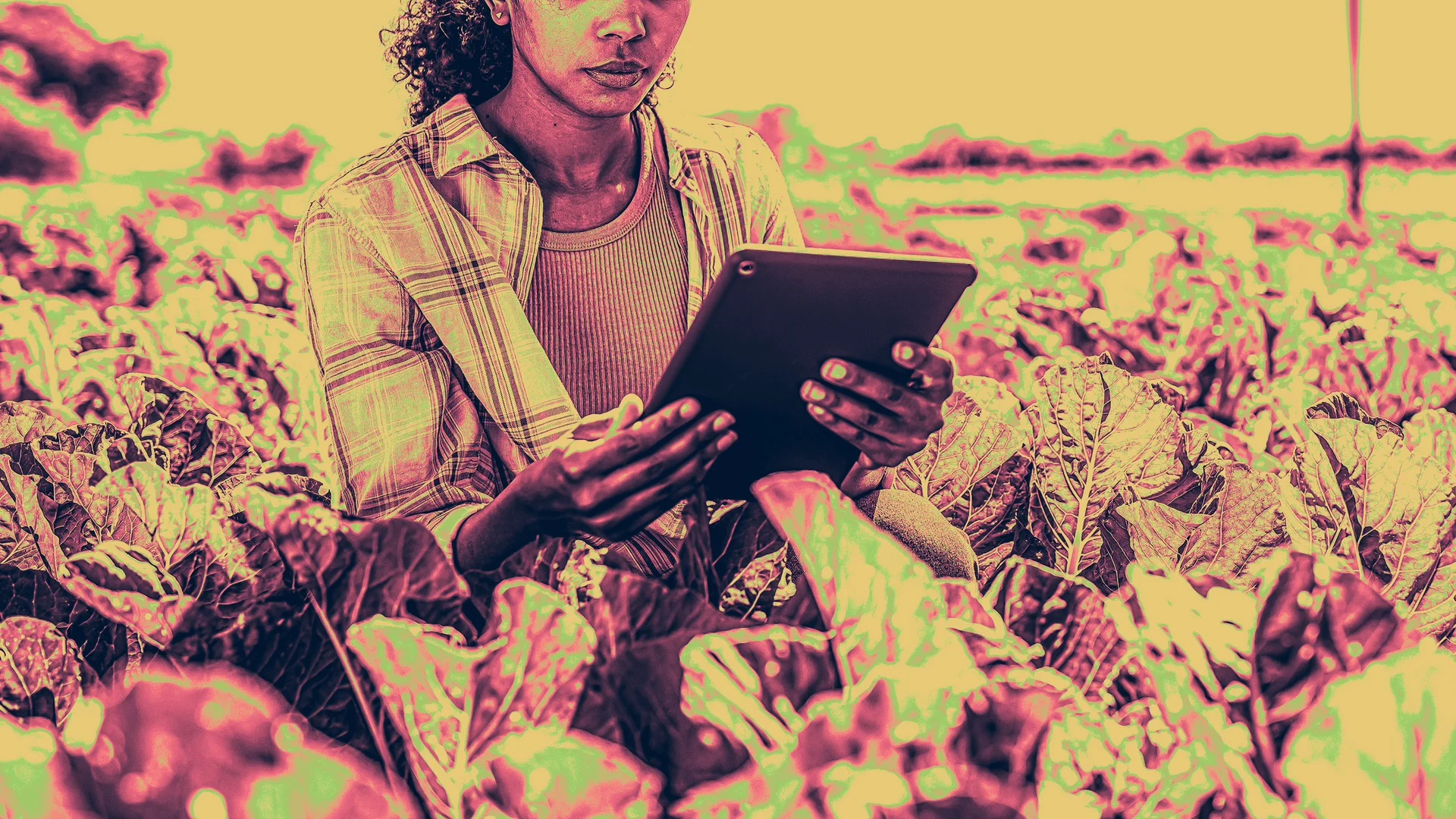
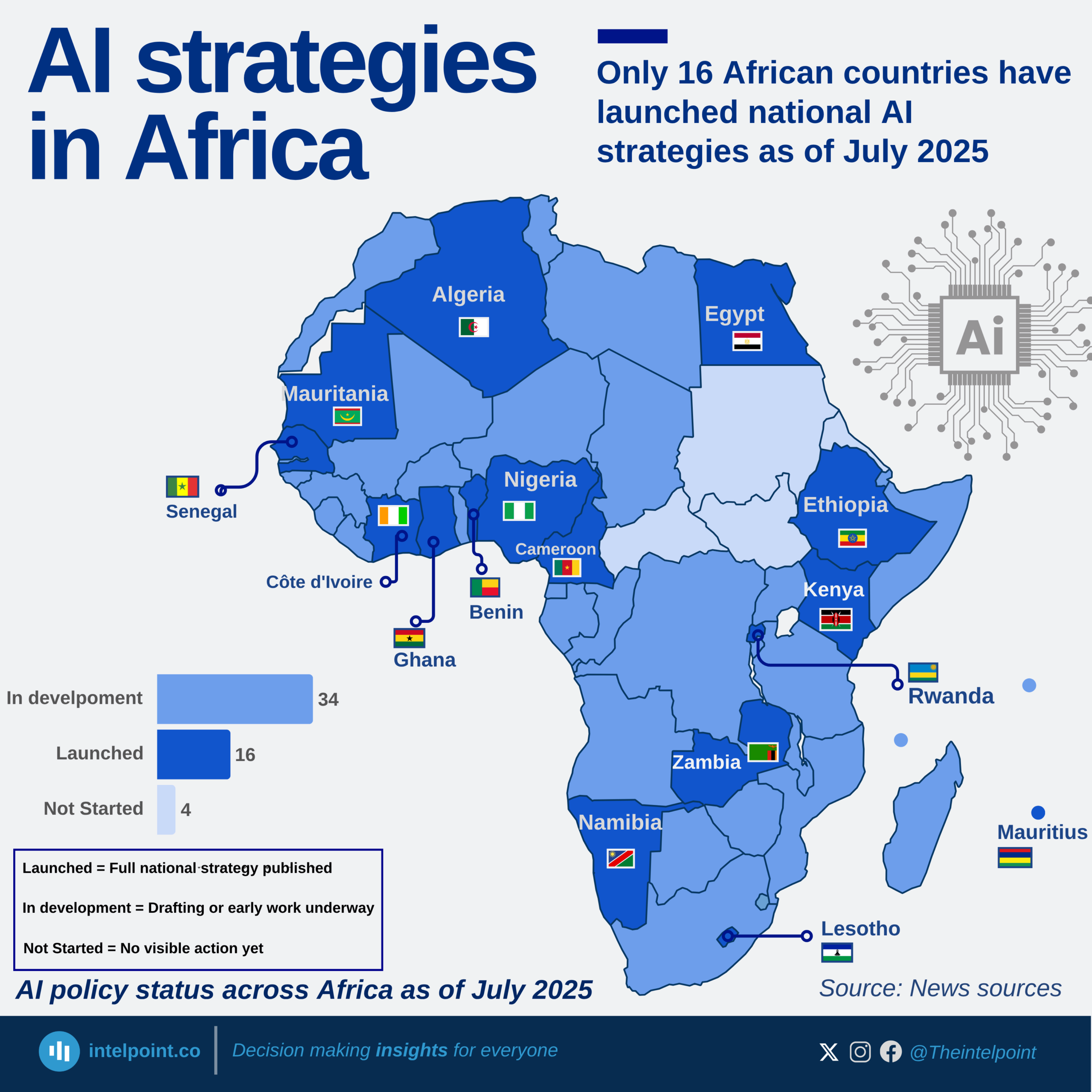
TechCabal notes that African AI builders face three compounding disadvantages: weak infrastructure, limited capital recognition, and thin data about the sector itself.[3] Yet the same piece also points to a strong startup base and broader African tech momentum, with the sector raising $3.42 billion in 2025.[3]
Moreover, Google has highlighted the role of startup policy frameworks in helping African innovators grow, while also noting the resilience of the wider ecosystem.[4] That matters because policy, skills, and infrastructure all shape whether AI stays small or scales.
The main barriers still holding the sector back
However, the obstacles remain real. Access to reliable internet, affordable devices, cloud services, and power still limits adoption in many areas.[1][2]
Consequently, startups that build for offline use, low bandwidth, and local deployment have a stronger chance of lasting. The market rewards usefulness more than spectacle.
- Infrastructure: connectivity, devices, cloud access, and electricity.
- Capital: fewer AI-focused funding rounds than global peers.[3]
- Talent: a growing pool, but still a gap in advanced AI skills.[1][2]
How you can spot the African AI startups that will last
Furthermore, not every AI startup will become a winner. The strongest ones usually share a few traits that make them easier to trust and scale.
Therefore, if you are tracking this space as an investor, founder, journalist, or simply a curious reader, look for these signs.
- Clear local problem: the product solves a real pain point, not a trendy one.
- Simple user flow: the app is easy to use on common phones.
- Local language support: the product speaks to users in their own language.
- Low-cost design: the startup keeps data and setup costs manageable.
- Visible distribution: the team knows how to reach real users, not just tech circles.
Additionally, these traits matter across sectors, from farms and clinics to retail shops and creator tools. They show a founder is building for adoption, not just headlines.
Explore More on Topping Africa
Discover more stories that show how African innovation is shaping daily life across the continent.
- Technology & Finance — startup news, AI, and digital tools.
- Business & Economy — founders, markets, and growth stories.
- Culture & Lifestyle — creators, trends, and the human side of digital life.
Additionally, if you want more on the people shaping the internet economy, share your thoughts in the comments and subscribe for more African tech explainers.
For more context on global AI adoption and Africa’s infrastructure challenge, see Microsoft’s Africa AI analysis and TechCabal’s breakdown of the ecosystem.[1][3] For startup policy background, review Google’s coverage of the AU Startup Policy Framework.[4]
In short, African AI startups are not waiting for permission. They are building tools that fit African realities, and that is why the next wave may matter more than the first.

Staff
Contributing writer at Topping Africa.
0 Comments
No comments yet. Be the first to share your thoughts!