
South Africa Uncovers R181 Million Visa Bribe Scheme in Immigration System
An SIU report reveals systemic corruption in South Africa’s immigration department, finding that permits and visas were sold for bribes over decades, prompting criminal referrals and calls for reform.
PRETORIA, SOUTH AFRICA — 2026-02-24
Updated: 18:00 GMT
A government investigation has revealed extensive corruption within South Africa’s immigration system, involving the illicit sale of visas and residence permits over the past two decades, authorities disclosed following the release of interim findings.
The probe, authorised by President Cyril Ramaphosa and led by the Special Investigating Unit (SIU), found that officials in the Department of Home Affairs accepted bribes in exchange for issuing permits and visas without proper scrutiny, according to the interim report.
The SIU stated that the corrupt practices, which spanned from 2004 to 2024, transformed immigration processes into a de facto marketplace where permits were effectively sold to the highest bidder. This was achieved through payments routed through spouses’ accounts, cash hidden in paper applications, and the use of WhatsApp messages to expedite approvals.
FINDINGS AND OFFICIAL DETAILS
Investigators traced more than R181 million in illicit gains associated with fraudulent visa and permit approvals. Four Home Affairs officials accused of involvement received over R16 million in direct deposits, the SIU report said. Officials alleged to have profited reportedly used the proceeds to acquire luxury homes and other properties.
The interim findings also identified collusion between corrupt officials and external actors, including organised networks structured around religious figures and other intermediaries that helped applicants gain fraudulent status through falsified documents or staged relationships.
Acting head of the SIU, Leonard Lekgetho, said the investigation uncovered evidence that some beneficiaries used fraudulently obtained asylum permits to later apply for permanent residence and citizenship while bypassing normal assessments, according to SAnews, the official government news service.
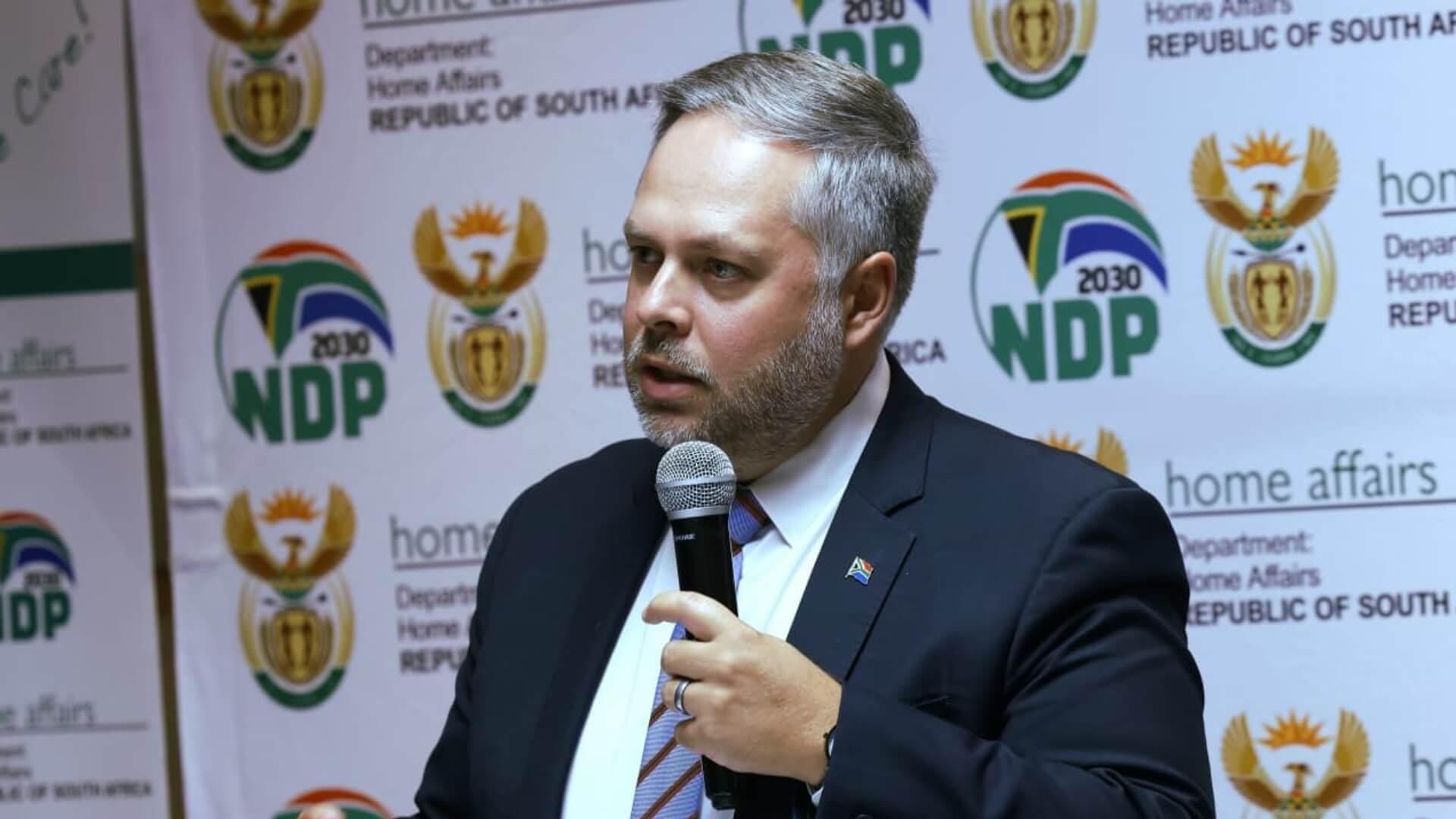
Home Affairs Minister Leon Schreiber said the government is addressing vulnerabilities in the immigration system and pursuing digital reforms, including transitioning to an electronic travel authorisation platform to reduce opportunities for abuse.
An SIU spokesperson described the corruption as “deliberate and devastating to public trust,” emphasising that systemic weaknesses and manual processes allowed fraud to prosper.
Opposition political figures cited in media coverage called for thorough prosecutions and accountability for those involved, urging enforcement of criminal referrals made by investigators.
South Africa’s immigration system has long faced criticism for its paper-based processes, which critics say made it susceptible to exploitation. The investigation’s findings underscore structural vulnerabilities that allowed fraud and corruption to flourish over many years, weakening public confidence in governance and border integrity.
The scale of illicit financial flows linked to the issuance of visas and residence permits highlights broader challenges across the region as African states work to strengthen internal controls and secure their immigration frameworks against abuse and organised crime.
WHAT’S NEXT
The SIU has referred 275 criminal cases to the National Prosecuting Authority, with more than 100 investigations concluded and authorities pursuing prosecutions and deportations as part of the follow-up.
The Department of Home Affairs has been urged to vet all staff, tighten contract management, enhance verification procedures, and integrate immigration systems with other government departments to bolster integrity and oversight, according to media reports on SIU recommendations.
I welcome the SIU’s interim report on visa maladministration over a 20 year period between 2004 and 2024. Over the past 20 months, we’ve made major strides holding corruption to account and driving digital transformation to close systemic loopholes. Rebuilding the rule of law! ?? pic.twitter.com/lAEbHuPVji
— Leon Schreiber (@Leon_Schreib) February 23, 2026
Staff
Contributing writer at Topping Africa.
0 Comments
No comments yet. Be the first to share your thoughts!