Influencer Discovery in Africa: A Practical Guide for Finding Authentic African Creators in 2026
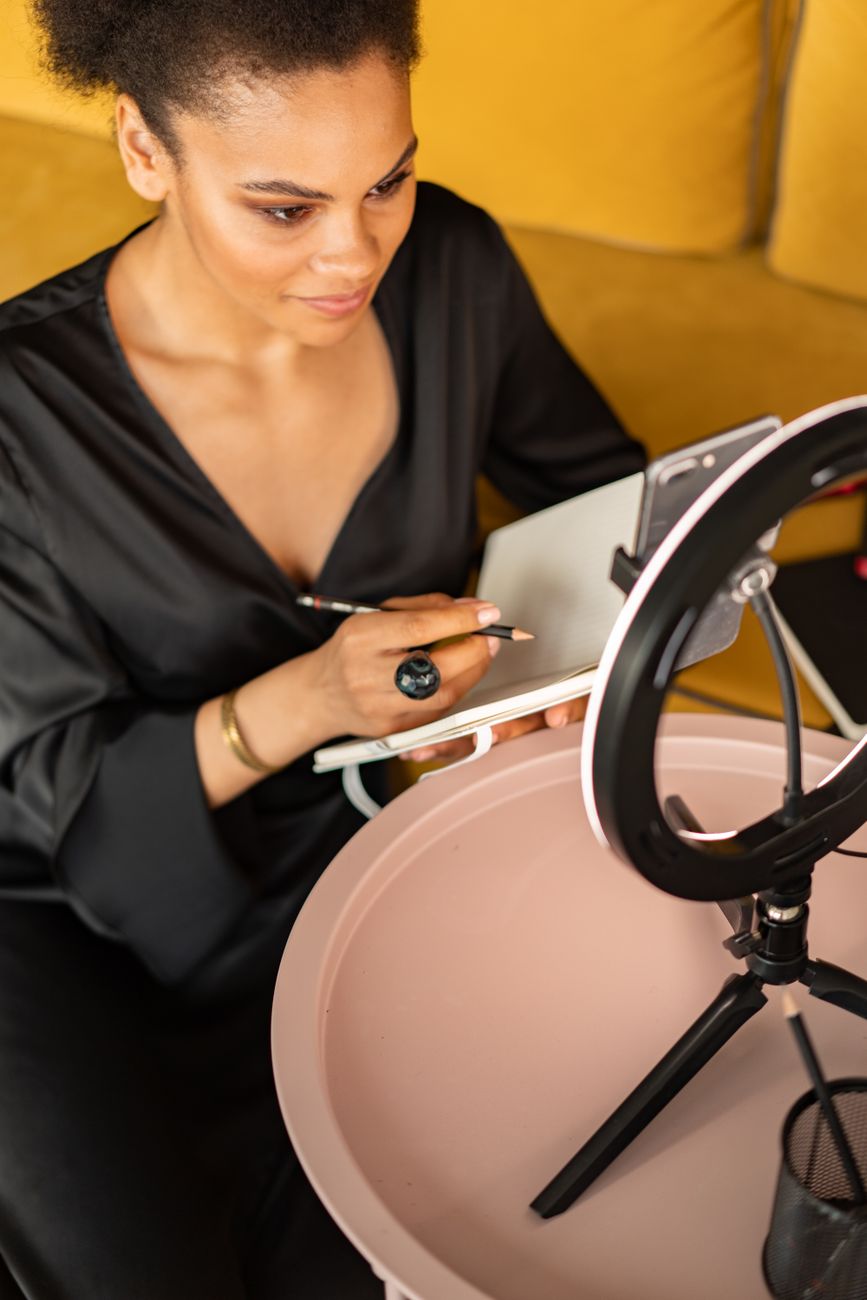
Influencer discovery in Africa requires more than a follower count check — it demands cultural intelligence, fake-engagement detection, and a repeatable system built for the continent's unique creator landscape. This practical guide gives African marketers a step-by-step methodology for finding authentic creators by niche, location, and culture in 2026. From AI-powered search tools to engagement benchmarks, here is the playbook that separates real partnerships from expensive mistakes.
Why Influencer Discovery in Africa Demands a Different Playbook
Influencer discovery is no longer about scrolling Instagram until someone looks right. In 2026, it is a structured process — one that African marketers must approach with cultural intelligence, data literacy, and a clear methodology built for this continent's unique creator landscape. Africa now hosts over 600 million internet users, a figure that has doubled in six years, and the creator economy here is growing faster than almost any other region on earth.
But speed creates noise. Fake accounts, inflated follower counts, and misaligned partnerships are costing brands real money. A 2024 report by Influencer Marketing Hub estimated that fake influencer engagement costs the global industry over $1.5 billion annually. Africa is not immune. If anything, the rapid growth of platforms like TikTok, Instagram, and YouTube across Nigeria, Kenya, Ghana, and South Africa has made the problem more acute.
This guide gives you a tactical, Africa-specific framework for finding creators who are genuinely influential — not just numerically large. We cover how to search by niche, location, and culture; how to spot fake engagement before you sign a contract; and how to use AI-powered tools without losing the human judgment that African creator relationships demand.

Step 1 — Define Your Discovery Criteria Before You Open Any Tool
The single most common mistake brands make is opening a discovery platform before they know what they are actually looking for. Jumping straight into search results without a brief is like going to a Lagos market without knowing what you need — you will leave with something, but probably not the right thing.
Start by answering four questions with specificity:
- Geography: Are you targeting a single country, a sub-region (e.g. West Africa), or the full African diaspora? A creator based in Accra speaks to a very different audience than one in the UK Ghanaian community.
- Niche: Fashion, fintech, agriculture, Afrobeats, gaming — be exact. "Lifestyle" is not a niche; it is a category that contains dozens of niches.
- Audience demographics: Age bracket, language (Swahili, Yoruba, French, Zulu, English), and platform preference matter enormously across African markets.
- Creator tier: Nano (1K–10K), micro (10K–100K), macro (100K–1M), or mega (1M+). Micro-creators in African markets often deliver three to five times the engagement rate of mega-creators at a fraction of the cost.
Only once you have answered these questions should you touch a discovery tool. This brief becomes your filter — and it stops you from being dazzled by follower counts that mean nothing to your campaign.
Step 2 — Search by Niche, Location, and Culture (Not Just Follower Count)
African creator culture is hyper-local. A food creator in Nairobi who posts in Sheng — the Swahili-English street slang — has almost no audience crossover with a food creator in Abuja posting in Pidgin English. Both are "African food creators." Neither is interchangeable.
Here is how to search with cultural precision:
- Use platform-native search first. TikTok's search bar, Instagram's location tags, and YouTube's channel filters are underused. Search hashtags like #NairobiFoodie, #LagosTech, or #AccraFashion to surface creators who are already embedded in those communities.
- Filter by language, not just country. Many discovery platforms let you filter by content language. Use this aggressively — a Francophone creator in Côte d'Ivoire is not a substitute for an Anglophone creator in Ghana, even if the countries share a border.
- Look at comment culture. Are followers commenting in local dialects? Are they tagging friends? This is a strong signal that the audience is real, local, and engaged — not bought.
- Check content consistency. A creator who posts about fintech one week and skincare the next is probably chasing trends, not building authority. Niche consistency over six months is a green flag.
Platforms like Topping Africa's creator explorer are built specifically for this kind of culturally-aware search. Rather than surfacing creators by raw follower count, they allow you to browse by content category, region, and creator type — which is exactly the workflow this methodology demands.
For a broader look at the platforms reshaping this space, read our deep-dive on creator discovery platforms in Africa and the growth engines behind them.
Step 3 — Spotting Fake Engagement Before It Costs You
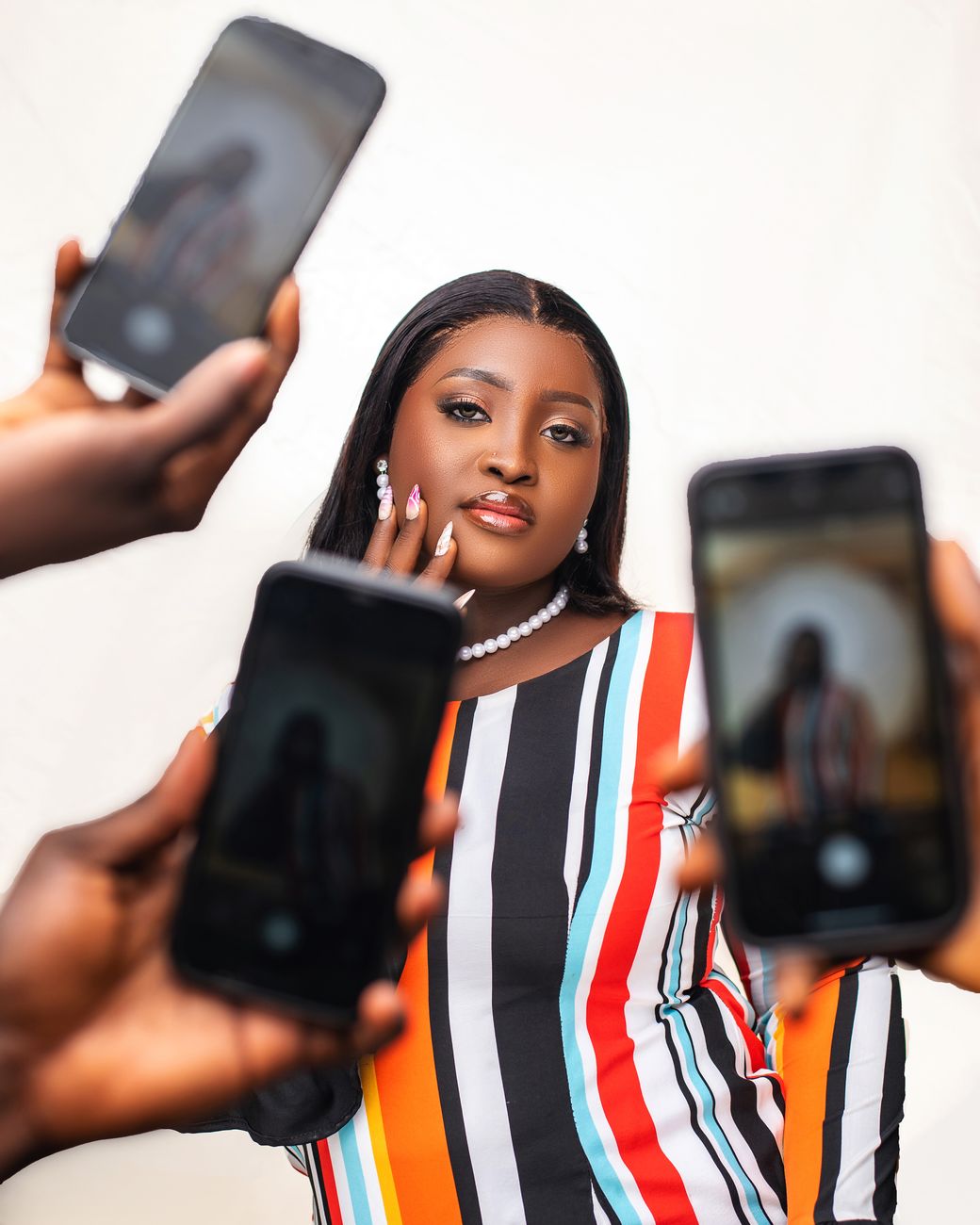
This is where most African brand campaigns bleed money quietly. A creator with 200,000 followers and a 0.3% engagement rate is not an influencer — they are a billboard in an empty field. Yet brands keep paying billboard rates.
Here are the specific red flags to check, in order of reliability:
Engagement Rate Benchmarks for African Creators
Healthy engagement rates vary by platform and tier. As a working baseline for African markets in 2026:
- Nano creators (1K–10K): 5–12% engagement rate is normal and healthy.
- Micro creators (10K–100K): 2–6% is solid. Below 1.5% warrants scrutiny.
- Macro creators (100K–1M): 1–3% is acceptable. Below 0.8% is a warning sign.
- Mega creators (1M+): 0.5–1.5% is typical. The audience is real but diffuse.
These numbers are slightly higher than global averages because African social media audiences tend to be more community-oriented and conversational. If a creator's numbers fall well below these benchmarks, ask why before you proceed.
Four Concrete Checks That Reveal Fake Audiences
- Follower growth spikes: Use a tool like HypeAuditor to view a creator's historical follower growth. A genuine creator grows steadily or in organic spikes tied to viral content. A sudden gain of 50,000 followers in a week — with no viral post to explain it — is a purchased audience.
- Comment quality: Scroll through 30–40 comments on three recent posts. Generic comments like "Great post! 🔥" or "Nice content!" from accounts with no profile pictures are bot signatures. Real African audiences argue, joke, use slang, and ask specific questions.
- Audience geography mismatch: Ask the creator for their Instagram Insights or TikTok Analytics screenshot. If a Nairobi-based creator's top audience is listed as Brazil or India, their followers are likely purchased from bot farms in those regions.
- Like-to-comment ratio: A healthy ratio is roughly 10:1 (likes to comments) for most content types. A ratio of 500:1 or higher — thousands of likes, almost no comments — is a strong indicator of like-buying.
None of these checks takes more than 20 minutes per creator. Done consistently, they will save you from the most common and costly discovery mistakes in African markets.
Step 4 — Using AI-Powered Discovery Tools Responsibly
AI-powered influencer discovery tools are genuinely useful — but they carry real risks when applied to African markets without human oversight. Most AI models are trained predominantly on Western data. They can misread cultural context, flag authentic African vernacular as "low quality," or rank creators by metrics that simply do not reflect how influence works in Kampala or Dakar.
Use AI tools for what they do well:
- Bulk filtering by engagement rate, follower count, and posting frequency
- Identifying lookalike creators based on audience overlap
- Flagging anomalous follower growth patterns
- Generating initial shortlists from large databases
Then apply human judgment for everything cultural. Does this creator's tone fit your brand? Do they have genuine community standing — are they quoted, shared, or mentioned by other creators in their niche? Is their content style consistent with how your target audience actually communicates? No algorithm answers those questions reliably yet.
African creators who use AI in their own content production — and there are more of them every year — are also worth understanding on their own terms. Our feature on African creators using AI to grow their content profiles exactly this new wave.
A practical workflow: use an AI tool to produce a shortlist of 30–50 candidates, then manually review the top 15 using the engagement checks above, then conduct a short discovery call or DM exchange with your final five before making any commitment. This hybrid approach is faster than pure manual search and more accurate than pure AI ranking.
Step 5 — Evaluating Cultural Fit and Creator Authenticity
Reach and engagement are table stakes. Cultural fit is the differentiator between a campaign that performs and one that goes viral for the wrong reasons.
African audiences are acutely sensitive to inauthenticity. A creator who suddenly pivots from posting about Afrobeats to promoting a fintech app — with no organic connection between the two — will not move your target audience. Worse, they may trigger a backlash that harms your brand.
Ask these questions during your evaluation:
- Has this creator ever organically mentioned a product or brand in your category — before any paid deal?
- Do their followers trust their recommendations? Look for comments like "I tried this because you recommended it" on past sponsored posts.
- Is their content style — formal, comedic, educational, storytelling — a natural fit for how your brand communicates?
- Do they disclose paid partnerships clearly? Transparency is increasingly important to African audiences, and creators who hide sponsorships are a reputational risk.
Cultural fit also means understanding diaspora dynamics. A creator in London with a majority Nigerian audience may reach that audience more effectively than a creator based in Lagos, depending on your product and price point. The African diaspora is a sophisticated, high-purchasing-power segment — and it deserves its own discovery strategy. Our explainer on what the African diaspora means for modern creators is a useful companion read here.
Building a Repeatable Discovery System, Not a One-Off Search
The brands winning with African creator partnerships in 2026 are not doing one-off searches. They are building discovery systems — documented processes, maintained databases, and ongoing creator relationships that compound over time.
Here is what a repeatable system looks like in practice:
- Maintain a creator CRM. A simple spreadsheet tracking creator name, platform, niche, location, engagement rate, past collaboration notes, and contact details is enough to start. Tools like Notion or Airtable work well at low cost.
- Run discovery quarterly, not per-campaign. Identify and vet 20–30 new creators every quarter, even when you have no active campaign. This builds a warm bench you can activate quickly.
- Track post-campaign performance rigorously. Did the creator's audience actually convert? What was the cost per click, cost per acquisition, or brand sentiment shift? Feed this data back into your discovery criteria for the next cycle.
- Build relationships before you need them. Follow creators, comment genuinely, share their work. When you approach them for a paid partnership, you are not a cold email — you are a familiar name. This matters enormously in African creator culture, where community and relationship are commercial currencies.
Discovery is not a moment. It is a muscle. The brands that treat it as a recurring practice — rather than a frantic pre-campaign scramble — consistently find better creators, pay fairer rates, and produce more authentic content.
Ready to start building your creator shortlist? Explore verified African creators across every niche and region on Topping Africa's creator directory — a curated, Africa-first database designed for exactly this kind of structured discovery.
The Honest Trade-Offs You Need to Know
No discovery methodology is perfect. Here are the real limitations of even the best approach:
- Micro-creators are harder to manage at scale. Running 20 micro-creator partnerships simultaneously requires more coordination than one macro deal. Budget for the operational overhead.
- AI tools miss emerging creators. A creator with 8,000 followers who is about to break through will not appear in most AI-ranked shortlists. Manual community scouting — following local hashtags, attending creator events — is still irreplaceable for finding tomorrow's voices today.
- Engagement metrics lag cultural shifts. A creator who was dominant in a niche 12 months ago may have lost community trust for reasons that do not show up in their engagement rate yet. Qualitative research — reading comments, talking to community members — catches this faster than any tool.
- Exclusivity costs more in a growing market. As African creators become more commercially sophisticated, exclusivity clauses are becoming more expensive. Factor this into your budget planning.
Knowing these trade-offs in advance means you can design around them — not be blindsided by them mid-campaign.
Also worth tracking: the trending creators and content on Topping Africa, which surfaces real-time cultural momentum across the continent and can inform your discovery brief before you even open a search tool.
For a deeper look at how African creators are building brand equity that goes beyond social media metrics, our analysis of Africa's Business Heroes finalists and what they teach creators about investable brands offers sharp lessons that apply directly to partnership decisions.
Your 2026 Influencer Discovery Action Plan
Pull this together into a sequence you can run this week:
- Write your discovery brief — geography, niche, tier, audience demographics — before opening any tool.
- Run platform-native hashtag and location searches to build an initial longlist of 50+ candidates.
- Apply engagement rate benchmarks and the four fake-audience checks to cut that list to 15–20.
- Use an AI discovery tool (HypeAuditor, Modash, or a platform-specific tool) to cross-check your shortlist and flag any anomalies you missed.
- Evaluate cultural fit manually for your top 10 — read comments, watch content, check past sponsored posts.
- Conduct brief outreach to your top five and assess responsiveness, professionalism, and alignment.
- Document everything in your creator CRM and set a quarterly reminder to repeat the process.
African creator partnerships done right are among the most cost-effective and culturally resonant marketing investments available in 2026. The continent's creator ecosystem is maturing fast — and the marketers who build rigorous discovery systems now will have a compounding advantage over those who are still scrolling and guessing. Discover your next authentic African creator partnership today — the tools, the talent, and the methodology are all within reach.
Staff
Contributing writer at Topping Africa.
0 Comments
No comments yet. Be the first to share your thoughts!