
What Is the African Diaspora and Why It Matters for Modern African Creators
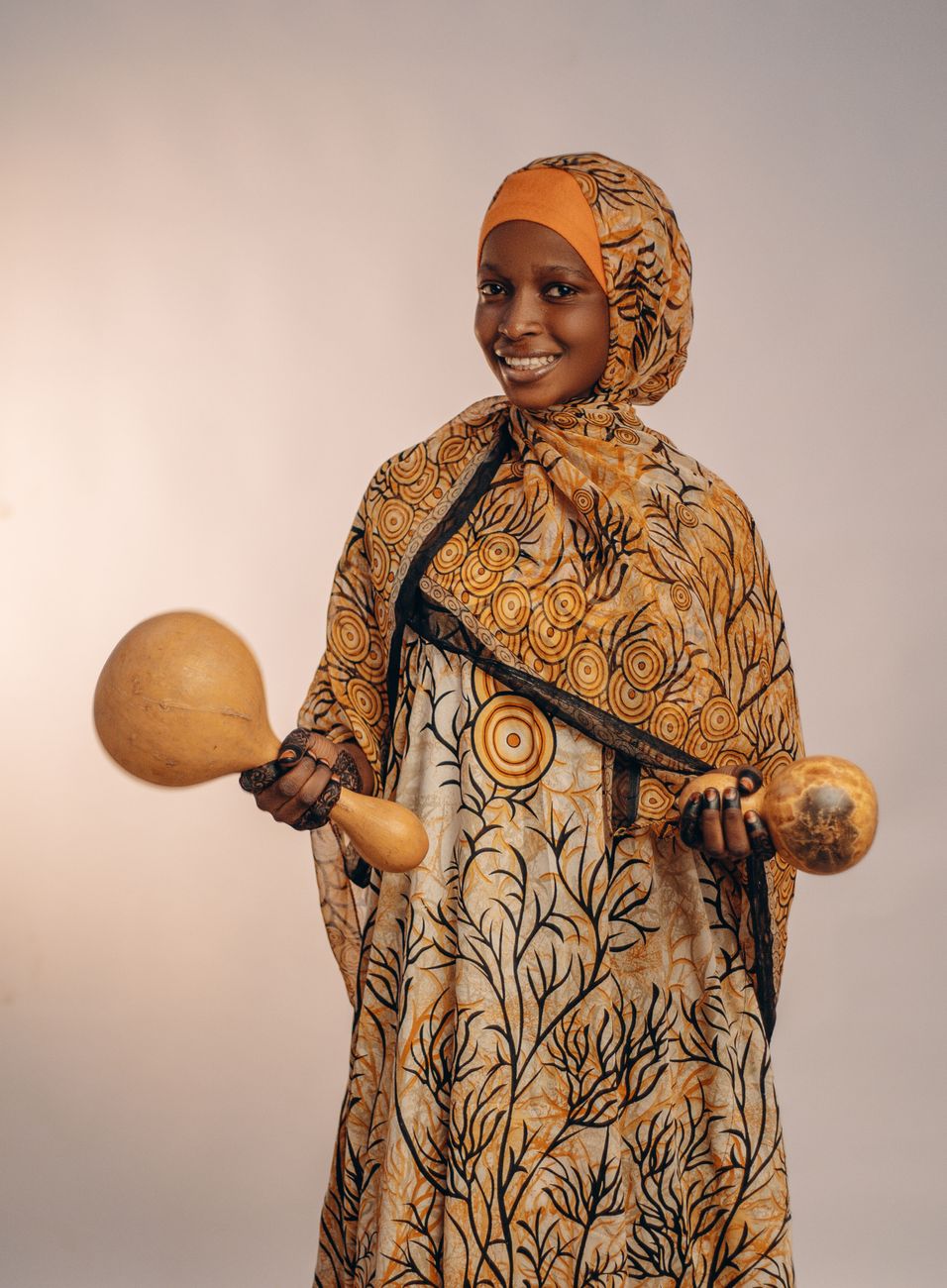
The African diaspora spans over 200 million people worldwide and is one of the most powerful forces shaping African culture, tech, and creator economies today. This article breaks down who the diaspora includes, why it matters, and how African creators can strategically engage it to build global audiences and sustainable businesses.
What Is the African Diaspora and Why Is It Important?
If you have ever searched what is the African diaspora and why is it important, you are not alone — and the answer goes far deeper than a geography lesson. The African diaspora refers to the global community of people with African origins who live outside the African continent, whether through forced displacement, voluntary migration, or generational settlement. Today, this community numbers over 200 million people across the Americas, Europe, the Caribbean, the Middle East, and Asia. For African creators, entrepreneurs, and innovators, the diaspora is not just a historical concept — it is an active, living force reshaping culture, technology, and business on a global scale.
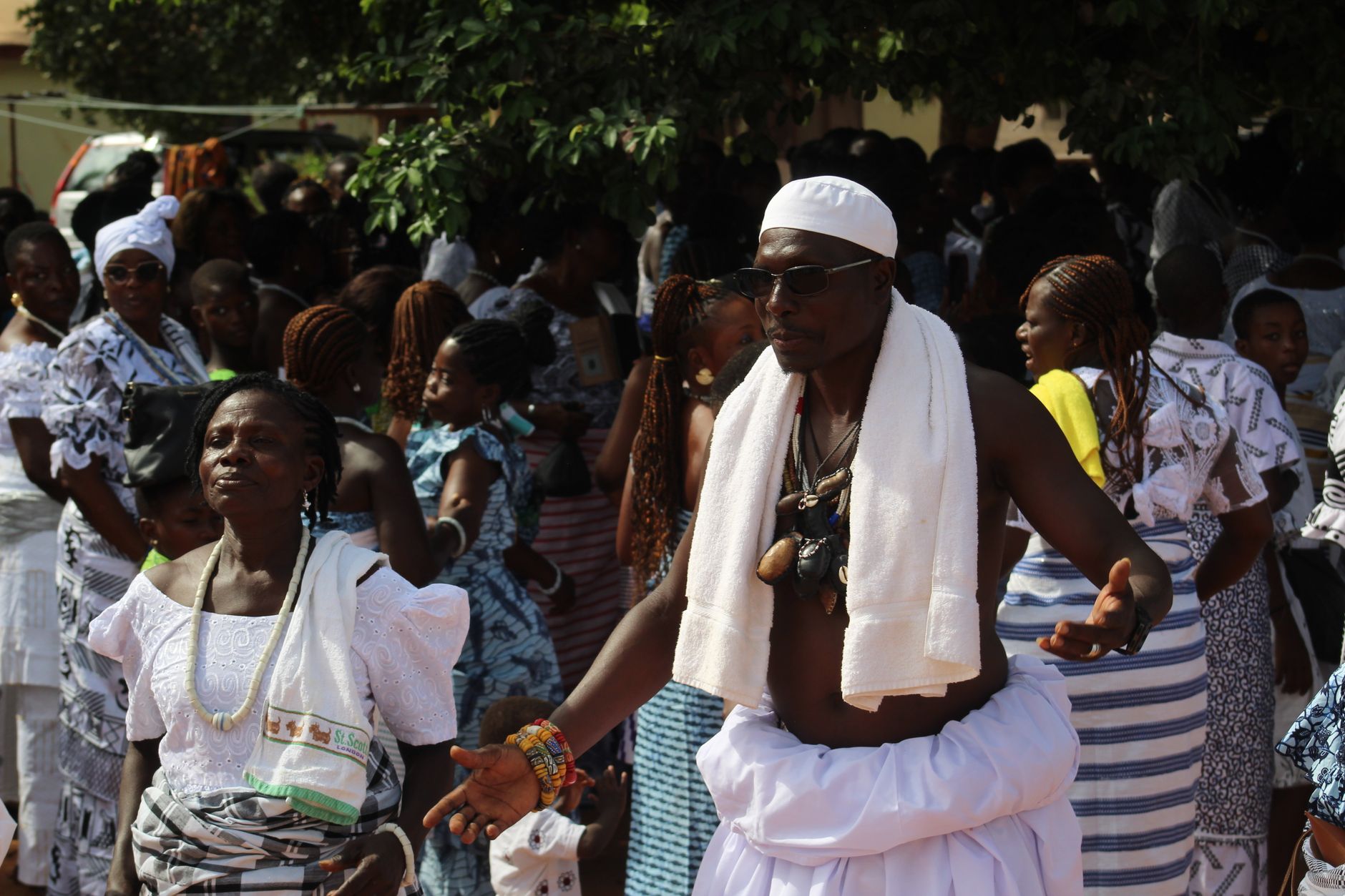
The term itself comes from the Greek word diaspora, meaning "scattering." Applied to Africa, it captures centuries of movement — from the transatlantic slave trade that forcibly displaced an estimated 12.5 million Africans between the 15th and 19th centuries, to today's voluntary migration of skilled professionals, students, and entrepreneurs seeking opportunity abroad. These waves are distinct in cause but connected in consequence: they produced communities that carry African identity, values, and creativity into every corner of the world.
What makes this relevant right now is a shift in power dynamics. Diaspora Africans are no longer passive recipients of culture from the continent — they are co-creators of it. From Afrobeats going platinum in London and Lagos simultaneously, to Nigerian-American tech founders building fintech tools used across West Africa, the diaspora is actively defining what African innovation looks like in the 21st century.
Who Is Included in the African Diaspora?
The African diaspora is not a monolith. It spans vastly different histories, languages, and lived experiences. Understanding who is included matters because it shapes how creators and platforms like Topping Africa think about representation and discovery.
Broadly, the diaspora includes three overlapping groups:
- The Historic Diaspora: Descendants of enslaved Africans in the Americas and Caribbean — including African Americans, Afro-Brazilians, Afro-Caribbeans, and Afro-Latinos. Their connection to the continent was severed by force, yet African cultural memory persisted in music, spirituality, food, and language.
- The Modern Diaspora: Africans who migrated voluntarily from the 20th century onward — students, professionals, refugees, and entrepreneurs now living in the UK, France, the US, Canada, the UAE, and beyond. This group maintains active ties to their home countries and often moves fluidly between continents.
- The Returning Diaspora: A growing movement of diaspora Africans relocating back to the continent — drawn by economic opportunity, identity, or programs like Ghana's Year of Return initiative, which attracted over 500,000 visitors in 2019 alone.
Each group brings a different relationship with African culture and different tools for expressing it. A Ghanaian-British content creator and a third-generation Afro-Brazilian musician are both part of the diaspora — but their creative contexts, audiences, and platforms differ significantly. Recognising this complexity is what separates meaningful diaspora content from shallow representation.
Why the African Diaspora Drives African Culture Forward
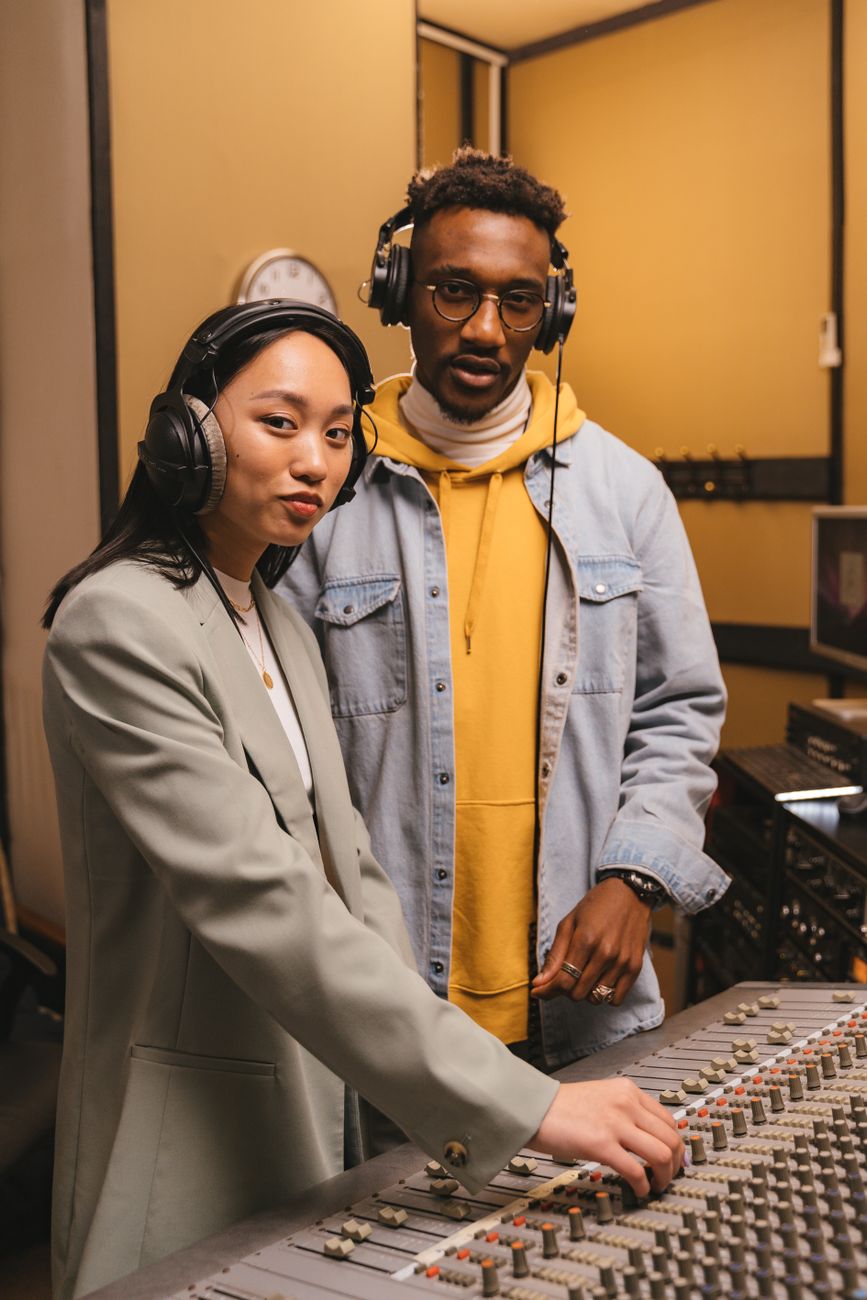
Culture does not travel in one direction. The common assumption is that African culture flows outward — from Accra or Lagos to London or New York. The reality is more dynamic. Diaspora communities remix what they inherit and send it back, transformed. This loop is exactly how Afrobeats became a global genre.
Wizkid, Burna Boy, and Davido all built early international audiences through diaspora communities in the UK and US before those audiences fed back into their continental popularity. Burna Boy's film venture, 3 Cold Dishes, grossing ₦246 million in its opening weekend across Africa, is a direct product of a creator whose global diaspora fanbase gave him the platform to fund and distribute bold projects at home.
The same loop operates in fashion, film, and digital content. Nollywood's global streaming deals with Netflix and Amazon Prime were accelerated by diaspora audiences who had been consuming Nigerian content through informal channels for years. The AMVCA 2025 nominations reflect a film industry increasingly shaped by creators who straddle continents — writing, directing, and producing for both African and global audiences simultaneously.
Three specific mechanisms explain how the diaspora drives African culture forward:
- Audience amplification: Diaspora communities give African creators an immediate international audience, reducing dependence on local ad markets that often undervalue African content.
- Cross-cultural fusion: Diaspora creators blend African aesthetics with global genres, producing new forms — Afropop, Afrohouse, Afrofuturism — that attract mainstream attention and bring new listeners back to the source.
- Financial flows: Remittances from the diaspora total over $100 billion annually to sub-Saharan Africa, according to the World Bank. A meaningful share funds creative businesses, studios, and platforms on the continent.
The Diaspora's Role in African Tech and Innovation
Beyond culture, the African diaspora is a critical engine of African tech innovation. Many of the continent's most impactful startups were either founded by diaspora Africans or built with significant diaspora investment and talent. Flutterwave, valued at over $3 billion, was co-founded by Nigerians with US tech experience. Andela, which trained thousands of African software engineers, was backed by diaspora-connected investors from day one.
This is not coincidence. Diaspora founders bring a specific combination of advantages: global networks, access to international venture capital, and firsthand understanding of problems on the continent. They can pitch a Lagos fintech to a Silicon Valley VC and explain the market dynamics in terms that land — because they have lived in both worlds.
Africa's emerging tech hubs — from Nairobi's Silicon Savannah to Lagos's Yaba district — are increasingly shaped by this diaspora-local collaboration. Inside Africa's emerging tech hubs, you see coders, creators, and culture colliding in exactly this way: diaspora returnees mentoring local developers, co-working spaces hosting teams split between Accra and Amsterdam, and products designed for African users but built by globally distributed teams.
For African creators specifically, diaspora-driven tech means better tools. AI content platforms, creator monetisation infrastructure, and digital distribution networks are all being built with African users in mind — partly because diaspora entrepreneurs understand the gap. African creators using AI in 2026 are benefiting from exactly this kind of diaspora-informed tooling.
Common Mistakes Creators Make When Engaging the Diaspora
Understanding the diaspora conceptually is one thing. Engaging diaspora audiences as a creator is another — and most creators get it wrong in predictable ways.
Mistake 1: Treating the diaspora as a single audience. A Jamaican-British viewer and a Kenyan-American viewer may both identify with African heritage, but their cultural references, humour, and expectations are completely different. Content that tries to appeal to "the diaspora" as a bloc usually resonates with no one deeply. The fix is specificity: target a defined diaspora community with content that speaks to their particular cultural experience.
Mistake 2: Ignoring the return journey. Many creators focus on sending content outward — from Africa to diaspora audiences. They miss the opportunity to bring diaspora conversations back to continental audiences. Creators who bridge both directions build the most durable audiences and the most interesting content.
Mistake 3: Underestimating platform differences. Diaspora audiences skew heavily toward TikTok and Instagram in the US and UK, while continental African audiences are more distributed across YouTube, Facebook, and WhatsApp. A single-platform strategy will always leave reach on the table. The top African content creators of 2026 are almost all multi-platform by design, not by accident.
Mistake 4: Conflating diaspora identity with nostalgia. The most powerful diaspora content is not about longing for home — it is about building something new. Creators who position themselves as bridges, not refugees, attract the most engaged diaspora audiences. Think less "missing Africa" and more "redefining what Africa means from here."
Why the African Diaspora Matters for Creator Economies Specifically

The creator economy is not evenly distributed. Monetisation rates, brand deal values, and platform payouts all skew heavily toward creators in the US, UK, and Western Europe. African creators on the continent face structural disadvantages: lower CPM rates, limited access to brand partnerships, and payment infrastructure that often excludes African bank accounts entirely.
The diaspora changes this equation in two concrete ways. First, diaspora creators operating from high-income countries earn at Western rates while producing content that serves African audiences — effectively subsidising the cultural production that continental creators cannot yet afford to make at the same scale. Second, diaspora creators with large followings create sponsorship pathways for African brands seeking global reach, opening doors that continental-only creators struggle to access.
According to the UN Conference on Trade and Development (UNCTAD), Africa's creative economy generates over $4.2 billion annually and is growing at roughly 7% per year — faster than most sectors. Diaspora participation is a significant driver of that growth, both through direct content creation and through the investment and infrastructure it attracts.
For platforms like Topping Africa, this means the diaspora is not a niche — it is central to the mission. Discover African creators across the continent and beyond: the platform exists precisely because the diaspora has made "African creator" a global identity, not a geographic limitation.
How to Position Yourself as a Diaspora Creator in 2026
If you are an African creator living outside the continent — or a continental creator building a diaspora audience — the strategic playbook is clearer than it has ever been.
- Claim your hyphenated identity explicitly. Nigerian-British, Ghanaian-American, Cameroonian-French — these are not divided loyalties, they are content niches with built-in audiences. Name it clearly in your bio, your content, and your brand.
- Build in both directions. Create content that continental audiences want to share with diaspora friends, and diaspora content that continental audiences find illuminating. The two-way bridge is your competitive advantage.
- Collaborate across the gap. Some of the most-watched African content in 2025 and 2026 came from diaspora-continental creator collabs — a London-based Afrobeats producer working with a Lagos vocalist, or a Toronto-based filmmaker shooting a short in Accra. These collabs are algorithmically rewarded because they pull audiences from two distinct networks simultaneously.
- Monetise the cultural translation. Diaspora audiences will pay for content that helps them understand, explain, or celebrate their African heritage to non-African friends and colleagues. Courses, newsletters, and community memberships built around this translation work are consistently underserved and overperforming.
- Use discovery platforms strategically. Getting found by the right audience — whether that is a diaspora community in Toronto or a brand looking for African cultural expertise — requires being on the right platforms. Explore African creators on Topping Africa to see how top creators are positioning themselves and what is working right now.
The African diaspora is not waiting to be discovered. It is already building, already creating, and already reshaping what African culture and innovation mean globally. The question for every African creator is not whether to engage with it — it is how quickly and how smartly they can do so.
Ready to find your place in this global movement? Discover the creators, trends, and innovations shaping the African creator economy at Topping Africa Trending — and start building the connections that matter.
Staff
Contributing writer at Topping Africa.
0 Comments
No comments yet. Be the first to share your thoughts!