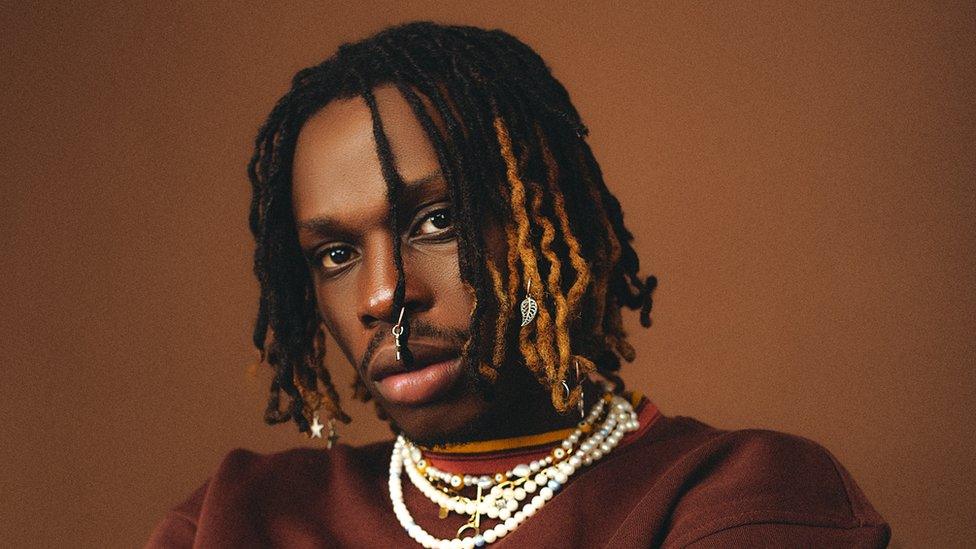
Creator Discovery Platforms in Africa: The New Engines of Growth for Content Creators
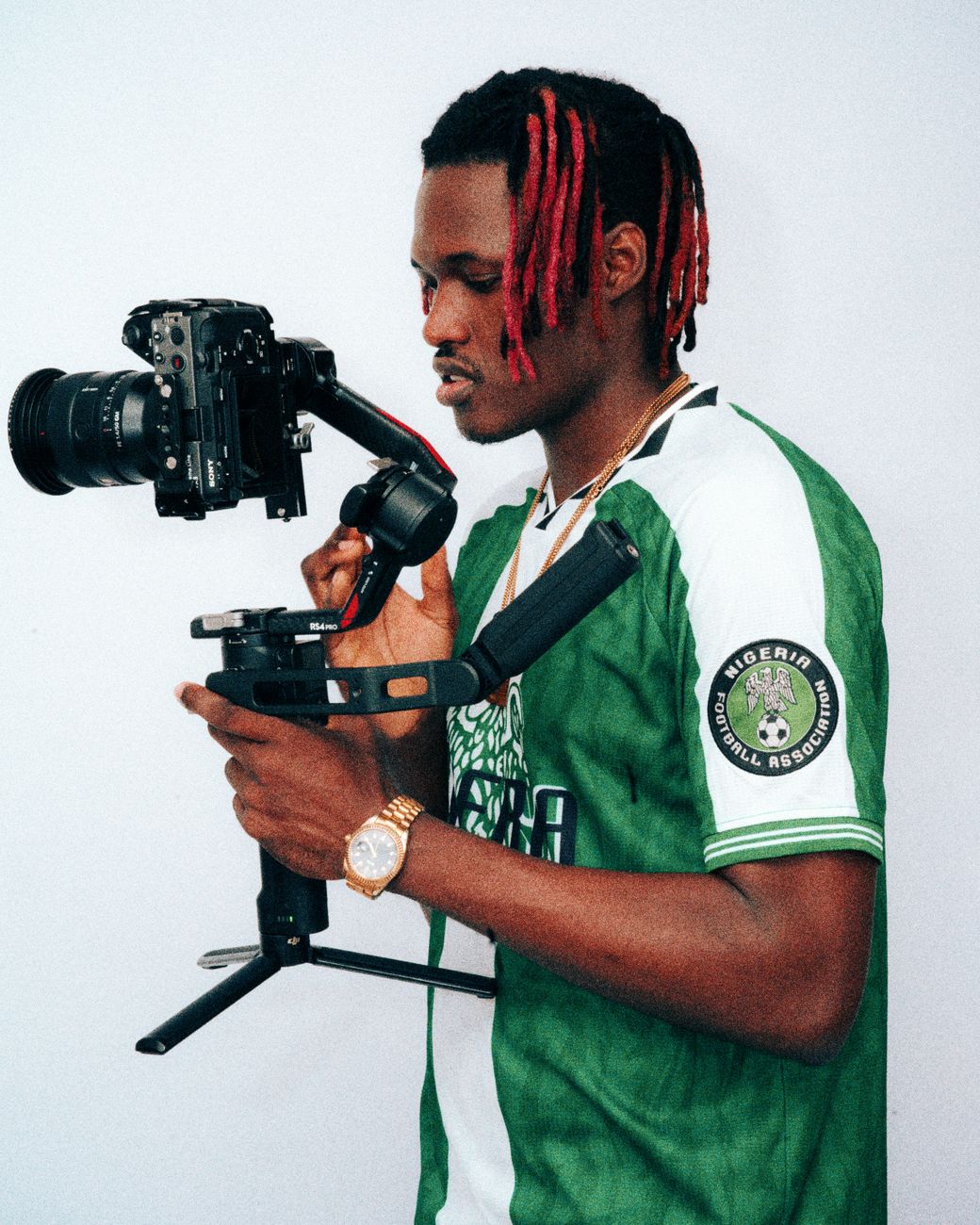
Africa's creator economy is growing fast, but the platforms built to connect creators with brands were designed for other markets. This article maps the global creator discovery platform landscape, exposes where it fails African creators, and charts the path toward an Africa-first discovery ecosystem.
Why Creator Discovery Is the Missing Link for African Creators
The phrase creator discovery platform sounds like Silicon Valley jargon, but for a Ugandan filmmaker, a Ghanaian beauty blogger, or a Nigerian tech podcaster, it describes something urgent: the infrastructure that connects talent to money. Africa's creator economy is no longer nascent. Statista estimates the global creator economy at over $250 billion, and Africa's share is growing fast — driven by mobile-first audiences, falling data costs, and a generation of creators building audiences in the tens of millions. Yet most of the platforms designed to surface that talent were built for New York, London, or Los Angeles. The gap is real, and it is costing African creators deals, brand partnerships, and income.
This article is not a neutral tour of every tool on the market. The argument here is specific: African creators are under-discovered not because they lack quality, but because the discovery infrastructure was not built with them in mind. Understanding which global platforms offer the most utility, where they fall short, and what Africa-first alternatives are emerging is the most practical thing a creator or brand can do right now.
How Global Creator Discovery Platforms Work — and Where They Fail African Creators
Most global creator discovery platforms operate on a similar model. Brands log in, filter by niche, follower count, engagement rate, and geography, then reach out to creators directly or through a managed campaign. Tools like Grin, Aspire, Upfluence, and CreatorIQ dominate the enterprise end of this market. The Influencer Marketing Hub's 2024 Benchmark Report found that 67% of brands now use a dedicated platform to find creators — up from 42% in 2021.
The problem for African creators is structural. These platforms index heavily toward creators with large followings on Instagram and YouTube, measured in Western engagement benchmarks. A creator in Lagos with 80,000 highly engaged followers in the 18-34 Nigerian demographic is often ranked below a mid-tier American creator with 120,000 passive followers — simply because the algorithm weights follower count over audience quality. Discovery bias is baked into the data.
Currency and payment infrastructure compound the issue. Many platforms pay out via PayPal or direct US bank transfer. For creators in countries like Ethiopia, Tanzania, or Senegal, receiving payments through these channels is either expensive, slow, or outright unavailable. Some creators report losing 15-20% of their earnings to conversion fees and intermediary charges.
- Grin: Strong e-commerce integration (Shopify, WooCommerce), but its creator database skews heavily toward North America and Western Europe.
- Upfluence: Powerful search filters including audience demographics, but African creator profiles are sparse and often outdated.
- Aspire: Good UGC (user-generated content) workflow tools, but brand clients using the platform rarely target African markets.
- CreatorIQ: Enterprise-grade analytics, used by major global brands — African creators appear, but rarely get surfaced in active campaigns.
- Modash: One of the better tools for discovery across smaller markets; its database includes more African creators than most, but campaign spend still flows elsewhere.
None of these platforms are villains. They reflect where brand budgets have historically flowed. The shift is happening — but slowly, and African creators cannot afford to wait for the market to catch up on its own.
UGC Marketplaces: A Faster On-Ramp for African Creators

User-generated content (UGC) marketplaces are a different beast from traditional influencer platforms. Rather than paying creators for their existing audience, brands commission UGC creators to produce raw content — product videos, testimonials, unboxings — that the brand then uses in its own paid ads. The creator's follower count is irrelevant. Skill and output quality are what matter.
This model is a genuine opportunity for African creators. Platforms like Billo, Insense, and Cohley connect brands with UGC creators globally. A creator in Nairobi or Accra with strong video production skills can compete directly with creators in London or Toronto — because the brand is buying the asset, not the audience. Rates on these platforms range from $50 to $500 per video, depending on usage rights and complexity.
The catch? Most of these platforms still require a PayPal account and a portfolio of prior brand work. For first-time creators, that is a chicken-and-egg problem. The practical workaround is to build a UGC portfolio independently — shoot three to five spec ads for products you already use, upload them to a simple portfolio site, and apply to platforms with that body of work. It is unglamorous, but it works.
African creators who have broken through on UGC platforms consistently report one thing: niche specificity wins. A creator who positions as a UGC specialist for African skincare brands, Afrobeats merchandise, or pan-African food products gets noticed faster than a generalist. Brands searching for culturally authentic content for African markets will pay a premium for that specificity — and there are very few creators who have claimed those niches deliberately.
Explore the creators already doing this kind of boundary-pushing work on Topping Africa's creator directory — it is one of the most useful starting points for understanding who is building what across the continent.
The Africa-Focused Gap: What Platforms Are Getting Wrong
Here is the honest assessment: no platform has cracked Africa-first creator discovery at scale. Several have tried. Nfluencer (Nigeria-based) and Skeepers have made inroads in specific markets, but none have built the pan-African infrastructure that matches the ambition of the continent's creator community. The reasons are instructive.
First, Africa is not one market. A discovery platform that works for Nigerian Instagram creators may be useless for Kenyan YouTube creators or South African TikTok creators. Language alone is a fracture point — English, French, Swahili, Arabic, Portuguese, and hundreds of local languages all shape how creators build audiences and how brands need to communicate. Platforms that treat "Africa" as a single demographic are making a category error that undermines their own utility.
Second, most Africa-focused platforms have struggled with brand-side adoption. Creators sign up. Brands do not — or they sign up and then run campaigns with budgets too small to sustain creator interest. The result is a platform with a rich supply side and an anaemic demand side. This is the hardest problem in marketplace building, and it requires either deep brand relationships or a hybrid model that generates revenue in other ways while the marketplace matures.
Third, data infrastructure is patchy. Reliable audience analytics — the kind that lets a brand verify that a creator's 200,000 followers are real, engaged, and located in Lagos rather than bought from a click farm — requires API access to social platforms that is expensive and technically complex to maintain. Smaller Africa-focused platforms often cannot afford this, which erodes brand trust and slows deal flow.
For a broader view of how tech infrastructure is shaping creator opportunities across the continent, the piece on Africa's emerging tech hubs on Topping Africa is essential reading.
What African Creators Should Demand From Any Platform
- Transparent payment rails: Mobile money integration (M-Pesa, MTN MoMo, Flutterwave) is non-negotiable for creators outside South Africa and Nigeria's formal banking sector.
- Audience verification tools: Creators need to be able to prove their audience quality, not just their follower count. Platforms that do not offer this leave creators at a disadvantage in brand negotiations.
- Local currency pricing: Campaigns priced in USD create FX risk for creators in volatile currency markets. Platforms that offer local currency options reduce that friction meaningfully.
- Niche categorisation beyond geography: "African creator" is not a niche. Platforms need granular categorisation — by country, language, content vertical, and audience demographic — to be genuinely useful.
- Fair usage rights terms: Many global platforms include perpetual, royalty-free usage rights in their standard contracts. African creators, often less familiar with IP law, can unknowingly sign away significant value.
Topping Africa as a Discovery Layer: Navigating the Ecosystem
Topping Africa is positioned differently from a traditional influencer marketplace. Rather than brokering transactions, it functions as a discovery and navigation layer — surfacing African creators across disciplines, geographies, and content verticals for audiences, brands, and collaborators who want to find them. Think of it less like Upfluence and more like a curated directory with editorial intelligence built in.
That distinction matters. The creator economy's biggest long-term problem is not monetisation — it is visibility. A creator who cannot be found cannot be hired, collaborated with, or celebrated. Topping Africa's explore page is built around that premise: making African creators discoverable on their own terms, not filtered through an algorithm optimised for Western brand spend.
The platform's trending section is also worth watching. Topping Africa's trending creators reflects real momentum across African markets — who is breaking through, which content formats are gaining traction, and where cultural conversations are moving. For brands doing market research before launching African campaigns, this is genuinely useful signal.
The argument for a platform like this is not sentimental. It is economic. Brands that find African creators through culturally literate discovery tools run better campaigns. They get higher engagement, more authentic content, and better ROI than brands that parachute in with a global influencer roster and hope for the best. The discovery layer is not a nice-to-have — it is the difference between a campaign that lands and one that misses entirely.
Practical Steps: How African Creators Can Maximise Platform Visibility Right Now
Waiting for the perfect Africa-first platform is a losing strategy. The creators gaining traction today are the ones working the existing ecosystem intelligently, not the ones holding out for better infrastructure. Here is what that looks like in practice.
- Build a media kit before you need one. Every creator discovery platform, brand partnership, and UGC brief requires a media kit. Yours should include: audience demographics (screenshots from native analytics), engagement rate (likes + comments ÷ followers × 100), three to five examples of past brand work or spec content, and your rate card. Update it quarterly.
- Claim your profiles on multiple platforms simultaneously. Do not put all your discovery eggs in one basket. Be present on Modash-indexed platforms (which means maintaining clean, complete Instagram and YouTube profiles), on UGC platforms like Billo and Insense, and on Africa-focused directories like Topping Africa. Each platform surfaces you to a different buyer.
- Niche down your positioning. "Lifestyle creator" is invisible. "Nigerian sustainable fashion creator for Gen Z audiences" is findable. The more specific your positioning, the more relevant the inbound opportunities — and the higher you can price them.
- Engage with brand social accounts proactively. Many African brand partnerships still originate through direct outreach, not platform discovery. Comment meaningfully on brand posts, tag brands in relevant content, and send concise, personalised pitch emails. Discovery platforms are one channel, not the only channel.
- Understand usage rights before signing anything. If a brand wants to use your content in paid ads, that is a separate fee from the creation fee. Perpetual, global usage rights are worth significantly more than a one-month, single-market licence. Learn the difference and price accordingly.
For creators already using AI tools to scale their output and reach, the deep dive on African creators using AI to grow their content in 2026 is a practical companion to this piece.
The Road Ahead: What a Mature African Creator Discovery Ecosystem Looks Like
A functional, Africa-first creator discovery ecosystem in 2027 or 2028 will look different from anything that exists today. The building blocks are already visible. TechCabal's analysis of the African creator economy points to mobile money integration, localised content monetisation, and diaspora brand spending as the three forces most likely to accelerate platform development in the near term.
The diaspora angle deserves particular emphasis. African brands targeting diaspora communities in the UK, US, and Canada are increasingly willing to pay African creators to produce culturally specific content for those audiences. This is a market that global platforms are almost entirely blind to — and it represents a significant revenue opportunity for creators and platforms that position for it early.
What will not work is building another Western-style influencer marketplace and adding an "Africa" filter. The platforms that succeed will be built by people who understand that Afrobeats is not a genre, it is an economy; that Nollywood is not a film industry, it is a cultural export machine; and that the 18-year-old creator in Kampala making skateboarding videos in Luganda is not a niche edge case — she is the future of the medium.
Discover more about the creators shaping that future on Topping Africa — and if you are a brand, an agency, or a platform builder, start paying attention now. The window to build meaningful relationships with Africa's creator generation is open. It will not stay open forever.
Staff
Contributing writer at Topping Africa.
0 Comments
No comments yet. Be the first to share your thoughts!