
How African Governments Are Backing Creators With Funds, Policies and Digital Hubs
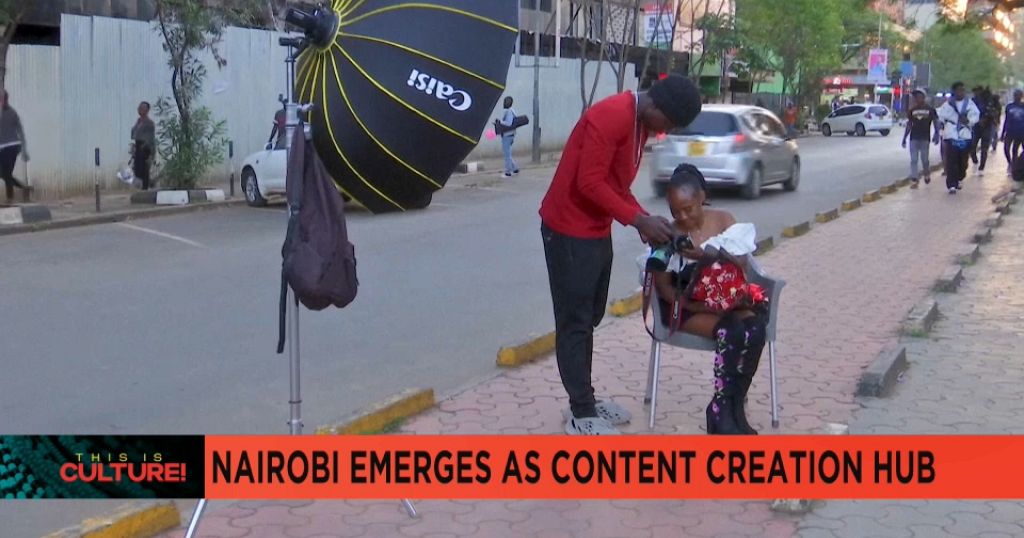
African governments are finally backing creators with real money, policies and digital hubs. Discover how Kenya, Nigeria, Rwanda and South Africa are funding influencers, filmmakers and digital entrepreneurs—and how you can plug into this new wave.
How african government support for creators is reshaping the digital economy
You are living through a major shift: african government support for creators is no longer a slogan. It is becoming real money, real policies, and real digital hubs that you can tap into today. Moreover, governments in Kenya, Nigeria, Rwanda, South Africa and beyond now see you — the influencer, filmmaker, gamer, podcaster or designer — as a driver of jobs and exports, not just entertainment.
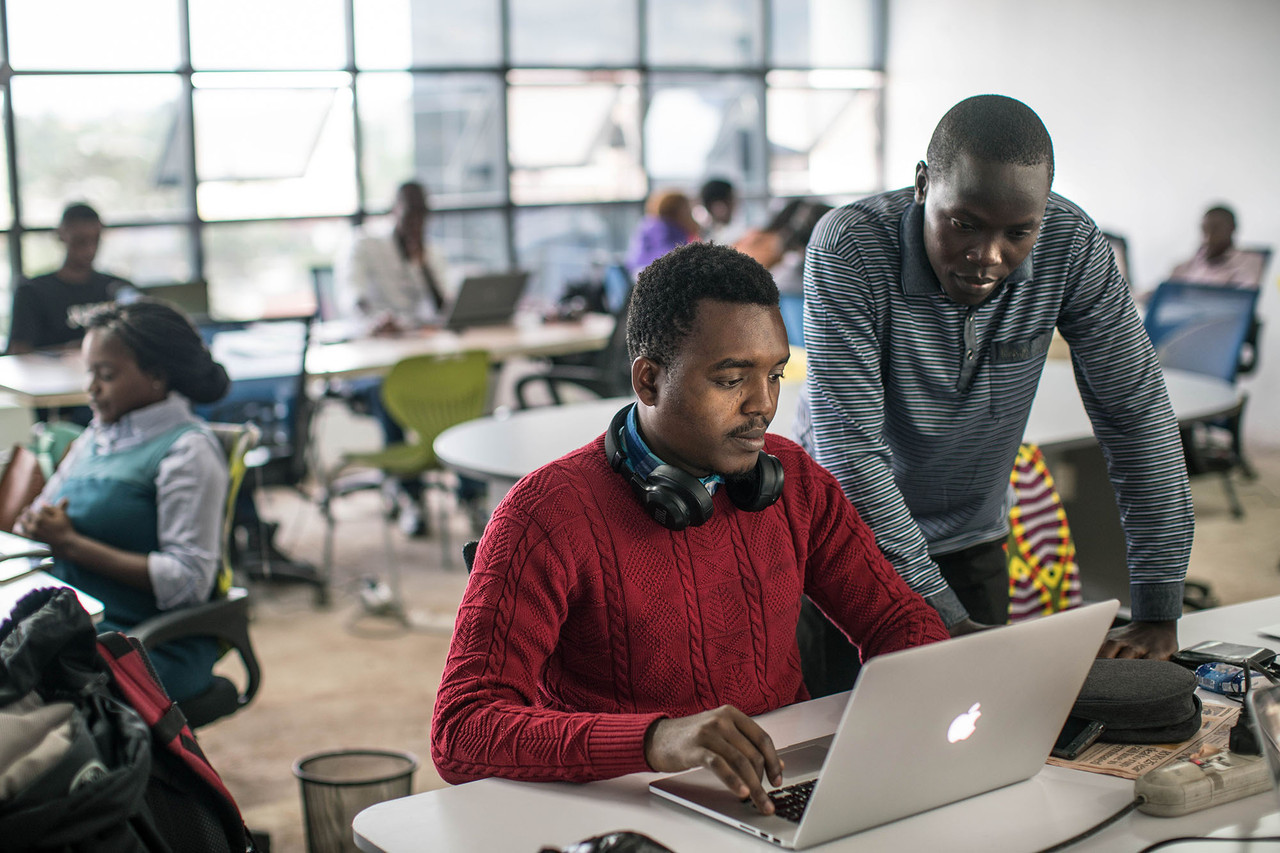
Consequently, the African creator economy is turning into one of the continent's fastest-growing sectors, valued in the billions of dollars and rising every year. Furthermore, new public funds, tax incentives, and innovation programs are helping you turn content into a sustainable business. In this guide, you will discover where governments are backing creators, how to plug in, and what this means for Africa's next decade of growth.
Why african government support for creators matters now
Across the continent, the creator economy covers much more than viral dances and memes. According to recent analyses of Africa's digital landscape, creators now include vloggers, digital artists, online teachers, podcasters, game streamers and fashion influencers who monetize their audience across platforms. Additionally, reports such as the 2024 Africa Creator Economy insights show that African creators still face big barriers like limited funding, patchy infrastructure and narrow market access.
However, governments are starting to respond, because they see three powerful shifts. First, digital creators help countries diversify away from raw commodities and build soft power through music, film, fashion and design. Second, creators pull in foreign revenue via streaming platforms, brand deals and digital products, which boosts national exports. Third, creator-led startups are building tools, marketplaces and fintech products that sit at the heart of modern Technology & Innovation.
As a result, ministries of ICT, culture, youth and trade are working more closely with creators and tech founders. Notably, you now see public-backed funds for film financing, subsidised studio spaces, digital training programs, and tax breaks for production and post-production. If you build smart, you can align your creator business with these priorities and access support that did not exist even five years ago.
Kenya: digital hubs, film rebates and the Silicon Savannah creator push
Kenya has quietly become one of East Africa's most creator-friendly governments. Moreover, the Ministry of ICT and the Kenya Film Commission view the creative sector as central to the country’s digital transformation agenda. Nairobi's "Silicon Savannah" now blends fintech, content creation, gaming and influencer marketing into one ecosystem.
Importantly, several initiatives support creators directly:
- Kenya Film Commission rebates: The government offers film incentives and rebates to reduce production costs for local and international filmmakers. Consequently, this makes it easier for you to shoot web series, documentaries or streaming films on Kenyan soil.
- Kenya Film Empowerment Programme (KFEP): The Commission regularly launches calls for funding to support script development, production and post-production for Kenyan storytellers.
- Studio Mashinani and digital hubs: The government has set up community studios and digital innovation spaces across counties, giving young creators access to equipment, internet and training.
- Konza Technopolis & innovation hubs: As Konza City grows, it is positioning itself as a home for tech-driven media startups, gaming studios and content labs that can work with creators.
In addition, Kenya’s content scene is boosted by the global success of Amapiano-leaning Kenyan DJs, TikTok comedians and YouTube storytellers who monetise audiences from Nairobi to New York. For instance, rising digital creators from Kenya are forming agencies and collectives that pitch to brands and collaborate with public institutions on campaigns in health, tourism and youth engagement.
Therefore, if you are a Kenyan creator, you should track calls from the Kenya Film Commission, the Ministry of Youth and the ICT Authority. Furthermore, you can plug into local startup hubs in Nairobi and Mombasa, especially if you build creator tools, marketplaces or production companies that employ more young people.
How to plug into Kenya’s creator-friendly ecosystem
To unlock these opportunities, you need a clear plan. Firstly, map your niche: are you a filmmaker, fashion creator, gaming streamer or educator? Secondly, identify which public programs align best with your work. For film or series, explore rebate schemes and empowerment grants. For digital content, look at youth-focused innovation challenges or startup accelerators with government backing.
Additionally, you should:
- Regularly check government portals and social channels for calls for proposals or content competitions.
- Join local creator associations that often have direct relationships with ministries and commissions.
- Collaborate with Kenyan tech startups in fintech, edtech or healthtech, where your influence can amplify impact campaigns.
Ultimately, the more you see yourself as a creative entrepreneur, the easier it becomes to align with government-backed innovation and funding streams.
Nigeria: creative industry funds, export-focused policies and Nollywood’s spillover
Nigeria is a powerhouse of the global creator economy, and african government support for creators is strongest here in film and music. Furthermore, the success of Afrobeats superstars and Nollywood has convinced policymakers that content is a strategic export. As a result, federal and state governments have launched funds and frameworks to professionalise the creative sector.
Historically, initiatives like the Central Bank’s Creative Industry Financing Initiative (CIFI) offered loans for film, music, fashion and IT businesses. While the policy landscape keeps evolving, the direction is clear: creators and creative-tech startups sit at the heart of Nigeria’s digital economic agenda. Additionally, Nigeria’s creative sector is pegged at billions of dollars in value, with millions of young people using platforms like YouTube, TikTok and Instagram to build careers.
Notably, the latest reports on Nigeria’s creator economy show a sharp rise in diversified income streams, from digital products and online courses to membership communities and brand partnerships.[1] Moreover, this growth aligns with government pushes for digital skills, financial inclusion and tech-driven jobs. When you position your content as a job creator, you fit directly into the narrative policymakers want to support.
Key Nigerian programs you should know
For Nigerian creators, several policy and program trends are particularly important:
- Creative and entertainment industry funds: Different administrations have launched targeted funds or loan schemes for entertainment businesses, including studios, fashion houses and media startups.
- Film village and studio infrastructure plans: Federal and state governments have floated projects for film villages and content hubs, which create new jobs and production pipelines.
- Export promotion for creative content: Agencies responsible for exports and investment now actively promote music, film and digital content as tradable services.
- Collaborations with global platforms: Nigeria has partnered with global tech companies and streaming platforms on training programs for digital skills and creative entrepreneurship.
Additionally, Lagos, Abuja and other cities now host accelerators that target creators and media-tech startups. For instance, some programs connect influencers and digital storytellers with fintech or health-tech startups to run campaigns that support national goals like financial inclusion and public health. Therefore, if you are a Nigerian creator, you should see yourself not only as an entertainer, but as a strategic partner for both government and industry.
To stay ahead, follow policy announcements from the Ministry of Information and the Ministry of Communications, Innovation and Digital Economy. Furthermore, keep an eye on opportunities amplified by industry bodies and global research such as the Communiqué Africa Creator Economy Report, which tracks funding and platform trends across the continent.
Rwanda: a smart nation investing in creative talent and digital storytelling
Rwanda brands itself as a smart, innovation-driven nation, and creators are part of that vision. Moreover, the government’s strategy links tourism, technology, conferences and culture into one coherent narrative. As a creator, this matters because your content can showcase Rwanda’s landscapes, innovation hubs and lifestyle to the world.

Rwanda has invested heavily in broadband, tech parks and public-private partnerships that power digital skills training. For example, Kigali Innovation City and other hubs host startups in gaming, animation, media-tech and edtech. Furthermore, the government collaborates with international partners, universities and private firms to offer coding, design and storytelling programs for young people.
Specifically, Rwanda’s institutions have supported initiatives for film festivals, animation labs and photography residencies, which attract regional and global audiences. Consequently, local creators get exposure, mentorship and international distribution channels. When you plug into this ecosystem, you gain more than funding; you gain networks and visibility.
How Rwandan creators can ride the innovation wave
If you are based in Rwanda, you sit close to one of Africa’s most organised digital policy environments. Additionally, the government is known for clear long-term plans around ICT and innovation. To benefit as a creator, you should:
- Engage with local innovation hubs and co-working spaces that host media-tech projects and creator meet-ups.
- Apply for regional programs in film, animation and design that often hold events in Kigali.
- Partner with tourism boards and private companies looking for fresh digital campaigns and visual storytelling.
In addition, Rwanda’s focus on conferences and global events creates a steady demand for creative services. From event coverage to branded content, your skills can plug into a steady pipeline of high-value projects that align with national development goals.
South Africa: film incentives, digital content hubs and a mature creative ecosystem
South Africa has one of Africa’s most advanced creative industries, with world-class film locations, post-production studios and ad agencies. Importantly, the South African government offers structured film and TV incentives that attract big productions and support local talent. These programs reduce qualifying production costs and encourage investment in local skills and infrastructure.
Furthermore, South Africa’s cities — especially Cape Town and Johannesburg — host a dense network of creative agencies, production houses, gaming studios and fashion brands. For you as a creator, this means access to professional crews, equipment rentals, training programs and brand partnerships. Additionally, public broadcasters and private channels commission content from independent producers, opening doors for digital-first storytellers.
Beyond film, the country also supports cultural and creative industries through dedicated grants and partnerships. For instance, agencies and foundations have backed music, theatre, design and digital arts projects that travel across Africa and Europe. Therefore, South African creators sit in a strong position to export content and collaborate with global brands.
Digital hubs and creator spaces in South Africa
Several innovation hubs and creative districts in South Africa now blend tech startups with content studios. Moreover, co-working spaces host podcast labs, YouTube studios and photography setups that you can rent at accessible rates. As a result, you do not always need to invest in expensive equipment to produce professional-level content.
To make the most of this environment, consider:
- Joining media and tech incubators that provide mentorship, legal support and access to investors.
- Connecting with film commissions and city authorities that manage location permits and incentive programs.
- Exploring pan-African partnerships with creators in Nigeria, Kenya, Ghana and beyond for cross-border campaigns.
Additionally, South African creators often lead in experimental formats like web series, short-form documentaries and high-end fashion films. If you study their business models, you can adapt similar strategies for your own market.
Policy trends powering the African creator economy
Beyond country-specific programs, some policy trends are emerging across Africa that support creators. Firstly, more governments are including creative and digital industries in national development plans. Secondly, ministries of culture and ICT are collaborating more closely than before. Thirdly, public-private partnerships are shaping training, funding and distribution.
According to recent studies of the African creator economy, the sector is part of a broader socioeconomic renaissance driven by digital tools and youthful talent.[2] Additionally, research shows that creators need reliable infrastructure, fair payment systems and access to global markets to thrive.[3] Governments that tackle these issues with smart policies give their creators a head start.
Key policy levers include:
- Tax incentives and rebates: Many countries now offer film and TV rebates, and some explore incentives for animation, gaming and digital content.
- Youth employment programs: Several initiatives frame creative skills as part of youth employment strategies, funding training and apprenticeships.
- Digital infrastructure investment: Expanding broadband and reducing data costs helps creators upload, stream and collaborate more easily.
- Intellectual property (IP) reforms: Governments are slowly improving IP enforcement to protect creators from piracy and unfair contracts.
- Export promotion: Cultural exports, including music and film, appear more often in trade and export promotion plans.
Moreover, global platforms and multilateral bodies recognise Africa’s creative potential. For example, organisations like UNCTAD and UNESCO track creative economy data and encourage governments to invest in these sectors. When you align your work with this global conversation, you become part of a continental story about innovation and growth.
Digital innovation hubs: where tech startups and creators collide
Across Africa, digital innovation hubs are emerging as the natural homes of the creator economy. Importantly, these spaces bring together software developers, fintech founders, designers, videographers, and influencers under one roof. Consequently, they make it easier for you to blend content with technology and finance.
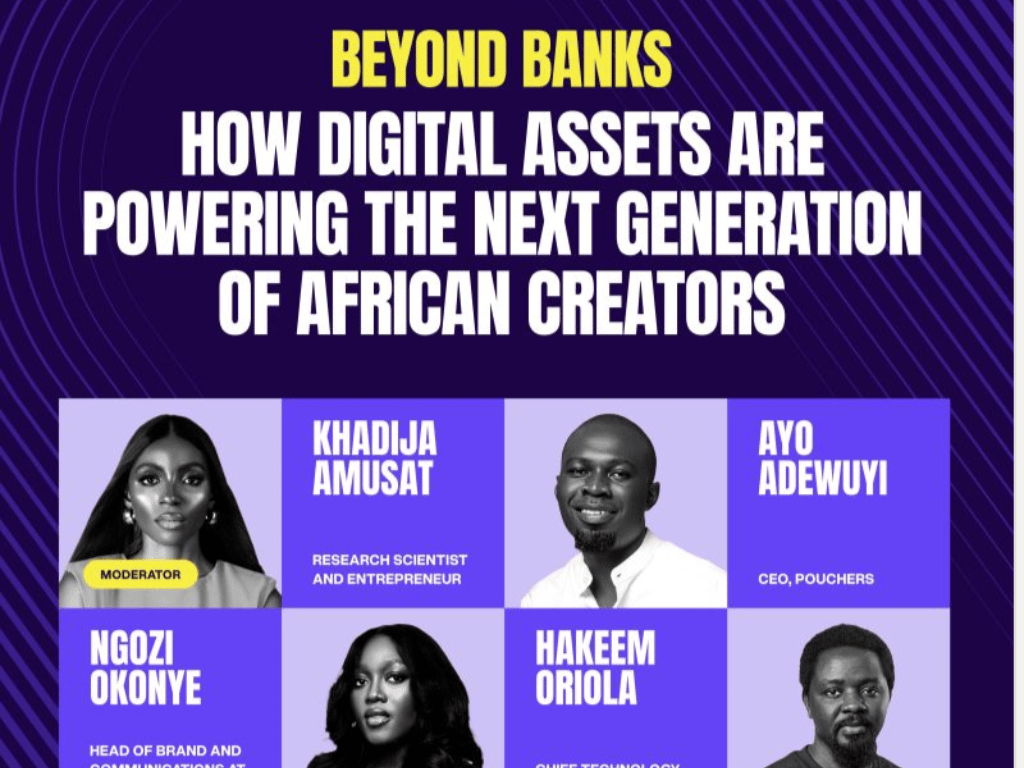
In Lagos, Nairobi, Kigali, Cape Town and Accra, hubs host hackathons, creator bootcamps and brand storytelling workshops. Additionally, they often work with government ministries and development partners to roll out grants and accelerator programs. If you walk into these spaces with a clear idea — a creator marketplace, a content analytics tool, a fashion media brand — you can access mentors, investors and policy-makers in one place.
Furthermore, innovation hubs are the frontline for new revenue models in the African creator economy. Many experiments around tipping, micro-subscriptions, NFTs, local streaming platforms and creator fintech tools start here. As you test new products and services, you help shape the next wave of Technology & Finance innovation on the continent.
Why you should treat yourself as a startup
To fully benefit from african government support for creators, you should start thinking like a startup founder. Additionally, governments and investors understand startups, pitch decks and scalable models. When you frame your work as a creative-tech business with clear revenue streams, you fit easily into existing support structures.
Consider how you can:
- Package your services and content products into a clear, scalable business model.
- Build a small but focused team, even if they start as collaborators or freelancers.
- Track your metrics — views, engagement, revenue, audience geography — to show traction to funders.
- Explore collaborations with African tech startups that need strong storytelling and influencer partnerships.
Moreover, when you present yourself at hubs, conferences or investor meetings, arrive with a concise pitch that shows how your content creates jobs, exports culture and drives digital inclusion. This language mirrors what policymakers need to hear.
Actionable steps to tap into african government support for creators
Now that you understand the landscape, you need a practical roadmap. Fortunately, there are clear steps you can take to connect your creator journey with public support. Moreover, these steps apply whether you are in Nairobi, Lagos, Kigali, Johannesburg or any other African city.
- Research national and local programs: Start by exploring official websites of ministries of culture, ICT and youth. Additionally, follow their social media accounts, where calls for proposals and grant announcements are often posted first.
- Join creator and industry associations: Many countries now have guilds or associations for filmmakers, musicians, fashion designers and digital creators. Consequently, these bodies often sit at the table when governments design new policies.
- Leverage hubs and accelerators: Identify innovation hubs, incubators and accelerators that have tracks for media, entertainment or creative-tech. Furthermore, treat each application as a chance to refine your pitch and business model.
- Document your impact: Keep records of your audience numbers, brand collaborations, jobs created and social impact. Importantly, these metrics help you compete for grants and funds.
- Build cross-border collaborations: Partner with creators from other African countries to design regional projects. Additionally, many donor-funded programs prefer cross-country collaborations that scale impact.
As you move through these steps, stay open to feedback and iteration. Ultimately, the creators who benefit most from public support are those who treat their craft as a business, stay informed, and build strong networks across Business & Economy, Technology and Culture & Lifestyle.
Rising African creators to watch – and learn from
Throughout Africa, a new wave of content creators, influencers and digital entrepreneurs is proving what is possible when creativity meets structure. Moreover, many of them work closely with brands, NGOs and sometimes government campaigns, without losing their authentic voice. When you study their journeys, you find playbooks for how to navigate funding, community-building and policy spaces.
For instance, East African travel vloggers now partner with tourism boards to showcase new destinations, while Nigerian tech reviewers collaborate with fintech startups to demystify digital finance tools. Additionally, South African fashion content creators host live shopping streams that spotlight local designers and manufacturers. Each of these collaborations strengthens the wider ecosystem, showing policymakers that creators drive real economic value.
Consequently, you should not only consume their content; you should analyse their business moves. How do they price brand deals? How do they diversify income? How do they stay consistent with production while scaling? As you answer these questions, you gain insights that you can apply within your own context.
Explore more on Topping Africa
If you want to stay ahead of the curve, you need the right information at the right time. Moreover, Topping Africa tracks the intersection of politics, culture, technology and the creator economy across the continent. Explore more of our coverage to sharpen your edge and discover new opportunities.
- Africa News – Stay updated on policy shifts, budget announcements and national strategies that affect creators.
- Entertainment – Discover the latest in African music, film, fashion and celebrity-driven content.
- Politics & Governance – Read more about how governments are shaping digital economies and creative industries.
Additionally, bookmark our Technology and Business & Economy sections to track emerging startups and funding trends. If you find an insight that sparks a new project idea, share your thoughts with your community and invite them to build alongside you.
What this means for your next move
African governments are not perfect, and support programs will always evolve. However, the direction of travel is clear: creators, influencers and digital storytellers now sit at the heart of Africa’s growth story. When you build with intention, you can surf this wave of positive African innovation rather than watch it pass by.
Therefore, your next move should be intentional. Identify one public program, hub or association you can engage with in the next 30 days. Additionally, set one clear goal — securing a grant, joining an accelerator, landing a government or NGO campaign — and work backwards from there. If this article has sparked ideas, subscribe to updates from policy bodies and creator platforms, and leave a comment or share your thoughts with fellow creators.
Ultimately, the creator economy is where African tech startups, fashion, music, influencer culture and policy meet. As you step into that intersection with clarity and courage, you do not just grow your brand — you help shape the future of the continent’s digital story. Now is the time to explore, to experiment and to claim your place in this new chapter.

Staff
Contributing writer at Topping Africa.
0 Comments
No comments yet. Be the first to share your thoughts!