
How African Creators Are Turning African Culture Into Global Digital Businesses
African creators are building global digital businesses by turning cultural identity — food, fashion, music, language, and storytelling — into scalable revenue beyond sponsored posts. This feature breaks down the exact models, common mistakes, and the IP opportunity most creators are missing. Discover how African culture is becoming the world's most valuable creative asset.
African Culture Is the Product — Not Just the Backdrop
For too long, African culture was treated as a backdrop — a visual flourish in a Western brand's campaign, a token drumbeat in a global playlist. That era is ending. A new generation of African creators is flipping the script, building international digital businesses where the culture itself is the core product, the distribution engine, and the revenue stream. This is not about going viral. It is about building something that lasts.
The numbers back this up. Deloitte's African Digital Media Trends report found that digital content consumption across sub-Saharan Africa grew by over 40% between 2020 and 2023. Diaspora audiences — Africans in the UK, US, Canada, and Europe — are among the most engaged and highest-spending online communities in the world. They are hungry for authentic content that reflects who they are. Creators who understand this are not chasing algorithms; they are building empires.

This article breaks down exactly how creators across the continent and the diaspora are monetizing identity — through food, fashion, music, language, storytelling, and local knowledge — and what separates the ones building sustainable businesses from those stuck on the sponsored-post treadmill.
The Diaspora Demand Gap Nobody Talks About
Here is the real opportunity most creators miss: diaspora audiences do not just want entertainment — they want belonging. A Nigerian in Toronto does not need another generic lifestyle vlog. She wants someone who explains how to make egusi soup with ingredients from a Canadian grocery store, who code-switches between Yoruba and English the way she does, and who validates her experience of living between two worlds.
This demand gap is massive and largely unserved by mainstream media. Creators who fill it are not competing with Netflix or BBC. They are filling a cultural niche that those platforms structurally cannot reach. That specificity is a moat, not a limitation.
Consider how Funke Akindele's Everybody Loves Jenifa shattered UK box office records — not because it was a universal story, but precisely because it was a deeply Nigerian one. Diaspora audiences paid premium prices to see themselves on screen. That is the same principle at work for individual creators building YouTube channels, Substack newsletters, or Patreon communities around African identity.
The mistake many creators make is watering down their cultural specificity to appeal to a broader audience. The data says the opposite works better. Niche depth drives loyalty; loyalty drives recurring revenue.
Six Cultural Pillars Creators Are Monetizing Right Now
African culture is not a monolith, and the smartest creators know this. They pick one or two pillars and go deep. Here is what is actually working:
1. Food and Recipe Content
African food content is exploding globally. Creators building around jollof rice, injera, bunny chow, or suya are not just posting recipes — they are selling cookbooks, running paid cooking classes on Zoom, licensing recipes to food brands, and building product lines. A Lagos-based food creator with 80,000 YouTube subscribers can earn more from a self-published digital cookbook ($15–$25 per sale) than from three months of brand deals, if they have built genuine trust with their audience.
2. Fashion and African Textile Identity
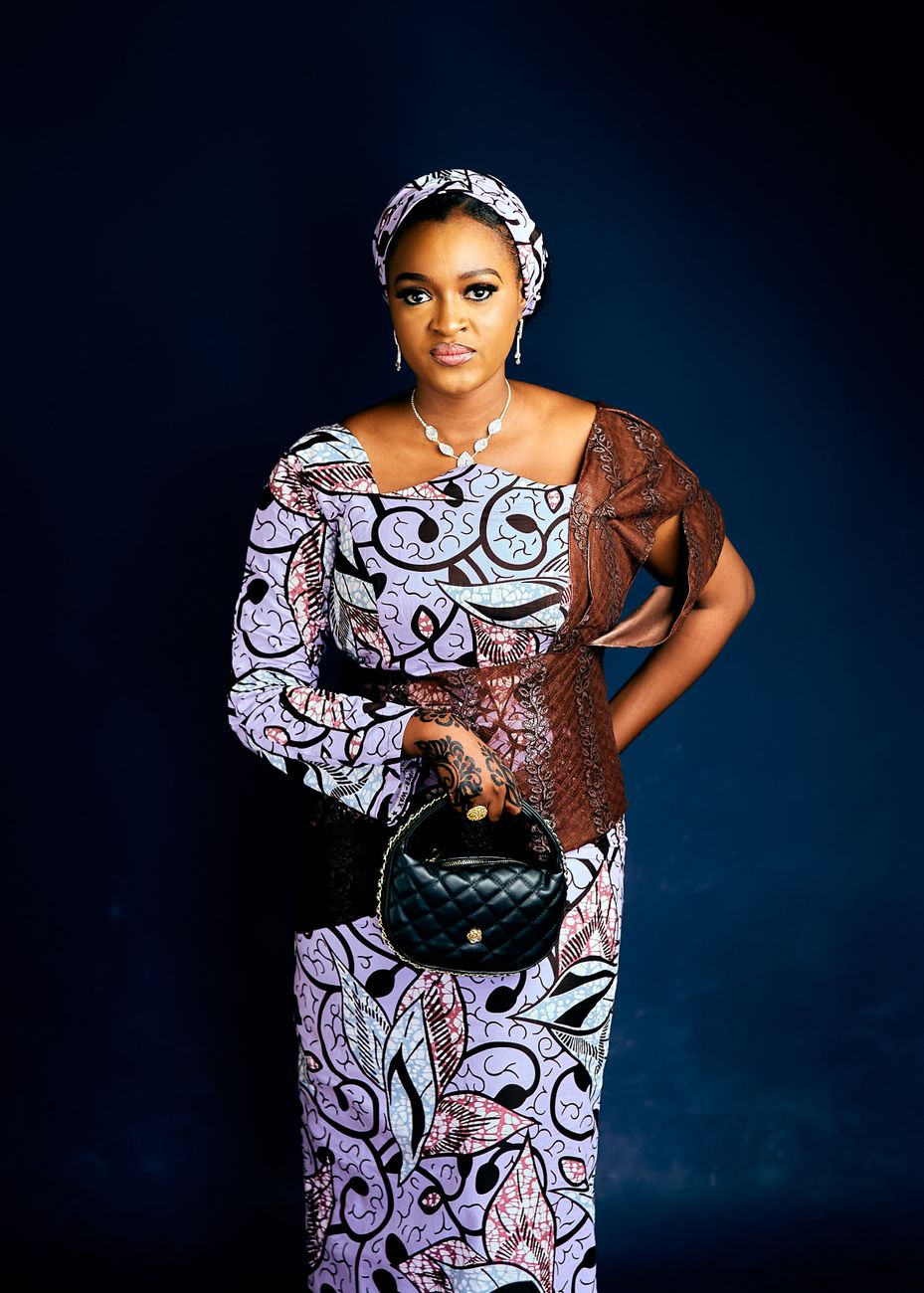
Creators in the fashion space are turning Ankara prints, kente cloth, and aso-oke into global e-commerce businesses. The model that works: build the audience around styling content, then launch a curated shop or a made-to-order service. Platforms like Shopify and Etsy give creators direct-to-consumer reach without a middleman. The key trade-off here is time — building a fashion brand takes longer than a course, but the margins are significantly higher and the brand equity compounds.
3. Music and Audio IP
Afrobeats, Amapiano, Afropop — African music genres are dominating global charts, and the creators who own their masters own their futures. Tiwa Savage's international collaborations and Burna Boy's crossover success are the headline examples, but the same principle applies to independent creators. Artists who distribute through TuneCore or DistroKid while retaining 100% of their publishing rights are building assets, not just streams. Sync licensing — getting your music placed in TV shows, ads, and films — can generate $500 to $50,000 per placement.
4. Language and Education
There are over 2,000 languages spoken across Africa. Creators teaching Twi, Igbo, Zulu, Amharic, or Swahili to diaspora audiences are tapping into a deep emotional need. A Swahili language creator on YouTube can monetize through AdSense, a paid course on Teachable, and a private Discord community — three revenue streams from one content pillar. The emotional hook is powerful: people pay to reconnect with a language their parents spoke.
5. Storytelling, Film, and IP Development
Original intellectual property is where the biggest long-term money is. African creators who develop original characters, scripts, and story universes own something that can be licensed, adapted, and sold globally. The rise of AI tools in African filmmaking is lowering the barrier to producing high-quality short films and animated content. A web series built around an original African story concept is not just content — it is a pilot for a much larger deal.
6. Local Knowledge and Business Intelligence
Creators who package local market knowledge — how to start a business in Ghana, how to navigate real estate in Lagos, how to import goods from Kenya — are building highly monetizable information products. This audience pays. A well-structured online course on African market entry can sell for $200–$500 per student, and diaspora entrepreneurs are a ready-made, high-intent buyer pool.
Beyond Sponsored Posts: Revenue Models That Actually Scale
Sponsored posts are not a business model — they are a feature of one. The creators building real businesses treat brand deals as one line item among many, not the whole income statement. Here is how the revenue stack actually looks for a creator doing this well:
- Digital products: E-books, recipe guides, language packs, templates — high margin, no inventory, scalable.
- Online courses and cohorts: Platforms like Kajabi or Teachable let creators charge $100–$500+ for structured learning experiences.
- Community memberships: Patreon, Discord, or Circle communities with monthly fees of $5–$50 generate predictable recurring revenue.
- Licensing and IP deals: Music sync, content licensing, character IP — the highest upside but requires original work.
- Live events and experiences: Workshops, pop-ups, cultural dinners — high-ticket and brand-building.
- E-commerce: Physical products tied to cultural identity — fashion, food products, art prints.
- Consulting and speaking: Creators with niche expertise command $500–$5,000 per engagement.
The most common mistake? Trying to launch all of these at once. The creators who scale pick one secondary revenue stream, build it to $2,000–$3,000 per month, then add the next. Sequence matters more than variety.
For a deeper look at what African creators are actually earning across these models, this 2026 guide to creator rates and revenue breaks down realistic income ranges by niche and platform.
Building Community First: The Infrastructure of a Cultural Business
Revenue follows community. This sounds obvious, but most creators get the order wrong — they build a product and then try to find an audience for it. The creators succeeding with African culture as their business do the reverse: they build a deeply loyal community first, then ask that community what they want to buy.
The tools for this are straightforward. An email list is the single most valuable asset a creator can own — unlike Instagram followers or TikTok fans, your email list cannot be taken away by an algorithm change. Creators building around African culture should be converting social followers to email subscribers from day one. A list of 5,000 engaged subscribers in the diaspora is worth more than 50,000 passive Instagram followers.
WhatsApp communities deserve a special mention here. Across Africa and the diaspora, WhatsApp is the primary communication platform. Creators who build active WhatsApp groups around their content niche — a food creator's recipe-sharing group, a language creator's practice community — are building relationships that convert to sales at rates social media simply cannot match. Statista estimates over 100 million WhatsApp users in Africa alone, making it an underused creator monetization channel.
Consistency compounds. A creator who publishes one deeply researched piece of cultural content per week for two years will outperform one who posts daily for three months and burns out. The diaspora audience rewards creators who show up reliably — they are looking for a trusted voice, not just content volume.
The IP Opportunity Most African Creators Are Sleeping On
Original intellectual property is the single biggest unlock for African creators in the next decade. A creator who builds a recurring character — a fictional Nairobi entrepreneur, an animated Ghanaian grandmother, a web comic set in Accra — owns an asset that can be licensed to streaming platforms, adapted for merchandise, and sold globally without the creator being present.
This is not hypothetical. The success of Nollywood as a global industry, the international reach of South African crime dramas like those set in Johannesburg, and the breakout of African animated content on YouTube all point to the same conclusion: the world wants African stories told by Africans. Creators who develop original IP now are positioning themselves for deals that simply do not exist yet for creators who only produce social media content.
The practical starting point is simple: write down your original characters, your story concepts, your fictional worlds. Register them. Protect them. Then start building them into content. A short film, a comic strip, a podcast series — these are all proof-of-concept vehicles for IP that can scale. You can see how African creators are already making this transition into media businesses and draw a direct playbook from their moves.
Common Mistakes That Stall Cultural Creators
Not every creator who understands this opportunity executes it well. These are the patterns that consistently hold creators back:
- Chasing trends instead of building a pillar. Jumping on every viral format dilutes your cultural identity and confuses your audience about what you stand for.
- Underpricing cultural knowledge. Many African creators charge less than their Western counterparts for equivalent expertise. Your knowledge of Yoruba business culture or Ethiopian coffee ceremony traditions has genuine market value — price it accordingly.
- Ignoring contracts and IP registration. Verbal agreements with brands and collaborators are how creators lose money and ownership. Every deal needs a written agreement, and every original work should be registered.
- Building only on rented platforms. A TikTok ban, a YouTube demonetization, an Instagram algorithm change — any of these can wipe out years of work if you have not built off-platform assets like an email list or a website.
- Skipping the business fundamentals. Separate bank accounts, basic bookkeeping, understanding tax obligations — these are not optional extras. They are the infrastructure that lets a creator operate professionally and attract serious brand partners.
What the Next Five Years Look Like for African Cultural Creators
The trajectory is clear. As African internet penetration deepens, as diaspora communities grow and gain purchasing power, and as global platforms actively seek non-Western content to diversify their libraries, the market for authentic African cultural content will expand dramatically. The GSMA's State of Mobile Internet Connectivity report projects that an additional 300 million Africans will come online by 2030 — that is 300 million new potential audience members for creators building now.
The creators who will lead this wave are not the ones with the biggest budgets. They are the ones who go deepest into their cultural niche, build the most loyal communities, and diversify their revenue beyond the algorithm's whims. They treat their culture as intellectual property worth protecting and monetizing, not just a content theme worth posting about.
African culture has always shaped the world — in music, fashion, language, food, and story. The digital economy is finally creating the infrastructure for African creators to capture the economic value of that influence directly. The window is open. The question is who steps through it.
Ready to get your work in front of a global audience? Discover African creators already building at scale on Topping Africa, or promote your own creative work to diaspora audiences and brand partners who are actively looking for authentic African voices.
Staff
Contributing writer at Topping Africa.
0 Comments
No comments yet. Be the first to share your thoughts!