How African Content Creators Can Turn Followers Into Sustainable Businesses

About 60% of African creators earn below $100 per month — not because their content lacks quality, but because most lack a monetisation strategy. This guide breaks down seven proven income streams, from brand partnerships and digital products to memberships and cross-border payments, with specific tools, realistic figures, and the trade-offs that matter for building a real African business from your audience.
The African Business Reality: Big Audiences, Small Paycheques
The numbers are stark. Roughly 60% of African creators earn below $100 per month — not because their content lacks quality, but because most are still trading time and attention for platform crumbs. Building a real african business from a creator account is entirely possible, but it demands a deliberate shift from content production to value architecture. This article lays out exactly how to make that shift, with specific tools, realistic figures, and the trade-offs nobody else will tell you about.

Platforms like TikTok, YouTube, and Instagram reward consistency with reach — not income. A Nigerian creator with 200,000 followers might earn $40 from the TikTok Creator Fund in a month. Meanwhile, a Kenyan entrepreneur with 8,000 newsletter subscribers selling a $25 digital guide can clear $2,000 in a weekend launch. Audience size is a vanity metric. Monetised audience depth is the real asset.
The good news? The infrastructure for African creators to own their revenue streams has never been more accessible. Payment processors, digital product platforms, licensing frameworks, and community tools have all matured. The gap is not opportunity — it is strategy.
Brand Partnerships: How to Command Real Rates
Brand deals are the first monetisation path most creators chase, and also the one most mishandled. The common mistake is pitching reach instead of outcomes. A brand does not pay for followers; it pays for conversions, brand lift, and audience trust. Reframe every pitch around those three things.
Rates vary enormously by niche and platform. A South African lifestyle creator with 50,000 engaged Instagram followers can reasonably charge $300–$800 per sponsored post. A tech-focused creator in Ghana with a smaller but highly targeted audience of 15,000 can charge the same — or more — because the audience matches the advertiser's buyer profile precisely. For context on realistic rate benchmarks, the 2026 Africa creator income guide on Topping Africa breaks down platform-by-platform figures in detail.
- Build a media kit that includes engagement rate, audience demographics, past campaign results, and three content samples. A PDF with real numbers beats a follower count every time.
- Negotiate usage rights separately. If a brand wants to repurpose your video in their own ads, that is a licensing fee on top of the creation fee — typically 20–50% extra.
- Require a deposit. Ask for 50% upfront before any work begins. Late payment is endemic in the creator economy; a deposit filters out time-wasters fast.
- Set a minimum deal floor. Decide the lowest amount you will accept and never go below it, regardless of "exposure" promises.
Long-term brand ambassador deals are the real prize. A six-month retainer with a fintech brand at $500/month is $3,000 — more predictable than chasing one-off posts. Pitch for retainers explicitly; most brands default to one-offs only because creators never ask.
Digital Products and Licensing: Own What You Create

Intellectual property ownership is the single biggest lever African creators are leaving untouched. A tutorial video, a beat, a photography preset, a recipe e-book — these are assets that can generate income while you sleep. The creator who made it once and sells it a thousand times has built leverage. The creator who only sells their time has not.
Digital products that consistently work for African creators include:
- E-books and guides — A personal finance creator in Lagos selling a "Zero to Emergency Fund in 90 Days" PDF at $15 can move 200 copies in a launch week via WhatsApp and email alone. That is $3,000 from a document written once.
- Online courses and workshops — Platforms like Teachable and Selar (built specifically for African creators) allow you to host paid video courses. A photography course priced at $49 with 100 students is $4,900 — achievable with an audience of just 5,000 engaged followers.
- Templates and presets — Canva templates, Lightroom presets, Excel budget trackers. Low effort to create, high perceived value, and infinitely scalable.
- Music and audio licensing — African musicians and producers can license beats and tracks through platforms like Musicbed or directly to brands. A single sync license for a 30-second ad can fetch $200–$2,000 depending on usage.
Licensing is underused and underpriced by African creators. If a brand uses your photo in a campaign, that is not a free gift — it is a commercial license. Tools like SmartFrame and standard creative licensing agreements (available through WIPO frameworks) protect your work and open a revenue channel most creators never tap.
For a deeper look at how African creators are building full media businesses around their IP, this Topping Africa feature on seven creators doing exactly that is worth your time.
Memberships and Community Revenue: The Recurring Income Model
Ad revenue is unpredictable. Brand deals are lumpy. Memberships are different — they generate income every single month, from people who have already chosen to pay. For any creator serious about building a sustainable african business, a membership tier is non-negotiable.
The mechanics are simple. You offer exclusive value — early access, private Q&As, members-only content, a community group — and charge a monthly fee. The key is that the exclusive value must be genuinely exclusive. A WhatsApp group where you post the same content as your public channels will not hold subscribers past month two.
Platforms to consider:
- Patreon — Global reach, but charges 8–12% in fees. Works best for creators with international audiences.
- Selar — Nigeria-based, supports Naira payments, lower fees, and integrates well with WhatsApp-based communities. A strong choice for West African creators.
- Substack — Excellent for writers and newsletter creators. Free to start; takes 10% of paid subscriptions. Builds an email list you own, not a follower count a platform controls.
- Discord + direct bank transfer — Some African creators bypass platforms entirely, running paid Discord communities with manual payment collection. Zero fees, but requires more admin work.
A realistic membership model: 200 paying members at $5/month equals $1,000/month in recurring revenue. Scale to 500 members and you have a $2,500/month base before any other income stream kicks in. The trade-off is that memberships require consistent delivery. Missing a week of member content will trigger cancellations faster than anything else.
Affiliate Income and Events: Two Overlooked Revenue Streams
Affiliate marketing is the easiest income stream to start — and the easiest to do badly. The mistake most creators make is promoting anything that has an affiliate programme, regardless of relevance. An African travel creator pushing a VPN affiliate link loses audience trust fast. Relevance is everything.
Done right, affiliate income is passive and compounding. A beauty creator in Nairobi who recommends five products she genuinely uses, links them in every video description, and builds a YouTube library of 80 videos can earn $300–$600/month in affiliate commissions with zero additional effort once the videos are live. The key metrics to track: click-through rate on your affiliate links and conversion rate by product. Kill anything with under 1% conversion after 30 days.
High-performing affiliate programmes for African creators include:
- Amazon Associates (for creators with US/UK audiences)
- Jumia affiliate programme (for West and East African audiences)
- Flutterwave and Paystack referral programmes (for fintech content creators)
- SaaS tools like Canva Pro, Notion, and ConvertKit — all offer 20–30% recurring commissions
Events — both virtual and in-person — are a high-margin revenue stream that creators consistently underestimate. A paid virtual masterclass at $20 with 150 attendees generates $3,000 in a single afternoon. An in-person workshop in Accra or Nairobi at $50 per ticket with 60 attendees is $3,000, plus potential sponsorship income layered on top.
The operational lift is real: venue, logistics, promotion. But events also build community depth that no algorithm can replicate. Attendees become your most loyal customers for every other product you sell afterward. Treat events as a relationship investment, not just a revenue event.
Solving the Cross-Border Payment Problem
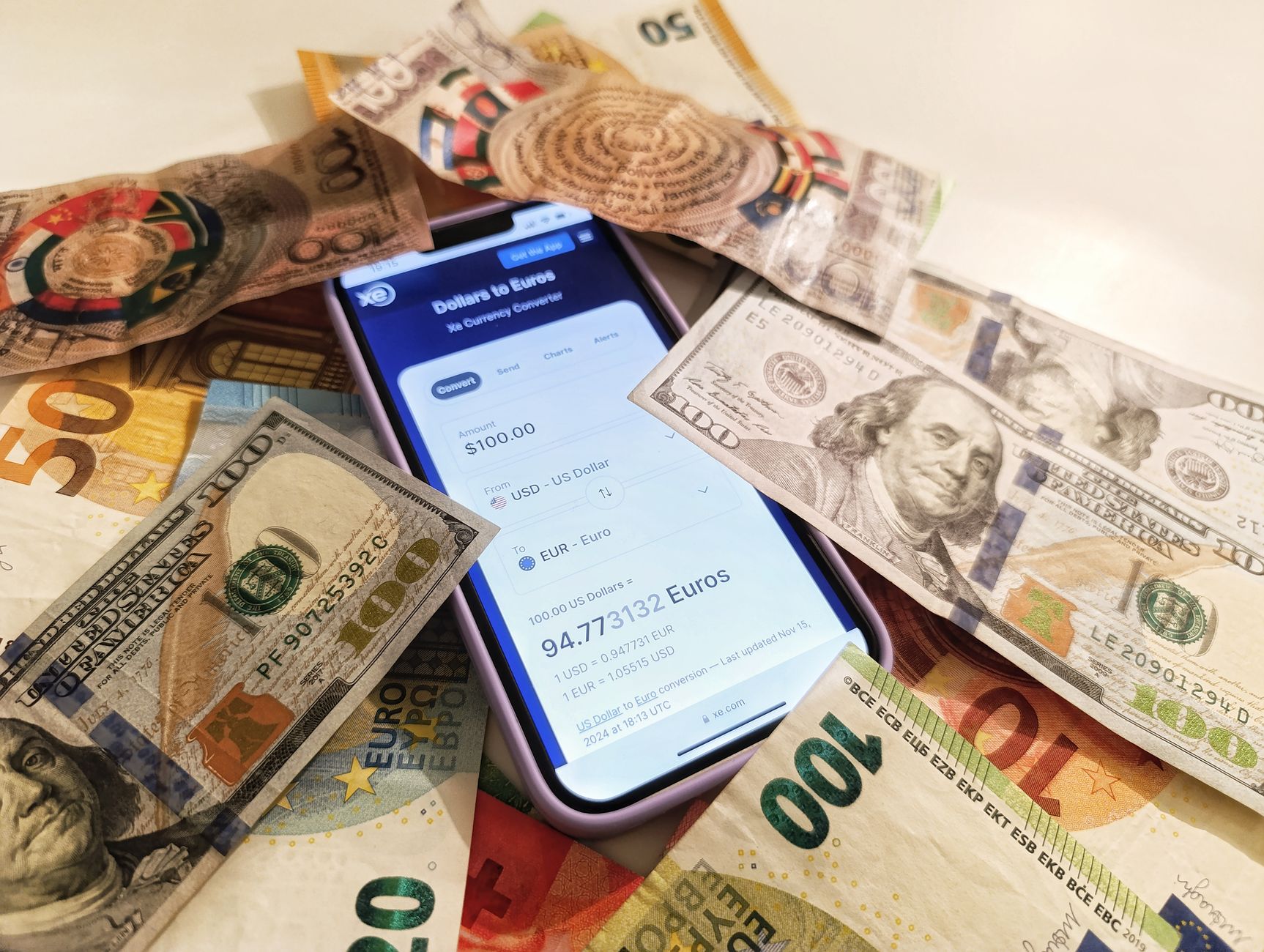
Here is the friction point that kills more creator businesses than any other: getting paid. A brand in Germany wants to pay a creator in Côte d'Ivoire. A US-based subscriber wants to join a Ugandan creator's membership. Without the right infrastructure, these transactions fail or bleed money in fees.
The practical solutions in 2025–2026:
- Flutterwave — Accepts payments from 150+ countries and supports payouts in local African currencies. Ideal for creators selling digital products to international buyers.
- Paystack — Strong in Nigeria, Ghana, Kenya, and South Africa. Integrates with Selar and most major e-commerce tools.
- Wise (formerly TransferWise) — Best for receiving payments from international brands. Low fees, real exchange rates, and available in most African countries.
- Stripe Atlas — Allows African creators to incorporate a US LLC and accept Stripe payments globally. Costs around $500 to set up but unlocks the entire global payment ecosystem.
- Chipper Cash — Built specifically for intra-Africa and Africa-to-diaspora transfers. No fees on personal transfers; low fees on business transactions.
The strategic move is to have at least two payment rails active simultaneously. If Flutterwave has a downtime event during your product launch, Paystack or a direct Wise link saves the sale. Single-point-of-failure payment setups have cost creators thousands of dollars in lost launch revenue.
Tax compliance is the unglamorous part nobody mentions. Once your creator income crosses meaningful thresholds, registering as a business entity — even a simple sole trader registration — protects you and makes brand partnerships easier to formalise. Many brands require an invoice from a registered business before they will process payment.
Building a Multi-Stream Business: The Stacking Strategy
No single income stream is enough on its own. The creators who build genuinely resilient african businesses are the ones who stack streams deliberately, not randomly. The sequence matters.
Start with one stream and master it before adding the next. A common and effective progression:
- Month 1–3: Launch one digital product. Validate that your audience will pay for something. Even $200 in sales proves the model.
- Month 4–6: Open a membership tier. Use your product buyers as the first recruits. They already trust you enough to pay.
- Month 7–9: Pitch three brand partnerships using your product sales data as proof of audience conversion. Real numbers beat follower counts in every pitch.
- Month 10–12: Add affiliate links to your top-performing content. By now you know what your audience actually buys.
- Year 2: Run your first paid event. Use your membership community as the core audience.
This is not a rigid formula. A music producer might start with licensing. A chef might start with a paid recipe e-book. The principle is the same: validate before you scale, and own before you rent.
Creators who have already cracked this model are proof it works. Explore how African entrepreneurs built empires from content and community — the patterns are instructive and repeatable.
Ready to get your work in front of brands and collaborators? Promote your creator profile on Topping Africa and connect with the ecosystem that is actively looking for African talent to work with. Discover more creators and opportunities at the Topping Africa creators directory — and start building the business your content deserves.
The Mindset Shift That Changes Everything
Sustainable creator businesses are not built by going viral. They are built by treating your audience as a community of customers, not a metric to report to brands. Every piece of content should either deepen trust, demonstrate expertise, or move someone closer to a purchase. That is the lens.
The creators earning $10,000/month in Africa are not necessarily the most talented or the most followed. They are the ones who stopped asking "how do I grow?" and started asking "how do I convert?" Growth and monetisation are different disciplines. Master both, and the income follows.
According to World Economic Forum research on Africa's creator economy, the continent's digital economy is projected to reach $180 billion by 2025. That is not a rising tide that lifts all boats automatically — it is an opportunity that rewards the creators who show up with strategy, not just content.
Your followers are already there. The business is the next step.
Staff
Contributing writer at Topping Africa.
0 Comments
No comments yet. Be the first to share your thoughts!