
African Entrepreneurs Who Built Empires From Content and Community
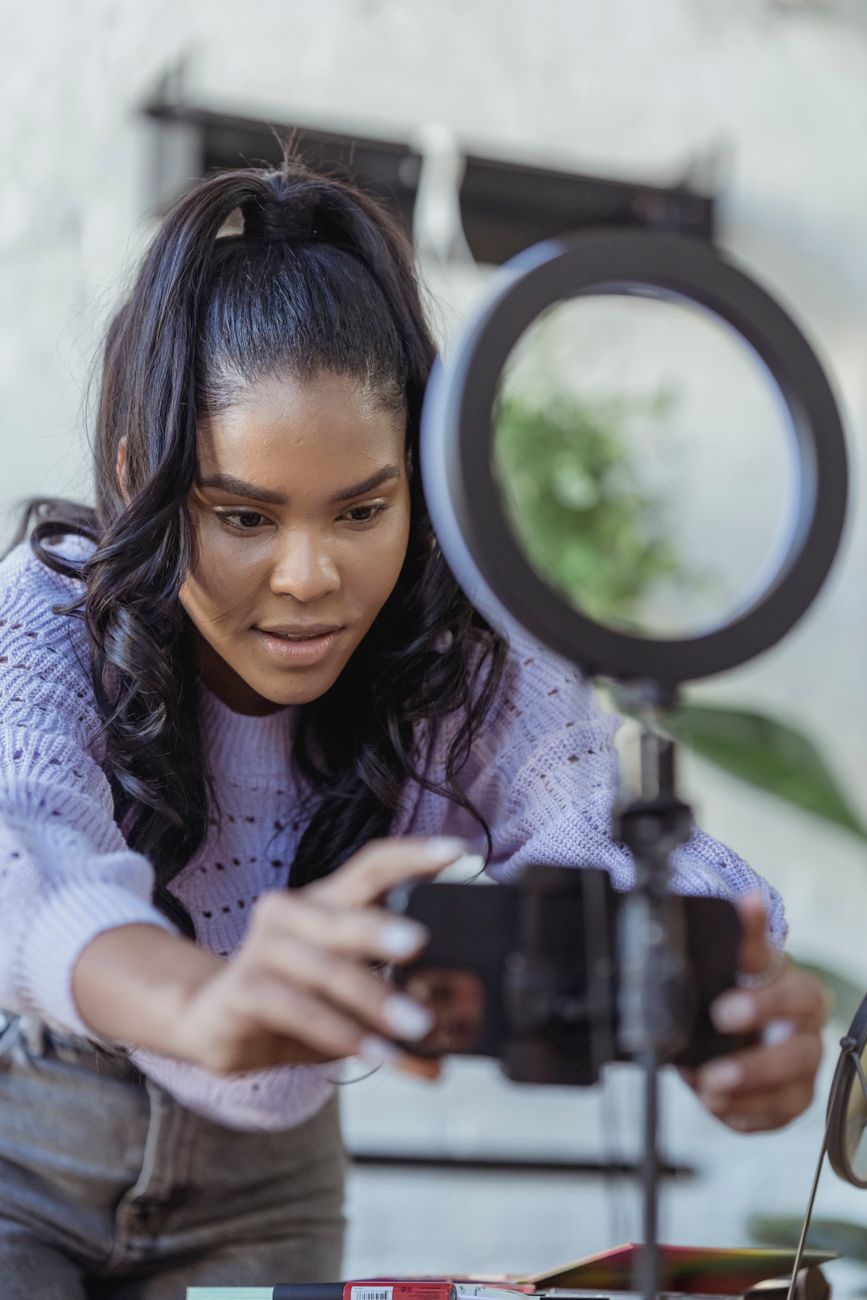
A new generation of African entrepreneurs is converting audience trust into products, media companies, and intellectual property — moving far beyond sponsored posts into funded, scalable ventures. This deep-dive profiles the creators who made the leap, the mechanics behind their business models, and the common mistakes that derail creator-to-founder transitions on the continent.
From Audience to Empire: How African Entrepreneurs Are Rewriting the Business Playbook
A new generation of African entrepreneurs is proving that an engaged audience is the most valuable asset a founder can own. These creators did not wait for a record deal, a publishing contract, or a venture capital term sheet. They built communities first — on YouTube, Instagram, TikTok, podcasts, and newsletters — then converted that trust into products, media companies, digital platforms, and intellectual property that generate real, recurring revenue. This is not a story about influencer marketing. It is a story about business architecture, and Africa is producing some of its most compelling chapters right now.
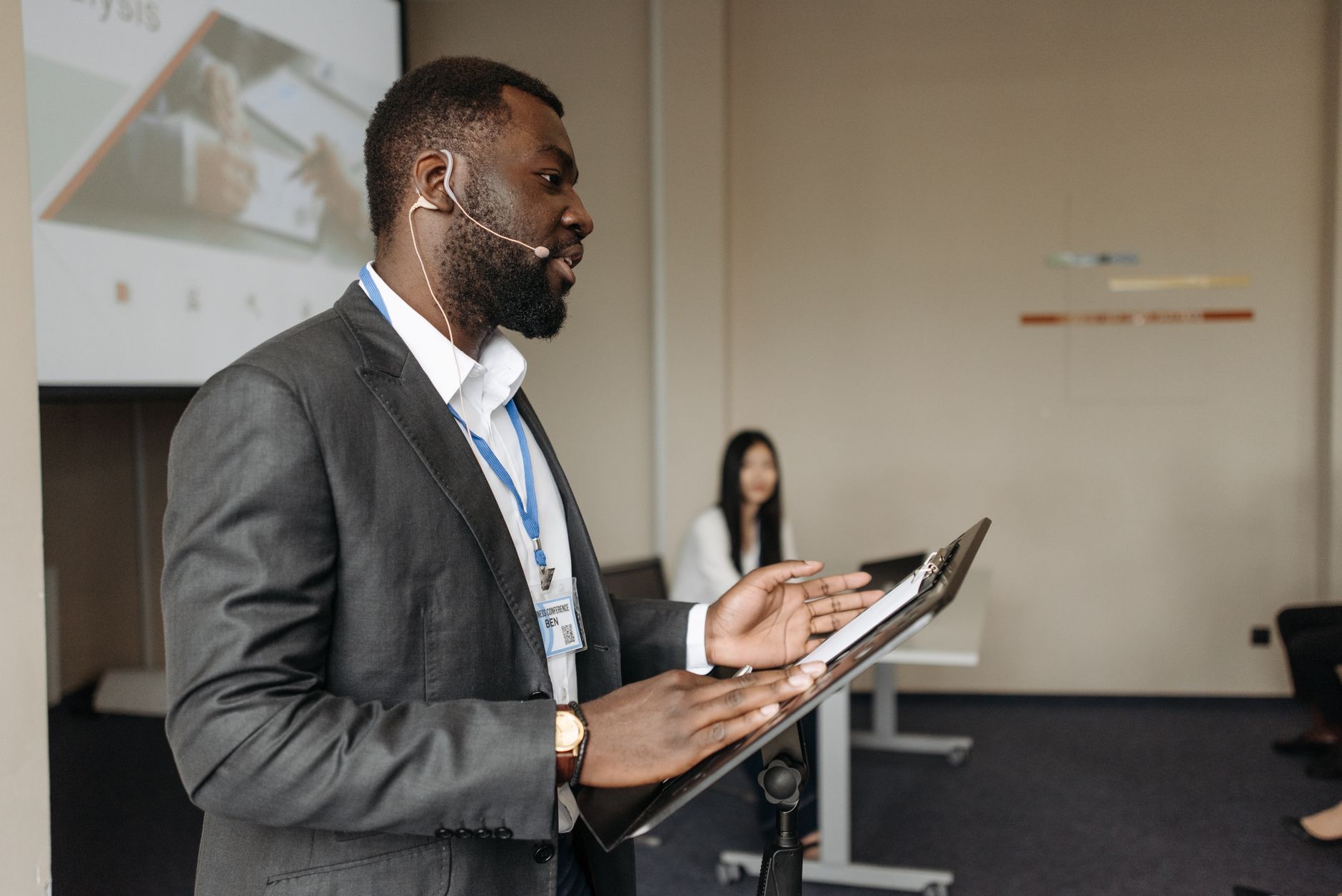
The shift is structural. Sponsored posts still exist, but the smartest creator-founders on the continent have moved beyond the one-off brand deal. They are launching subscription communities, co-producing original film and TV formats, licensing IP, and raising institutional funding. Read how African creators are turning audiences into media businesses to see the broader pattern. The profiles below go deeper — examining the specific mechanics of how each entrepreneur made the leap from content to commerce.
Why Community-First Business Works Differently in Africa
Western creator-economy frameworks assume cheap payment infrastructure, reliable broadband, and a large domestic advertiser market. Africa has none of those things at scale — yet. That constraint has forced African creator-entrepreneurs to be more inventive. They monetise through direct community relationships rather than platform ad revenue, because CPM rates on African traffic have historically been 60–80% lower than US or UK equivalents, according to Statista's creator economy data.
The result is a generation of founders who are unusually good at building high-trust, high-conversion communities. They sell courses, events, memberships, and physical products to audiences who genuinely believe in them. That trust is the moat. A Nigerian fintech can be cloned overnight; a community that has followed a founder for five years cannot.
Three structural factors are accelerating this right now:
- Mobile-first internet adoption — Over 615 million Africans accessed the internet via smartphone in 2024, creating a massive content-hungry audience with little legacy media loyalty.
- Pan-African payment rails — Tools like Flutterwave, Paystack, and M-Pesa are making it far easier to monetise across borders without a US bank account.
- Diaspora purchasing power — African creators with global audiences can sell premium products to diaspora communities in the UK, US, and Canada, where average order values are three to five times higher than domestic markets.
Profiles: African Entrepreneurs Who Made the Leap
Adaeze Ugwu — From Fashion Blogger to Media Brand
Adaeze Ugwu started as a Lagos-based fashion blogger in 2013, writing about Nigerian style for a few hundred readers. By 2019, her platform had evolved into a full media brand covering beauty, culture, and lifestyle, with a team of five editors and brand partnerships with Fenty Beauty and Zara Africa. The key move was not scaling content volume — it was launching a paid membership tier that gave subscribers early access to editorial, exclusive events, and a private WhatsApp community.
That membership generated ₦4.2 million in its first year — roughly $2,800 at the time, but significant for a bootstrapped media operation in Lagos. More importantly, it gave her leverage in brand negotiations. When you can show a sponsor that 1,200 paying members open every email, your rate card changes completely.
Mark Angel — Comedy Sketches to Production House
Mark Angel Comedy is one of the most-watched YouTube channels in Africa, with over 9 million subscribers built on short, sharply observed Nigerian family sketches. What many people miss is that Mark Angel quietly transformed that audience into a production company. His team now produces branded content for major Nigerian corporations, trains young comedians through a structured mentorship programme, and has moved into long-form storytelling for streaming platforms.
The business model shift was deliberate. YouTube ad revenue from African traffic is volatile and low. Branded production contracts, by contrast, are negotiated in dollars and paid on invoice. A single branded series for a telecoms client can be worth more than six months of AdSense revenue. Explore the most profitable digital niches for African creators to see where production fits in the wider opportunity map.
Osaremen Okolo — Newsletter to Investment Platform
Osaremen Okolo launched The Continent, a weekly African news newsletter, during the pandemic with zero marketing budget and a clear editorial point of view: rigorous, pan-African journalism written by Africans, for Africans. Within 18 months, the newsletter had 40,000 subscribers across 120 countries. That reach attracted foundation funding, then a formal media company structure, then a licensing deal with an international publisher.
The lesson here is precision of niche. Okolo did not try to cover everything. She picked a specific format (weekly digest), a specific audience (educated, globally mobile Africans), and a specific editorial standard (no wire rewrites). That specificity is what made the product fundable. Generalist newsletters die; opinionated ones compound.

Adeola Fayehun — Satirical News to IP Licensing
Adeola Fayehun's Keeping It Real With Adeola on YouTube became one of the continent's most-watched political commentary shows, blending sharp satire with serious journalism. She built an audience of over 400,000 subscribers by covering African political stories that mainstream Western media consistently ignored. Then she made a move that most creators never consider: she began licensing her format.
The format — a solo host delivering satirical African news commentary to camera — was adapted for a Ghanaian broadcaster and later discussed for a streaming co-production. Format licensing is how the global TV industry has worked for decades (think Who Wants to Be a Millionaire sold to 120 countries). African creator-entrepreneurs are only beginning to apply this logic to digital-native formats, and Fayehun is among the pioneers.
Tobi Ogunnaike — Fitness Content to Supplement Brand
Tobi Ogunnaike built a following of over 800,000 across Instagram and TikTok with practical, no-gym-required fitness content aimed at young Nigerians. The content was free; the business was not. After two years of audience-building, he launched a protein supplement line manufactured in Lagos, sold direct-to-consumer via his own Shopify store and WhatsApp sales channel.
First-month revenue was ₦18 million — approximately $11,000. Within 12 months, the supplement line was stocked in 40 pharmacies across Lagos and Abuja. The content never stopped; it became the marketing engine for the product business. This is the creator-to-commerce playbook at its most direct: the audience is the distribution channel.
Toke Makinwa — Podcast to Publishing to Perfume
Toke Makinwa's trajectory is perhaps the most studied example of African creator-to-entrepreneur diversification. She began with a video diary series, expanded into a podcast (Toke Moments), published a bestselling memoir, and then launched a fragrance line. Each venture fed the next. The memoir gave her credibility as a serious voice; the credibility made the fragrance line aspirational rather than opportunistic.
Her approach illustrates a critical principle: sequence matters. Launching a perfume before building a personal brand would have been a vanity project. Launching it after 10 years of audience trust made it a sellout. The order of operations in creator-led business is not arbitrary — it is strategic.
The Common Mistakes African Creator-Entrepreneurs Make
The failures are as instructive as the successes. Several patterns appear repeatedly among creators who try to build businesses and stall:
- Launching products before validating demand — Building a course or product before asking the audience what they actually need. The fix is simple: run a paid waitlist or pre-sale before spending a naira on production.
- Pricing for followers, not for value — Undercharging because the audience is large. A 500,000-follower account charging ₦2,000 for a course is leaving enormous revenue on the table. Price testing consistently shows African audiences will pay ₦15,000–₦50,000 for genuinely transformative content.
- Platform dependency — Building entirely on Instagram or TikTok without owning an email list or WhatsApp community. When algorithms shift — and they always do — creators with no owned channel lose overnight. Email lists and Telegram groups are non-negotiable infrastructure.
- Ignoring legal structure — Operating as a sole trader when the business is generating millions. This creates tax exposure and makes it impossible to raise external investment or sign serious licensing deals. Registering a limited company is a one-time cost that unlocks a different class of opportunity.
For a detailed look at how African creators are protecting their work legally and financially, the guide on protecting African creator rights and revenue is essential reading.

What Funded Creator Ventures Look Like in 2025 and Beyond
The era of the self-funded creator-entrepreneur is not ending — but it is being joined by a new class of institutionally backed African media ventures. Platforms like AfricArena and pan-African media funds are beginning to treat creator-led companies as investable assets, not lifestyle businesses. This is a significant shift. It means African entrepreneurs who have built audience-backed businesses can now access growth capital without selling to a Western conglomerate.
The criteria investors are using have changed too. They are not just looking at follower counts. They want to see:
- Owned audience data — Email lists, SMS subscribers, or app users that the creator controls independently of any platform.
- Multiple revenue streams — At least three distinct income lines, none of which accounts for more than 50% of total revenue.
- Documented IP — Registered trademarks, format bibles, or licensed content that has clear commercial value beyond the creator's personal brand.
- Recurring revenue — Subscriptions, retainer-based brand partnerships, or licensing fees that provide predictable monthly cash flow.
The African creator economy is projected to contribute significantly to the continent's digital GDP through the late 2020s, according to World Economic Forum analysis on Africa's digital economy. Creator-led businesses are a growing share of that projection — not as a footnote, but as a core driver.
How to Find and Follow Africa's Creator-Entrepreneurs
Knowing these stories exist is one thing. Connecting with the people building them is another. The African creator ecosystem is fragmented across platforms, countries, and languages — which is precisely why dedicated discovery infrastructure matters.
If you are a brand looking to partner with creator-entrepreneurs, an investor scouting the next fundable media venture, or a creator yourself looking for peers and mentors, the place to start is a platform built specifically for this ecosystem. Discover African creators across every niche and country on Topping Africa, where profiles span tech, culture, business, entertainment, and beyond.
You can also promote your own creator-led brand to an audience that is already looking for exactly what Africa's entrepreneur-creators are building. The infrastructure for the African creator economy is being built right now — and the founders profiled in this article are not waiting for permission to use it.
The transition from content creator to business founder is not a lucky accident. It is a deliberate series of decisions: about what to build, for whom, in what sequence, and with what legal and financial structure underneath it. The African entrepreneurs doing this well are not just building businesses. They are building institutions — ones rooted in community trust, powered by original ideas, and increasingly backed by serious capital. That is a story worth watching closely.
Staff
Contributing writer at Topping Africa.
0 Comments
No comments yet. Be the first to share your thoughts!