From Jollof Battles to Denim Tears: How the African Diaspora Is Shaping a New Global Creator Culture
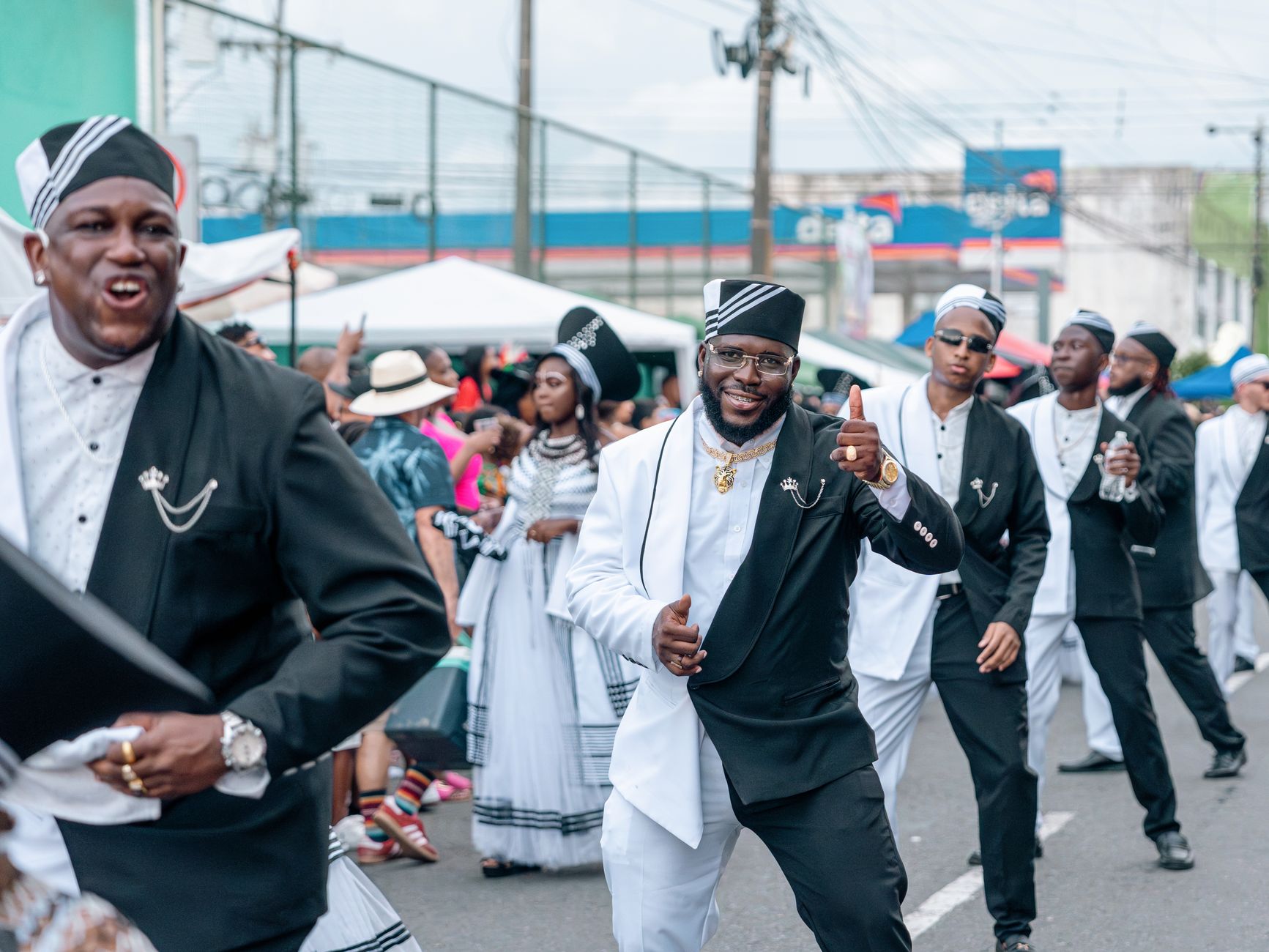
African diaspora goods, food, fashion, and music are no longer niche exports — they're reshaping global culture, driven by a new generation of creator-entrepreneurs in the US, UK, and beyond. From New York's Battle of Jollof to Denim Tears and purpose-built diaspora retail platforms, this article maps the real infrastructure behind the movement and what creators should do to build lasting businesses within it.
African Diaspora Goods Are No Longer a Niche — They're a Cultural Force
Walk through Brooklyn's Crown Heights on a Saturday afternoon and you'll smell suya before you see it. Step into a Lagos-inspired pop-up in East London and you'll find hand-dyed adire fabric selling out in under an hour. These aren't accidents. African diaspora goods — from food and fashion to music and film — have crossed over from community staples into mainstream global culture, powered almost entirely by creator-led storytelling. This shift is not gradual. It's accelerating, and the creators driving it are building real economic and cultural infrastructure as they go.
The numbers back this up. According to the World Bank, remittances to Sub-Saharan Africa exceeded $54 billion in 2023. But money is only part of what travels. Ideas, aesthetics, recipes, and sounds move with it — and a growing class of African entrepreneurs and creators in the US and Europe are turning those cultural exports into brands, events, and platforms that the whole world is paying attention to.
The Battle of Jollof: How a Food Fight Became a Creator Movement
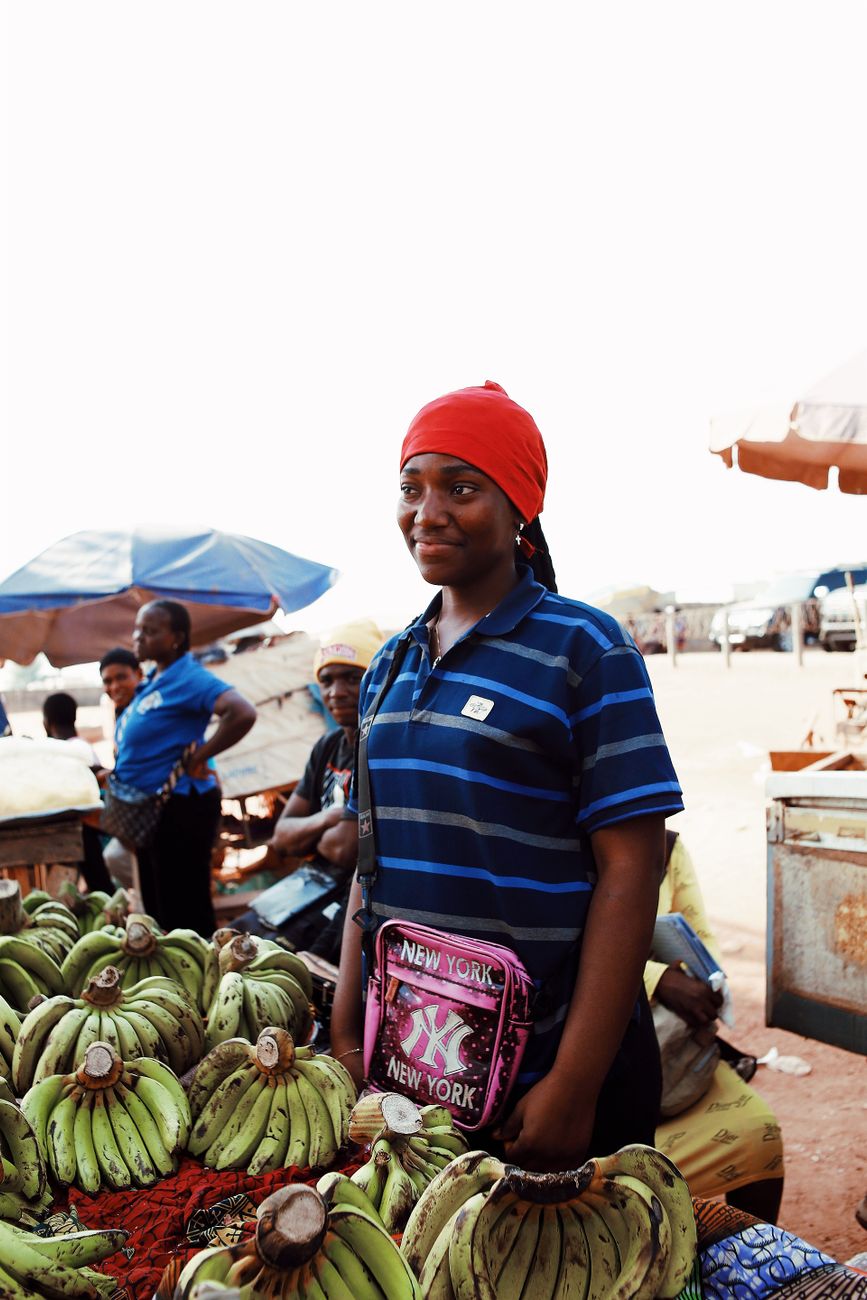
New York's Battle of Jollof started as exactly what it sounds like: a competition to settle, once and for all, which West African country makes the best jollof rice. Ghana, Nigeria, Senegal, Sierra Leone — each camp arrives with their pots, their pride, and their people. But what began as a community cookoff has evolved into one of the most effective creator-activation events in the diaspora space.
Tickets for recent editions have sold out within days. Vendors report generating between $3,000 and $8,000 in a single event day. More importantly, the event has become a content engine. Food creators, lifestyle vloggers, and cultural commentators descend on it every year, producing reels, TikToks, and long-form YouTube breakdowns that collectively rack up millions of views. The jollof debate — playful, passionate, deeply tribal — is a perfect hook for diaspora storytelling because it requires no explanation to an African audience and demands explanation to everyone else. That gap is where creators thrive.
Events like Battle of Jollof prove a critical point: community ritual is a content format. The creators who understand this aren't just filming events — they're building audiences around a shared identity that millions of people globally want to understand, join, or buy into. Discover more about how African creators are turning cultural moments into lasting platforms at Topping Africa's Explore page.
Denim Tears and the Politics of African Aesthetic in Fashion
Tremaine Emory's Denim Tears is one of the most important fashion brands operating today — not because it sells well (it does), but because of what it forces people to confront. Emory, a Black American designer with deep roots in African diasporic identity, built Denim Tears around the cotton wreath motif: a direct reference to enslaved African labor in the American South. It's fashion as historical argument.
The brand has collaborated with Levi's, Converse, and UGG, and has been worn by everyone from Kanye West to Kendrick Lamar. But the real engine behind Denim Tears' cultural reach isn't celebrity placement — it's the community of creators who treat the brand as a conversation starter. Stylists, cultural critics, and fashion educators on Instagram and YouTube have produced hundreds of hours of content unpacking what Denim Tears means, who it's for, and why it matters. That creator ecosystem is what transforms a fashion label into a movement.
The lesson for African entrepreneurs is sharp: the product is the starting point, not the destination. When a brand carries genuine cultural weight — when it is rooted in a specific, honest story — creators will build around it organically. You don't need a $500,000 marketing budget. You need a story that matters.
African Diaspora Goods Brands Building Real Market Infrastructure
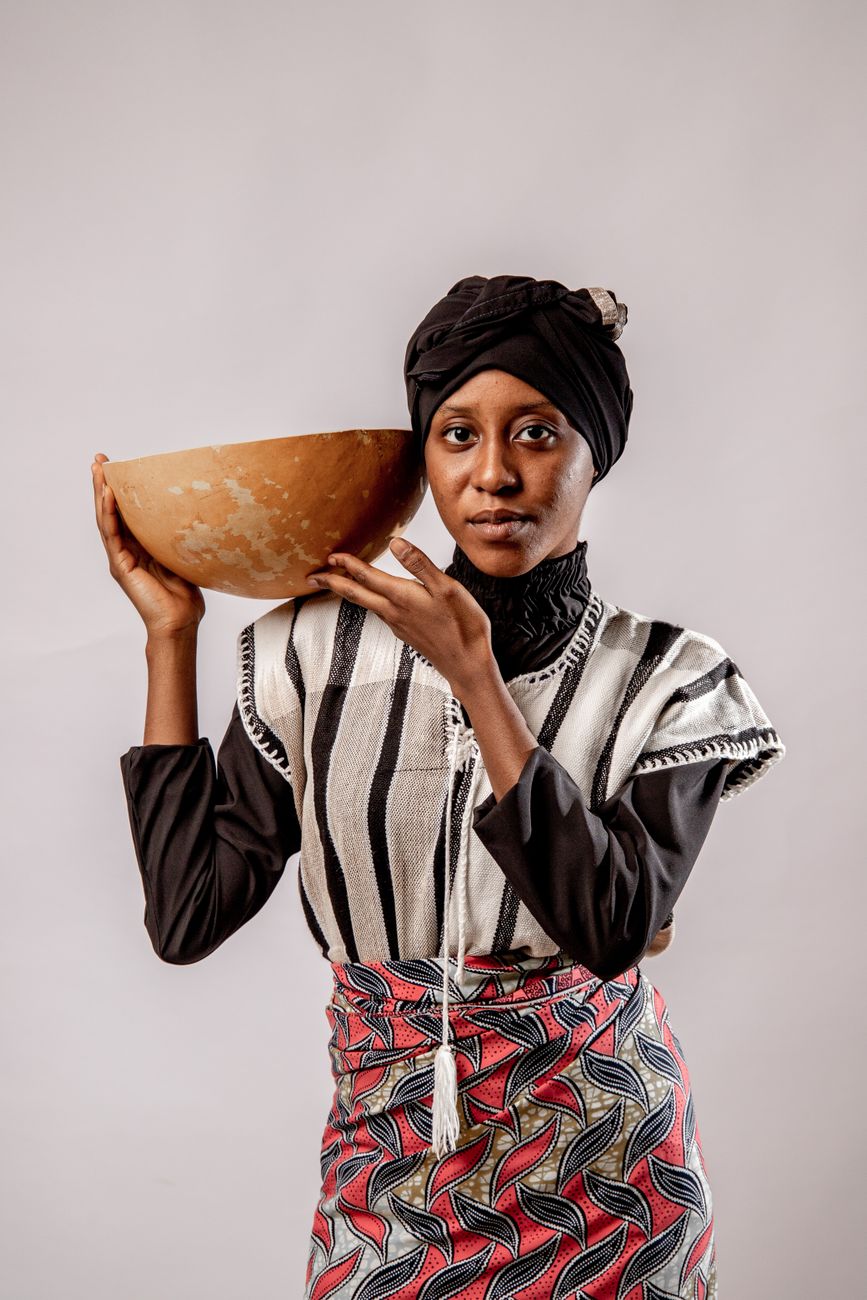
Beyond individual events and fashion labels, a new category of business is emerging: dedicated African diaspora goods platforms and retailers that curate, distribute, and celebrate products made by and for the African diaspora. These aren't charity projects. They're market-driven operations responding to genuine consumer demand.
African Diaspora Goods, the Brooklyn-based retailer, is a standout example. Founded by Ghanaian-American entrepreneur Nana Asante, the store stocks everything from Ghanaian shea butter and Nigerian black soap to hand-printed kente accessories and Afrobeats vinyl. The business operates on a clear thesis: diaspora consumers want authenticity and provenance, not approximation. Every product tells you exactly where it came from and who made it. That transparency is a competitive advantage, not just an ethical stance.
Similar models are emerging across Europe. In London, The African Collective runs quarterly markets featuring over 60 African-owned vendors. In Paris, Afro Pop-Up has built a waiting list of vendors that stretches six months out. These aren't flea markets — they're curated brand-building environments where African entrepreneurs test products, build audiences, and collect the kind of real-world feedback that no focus group can replicate.
For creators looking to monetize their cultural knowledge, these platforms represent a direct opportunity. A food creator who has built an audience around West African cuisine can partner with a diaspora goods retailer to launch a curated ingredient box. A fashion creator who documents African textile traditions can co-brand a capsule collection. The infrastructure is there. The question is whether creators are willing to move from content to commerce.
- African Diaspora Goods (Brooklyn, NY): Curated retail with full product provenance transparency.
- The African Collective (London, UK): Quarterly markets featuring 60+ African-owned brands.
- Afro Pop-Up (Paris, France): High-demand vendor marketplace with a six-month waiting list.
- Motherland Provisions (Toronto, Canada): Online platform specializing in African pantry staples and wellness products.
- Akara Market (Amsterdam, Netherlands): Digital-first diaspora goods marketplace connecting African producers to European buyers.
Music as the Loudest Export: Afrobeats, Amapiano, and the Creator Pipeline
No conversation about African diaspora culture is complete without music — and specifically, without acknowledging how thoroughly Afrobeats and Amapiano have rewired global pop. Billboard reported that Afrobeats streaming grew by over 550% between 2017 and 2022. That's not a trend. That's a structural shift in what the world listens to.
But the music didn't travel alone. It was carried by creators. YouTube channels dedicated to Afrobeats reviews, TikTok accounts that teach Afrobeats dance moves, Spotify playlist curators who build weekly "New Naija" drops — this entire creator layer is what converts a song produced in Lagos into a track playing at a club in Oslo. Artists like Burna Boy, Wizkid, and Tems are global stars today partly because creators in the diaspora built the bridge between their music and non-African audiences.
This dynamic works in both directions. Diaspora-based music creators — producers, DJs, and sound designers based in London, Houston, and Toronto — are feeding new sounds back into the continent. Afrobeats is not a static genre. It absorbs UK garage, American trap, Brazilian baile funk, and Caribbean dancehall, and it does so because the creators who make it live at cultural intersections. Explore the top African content creators dominating TikTok, Instagram, and YouTube in 2026 to see exactly who is leading this charge.

The Common Mistake Diaspora Creators Make — and How to Avoid It
Here's the trade-off that most diaspora creators don't talk about openly: authenticity is an asset until it becomes a cage. Many African creators in the US and Europe build audiences by leaning hard into their cultural identity — and then find themselves trapped in a content box. The algorithm rewards consistency, so the creator who goes viral for Nigerian food content gets pushed to make Nigerian food content forever, even if they want to explore other things.
The creators who avoid this trap do one thing differently: they build a point of view, not just a content category. Ozzy Etomi, the Lagos-born writer and cultural critic based in the UK, doesn't just write about "African things." She writes about power, feminism, and identity through an African lens — and that distinction gives her the freedom to cover almost anything. The lens is African; the subject matter is universal. That's the model.
Another common mistake is treating diaspora content as purely documentary — capturing culture rather than shaping it. The most influential diaspora creators are not reporters. They are participants. They organize events, launch products, collaborate with artisans in their home countries, and use their platforms to advocate for policy changes that affect African communities. Content is the surface. The real work happens underneath it.
If you're building a brand or creator business in this space, start by asking: what decision do I want my audience to make after watching my content? Buy something. Attend something. Think differently about something. That clarity of purpose is what separates creators who build lasting businesses from those who accumulate followers without revenue. Learn more about how African creators are converting audiences into income at Topping Africa's guide to creator monetization.
What Global Brands Are Getting Wrong About the African Diaspora
Global brands have noticed the cultural moment. Nike, H&M, Spotify, and dozens of food and beverage companies have all launched "Africa-inspired" campaigns in the last five years. Most of them miss the point — and diaspora creators are the first to call it out.
The failure pattern is consistent: a global brand hires a Black creative director, produces visually striking content that references African aesthetics, and then sources zero products from African suppliers, pays zero African creators, and directs zero dollars back into African communities. The aesthetic is borrowed. The economics are extractive. And diaspora audiences, who are sophisticated consumers with long memories, notice immediately.
The brands that get it right do the opposite. Partake Foods, the allergen-free snack brand founded by Nigerian-American Denise Woodard, built its supply chain and its marketing around authentic community connection. Yolélé, co-founded by Senegalese chef Pierre Thiam, sources fonio directly from West African smallholder farmers and tells that story transparently in every piece of content it produces. These brands work because the economics match the aesthetics. The story is real because the supply chain is real.
For African creators and entrepreneurs, this is both a warning and an opportunity. The warning: don't lend your cultural credibility to brands that won't invest in your community. The opportunity: you are the authentic version that global brands are trying to approximate. That's a negotiating position, not just a moral stance. Read more about how African entrepreneurs are turning diaspora capital into continental innovation.
Building the Next Chapter: What Diaspora Creators Should Do Right Now
The infrastructure for diaspora creator success has never been stronger. Events, platforms, retail channels, and streaming services are all hungry for authentic African diaspora content. The question is execution. Here's what the most successful diaspora creators are doing — concretely, not theoretically:
- Own an event. Battle of Jollof didn't start as a polished production. It started as a community cookoff. If you have an audience, you have the raw material for a live event. Events generate content, revenue, brand partnerships, and community trust simultaneously — no other format does all four at once.
- Build a product, not just a brand. Content builds audiences. Products build businesses. If your content is about African food, develop a spice blend, a meal kit, or a cookbook. If it's about African fashion, launch a limited capsule. Start small — 100 units, a local market, a pre-order campaign — and let your audience co-create the demand signal.
- Document the supply chain. The single most powerful piece of content a diaspora creator can produce is a transparent, honest look at where their products come from. A 10-minute YouTube video showing the artisan in Accra who weaves the fabric in your collection will outperform any paid ad campaign. Provenance is the new luxury.
- Collaborate across diaspora lines. The most interesting cultural products happening right now sit at intersections: Nigerian food meets Jamaican spice. Ghanaian kente meets Japanese streetwear. African-American literary tradition meets Yoruba oral storytelling. Diaspora creators who collaborate across cultural lines produce work that no single community could create alone.
- Use platforms built for your audience. Generic creator platforms optimize for generic audiences. Platforms built specifically for African creators — like Topping Africa's creator directory — connect you with an audience that already understands your context and is actively looking for what you make.
The diaspora has always been a site of cultural innovation. What's different now is that the tools to scale that innovation — social platforms, e-commerce infrastructure, creator funds, and global streaming — are available to individual creators, not just corporations. The window is open. The creators who move decisively in the next three years will define what African diaspora culture means to the next generation of global consumers.
Ready to put your work in front of the right audience? Promote your brand or creator profile on Topping Africa and connect with a community that's actively shaping the future of African culture worldwide.
Staff
Contributing writer at Topping Africa.
0 Comments
No comments yet. Be the first to share your thoughts!