
African Diaspora Money: How Creators and Entrepreneurs Turn Remittances Into Innovation Back Home
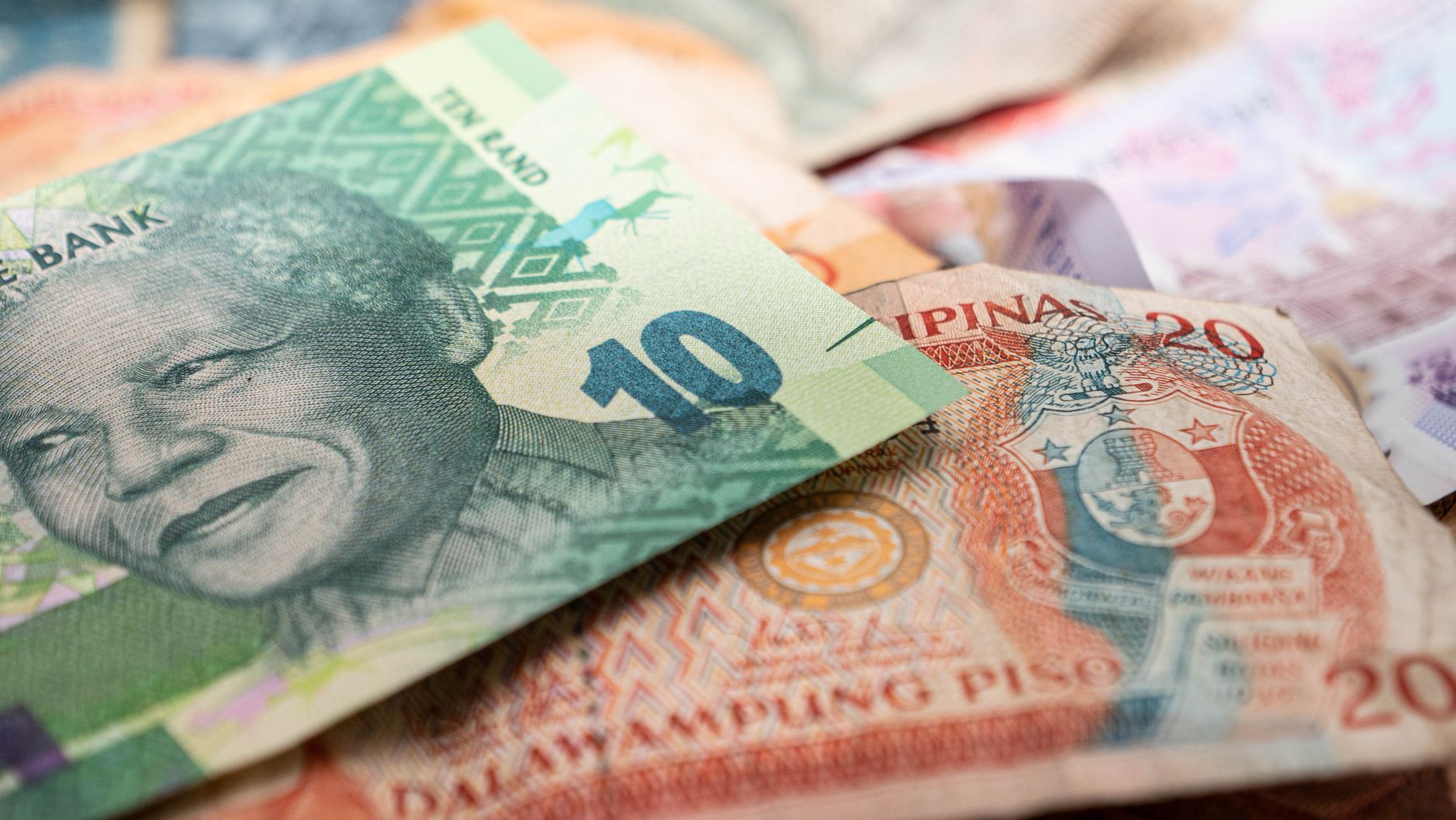
Remittances from African diaspora countries now top $54 billion annually — eclipsing foreign aid and FDI. This piece profiles the creators, founders, and fintech rails turning that money into tech startups, media companies, and cultural businesses across the continent.
African Diaspora Countries Are Rewriting the Rules of Development Finance
The financial story of the African continent is being rewritten — not in Geneva boardrooms or Washington aid agencies, but in the bank transfers, mobile wallets, and startup wires sent home by millions of people across African diaspora countries. In 2023, remittances to sub-Saharan Africa alone topped $54 billion, according to the World Bank. That figure eclipses foreign direct investment (FDI) flows to the region and dwarfs official development aid. Yet the mainstream conversation still frames African progress as dependent on Western capital. That framing is not just outdated — it is flatly wrong.
What is changing is not only the volume of money moving across borders. It is how that money is being used. A growing cohort of African creators, founders, and entrepreneurs is routing diaspora capital directly into tech platforms, media studios, creative agencies, and innovation hubs. These are not charity projects. They are businesses built to scale, designed to serve African consumers, and increasingly competitive on a global stage.

This piece makes a specific argument: remittances are the most underrated venture capital pool on the continent, and the creators and founders who understand that are already years ahead. Discover the mechanics, the people, and the platforms making this happen — and why it matters for anyone building or investing in Africa right now.
Why Remittances Beat Aid and FDI for Real-World Impact
Aid money comes with conditions. FDI comes with equity stakes and repatriated profits. Remittances come with none of that. They land directly in the hands of families, founders, and communities — with zero governance overhead and near-zero leakage to administrative costs. That directness is a structural advantage that development economists are only beginning to take seriously.
Consider Nigeria, the single largest remittance recipient on the continent. The country received an estimated $20 billion in remittances in 2023, according to the Central Bank of Nigeria. That is more than the country's entire federal capital budget for the same year. Egypt, Ghana, Kenya, and Senegal each rank among the top remittance-receiving nations in Africa — and each has a thriving diaspora community actively investing in local businesses, not just covering household bills.
The old narrative said diaspora money went to school fees and hospital bills. That is still true for a significant portion. But a measurable and growing share — researchers estimate 15–25% of remittances in high-income diaspora corridors — is now flowing into productive investment: real estate, agriculture, and increasingly, digital businesses. The shift is generational. Second-generation diaspora members, many of them creators and tech workers themselves, are sending money home with a specific mandate: build something.
- Lower transaction costs via fintechs like Lemfi, Chipper Cash, and Grey have made it cheaper than ever to move money across African corridors.
- Mobile money penetration — M-Pesa in Kenya, MoMo in Ghana, OPay in Nigeria — means recipients can deploy funds instantly without a bank account.
- Remote co-founding is now viable: a Lagos-based developer and a London-based diaspora investor can co-build a startup entirely through digital tools.
Creators as the New Face of Diaspora Capital Deployment
The most visible — and arguably most efficient — deployment of diaspora money is happening through African content creators. This is not a metaphor. Creators are literal conduits of capital: they receive brand deals and platform revenue in hard currency from international platforms, then spend locally on production crews, studios, equipment, and talent. Every YouTube ad dollar a Nairobi-based creator earns and spends locally is a micro-remittance in reverse.

But the more powerful story is diaspora-born creators who physically or financially return to the continent. Take the wave of Nigerian-British and Nigerian-American YouTubers and podcasters who have relocated to Lagos in the last three years, drawn by lower production costs, a booming local audience, and a cultural moment that makes "made in Africa" content globally competitive. They bring their subscriber bases, brand relationships, and platform monetisation knowledge with them. That knowledge transfer is worth more than the cash.
Platforms like Topping Africa's creator directory are mapping this ecosystem in real time — surfacing African creators across tech, music, film, and business so that diaspora investors, brand partners, and collaborators can find and fund the right people. That kind of infrastructure matters. Capital without discovery is just noise.
The creators who are winning at this are not just making content. They are building media companies. A YouTube channel becomes a production house. A podcast becomes a talent agency. An Instagram following becomes a product line sold across the continent. The diaspora connection accelerates each step — providing the initial audience, the hard-currency brand deals, and often the seed capital to hire a local team.
Three Concrete Models Creators Are Using Right Now
- The Reverse Remittance Studio Model: A diaspora creator earns in GBP or USD via brand partnerships, then uses that income to fund a Lagos or Nairobi production studio that employs local talent. The studio then produces content for both local and international audiences, creating a self-sustaining revenue loop.
- The Diaspora Angel Network: Groups of diaspora professionals — often organized through WhatsApp groups, LinkedIn communities, or formal networks like the African Business Angels Network — pool small amounts ($5,000–$50,000 each) to fund early-stage African startups. Several of Africa's most prominent seed-stage companies have been funded this way before ever talking to a VC.
- The Creator-Founder Hybrid: A growing number of African entrepreneurs are building their businesses in public — documenting the journey on YouTube or TikTok — which simultaneously builds an audience, attracts diaspora investors who follow the content, and creates a marketing channel for the product itself.
Tech Startups Riding the Diaspora Capital Wave
Beyond individual creators, the continent's startup ecosystem is structurally dependent on diaspora capital in ways that rarely get acknowledged. Africa's $21 billion startup boom did not materialise from thin air. A significant share of early-stage funding — the friends-and-family rounds that precede formal venture capital — comes from diaspora networks.
Flutterwave, now valued at over $3 billion, raised its earliest backing partly through Nigerian-American networks before attracting institutional investors. Andela, which trains and places African software engineers globally, was co-founded by diaspora-connected entrepreneurs and explicitly designed to monetise African talent for international markets. These are not edge cases — they are the template.
What makes diaspora-backed tech startups distinct is their dual-market literacy. Founders who have lived abroad understand both the African consumer's constraints and the international investor's expectations. They can pitch in the language of Silicon Valley while building for the realities of Accra or Kigali. That bilingualism — cultural and financial — is a genuine competitive advantage.

The risks are real, though. Diaspora founders who parachute in without deep local networks often underestimate regulatory complexity, talent retention challenges, and the cost of building trust with local consumers. The startups that succeed combine diaspora capital and market knowledge with genuine local co-founders and operational teams. Neither side alone is sufficient.
What the Remittance-to-Innovation Pipeline Actually Looks Like
Here is a realistic, step-by-step picture of how diaspora capital becomes innovation on the ground — not the glossy version, but the working one:
- Stage 1 — Family capital: A diaspora professional sends $500–$2,000/month to family. A portion is saved or invested in a local business idea by a sibling or cousin.
- Stage 2 — Network capital: The diaspora professional shares the idea in their community. Three or four connections contribute $10,000–$30,000 each as informal equity or loans.
- Stage 3 — Platform validation: The business launches, gains traction, and gets featured on platforms like Topping Africa's trending section or local media, building credibility.
- Stage 4 — Formal investment: With proof of concept and a public profile, the startup attracts angel investors, accelerators like Y Combinator's Africa cohort, or Pan-African VCs like Partech Africa or TLcom Capital.
- Stage 5 — Diaspora dividend: The startup scales, hires locally, pays taxes, and often becomes a platform through which the next wave of diaspora capital flows.
This is not a hypothetical. It is the documented trajectory of dozens of African startups that have reached Series A and beyond in the last five years. The pipeline is real — it just lacks the institutional recognition it deserves.
The Policy Gap: What African Governments Are (and Aren't) Doing
Several African governments have woken up to the strategic value of diaspora capital. Rwanda's Agaciro Development Fund explicitly invites diaspora contributions. Ghana's Year of Return campaign in 2019 was a masterclass in diaspora engagement — generating an estimated $1.9 billion in tourism and investment activity and laying the groundwork for the "Beyond the Return" initiative that followed. Kenya, Nigeria, and Senegal have all launched diaspora bond programmes with mixed results.
The gap is not in ambition. It is in execution. Most diaspora investment programmes fail on three specific points:
- Trust deficit: Diaspora investors have seen too many government schemes collapse or be captured by elites. Credibility takes years to build and seconds to destroy.
- Bureaucratic friction: Registering a business, repatriating profits, or accessing land as a non-resident is still prohibitively complex in most African countries. Rwanda is the notable exception.
- No discovery infrastructure: Governments announce investment opportunities but provide no reliable way for diaspora investors to find vetted local partners, creators, or startups to back.
That last point is where platforms like Topping Africa fill a genuine gap — providing a searchable, curated layer over the African creator and entrepreneur ecosystem that no government portal has managed to build. Discovery is not a soft problem. It is the bottleneck.
What Creators and Entrepreneurs Should Do With This Right Now
If you are a creator or founder in Africa — or a diaspora professional looking to deploy capital — the opportunity is concrete and immediate. Here is where to focus:
- Build in public: Document your business journey on social platforms. Diaspora investors follow creators they trust. Your content is your pitch deck.
- Price in hard currency where possible: If you offer services — production, consulting, design — price international clients in USD or GBP. This creates your own remittance stream without needing anyone to send you money.
- Join diaspora networks actively: African Business Angels Network, Diaspora Investment Alliance, and country-specific WhatsApp investment groups are where early deals happen. Presence matters.
- Use the right fintech rails: Lemfi, Grey, and Chipper Cash cut transfer costs dramatically compared to traditional banks. Lower costs mean more capital actually arrives.
- Explore the creator economy data: Study what Africa's top creators are building — their business models are blueprints, not just entertainment.
The window for first-mover advantage in diaspora-backed African media and tech is still open — but it is closing. The creators and founders who move now, who build the infrastructure, the audiences, and the trust networks, will define the next decade of African innovation. The money is already moving. The question is whether you are positioned to receive it, deploy it, or both.
Ready to find your place in Africa's creator economy? Explore the full ecosystem at Topping Africa and discover the founders, creators, and innovators shaping the continent's future — one wire transfer, one video, one startup at a time.
Staff
Contributing writer at Topping Africa.
0 Comments
No comments yet. Be the first to share your thoughts!