Creator Discovery Platforms in Africa: What Creators and Brands Must Look For in 2026
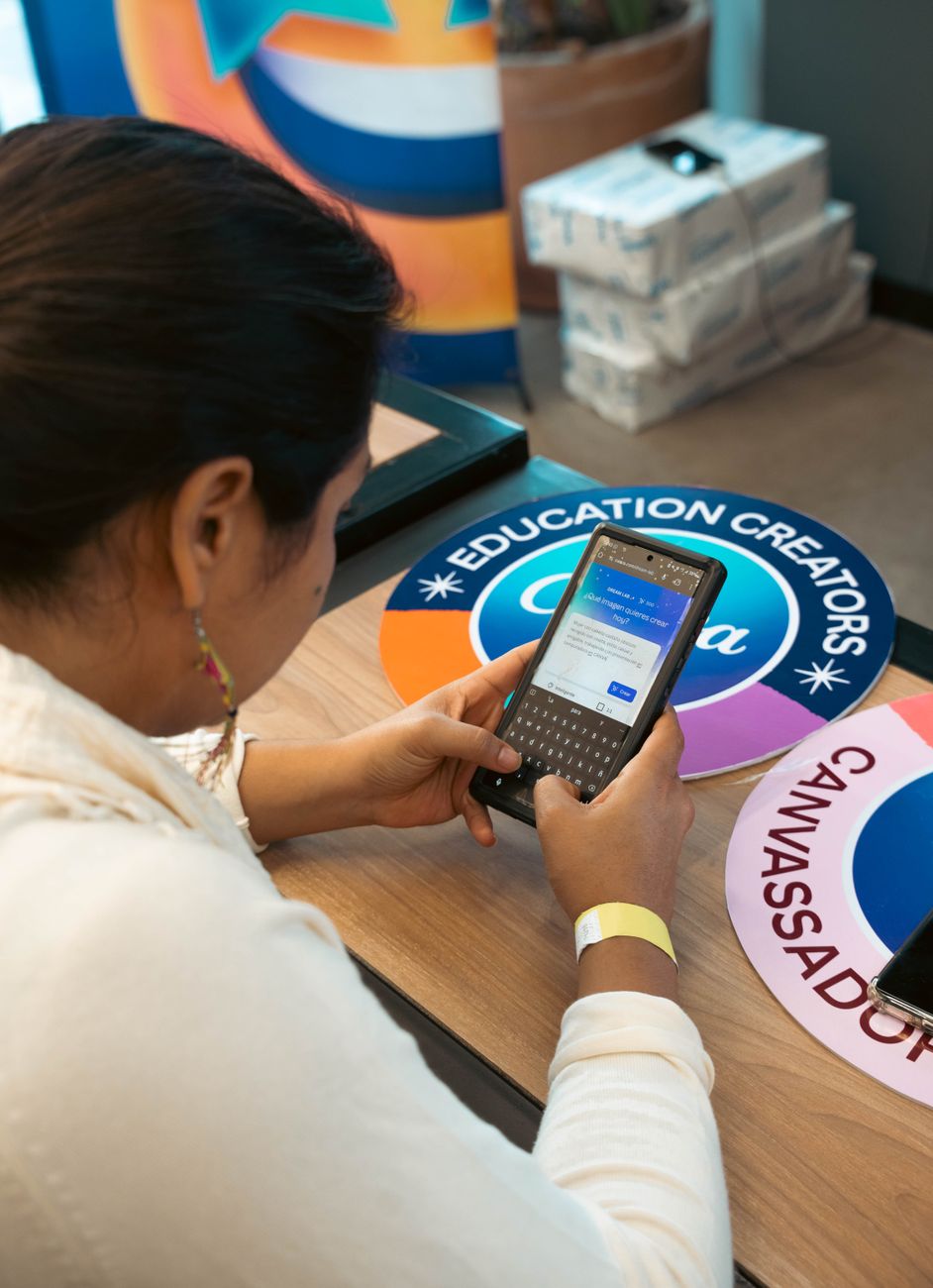
Africa's creator economy has arrived — but the infrastructure connecting creators to brands is still catching up. This guide breaks down exactly what a creator discovery platform must offer in 2026, from verified profiles and payment support to IP safeguards, with concrete examples and real trade-offs that matter specifically in African markets.
Why the Creator Discovery Platform Has Become Africa's Most Urgent Digital Infrastructure
The term creator discovery platform might sound like a Silicon Valley export, but Africa is rapidly rewriting what it means — and who it serves. Across Lagos, Nairobi, Accra, and Johannesburg, a generation of photographers, filmmakers, podcasters, and digital artists is producing world-class content with little to no infrastructure connecting them to paying clients. Brands, meanwhile, waste weeks hunting for the right creator through WhatsApp referrals and Instagram DMs. The gap is not a talent problem. It is a systems problem.
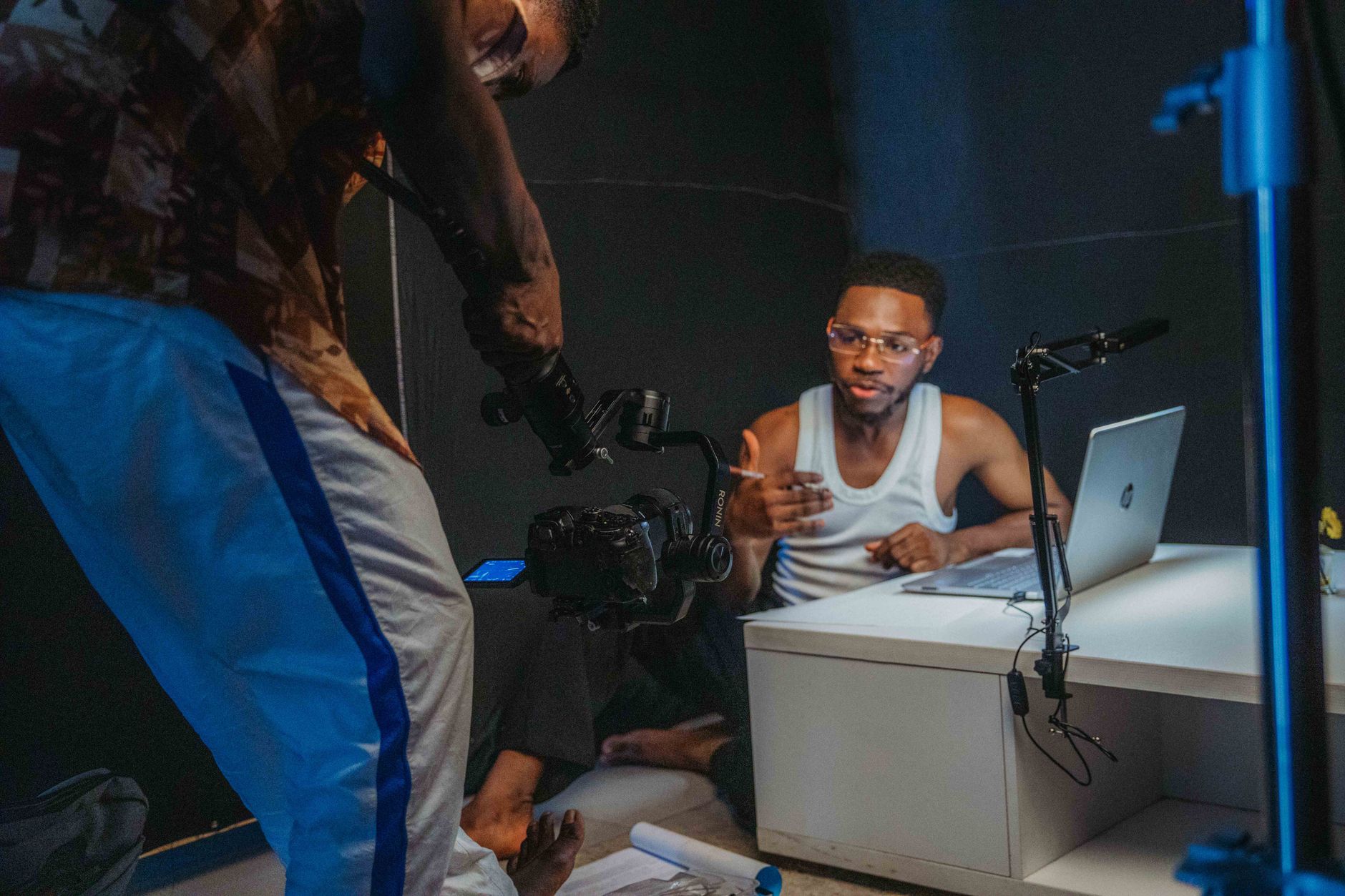
Recent platform launches across the continent confirm the demand is real. According to Statista's creator economy data, the global creator economy is valued at over $250 billion — yet African creators capture a fraction of that despite producing content consumed by hundreds of millions. The barrier is rarely quality. More often it is discoverability, payment infrastructure, and trust signals. A well-built creator discovery platform solves all three at once.
This article argues a specific point: not all creator platforms are equal, and the features that matter in Africa differ meaningfully from what works in North America or Europe. Choosing the wrong platform — or building one without these features — actively harms creators. Here is exactly what to look for, and why each feature carries real weight.
Verified Profiles: The Trust Layer That Changes Everything
On most global platforms, a creator profile is little more than a social media link and a self-written bio. That works when buyers and sellers share cultural context and legal frameworks. In cross-border African creator deals, it breaks down fast.
Verified profiles — where the platform confirms identity, location, content category, and audience authenticity — are the single highest-value feature a creator discovery platform can offer. Without verification, brands cannot confidently commission a creator in Kampala for a campaign targeting East African millennials. They simply do not know if the audience data is real.
Verification should cover at minimum:
- Identity confirmation — national ID or passport check, not just an email address
- Social account linking — confirmed ownership of Instagram, YouTube, TikTok, or X handles
- Audience authenticity — bot-detection scoring using tools like HypeAuditor or Modash
- Content category tagging — verified niches (fashion, tech, comedy, finance) rather than self-selected labels
Platforms that skip this step become directories, not marketplaces. A directory lists creators. A marketplace connects them to revenue. The difference is trust infrastructure, and trust infrastructure starts with verification.
Explore the range of verified African creators already building their presence at Topping Africa's creator profiles — a growing index of creators across the continent and diaspora.
Search Filters That Reflect African Market Realities
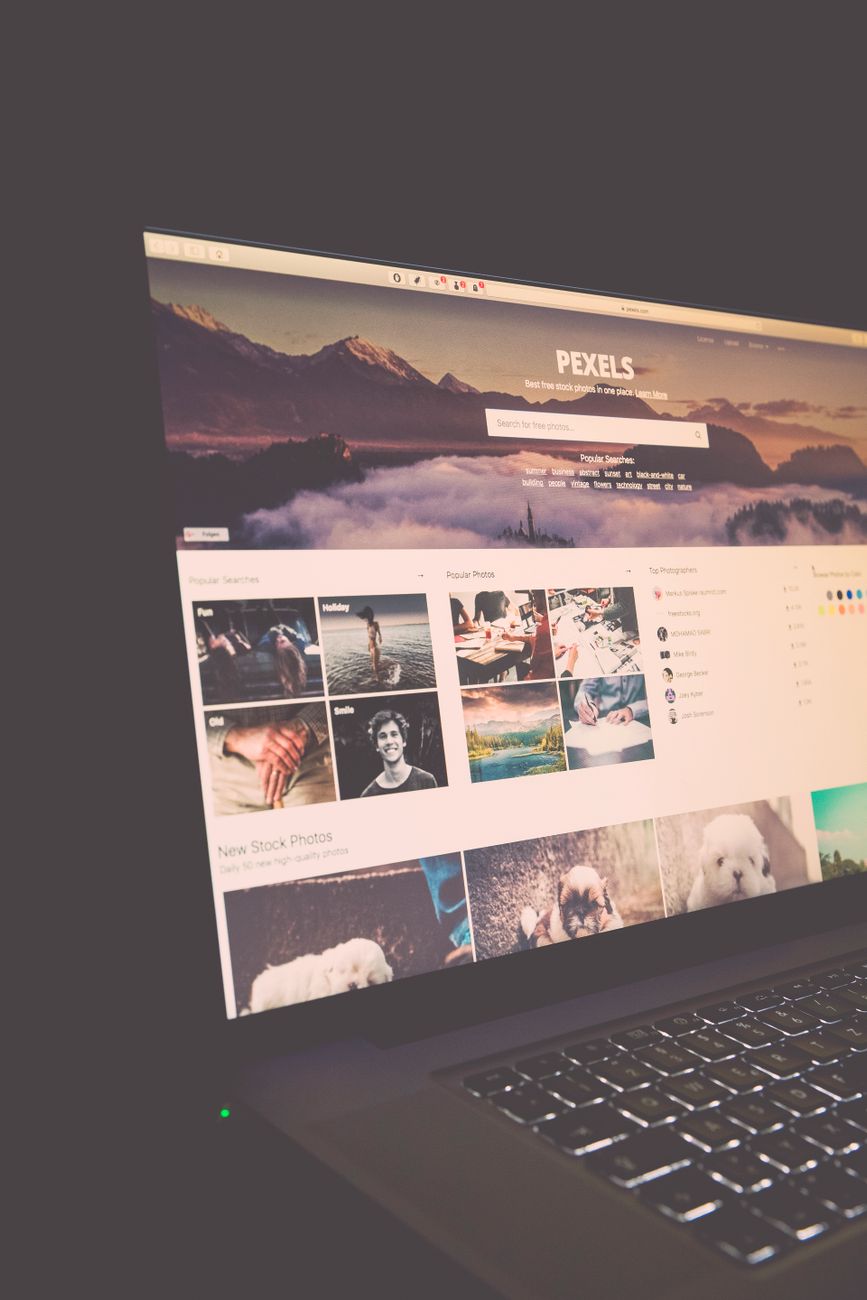
Generic creator platforms let you filter by follower count and country. That is a start. But Africa's creator economy is too diverse — 54 countries, hundreds of languages, dozens of distinct cultural contexts — for blunt filters to be useful.
A brand launching a campaign in Francophone West Africa needs to filter by language (French, Wolof, Dioula), not just by country. A fintech company targeting Nigeria's 18-to-35 demographic needs engagement rate filters, not just reach. A music label scouting for Afrobeats influencers needs genre-specific tags. Most platforms do not offer any of this.
The filters that genuinely matter on an Africa-focused creator discovery platform include:
- Language and dialect — not just English/French, but Swahili, Hausa, Zulu, Amharic, and more
- Engagement rate by platform — a creator with 50,000 followers and 8% engagement outperforms one with 500,000 followers at 0.4%
- Content format — short-form video, long-form YouTube, podcast, written, photography
- Audience geography — where the audience actually is, not where the creator is based
- Brand safety score — past brand partnerships, content moderation history
- Pricing tier — entry-level, mid-tier, and premium creator brackets
Poor filter design is one of the most common and costly mistakes in platform development. A brand that cannot find the right creator in under ten minutes will abandon the platform. Every friction point in the search experience is a lost transaction.
Audience Analytics: The Data That Justifies the Budget
Brands do not pay for followers. They pay for influence over a specific audience. That distinction sounds obvious, but many African creator platforms still present follower count as the primary metric — which tells a brand almost nothing useful.
Robust audience analytics on a creator discovery platform should surface:
- Demographic breakdown — age, gender, and location of actual followers, not claimed audience
- Audience income proxies — device type, platform usage patterns, and inferred purchasing power
- Engagement quality — comment sentiment analysis, save rates, share rates, not just likes
- Audience overlap — what percentage of two creators' audiences are the same people (critical for multi-creator campaigns)
- Historical performance — how past sponsored posts performed versus organic content
This level of data is standard on platforms like Influencer Marketing Hub's top-rated tools in Western markets. African platforms that skip it are handing brands a reason to use those foreign alternatives instead — even when African creators are the better fit for the campaign.
The argument for investing in analytics infrastructure is simple: data converts skeptical marketing directors into repeat buyers. A brand that can see a creator's last three sponsored posts drove a 4.2% click-through rate will come back. One that gets a PDF with a screenshot of follower count will not.
For context on what African creators are already earning and how analytics affect their rates, read this 2026 guide to creator rates and revenue in Africa.
Payment Infrastructure: The Feature That Actually Pays Creators
This is where most platforms fail African creators most visibly. A creator in Accra who completes a brand deal with a client in London should be paid within days, not weeks — and should not lose 15-25% of their fee to international transfer fees and unfavorable exchange rates. Yet that is the reality for most creators today.
Payment support on an Africa-focused creator discovery platform is not optional. It is the product. Without it, the platform is just a referral directory that leaves the hardest part — getting paid — entirely to the creator.
Effective payment infrastructure for African creators must include:
- Mobile money integration — M-Pesa, MTN Mobile Money, Airtel Money, and Orange Money cover most of Sub-Saharan Africa
- Multi-currency payouts — USD, GBP, EUR, NGN, KES, GHS, ZAR at minimum
- Escrow for milestone-based projects — protects both creator and brand from non-payment or non-delivery disputes
- Low-fee international transfers — partnerships with Flutterwave, Paystack, Chipper Cash, or Wise keep fees under 3%
- Invoicing tools — auto-generated invoices in local and client currencies reduce admin friction
The payment barrier is documented and significant. TechCabal has reported extensively on how payment friction causes African creators to lose deals to creators in other regions simply because the transaction is easier. A platform that solves this problem does not just add a feature — it removes the biggest structural obstacle between African talent and global revenue.
For a deeper look at how fintech is reshaping creator payments across the continent, see our feature on African fintech founders making cross-border payments easier.

Portfolio Tools and Content Showcase: Letting the Work Speak
A creator's portfolio is their sales pitch. On a strong creator discovery platform, it should function like a media kit, a showreel, and a case study library — all in one place. Most platforms treat portfolio as an afterthought: a few image uploads and a YouTube link. That is not enough.
Creators across Africa produce work spanning video production, graphic design, music, fashion photography, tech writing, and more. A single profile template cannot serve all of them. The best platforms offer modular portfolio builders that adapt to content type.
Key portfolio features to look for:
- Multi-format uploads — video, audio, image galleries, PDF lookbooks, and embedded social posts
- Campaign case studies — structured templates showing brief, execution, and results for past brand work
- Rate cards — transparent pricing that brands can see before reaching out, reducing low-ball offers
- Testimonials and reviews — verified feedback from past brand partners, not self-written endorsements
- Content calendar availability — letting brands know when a creator is available for new projects
Creators who build strong portfolios on well-designed platforms consistently command higher rates. The platform is doing the selling — freeing the creator to focus on making. That is the value exchange a good tool delivers.
Intellectual Property Safeguards: Protecting African Creative Work
This feature is almost never discussed in platform comparisons, yet it may be the most consequential for African creators long-term. When a brand commissions content from a creator, who owns the final work? Who can repurpose it? For how long? On which platforms? These questions have legal and financial implications that most creator-brand agreements in Africa never address — because the platform provides no framework to address them.
Strong IP safeguards on a creator discovery platform should include:
- Usage rights templates — clearly defined options: single-use, multi-platform, exclusive, time-limited
- Digital watermarking — automatic watermarking of portfolio assets to prevent unauthorized use
- Contract generation — auto-generated agreements that specify ownership, usage rights, and revision limits
- DMCA and local copyright support — tools to report and respond to content theft across platforms
- Content licensing marketplace — allowing creators to license existing content to new buyers without re-creating it
African creators lose significant revenue every year to content being repurposed without compensation. A platform that builds IP protection into the workflow — not as a legal add-on but as a core feature — gives creators leverage they currently lack. This is not just good ethics. It is a competitive differentiator that will attract serious professional creators to a platform over one that ignores it.
What Brands Get Wrong When Choosing a Platform
Brands make a predictable set of mistakes when selecting a creator discovery platform for African campaigns. Understanding them saves time and budget.
Mistake 1: Prioritizing platform size over platform fit. A global platform with 500,000 creators worldwide may have fewer relevant African creators than a regional platform with 5,000 verified ones. Depth of African creator data beats breadth of global listings every time for Africa-focused campaigns.
Mistake 2: Ignoring local audience data. A creator with 200,000 followers, 60% of whom are based in Nigeria, is far more valuable for a Lagos product launch than one with 500,000 followers spread across 40 countries. Brands that filter only by total follower count consistently overpay for the wrong reach.
Mistake 3: Skipping the brief template. Platforms that provide structured creative brief tools produce better creator output. Brands that send a PDF brief via email — bypassing the platform's workflow — lose the paper trail, the escrow protection, and the dispute resolution process. Use the platform's tools. That is what they are for.
Mistake 4: Treating payment as the creator's problem. If a brand's preferred payment method does not work for a creator in a specific country, the deal falls apart. Brands should check platform payment compatibility before shortlisting creators, not after.
How Creators Can Make the Most of Any Platform
Getting listed on a creator discovery platform is step one. Getting discovered — and paid — requires deliberate profile optimization.
The creators who consistently win brand deals on discovery platforms share a few habits:
- They complete 100% of their profile fields — incomplete profiles rank lower in search results on every major platform
- They update their portfolio at least once a month with recent work, keeping their profile fresh in algorithm rankings
- They set transparent rate cards — brands are more likely to reach out when pricing is visible upfront
- They collect verified reviews after every brand collaboration, building social proof systematically
- They use platform analytics to understand their own audience before a brand asks them to explain it
The creators who struggle are those who treat the platform as a passive listing. Discovery platforms reward active participants. Algorithms surface profiles that are complete, recently updated, and have strong engagement histories. Passive presence is invisible presence.
Discover how African content creators are already shaping global culture — and what that means for the platforms serving them — in this essential read on African creators as culture's new gatekeepers.
The Platform That Gets This Right Will Define the Next Decade
Africa's creator economy is not emerging. It has emerged. The infrastructure around it is still catching up. The creator discovery platform that combines verified profiles, intelligent search filters, honest audience analytics, frictionless payments, strong portfolio tools, and real IP protection will not just serve African creators — it will become the standard against which all others are measured.
The window for getting this right is open now. Brands are actively looking for Africa-native solutions. Creators are ready to move to platforms that treat them as professionals, not afterthoughts. The demand exists on both sides. What remains is execution.
If you are a creator ready to be discovered by brands across the continent and beyond, or a brand looking to connect with Africa's most talented creators, start exploring what is already being built. Explore creators across Africa on Topping Africa and see the depth of talent waiting to be found.
The infrastructure for Africa's creator economy is being built right now — and the platforms that prioritize creator trust, payment equity, and IP protection will be the ones that last. Promote your brand or creative work on a platform built with African creators at the center.
Staff
Contributing writer at Topping Africa.
0 Comments
No comments yet. Be the first to share your thoughts!