Creator Discovery Platforms in Africa: The New Gatekeepers of Culture and Business
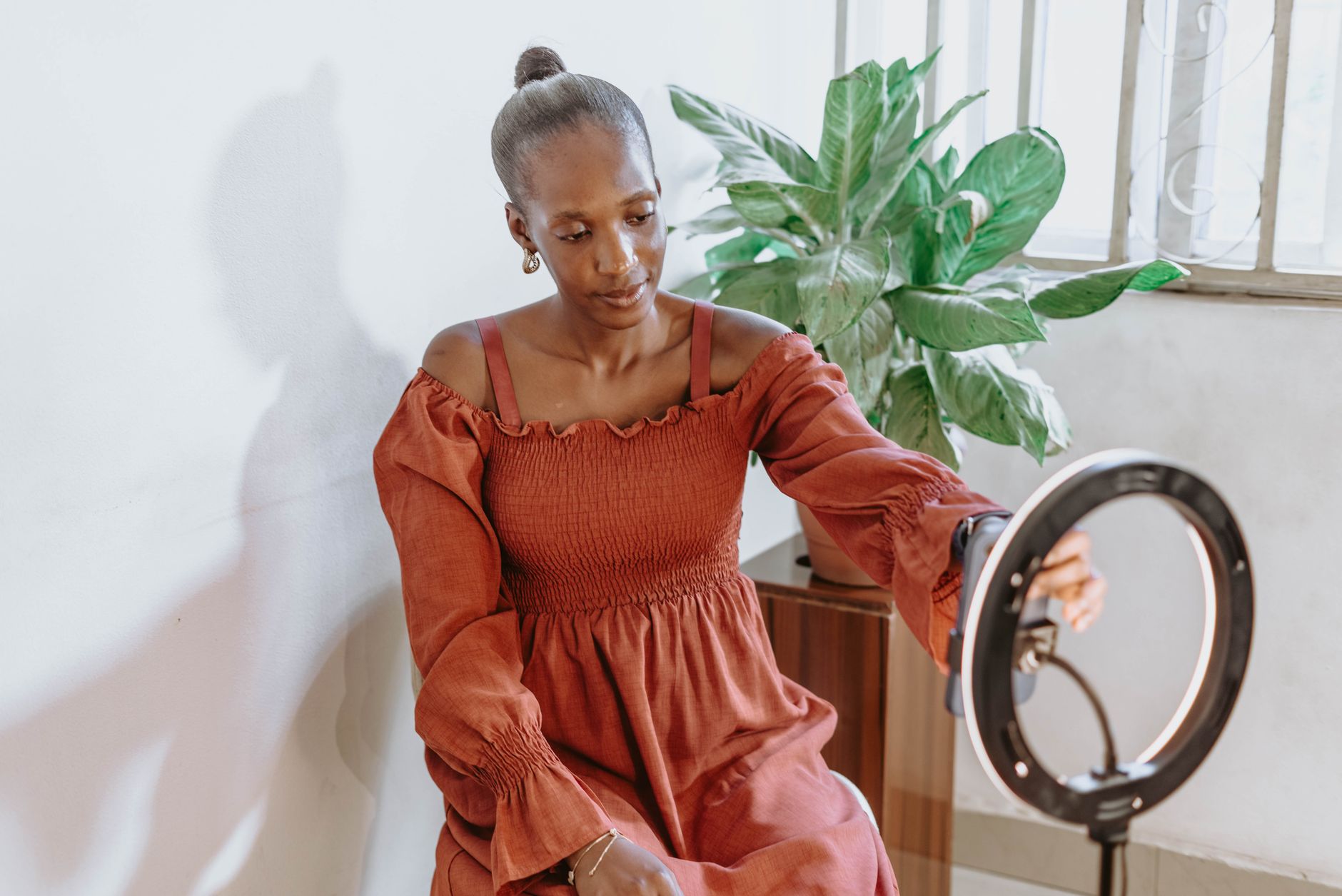
The global creator economy is worth over $250 billion, but its discovery tools were built for Western markets — leaving Africa's most influential creators invisible to brands, investors, and media companies. This article maps the emerging creator discovery platforms serving Africa and the diaspora, exposes the language and data gaps holding the ecosystem back, and makes the case for why African-led curation is the next frontier of the global creator economy.
Africa's Creator Economy Needs Better Maps
The global creator economy is valued at over $250 billion, yet the tools built to navigate it were designed with Western markets in mind. A creator discovery platform built for YouTube influencers in Los Angeles tells you almost nothing useful about a Swahili-language tech educator in Nairobi or a Pidgin-speaking comedy creator in Port Harcourt. That gap is not a minor inconvenience — it is a structural failure that costs African creators real money, real partnerships, and real global reach.
Brands, investors, and media companies are now actively hunting for African talent. Afrobeats has gone platinum in 40 countries. Nollywood content is streaming on Netflix. African fintech founders are keynoting Web Summit. The demand is there. What is missing is the infrastructure to match buyers with creators efficiently, transparently, and at scale.
This article maps out exactly how creator discovery tools are evolving across Africa and for the African diaspora — who is building them, where the money is going, and where the biggest gaps still remain. It also makes a direct argument: Africa-focused curation is not a niche play — it is the next frontier of the global creator economy.

What a Creator Discovery Platform Actually Does — and Why Africa Needs Its Own
A creator discovery platform is, at its core, a search and matchmaking engine. Brands input criteria — audience size, niche, engagement rate, geography, language — and the platform surfaces relevant creators. Tools like GRIN, Upfluence, and AspireIQ dominate this space globally. They are powerful. They are also almost entirely blind to African markets.
Why? Because their data pipelines rely on English-language social media metadata, Western payment rails, and follower thresholds that automatically filter out micro-creators — the exact tier where much of Africa's most culturally resonant content lives. A creator with 80,000 Yoruba-speaking followers and a 12% engagement rate is invisible to most global platforms. That is not a data problem. It is a design choice that was never interrogated.
Africa's creator landscape demands different inputs. Consider these realities:
- Over 2,000 languages are spoken across the continent, many with growing digital content communities.
- Mobile-first content consumption means short-form video and audio dominate — not long-form blog or newsletter content.
- Many top African creators monetize through brand deals in local currencies, live events, and community memberships — not AdSense or Patreon.
- The African diaspora — in London, Toronto, Houston, Paris — is a distinct and commercially powerful audience segment that most tools treat as an afterthought.
Building discovery tools for this market requires rethinking the data model from the ground up, not simply adding a "Nigeria" filter to an existing dashboard.
The Platforms Emerging to Fill the Gap
A handful of platforms are beginning to address African creator discovery seriously. None has yet achieved the scale of a GRIN or an Upfluence, but the momentum is real and the VC interest is growing.
Topping Africa (toppingafrica.com) is positioning itself as the definitive curator of African creators across tech, music, business, and culture. Unlike algorithm-only tools, Topping Africa combines editorial curation with a searchable creator index — meaning discovery is not just data-driven but context-driven. You can explore creators by category or browse what is trending across the continent right now. That editorial layer matters enormously for brands that need cultural context, not just metrics.
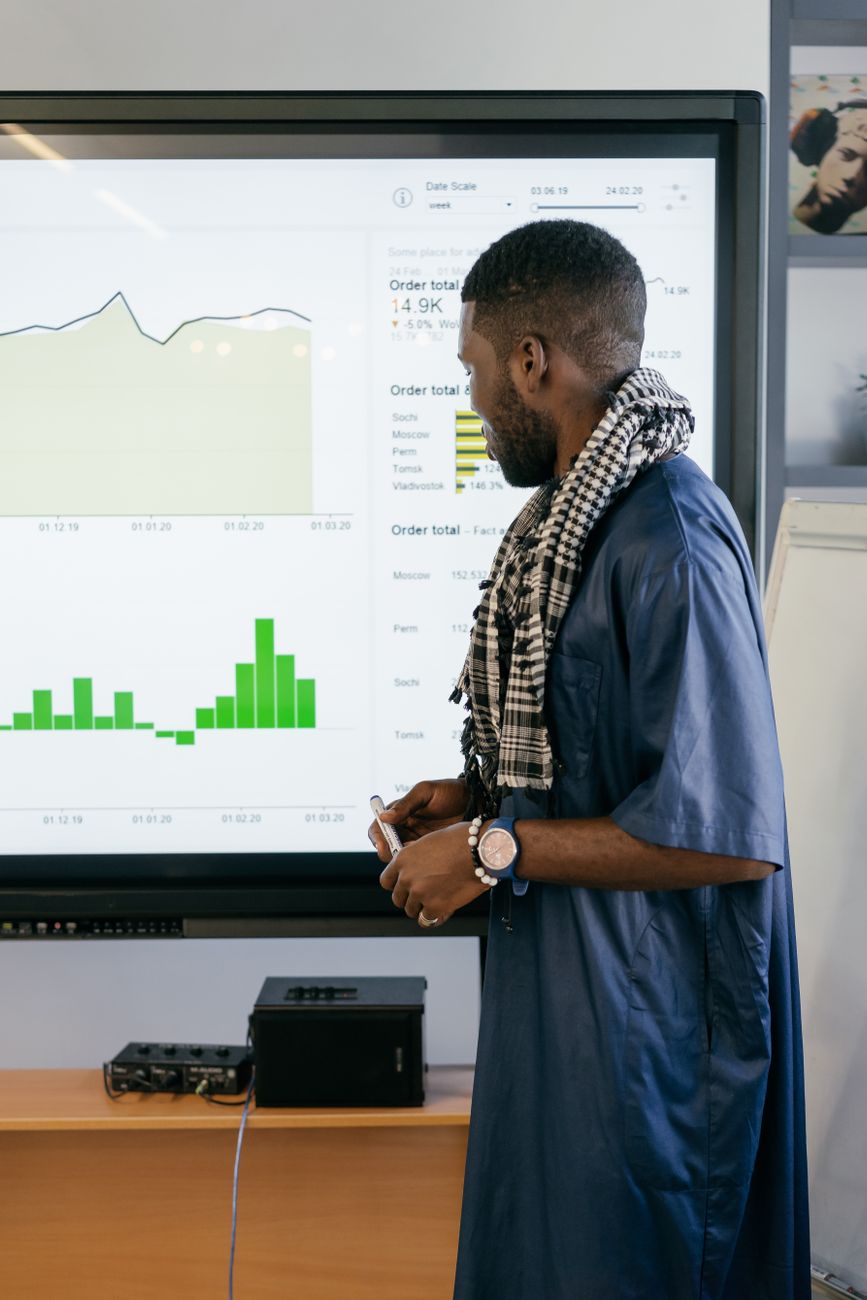
Audiomack has quietly built one of the most effective music creator discovery tools for African artists, with deep catalogues in Afrobeats, Amapiano, and Afro-fusion. Its data on streaming patterns across Ghana, Nigeria, and South Africa is more granular than Spotify's for those markets.
Creators of Africa and similar directory-style platforms have emerged as searchable databases, though many suffer from inconsistent data quality and infrequent updates — a common early-stage problem.
On the investor side, TechCrunch has documented a growing wave of VC interest in African creator economy infrastructure. Funds like Ventures Platform, Founders Factory Africa, and Future Africa have all made bets adjacent to the creator space — backing tools for monetization, distribution, and audience analytics that feed directly into discovery workflows.
The honest assessment: the ecosystem is fragmented. No single platform currently does for African creators what LinkedIn does for professionals or what Spotify's Discovery Mode does for musicians. That is both the problem and the opportunity.
How Brands and Investors Are Using Discovery Tools Right Now
Despite the fragmentation, brands are not waiting. They are building workarounds — some clever, some expensive, most inefficient.
A typical brand entering the Nigerian market today might do the following: hire a local agency to manually scout Instagram and TikTok, cross-reference follower counts with engagement calculators, run a brief survey to verify audience demographics, and then negotiate deals individually with 15-20 creators. That process takes six to twelve weeks and costs far more than it should. A mature creator discovery platform compresses it to days.
Investors face a different but related problem. When a VC fund wants to understand which African creators are building durable businesses — not just viral moments — they need data on creator revenue diversification, audience retention, and cross-platform presence. Most discovery tools show follower counts. Almost none show creator business health.
This is where editorial curation punches above its weight. Reading a deep profile of a creator — understanding that they have a merchandise line, a Substack, a speaking circuit, and a YouTube channel with consistent 40% retention — tells an investor more than any dashboard metric. That is the bet Topping Africa is making, and it is a smart one. Discover the full range of African creators building real businesses at toppingafrica.com/creators.
Media companies — particularly streaming platforms and publishers — use discovery tools differently again. They are looking for cultural fit, narrative voice, and audience loyalty. A creator with 200,000 deeply engaged followers in East Africa is a more attractive podcast co-host or documentary subject than a creator with 2 million passive followers globally. Discovery tools that surface engagement quality, not just quantity, serve this use case far better.
The Language Gap: Africa's Biggest Discovery Blind Spot
Here is the trade-off almost nobody talks about: optimizing for English-language discoverability actively disadvantages the most culturally authentic African creators.
A creator who posts in Hausa, Amharic, Zulu, or Wolof is effectively invisible to every major global discovery platform. Their content does not get indexed with meaningful semantic tags. Their audience data does not map cleanly onto Western demographic models. Their monetization pathways are often informal or platform-agnostic. So they get filtered out — not because they lack influence, but because the tools were not built to see them.
This is not a small cohort. Hausa alone has over 70 million native speakers. Amharic has 35 million. Zulu has 12 million. These are not niche language communities — they are mass markets with passionate, underserved audiences and enormous commercial potential for brands willing to invest in localization.
The gap creates a specific opportunity for Africa-native discovery platforms: build the language layer first. Index content in local languages. Tag creators by linguistic community, not just geography. Build relationships with local cultural institutions that can verify authenticity and context. This is hard, slow work — but it is defensible work that a global platform based in San Francisco will not prioritize anytime soon.
For more on how African cultural traditions are powering the creator economy, read our deep dive: From Village Traditions to Viral Trends.

VC-Backed Creator Economy Initiatives Targeting Africa
The money is starting to move. Not fast enough, but the direction is clear.
Several VC-backed initiatives are building the infrastructure layer beneath creator discovery — the payment rails, the analytics APIs, the rights management tools that make discovery actionable rather than decorative. Without these, a brand can find a creator but cannot pay them efficiently, verify their rights to use their content, or measure campaign ROI in local market terms.
Key areas attracting investment include:
- Creator monetization platforms — tools that allow African creators to accept payments in local currencies, manage brand deal contracts, and track earnings across platforms. Examples include Paystack-adjacent creator tools and emerging platforms like Moni.
- Audience analytics for African markets — startups building data pipelines that capture mobile-first engagement metrics, WhatsApp community data, and podcast download numbers from African streaming services.
- Rights and licensing infrastructure — particularly in music, where Afrobeats licensing for global sync deals remains chaotic. Platforms that solve rights clearance unlock enormous value for both creators and brands.
- Creator education and credentialing — accelerators and cohort programs (backed by funds like Founders Factory Africa) that help creators build business skills, which in turn makes them more attractive and legible to brands and investors using discovery tools.
The African tech startup ecosystem is also producing adjacent tools that feed into discovery. AI-powered content tagging, local-language NLP models, and mobile analytics dashboards are all being built on the continent — often by African founders who understand the market from the inside. For a broader look at this trend, explore our coverage of African tech startups using AI to solve local problems.
Common Mistakes Brands Make When Discovering African Creators
Even when brands use the best available tools, they make predictable errors. Naming them directly is more useful than vague advice about "doing your research."
Mistake 1: Treating Africa as a single market. A campaign that works in Lagos will not automatically translate to Accra, Nairobi, or Johannesburg. Creator discovery tools that allow filtering by city, language community, and cultural subgroup are far more valuable than those that only offer country-level targeting.
Mistake 2: Chasing follower counts over engagement quality. African social media audiences are often highly active in comments, shares, and community groups — but this activity does not always show up in the vanity metrics that global platforms surface. A creator with 50,000 followers and a 15% engagement rate is almost certainly more valuable than one with 500,000 and a 1% rate.
Mistake 3: Ignoring the diaspora segment. African creators based in the UK, Canada, or the US often have dual-audience reach — they speak to both diaspora communities and continental African audiences. This makes them uniquely powerful for brands trying to bridge both markets. Most discovery tools do not tag or surface this dual-reach quality.
Mistake 4: Skipping cultural vetting. Metrics can tell you a creator is popular. They cannot tell you whether a brand partnership will feel authentic to that creator's community. Editorial curation — the kind Topping Africa provides — fills this gap by adding cultural context that no algorithm currently captures reliably.
What a Best-in-Class African Creator Discovery Platform Looks Like
This is not theoretical. The features of an ideal platform can be specified concretely, and they serve as a benchmark against which existing tools can be measured.
A best-in-class African creator discovery platform would include:
- Multi-language indexing — content tagged and searchable in at least the 10 most widely spoken African languages, with semantic understanding of cultural context.
- Engagement quality scoring — metrics that weight comment depth, share velocity, and community interaction over raw follower counts.
- Cross-platform aggregation — pulling data from TikTok, Instagram, YouTube, X (Twitter), Audiomack, Boomplay, and WhatsApp Business channels into a single creator profile.
- Diaspora tagging — clearly identifying creators who serve both continental and diaspora audiences, with audience breakdown by region.
- Business health indicators — signals of creator business maturity: merchandise lines, newsletter subscribers, speaking engagements, and revenue stream diversity.
- Editorial context layers — human-written profiles that explain cultural positioning, brand fit, and community reputation in ways that data alone cannot.
- Verified payment integration — so that when a brand finds a creator, they can initiate a deal and pay in local currency without leaving the platform.
No single platform checks all these boxes today. Topping Africa leads on editorial context and cultural curation. The gap between where the ecosystem is and where it needs to be is also the size of the commercial opportunity for founders, investors, and platforms willing to build seriously in this space.
The Argument for African-Led Curation
There is a version of this story where a Silicon Valley platform eventually adds an "Africa" tab and calls it solved. That version will fail — not out of malice, but out of structural incomprehension.
African creator discovery requires African cultural fluency. Knowing that a creator's content references a specific Igbo proverb, or that their audience skews toward second-generation Senegalese communities in France, or that their music is rooted in a regional sound that predates Afrobeats by two decades — this knowledge does not emerge from data scraping. It emerges from presence, relationship, and lived context.
This is the core argument for platforms like Topping Africa: curation at this level of specificity is a moat. It cannot be replicated overnight by a well-funded outsider. It is built through consistent engagement with the creator community, editorial investment, and a genuine commitment to making African creators visible on their own terms — not as exotic additions to a global index, but as the primary subjects of a platform built specifically for them.
The brands, investors, and media companies that recognize this early will have a significant advantage. The creators who get discovered through culturally intelligent platforms will build more authentic partnerships, command better rates, and reach audiences that generic tools cannot unlock.
The gatekeeping era of African culture — where a Western label, studio, or publisher decided who got seen — is ending. The new gatekeepers are platforms. The question is whether those platforms are built by people who understand what they are curating. That answer matters enormously for the next decade of African creative and economic output.
Ready to explore what African creators are building right now? Discover creators across the continent and see why Topping Africa is the platform shaping what the world sees next from Africa.
Staff
Contributing writer at Topping Africa.
0 Comments
No comments yet. Be the first to share your thoughts!