

Central African Republic President Touadéra Wins Third Term in Provisional Election Results
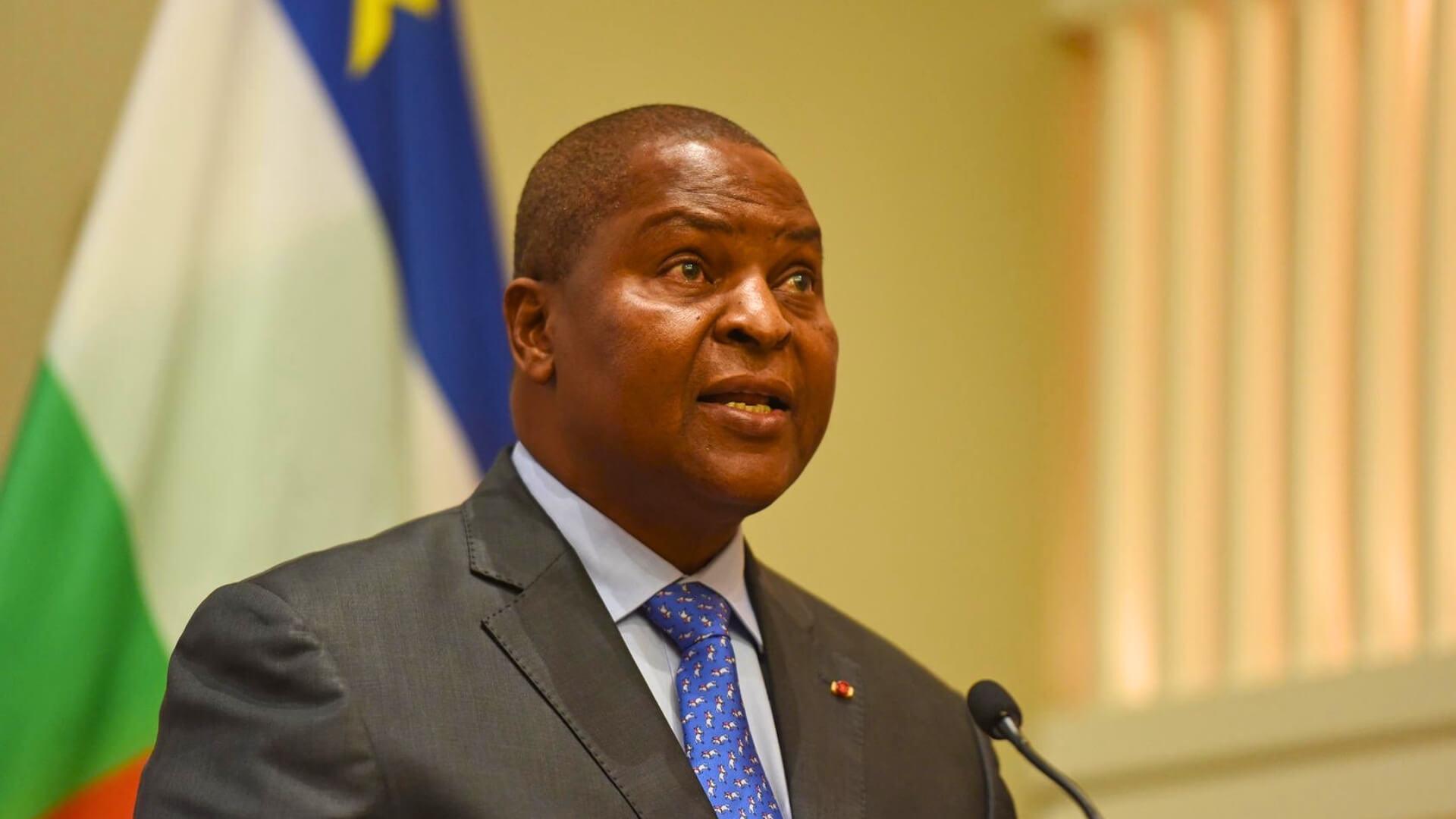
Provisional results show President Touadéra winning a third term in the Central African Republic’s election, amid opposition protests and ongoing judicial review.
Photo credit: Faustin-Archange Touadéra/X
BANGUI, Central African Republic — January 6, 2026, Updated 12:47 GMT — Provisional election results released Monday night by the Central African Republic’s National Electoral Authority indicate that President Faustin-Archange Touadéra has secured a third presidential term, winning 76.15 percent of the vote in the Dec. 28, 2025, election. The announcement comes amid ongoing debate over electoral fairness and opposition participation, despite international observers broadly describing the voting process as peaceful.
The 68-year-old incumbent, who first took office in 2016 and was re-elected in 2020, ran for a third term after a 2023 constitutional referendum removed presidential term limits, allowing him to extend his tenure. Voter turnout was reported at about 52.42 percent, with more than 2.4 million registered voters participating in a comprehensive general election that also included legislative, regional, and municipal contests.
Opposition figures — notably former Prime Ministers Anicet-Georges Dologuélé and Henri-Marie Dondra — rejected the preliminary outcome, alleging irregularities and condemning what they described as an unequal political environment that undercut a level playing field. Both candidates have indicated plans to challenge the results ahead of a Constitutional Court deadline later in January.
Reactions & Regional Context
Supporters of Touadéra have rallied in Bangui and across provincial capitals, celebrating what they describe as continuity and stability in a country that has faced intermittent violence and political fragmentation for more than a decade.
“Peace has been tenuous, but there is consensus that the security improvements we have been pushing cannot be rolled back,” said one member of Touadéra’s United Hearts Movement. Observers have noted that his partnerships with international forces, including Rwandan contingents, are central to the gains made against some armed groups.
Conversely, critics warn that broad opposition boycott and contested electoral conditions cast a shadow over the credibility of the provisional results. Human rights and governance advocates say that ensuring transparent judicial review will be crucial to sustaining domestic and international confidence. “Elections are not just about counting ballots,” said a civil society representative in Bangui. “They are about inclusivity and trust in democratic processes.”
International stakeholders — including African Union and United Nations missions — have acknowledged that voting proceeded with minimal major violence but also stressed the importance of credible dispute resolution mechanisms.
The UN Multidimensional Integrated Stabilization Mission in the Central African Republic (MINUSCA) highlighted ongoing security challenges, particularly in the country’s eastern regions, even as it noted a generally peaceful election day.
Significance
Touadéra’s provisional victory underscores both continuity and contention in one of Central Africa’s most volatile states. While security partnerships and peace agreements with some armed factions have reduced large-scale violence, analysts caution that the underlying structural challenges — weak institutions, fragmented opposition, and localized insecurity — remain unresolved.
The upcoming Constitutional Court review and any potential legal challenges will be pivotal in shaping the final outcome and domestic perceptions of legitimacy.
The election also has broader regional implications. Neighboring states and regional blocs such as the African Union and Economic Community of Central African States (ECCAS) have emphasized democratic norms and conflict mitigation as part of a wider agenda to stabilise the often volatile central Sahel corridor.
Staff
Contributing writer at Topping Africa.
0 Comments
No comments yet. Be the first to share your thoughts!