
Africa's Creative Economy in 2026: The Real Business Opportunities for African Creators
Africa's creative economy is projected to surpass $500 billion by 2030 — and African creators in music, film, fashion, gaming, and gastronomy are already building scalable businesses to claim their share. This guide breaks down the real funding sources, IP strategies, monetization models, and market access tactics that separate thriving creative businesses from one-hit wonders.
African Creators Are Building the Continent's Next Economic Frontier
The numbers are no longer aspirational — they are proof. African creators across music, film, fashion, gaming, and gastronomy are generating real revenue, attracting global investment, and building scalable businesses from Lagos to Nairobi, Accra to Johannesburg. The African creative economy is projected to surpass $500 billion by 2030, according to the UNCTAD Creative Economy Programme. That figure is not a ceiling — it is a floor, and the builders are already at work.
This is not a story about potential. It is a story about execution. The creators shaping this moment are not waiting for permission or infrastructure to catch up. They are building distribution channels, negotiating licensing deals, filing trademarks, and monetizing audiences that span continents. The question is no longer whether the African creative economy is viable. It is: how do you get in, and how do you scale?
The Seven Sectors Where African Creators Are Finding Real Scale
Not every creative sector offers the same entry points or profit margins. Understanding which verticals have the strongest infrastructure — and which still carry structural risk — is the first step to building a sustainable creative business in Africa.
Music: Streaming Revenue Is Only Part of the Story
Afrobeats, Amapiano, Afropop, and Bongo Flava are not trends. They are genre categories with dedicated global audiences. Streaming platforms like Spotify and Apple Music now feature dedicated African charts, but the smarter creators know that streaming royalties alone rarely build wealth. The real money is in sync licensing (placing music in film, TV, and ads), live performance fees, and brand partnerships.
A mid-tier Afrobeats artist with 500,000 monthly Spotify listeners might earn $1,500–$3,000 per month from streaming. That same artist, licensing a track to a global ad campaign, can earn $20,000–$80,000 in a single deal. The gap is enormous. Platforms like DistroKid and TuneCore handle distribution, but sync licensing requires either a publisher or direct outreach to music supervisors — a skill gap most African artists have not yet closed.
The 2024 MTN Liberia Music Awards highlighted exactly this: artists who diversified beyond streaming — into endorsements, live events, and merchandise — were the ones growing their businesses year over year.
Film and Television: Nollywood's Global Moment
Nollywood is the world's second-largest film industry by volume. But volume without deal structure leaves money on the table. The shift happening right now is from one-off content sales to IP ownership and co-production deals. Creators who retain their intellectual property — rather than selling it outright to a streamer — can earn residuals, sequel rights, and merchandise revenue for years.
Netflix, Prime Video, and Canal+ have all deepened their African content investments. The South Africa Film Incentive 2026 is a concrete example of how government-backed funding is now accessible to filmmakers across the continent, not just domestic producers. The incentive covers up to 35% of qualifying production spend — a meaningful subsidy for any production budget.
Meanwhile, African AI content creators are reinventing filmmaking by cutting production costs dramatically. AI-assisted scriptwriting, scene generation, and post-production tools are letting indie filmmakers produce broadcast-quality content at a fraction of traditional costs.
Fashion: From Local Craft to Global Brand Architecture
African fashion is having a structural moment, not just a cultural one. Designers like Kenneth Ize, Thebe Magugu, and Maxhosa Africa have demonstrated that African fashion brands can command premium global pricing. The common thread? Brand storytelling rooted in cultural specificity, combined with rigorous quality control and strategic wholesale partnerships.
The mistake most emerging African fashion creators make is scaling production before brand equity is established. A Kente-inspired streetwear label that sells 200 units at $120 each generates $24,000 — but the same label with a coherent brand narrative, a verified origin story, and stockists in London or New York can charge $300 per unit and sell the same volume. Pricing power comes from brand architecture, not just craftsmanship.
Gaming: Africa's Most Underestimated Creative Sector
Africa has over 186 million gamers, with mobile gaming dominating due to smartphone penetration. Yet fewer than 200 African game studios exist commercially. That gap is an opportunity. Studios like Kiro'o Games in Cameroon and Leti Arts in Ghana are proving that African-themed games — built on local mythology, languages, and cultural aesthetics — resonate with both African and diaspora audiences.
The monetization model here is nuanced. Free-to-play with in-app purchases works for mobile. But African game developers are also exploring educational gaming contracts with NGOs and governments, which can provide stable B2B revenue while the consumer audience grows. This dual-track model — B2C consumer games plus B2B institutional licensing — is one of the most resilient business structures in the sector.
Gastronomy, Publishing, and Visual Arts: The Long-Tail Sectors
These three sectors are often overlooked in creator economy conversations, but they carry significant revenue potential for the right creator profile.
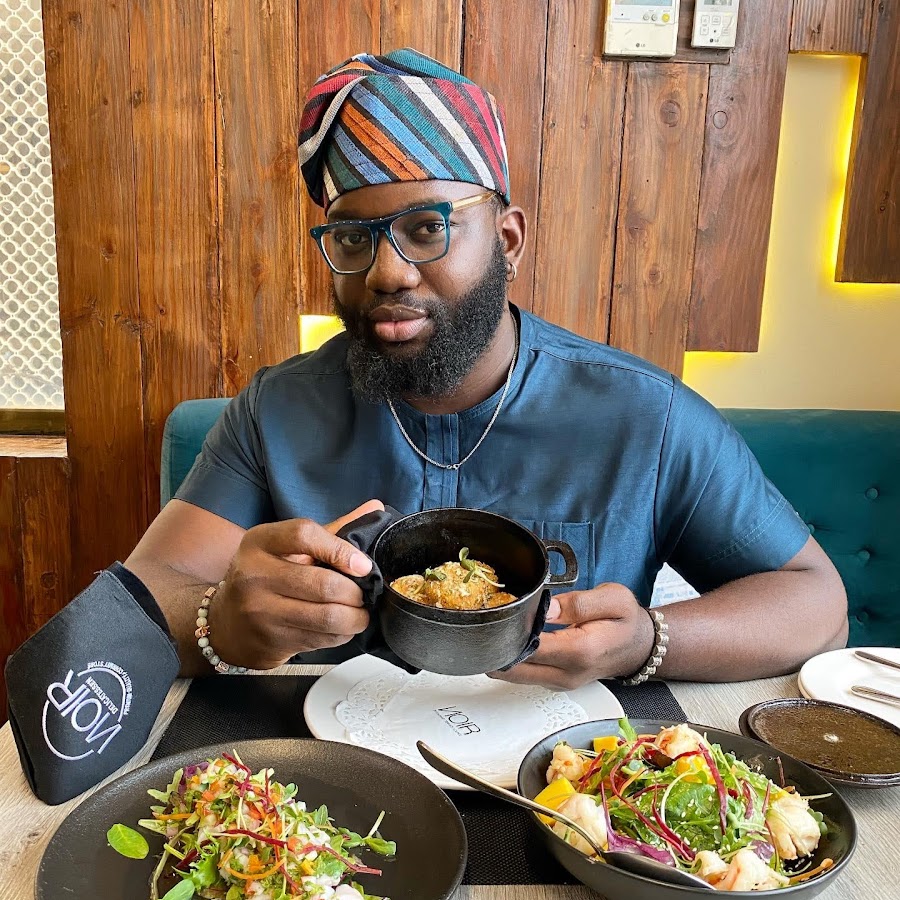
- Gastronomy: African chefs and food creators are monetizing through cookbooks, YouTube channels, restaurant consulting, branded spice lines, and food tourism experiences. A food creator with 100,000 YouTube subscribers and a self-published cookbook can realistically earn $60,000–$120,000 annually across combined revenue streams.
- Publishing: African authors are increasingly choosing hybrid publishing — self-publishing for control and margin, while using traditional publishers for distribution reach. The Caine Prize and Booker Prize nominations have proven that African literary voices command international critical attention. The business layer is catching up.
- Visual Arts: NFTs briefly opened global markets to African visual artists, but the more durable opportunity is in art licensing, gallery representation in diaspora cities, and commissioned murals or brand collaborations. Artists who treat their style as a licensable asset — rather than a one-off product — build recurring revenue.
Funding, IP, and the Infrastructure African Creators Actually Need
Access to capital remains the most cited barrier for African creators building businesses. But the funding landscape in 2026 looks meaningfully different from five years ago. Grants, accelerators, and competitions specifically targeting African creative businesses have multiplied. The challenge is knowing where to look and how to apply strategically.
For a structured breakdown of what is currently available, the 2026 African entrepreneurship grants and accelerators guide is the most comprehensive starting point for creators ready to seek external funding.
Intellectual property is the second major infrastructure gap. Most African creators do not register their trademarks, copyright their work formally, or structure licensing agreements before distributing content. This is a costly mistake. A musician who releases a track without registering it with a performing rights organization (PRO) — such as SAMRO in South Africa or COSON in Nigeria — forfeits every cent of performance royalty that track generates on radio, in venues, or on streaming platforms.
The practical steps every creator should take before scaling:
- Register your brand name and logo as a trademark in your primary market.
- Join your country's PRO if you produce music or audio content.
- Use written contracts — even with collaborators and friends — for every creative project.
- Understand the difference between assigning copyright (selling it permanently) and licensing it (renting it for specific uses and time periods).
- Consult a creative industry lawyer before signing any distribution or publishing deal.
Monetization Models That Actually Work for African Creators in 2026
The creator monetization conversation often fixates on ad revenue and brand deals. Both matter, but neither is the most reliable income source for African creators, given advertiser rate disparities between African and Western markets. A Nigerian creator with 1 million YouTube views earns roughly $300–$700 in ad revenue. An American creator with the same views earns $2,000–$5,000. The CPM gap is real and persistent.
The creators building durable businesses are stacking multiple revenue streams deliberately. Here is what that looks like in practice:
- Direct-to-audience monetization: Patreon, Substack, and platform-native subscription tools (YouTube Memberships, TikTok LIVE gifts) allow creators to earn directly from their most engaged fans — bypassing advertiser rate disparities entirely.
- Digital products: E-books, online courses, presets, templates, and sample packs are high-margin products that scale without inventory costs. A fashion creator selling a $49 styling course to 500 students earns $24,500 — more than most brand deals at that follower count.
- Consulting and services: Many African creators undervalue their expertise. A food creator who has built a following around Nigerian cuisine can charge $150–$300 per hour consulting for restaurant brands, food companies, or tourism boards.
- Licensing and syndication: Content that is licensed to media companies, brands, or platforms generates passive income. This requires building a content library, not just a feed.
For a detailed breakdown of real income paths and current rates, this guide on what African content creators actually earn provides concrete figures across sectors and follower tiers.

Market Access: Reaching African Diaspora and Global Audiences
One of the most underused advantages African creators have is the African diaspora — an estimated 170 million people living outside the continent, many of whom actively seek cultural connection through music, food, fashion, film, and storytelling. This audience has higher purchasing power than domestic African markets in many cases, and they are deeply loyal to authentic African creators.
Reaching them requires platform strategy. TikTok's algorithm is genuinely borderless — a creator in Accra can go viral in Atlanta or Amsterdam without a single paid promotion. Instagram Reels and YouTube Shorts work similarly. But discoverability is not the same as community. The creators who convert diaspora audiences into paying customers are the ones who build email lists, run consistent live sessions, and create content that speaks to both the homeland and the abroad experience simultaneously.
The best social media platforms for African content creators in 2026 breaks down exactly which platforms are delivering the strongest reach and monetization returns right now — including some that are outperforming the obvious choices.
Beyond social media, market access also means physical presence in key diaspora cities. Pop-up events, collaborations with diaspora-owned businesses, and presence at African cultural festivals in London, New York, Toronto, and Paris create trust signals that digital content alone cannot replicate. The most successful African creative businesses treat the diaspora not as a secondary market but as a co-primary audience from day one.
The Long Game: Building a Creative Business That Lasts
Virality is not a business model. The African creators who will still be operating profitable businesses in 2030 are the ones making structural decisions now — about IP ownership, revenue diversification, audience ownership, and brand positioning. The creative economy rewards consistency and compound growth, not spikes.
Three common mistakes that derail promising African creative businesses:
- Chasing platform trends at the expense of brand identity. Jumping from Afrobeats to Amapiano to drill because each is momentarily trending dilutes the brand signal that makes a creator memorable and bookable.
- Neglecting contracts and legal structure. Collaborations without written agreements, verbal licensing deals, and unregistered trademarks are time bombs. They do not explode immediately — they explode when the business starts making real money.
- Building for followers instead of customers. A creator with 50,000 highly engaged followers who buy products, attend events, and pay for subscriptions is worth more commercially than one with 500,000 passive scrollers. Engagement quality beats quantity every time.
The African creative economy in 2026 is not a rising tide that lifts all boats. It rewards creators who treat their work as a business — with strategy, legal infrastructure, diversified revenue, and a clear understanding of their audience. The opportunity is genuinely historic. The execution is what separates those who profit from it and those who simply witness it.
Discover the African creators already building at this level — explore profiles, stories, and insights at Topping Africa's creator directory. And if you are a creator ready to grow your reach and connect with brands and audiences across the continent and diaspora, get started with Topping Africa's promotion tools today.
Staff
Contributing writer at Topping Africa.
0 Comments
No comments yet. Be the first to share your thoughts!