
African Culture in Motion: How Digital Creators Are Reimagining Traditions in 2026
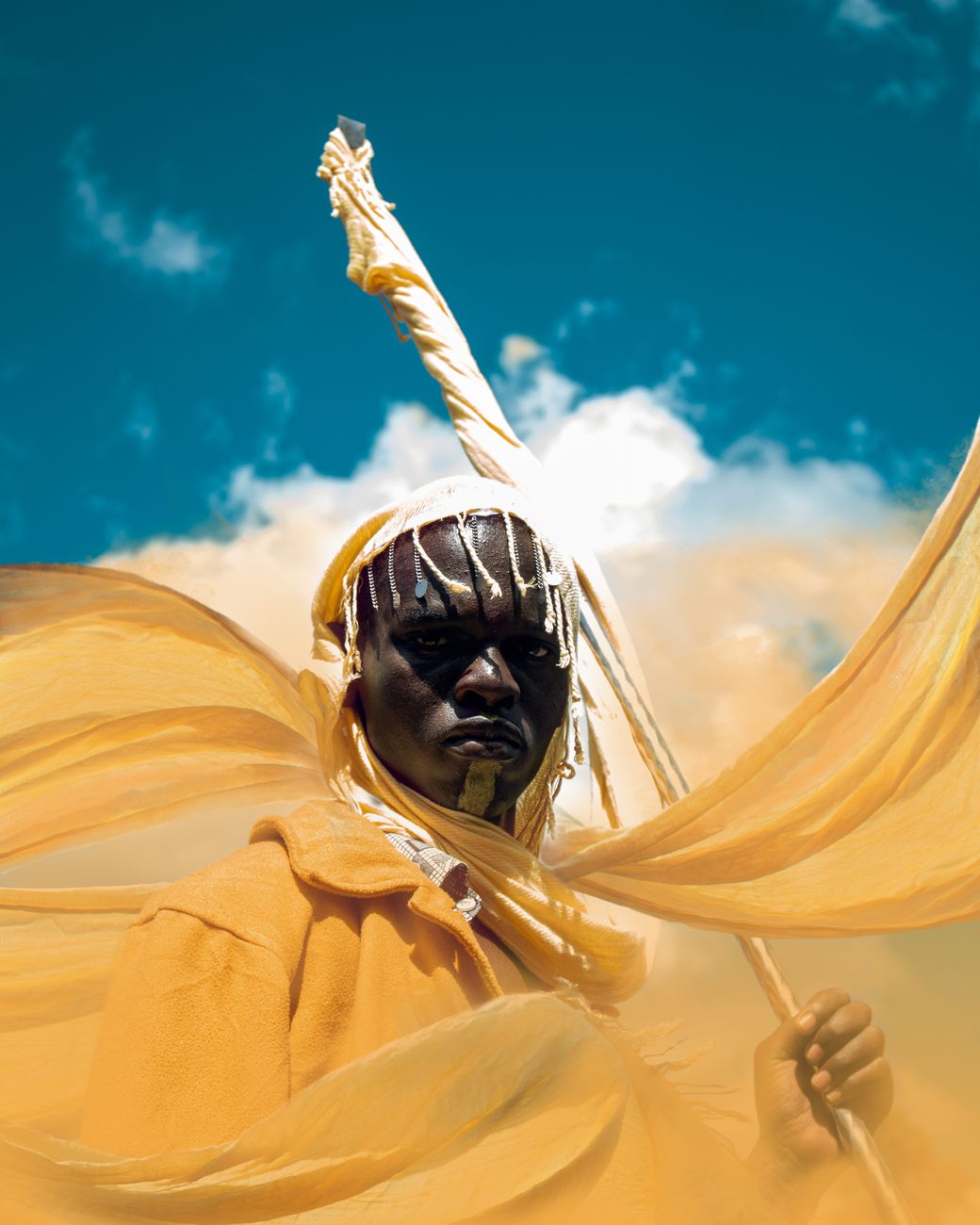
African content creators are using short-form video, podcasts, and visual storytelling to reinterpret African culture and traditions for global audiences — and building sustainable businesses in the process. This is not preservation. It is evolution, and it is accelerating fast in 2026.
African Culture and Traditions Are Going Viral — and That Changes Everything
Something seismic is happening across the African creator economy. African culture and traditions — once filtered through Western documentary lenses or reduced to tourist brochure aesthetics — are now being told, shaped, and distributed by the very people who live them. In 2026, a Yoruba fashion designer in Lagos can reach 3 million viewers on TikTok before a legacy magazine even pitches the story. A Ghanaian podcaster breaks down the philosophy behind Adinkra symbols for listeners in Accra, Atlanta, and Amsterdam simultaneously. This is not nostalgia. It is a deliberate, strategic reclamation — and it is accelerating fast.

The numbers back this up. Statista reports that Africa had over 570 million internet users by 2024, a figure climbing steeply into 2026. Short-form video consumption on the continent grew by roughly 40% year-over-year across platforms like TikTok, Instagram Reels, and YouTube Shorts. That audience is young — median age across sub-Saharan Africa sits below 20 — and it is hungry for content that reflects its own identity, not an imported one.
The opportunity is enormous. But so is the responsibility. Creators who get this right are building cultural archives, economic brands, and global influence all at once. Those who get it wrong risk flattening rich traditions into digestible trends that evaporate in a news cycle. The difference between the two is craft, context, and community.
Short-Form Video: The New Oral Tradition
Oral storytelling has always been Africa's most powerful medium. Griots in West Africa, storytellers around Swahili fires, praise singers at Zulu ceremonies — the spoken word carried history, law, and identity for generations. Short-form video is, in many ways, the digital successor to that tradition. It is immediate, personal, and communal.
Creators like Kemi Olunloyo (Nigeria), who blends Yoruba proverbs with current affairs commentary, and Elsa Majimbo (Kenya), whose deadpan comedy is rooted in a distinctly East African sensibility, demonstrate that cultural specificity is a strength, not a niche liability. Majimbo's rise to global brand partnerships — Valentino, MAC Cosmetics — happened precisely because she did not dilute her voice. She leaned into it.
The mechanics matter here. Creators who perform best with culturally rooted content tend to follow a specific structure:
- Hook with the familiar: Open with a recognizable cultural moment — a festival sound, a proverb, a dish being prepared — before adding context.
- Explain without condescending: Assume the audience is curious, not ignorant. Creators who talk with their audience outperform those who lecture.
- Close with a call to community: Ask viewers what their own tradition looks like. Comments and duets become collaborative storytelling.
This is not a formula to copy blindly. It is a pattern worth understanding. The creators breaking it intentionally — subverting expectations mid-video — often perform best of all. Surprise is its own algorithm.
Fashion, Food, and Festivals: The Three Pillars of Cultural Content
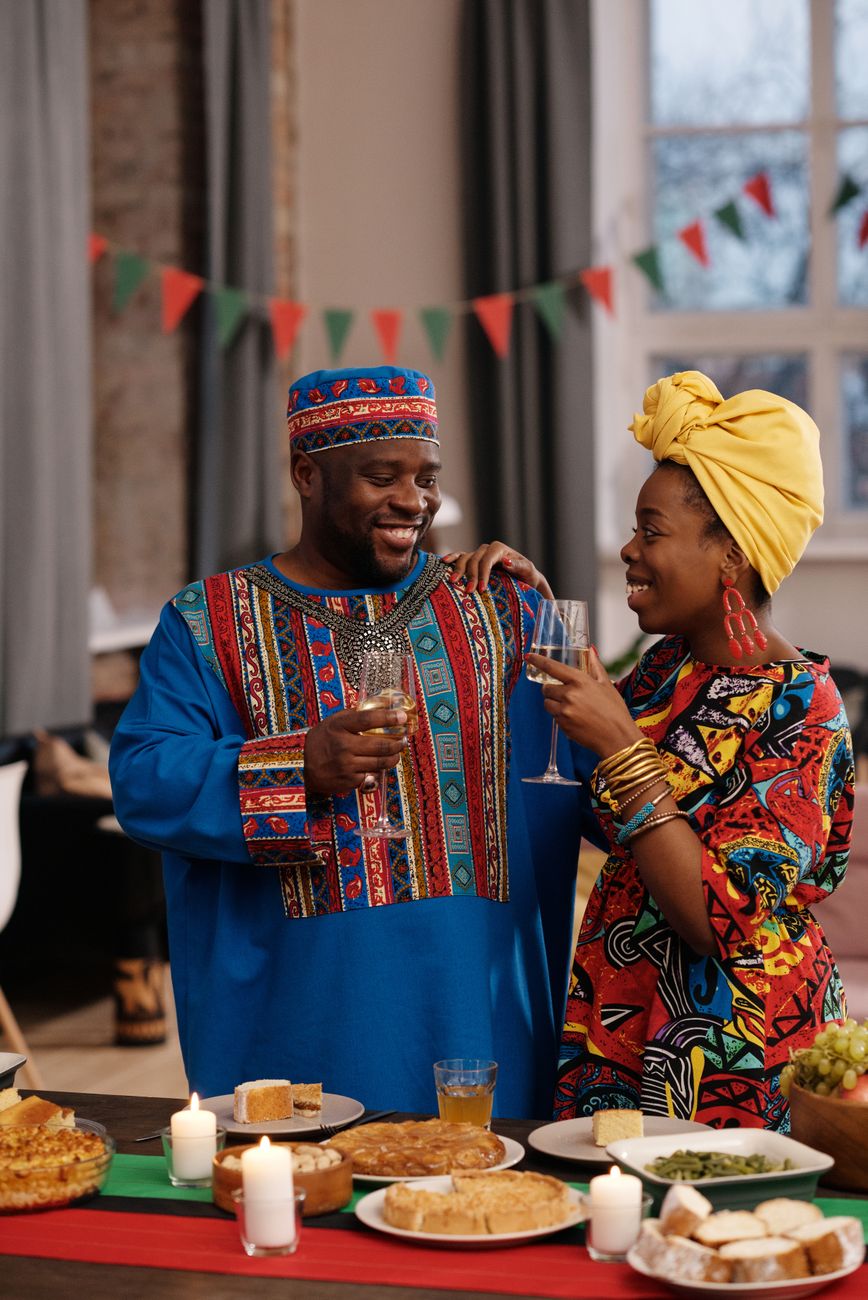
Three content categories consistently dominate when African creators go cultural: fashion, food, and festivals. Each one carries centuries of meaning. Each one is being reimagined for digital-native audiences right now.
Fashion: Wearing the Archive
African fashion content has exploded. Creators are not just styling outfits — they are teaching. A creator in Nairobi might pair a Kikuyu-inspired kanzu with modern streetwear, then spend 60 seconds explaining the garment's ceremonial roots. That combination — aesthetic appeal plus cultural depth — is what drives shares, saves, and sustained follower growth.
The diaspora dimension amplifies this further. Brands like Denim Tears, founded by Tremaine Emory, have shown how diaspora-fueled fashion can carry cultural weight at a global commercial scale. Explore how diaspora-fueled fashion is rewriting African culture and business — the intersection of identity, commerce, and creativity is where the most compelling creator stories live.
Common mistake: creators who pivot to trending Western aesthetics to chase virality often see a short-term spike and a long-term audience bleed. Authenticity is the retention strategy, not just a moral choice.
Food: The Universal Entry Point
Food content travels. A well-shot video of jollof rice being made from scratch, narrated with the story of its disputed origins across Nigeria, Ghana, and Senegal, will generate engagement across three continents. Creators like Ozoz Sokoh (Kitchen Butterfly) have built entire editorial empires around Nigerian food history — turning recipes into essays, essays into talks, talks into books.
The key insight here: food is the safest entry point for audiences unfamiliar with African culture. It is sensory, non-threatening, and universal. Creators who use food as a gateway — then walk audiences deeper into language, ceremony, or philosophy — build the broadest and most loyal followings.
Festivals: Real-Time Cultural Broadcasting
Festivals like Lagos's Eyo Festival, Ethiopia's Timkat, or Senegal's Saint-Louis Jazz Festival used to reach global audiences only through travel journalism. Now, creators livestream them, produce documentary-style Reels, and publish multi-part podcast series around them. The result is a living, searchable archive that grows every year.
This is cultural preservation with a distribution engine attached. And it is happening without institutional funding — driven entirely by individual creators with smartphones and storytelling instincts.
Podcasts and Long-Form Audio: Going Deeper Than the Algorithm Allows
Short-form video captures attention. Podcasts build conviction. African podcast listenership has grown dramatically — the African Podcast Index tracked over 3,000 active African podcasts by 2025, covering everything from Igbo mythology to Afrobeats history to pan-African philosophy. That number is conservative; hundreds more launch monthly.
Shows like Afripods' top-charting series and Nigeria's I Said What I Said have demonstrated that African audiences will commit 45-60 minutes per episode to content that takes their culture seriously. These are not casual listeners. They are communities.
Creators building podcast audiences around African culture and traditions tend to make one smart structural choice: they treat each episode as a standalone piece of cultural journalism. A listener who finds episode 34 on the history of Kente cloth should be able to understand and enjoy it without having heard the previous 33. That lowers the entry barrier and drives new subscriber growth consistently.
Trade-off worth naming: podcasts build deep loyalty but grow slowly. A creator who needs revenue in 90 days should pair a podcast with short-form clips — 60-second excerpts that funnel listeners to the full episode. This hybrid approach is now standard among Africa's most successful audio creators.
Visual Storytelling and the Creator Discovery Moment
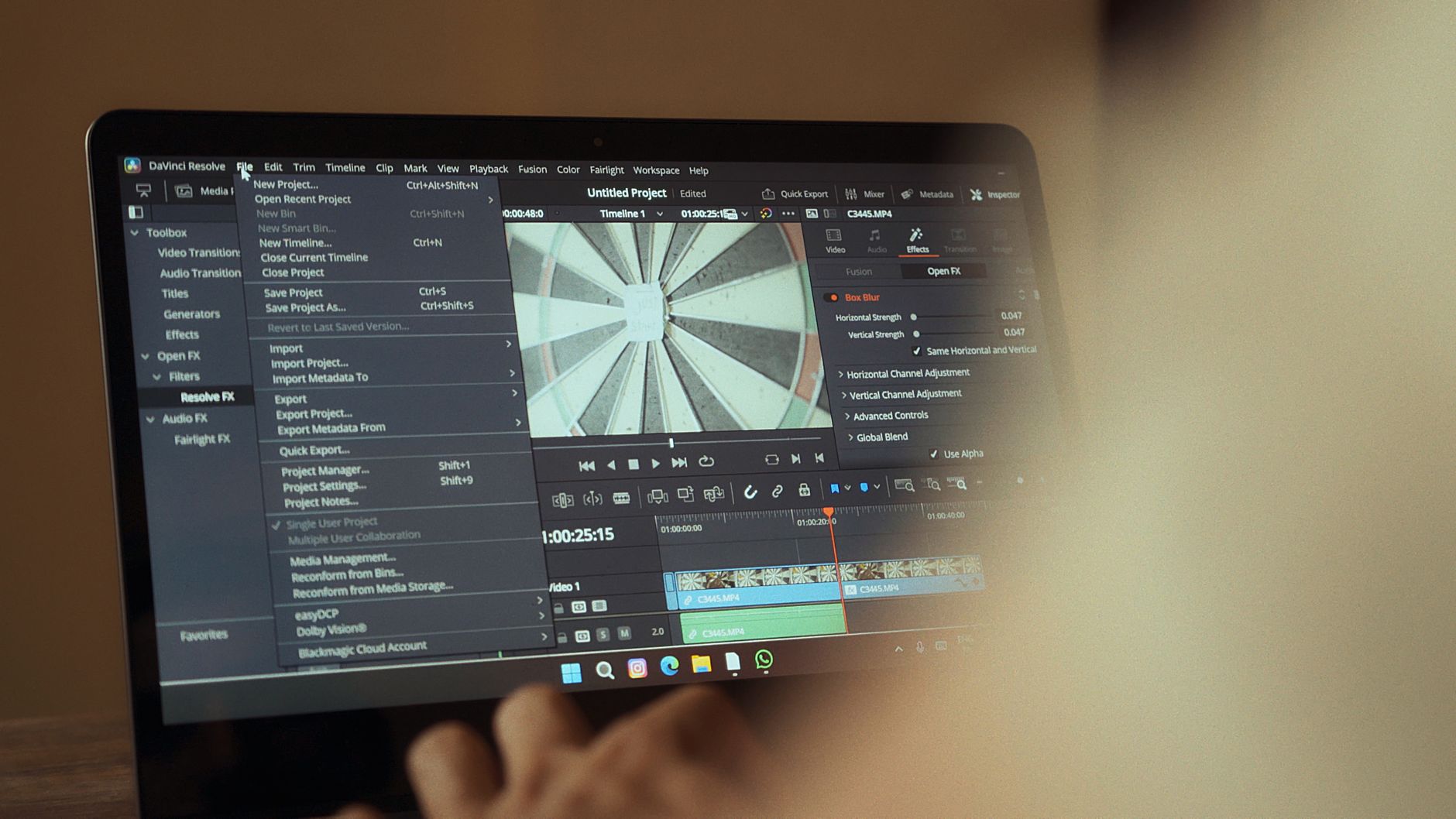
Beyond video and audio, a quieter revolution is happening in visual storytelling — photography, illustration, and graphic design rooted in African cultural aesthetics. Creators are using tools like Adobe Express, Canva's African font collections, and Procreate to build visual languages that draw on Adinkra symbols, Ndebele geometry, and Maasai color palettes without copying them wholesale.
This matters because visual identity is how cultures signal themselves across language barriers. A thumbnail, a logo, a brand color palette — these are cultural statements before they are design choices. Creators who understand this build recognizable aesthetics that travel globally while remaining rooted locally.
The discovery infrastructure for these creators is also maturing rapidly. Platforms built specifically for African creator visibility are changing how audiences find talent. Read about the new wave of creator discovery platforms and what African creators need to know in 2026 — the tools available today would have seemed impossible five years ago.
At Topping Africa, the mission is exactly this: surface the creators shaping culture, tech, and innovation across the continent and beyond. Discover African creators across every category and see firsthand how tradition and digital craft are merging into something genuinely new.
The Monetization Reality: Culture as a Sustainable Business
Let's be direct about something the inspirational takes often skip: cultural content is hard to monetize without a clear strategy. Platform ad revenue alone rarely sustains a creator focused on niche cultural topics. The audiences are engaged but often smaller than mainstream entertainment channels. So what actually works?
The most financially sustainable African cultural creators in 2026 are using a layered model:
- Brand partnerships with African and diaspora-facing brands — fashion houses, food companies, travel platforms, and fintech apps targeting African consumers.
- Digital products — e-books, online courses, and curated cultural guides sold directly to their audience. A creator with 80,000 engaged followers can generate significant revenue from a $29 course on African textile history.
- Live events and experiences — cultural workshops, cooking classes, and festival coverage packages that turn online audiences into paying attendees.
- Licensing and syndication — selling content to streaming platforms, tourism boards, and educational institutions who need authentic cultural material.
- Community memberships — Patreon-style subscriptions offering behind-the-scenes content, early access, and direct creator interaction.
The mistake most emerging creators make is waiting until they have a large following to think about monetization. The creators who build durable businesses start structuring their revenue model at 5,000 followers, not 500,000. Audience quality — measured by comment depth, share rates, and email list conversion — matters far more than raw numbers when approaching brand partners.
According to McKinsey's analysis of the creator economy, micro-creators (10,000–100,000 followers) with highly specific niches consistently outperform macro-creators on engagement-per-follower metrics — and that translates directly to brand deal rates and product conversion.
What the Next Generation of African Innovators Should Build
The cultural creator wave is not just an opportunity for individual creators. It is a signal about what infrastructure is missing — and therefore what businesses should be built.
Gaps that remain wide open in 2026:
- A dedicated African cultural content licensing marketplace — where creators can sell rights to their cultural content to brands, educators, and platforms.
- Language-native AI tools — captioning, translation, and content generation tools trained on African languages, not just English approximations of them.
- Festival documentation networks — coordinated creator collectives who cover Africa's major cultural festivals with the same production quality as Western media outlets.
- Cultural IP protection frameworks — legal and technical tools helping creators protect traditional knowledge from being extracted and repackaged without credit or compensation.
These are not hypothetical future needs. They are active pain points that creators are navigating manually, right now, with workarounds. The entrepreneur who solves even one of them builds something the market genuinely needs.
For creators and founders looking to connect with others building at this intersection of culture and technology, the Africa Entrepreneurship Conference 2026 is one of the most relevant gatherings on the calendar. The conversations happening there are shaping the next decade of African innovation.
The Bigger Picture: Preservation Is Not Passive
There is a temptation to frame cultural content creation as a form of conservation — as if creators are museum curators, carefully preserving artifacts behind glass. That framing is wrong, and it underestimates what is actually happening.
The creators reimagining African culture and traditions in 2026 are not preserving a static past. They are proving that tradition is alive — that it adapts, argues with itself, gets remixed, and emerges stronger. A Congolese creator who teaches sapeur fashion philosophy through TikTok skits is not diluting the culture. They are extending it into a new medium, finding new audiences, and generating new conversations about what it means.
That is exactly what every generation of African storytellers has always done. The medium is new. The impulse is ancient.
Explore the creators already doing this work — discover the top African content creators of 2026 redefining the continent's digital culture — and see how tradition and innovation are not opposites. They are collaborators.
The stage is set. The tools exist. The audience is ready. What African creators build with all three will define how the world understands this continent for decades to come. Get started — and get specific. The creators who win are the ones who know exactly which tradition they are speaking from, and exactly who they are speaking to.
Staff
Contributing writer at Topping Africa.
0 Comments
No comments yet. Be the first to share your thoughts!