
African Culture Examples: 15 Real-Life Practices, Customs, and Social Norms Across Africa
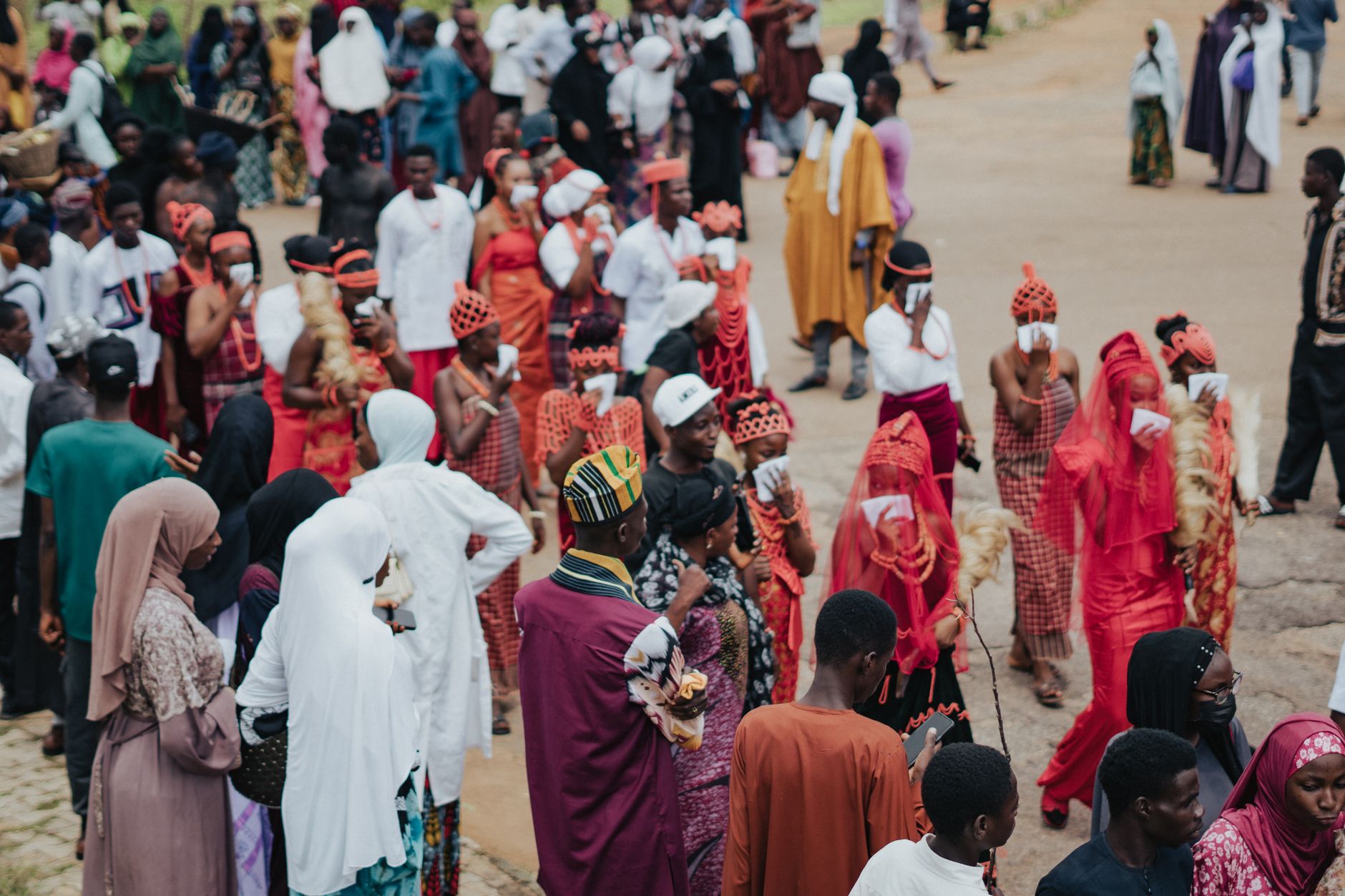
Africa spans 54 countries, 3,000+ ethnic groups, and 2,000+ languages — and its cultural practices are far more specific, functional, and alive than most summaries suggest. This article breaks down 15 real-life African culture examples, from Ubuntu philosophy and Griot oral history to Kente weaving and Afrobeats, with concrete regional detail that students, researchers, and curious readers can actually use.
Ask ten people to define African culture examples and you will get ten different answers — because Africa is not a monolith. It is 54 countries, over 3,000 distinct ethnic groups, and more than 2,000 languages, each carrying its own rituals, values, and social codes. Yet certain threads — communal identity, oral tradition, reverence for ancestors, and the power of art — weave through the continent in ways that are unmistakable. This article cuts past the vague generalities and gives you 15 concrete, regionally grounded examples of African culture in action: the kind of specifics that students, researchers, and curious readers actually need. Whether you are studying for an exam, writing a paper, or simply trying to understand a colleague from Lagos or Nairobi, these entries will give you real, usable knowledge.
1. Ubuntu Philosophy — Southern Africa
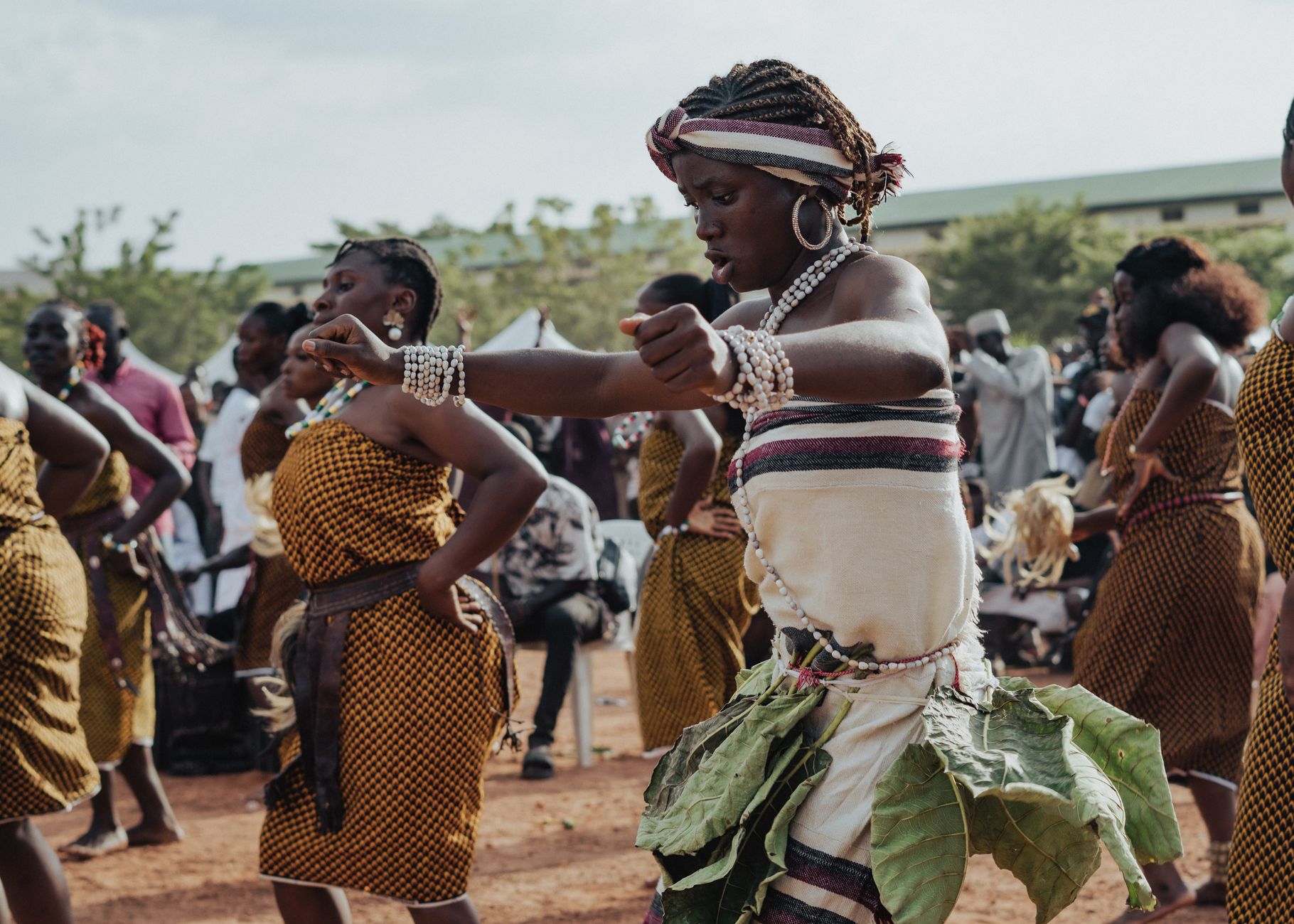
Ubuntu is a Nguni Bantu concept that translates roughly as "I am because we are." It is not just a slogan — it shapes how disputes are resolved, how resources are shared, and how communities grieve. In South Africa, Zimbabwe, and Zambia, Ubuntu underpins restorative justice practices where offenders face the community rather than a distant courtroom. Archbishop Desmond Tutu popularized the term globally, but its roots run centuries deep. BBC Future documented how Ubuntu-based thinking is now influencing corporate governance models worldwide.
2. Lobola (Bride Price) — East and Southern Africa
Lobola — known as bridewealth in academic literature — is a negotiated transfer of cattle, cash, or goods from a groom's family to a bride's family. It is practised widely among the Zulu, Xhosa, Shona, and Ndebele peoples, among many others. Critics sometimes misread it as "buying" a bride, but that misses the point entirely. Lobola is a formal bond between two families, a public declaration of commitment, and a mechanism that gives the bride's family social standing and legal standing in any future dispute. In urban Zimbabwe and South Africa, cash equivalents now range from R20,000 to over R100,000, reflecting both inflation and the rising status of educated women.
3. The Griot Tradition — West Africa
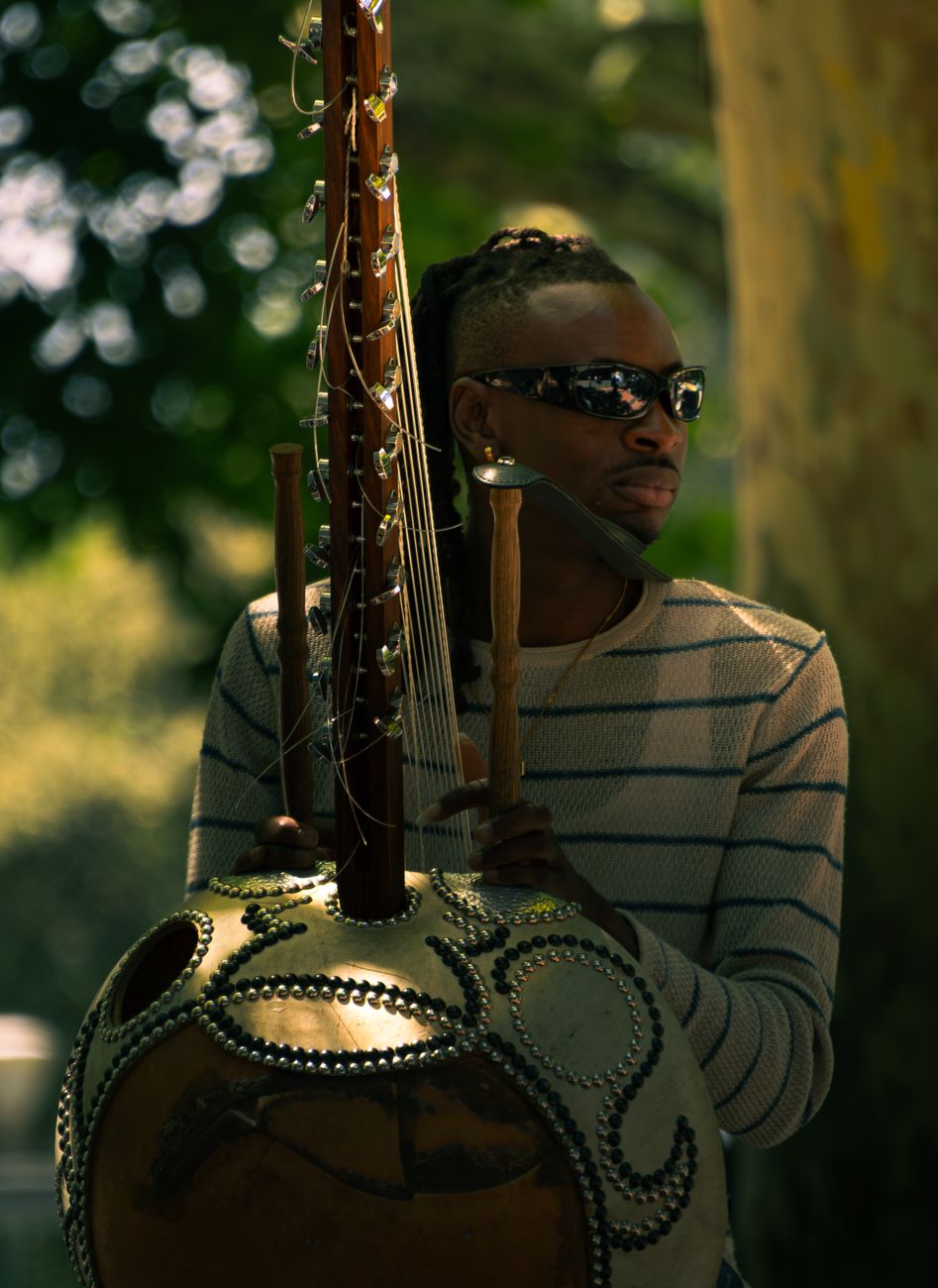
Across Senegal, Mali, Guinea, and The Gambia, the griot (also called jeli or jali) is a hereditary oral historian, praise singer, and keeper of genealogical records. Griots do not simply entertain — they are living archives. A griot in Mande society can recite a family's lineage back 20 or 30 generations from memory, a feat no written record in the region could match for centuries. The tradition is so institutionalized that griots train from childhood, learning specific instruments (the kora, balafon, ngoni) alongside the oral texts. Encyclopædia Britannica notes that griots also serve as diplomats, mediators, and political advisors — roles that persist today.
4. Shea Butter Production — Sahel Region
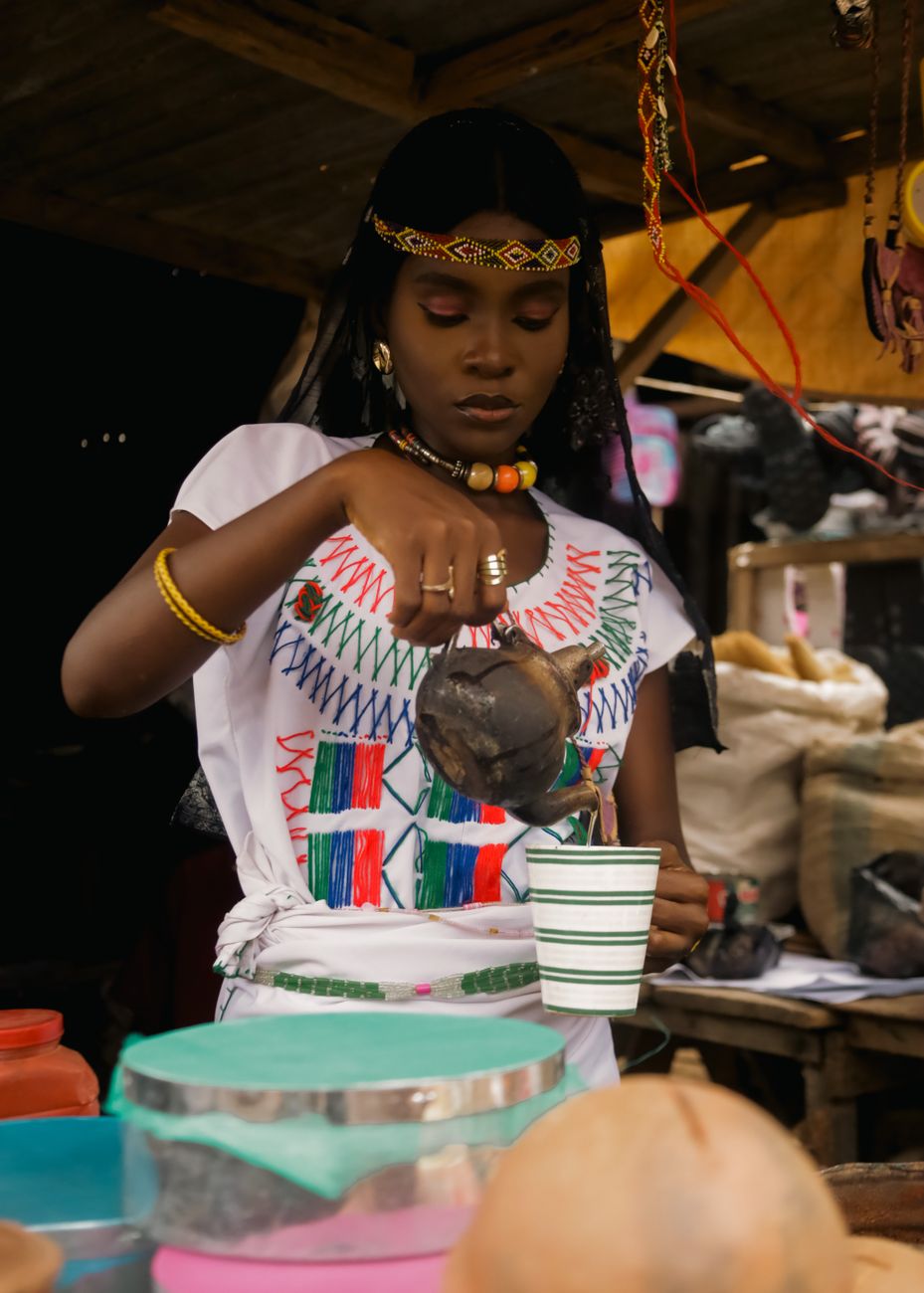
In Burkina Faso, Ghana, Mali, and northern Nigeria, shea butter production is a women-led cultural and economic institution. Women's cooperatives — some with hundreds of members — harvest shea nuts, ferment them, dry them, and process them using techniques passed down over generations. The process takes days of physical labor and communal coordination. It is not merely an economic activity; the cooperatives are social networks where knowledge, credit, and childcare are shared. Global demand for shea in cosmetics has turned this cultural practice into a multi-billion-dollar export industry, though fair-trade certification remains uneven. Discover how African creators and entrepreneurs are reshaping traditional industries on Topping Africa.
5. Maasai Age-Set System — Kenya and Tanzania
The Maasai organize society not by wealth or profession but by age-sets — groups of men initiated together who move through life stages as a cohort. Each stage (junior warrior, senior warrior, junior elder, senior elder) carries specific responsibilities, privileges, and dress codes. Junior warriors (moran) are responsible for herding and community defense; senior elders govern and adjudicate. This system creates a structured social ladder that every Maasai man navigates publicly. The eunoto ceremony — where moran shave their long ochre-dyed hair to become senior warriors — is one of the most visually striking rites of passage on the continent.
6. Adinkra Symbols — Ghana
Adinkra are visual symbols created by the Akan people of Ghana and Côte d'Ivoire, each encoding a proverb, concept, or historical lesson. Sankofa — a bird looking backward — means "go back and fetch it," urging respect for the past. Gye Nyame represents the supremacy of God. Originally stamped onto funeral cloth using calabash stamps dipped in dye, Adinkra symbols now appear on architecture, jewelry, academic logos, and digital design. The Asante Kingdom formally codified over 40 symbols, but practitioners recognize hundreds. They are not decorative — each placement carries deliberate meaning, making Adinkra one of Africa's most sophisticated visual communication systems.
7. Sande Society Initiation — Sierra Leone and Liberia
The Sande Society is a women's institution among the Mende, Temne, and Vai peoples of Sierra Leone and Liberia. It governs female initiation into adulthood, controlling education in herbal medicine, midwifery, weaving, and social ethics. What makes Sande remarkable in global context is that it is one of the only known examples of a women's masquerade society in the world — women, not men, wear and control the sacred Sowei helmet mask. Initiation lasts weeks and is conducted in a bush school setting, entirely outside male authority. The society also holds significant political power, historically mediating between communities and governing bodies.
8. Injera and Coffee Ceremony — Ethiopia
In Ethiopia, food and drink are inseparable from social ritual. Injera — a spongy sourdough flatbread made from teff — is not just a staple; it is a shared plate. Everyone eats from the same injera, a physical expression of communal trust. Feeding a guest from your own hand (gursha) is an act of deep affection. Equally important is the Ethiopian coffee ceremony (bunna), which involves roasting green beans, grinding them by hand, and serving three rounds of coffee to guests. Skipping the third cup is considered rude. The ceremony can last up to two hours — time deliberately given to conversation and connection. Ethiopia is also, notably, the birthplace of coffee itself.
9. Djembe Drumming and Community Signaling — Guinea and Mali
The djembe drum originated among the Mandinka people and served — and still serves — as a communication tool, not just a musical instrument. Different rhythms signal specific community events: a birth, a funeral, a call to gather, the start of harvest. Master drummers (dundunfola) spend years learning these codes. Colonial-era administrators famously failed to suppress djembe communication because they could not decode it. Today, the djembe has spread globally, but most Western players learn only the rhythms, not the language behind them. Read about the historic return of a sacred drum to Côte d'Ivoire in our coverage of the Djidji Ayokwe drum repatriation — a powerful reminder of what drums mean to African identity.
10. Nsibidi Script — Nigeria and Cameroon
Nsibidi is an indigenous writing system used by the Ejagham people of southeastern Nigeria and western Cameroon, with influence spreading to the Igbo and Ibibio. Unlike Arabic or Latin scripts introduced through trade or colonialism, Nsibidi is entirely autochthonous — it developed independently within Africa. It encodes meaning through abstract symbols representing concepts like love, war, justice, and community. The Ekpe secret society used Nsibidi to record laws and communicate across language barriers. Scholars estimate the script is at least 400 years old, possibly older. It is one of Africa's most compelling arguments against the myth that the continent lacked indigenous written traditions.
11. Xhosa Ululation — South Africa
Ululation — the rapid tongue movement producing a high-pitched trill — is practised across Africa, but among the Xhosa of South Africa it carries specific, codified meaning. Women ululate at weddings to bless the union, at funerals to honor the deceased, and at initiations to celebrate the transition to manhood. The sound is not random joy; its timing, duration, and pitch carry social information. A single ululation at the wrong moment can signal misfortune. Young Xhosa women learn the skill from elders, and the ability to ululate well is itself a mark of cultural competence. It is a vocal art form with grammar.
12. Kente Cloth Weaving — Ghana and Togo
Kente is a silk and cotton fabric woven in bright, geometric strips by the Akan and Ewe peoples. Each color and pattern carries meaning: gold for royalty and wealth, green for growth and renewal, black for spiritual maturity. Historically, Kente was reserved for Asante royalty and worn only on special occasions. Today it is worn at graduations, weddings, and diaspora celebrations worldwide — a fact that has sparked genuine debate about commercialization versus cultural pride. Authentic Kente is still hand-woven on narrow-band looms in Bonwire, Ghana, a village that has been the craft's center for over 300 years. Machine-printed imitations are common and, to Kente weavers, deeply problematic. Explore how African diaspora brands are reclaiming and reimagining cultural textiles at Topping Africa's diaspora goods feature.
13. Harambee — Kenya
Harambee means "let us all pull together" in Swahili, and it describes a Kenyan tradition of community fundraising for shared goals — school fees, hospital bills, weddings, funerals. Neighbors gather, contributions are announced publicly (often by name and amount), and social pressure ensures broad participation. Kenya's first president, Jomo Kenyatta, adopted Harambee as the national motto, embedding it in the constitution. Encyclopædia Britannica records that by the 1980s, Harambee events raised millions of shillings annually for community infrastructure. Mobile money platforms like M-Pesa have now digitized Harambee, allowing diaspora Kenyans to contribute from abroad in real time.
14. Ancestor Veneration — Across Sub-Saharan Africa
Ancestor veneration is one of the most widespread and misunderstood African cultural practices. It is not worship in the religious sense — it is communication. Among the Yoruba, Igbo, Zulu, Shona, and dozens of other groups, deceased elders are believed to remain active members of the community, capable of offering protection or, if neglected, causing misfortune. Rituals vary widely: libations poured at thresholds, food placed at shrines, specific prayers recited at dawn. The practice coexists with Christianity and Islam across much of the continent — syncretism, not contradiction. Understanding this helps explain why African funerals are often elaborate, multi-day events: the deceased must be properly sent to the ancestral realm.
15. Afrobeats as a Living Cultural Export
Afrobeats — distinct from the older Afrobeat of Fela Kuti — is a 21st-century genre born in Lagos and Accra that has become one of Africa's most powerful cultural exports. Artists like Burna Boy, Wizkid, and Tems have charted globally without abandoning Yoruba lyrics, Nigerian pidgin, or African rhythmic structures. The genre is not just music — it is fashion, slang, dance, and attitude, creating a cultural package that the African diaspora and non-African audiences have both embraced. Spotify reported that Afrobeats streams grew by over 550% globally between 2017 and 2022. See how African content creators are amplifying this cultural wave in our roundup of Africa's top content creators.
What These African Culture Examples Tell Us
Across these 15 examples, one pattern is clear: African cultural practices are functional, not merely symbolic. Ubuntu resolves disputes. Griots preserve history. Harambee funds schools. Nsibidi encodes law. These are not relics — they are living systems that adapt, migrate, and evolve. Many are now influencing global business, design, music, and governance in ways that rarely get credited back to their source.
The common mistake researchers and students make is treating African culture as a single, static thing. Regional specificity matters enormously. A Maasai age-set has nothing in common structurally with a Sande Society initiation, even though both are rites of passage. Lumping them together produces bad analysis and worse writing.
- Ubuntu — communal identity and restorative justice
- Lobola — family bonding through negotiated exchange
- Griot tradition — oral history as living archive
- Adinkra symbols — visual language encoding philosophy
- Kente cloth — woven identity and social status
- Afrobeats — music as global cultural diplomacy
Africa's cultural richness is not a background fact — it is the engine behind some of the world's most dynamic creative and entrepreneurial movements right now. Discover the creators shaping that movement by exploring the full range of African voices on Topping Africa's creator directory. If you want to go deeper into how African innovation connects with culture and technology, read our guide to 21 African innovations changing daily life.
Staff
Contributing writer at Topping Africa.
0 Comments
No comments yet. Be the first to share your thoughts!