African Diaspora Goods: 8 Brands Reimagining African Culture Through Fashion, Art & Digital Commerce
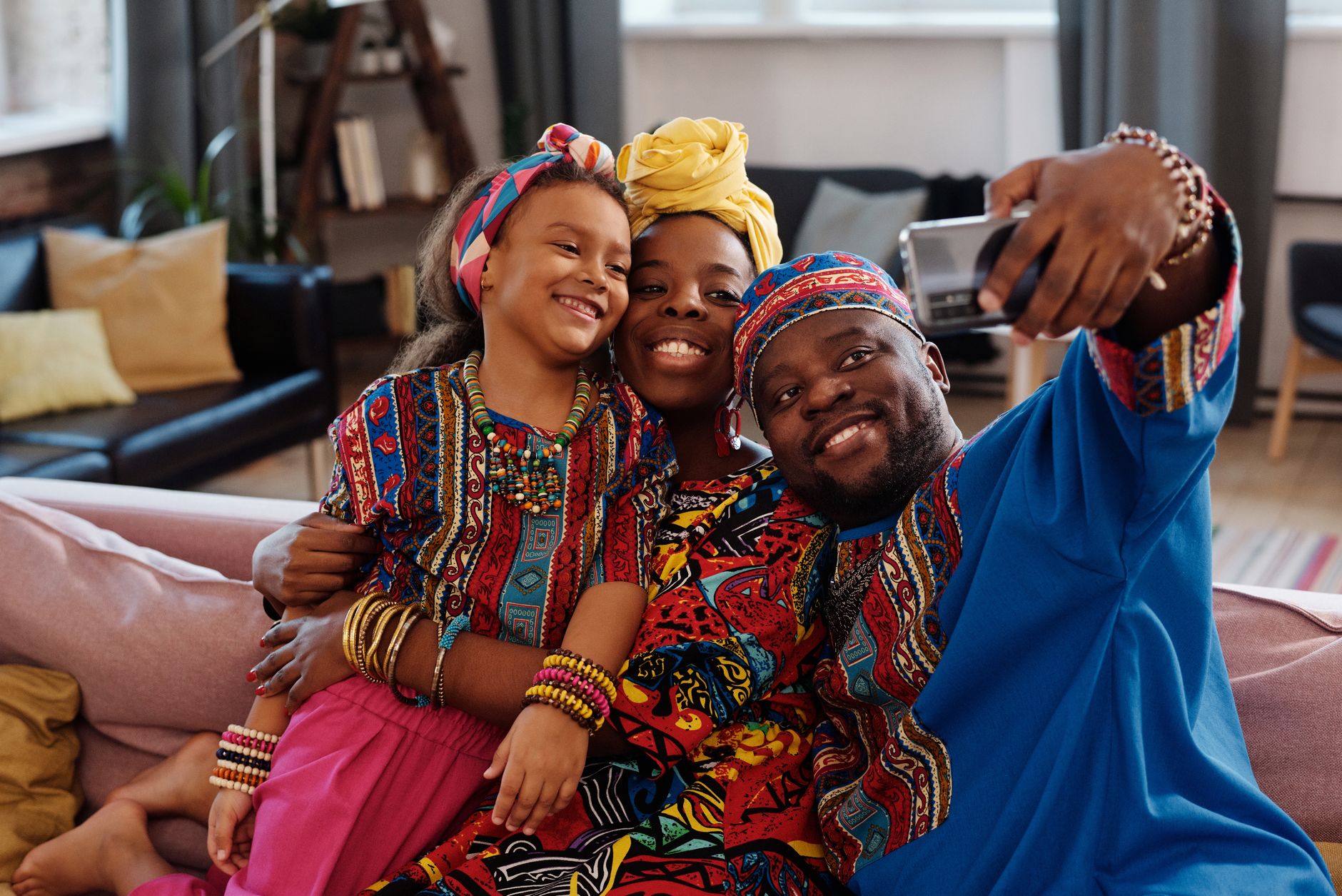
The market for African diaspora goods is reshaping global fashion and lifestyle commerce — and the creators driving it have cracked a code most brands miss. From Denim Tears to Hanifa to adire craft brands scaling on Etsy, this deep-dive breaks down eight brands and the exact strategies behind their success, with actionable lessons for African creators ready to monetise their heritage.
The market for African diaspora goods is no longer a niche curiosity — it is a multi-billion-dollar cultural force reshaping global fashion, art, and lifestyle commerce. From Tremaine Emory's Denim Tears turning cotton history into couture to Ghanaian-British designers selling kente-inspired streetwear on Shopify, diaspora creators are proving that heritage is not just something you carry — it is something you can build a business around. This listicle breaks down eight of the most compelling brands and strategies driving this movement, with concrete lessons every African creator can apply right now.
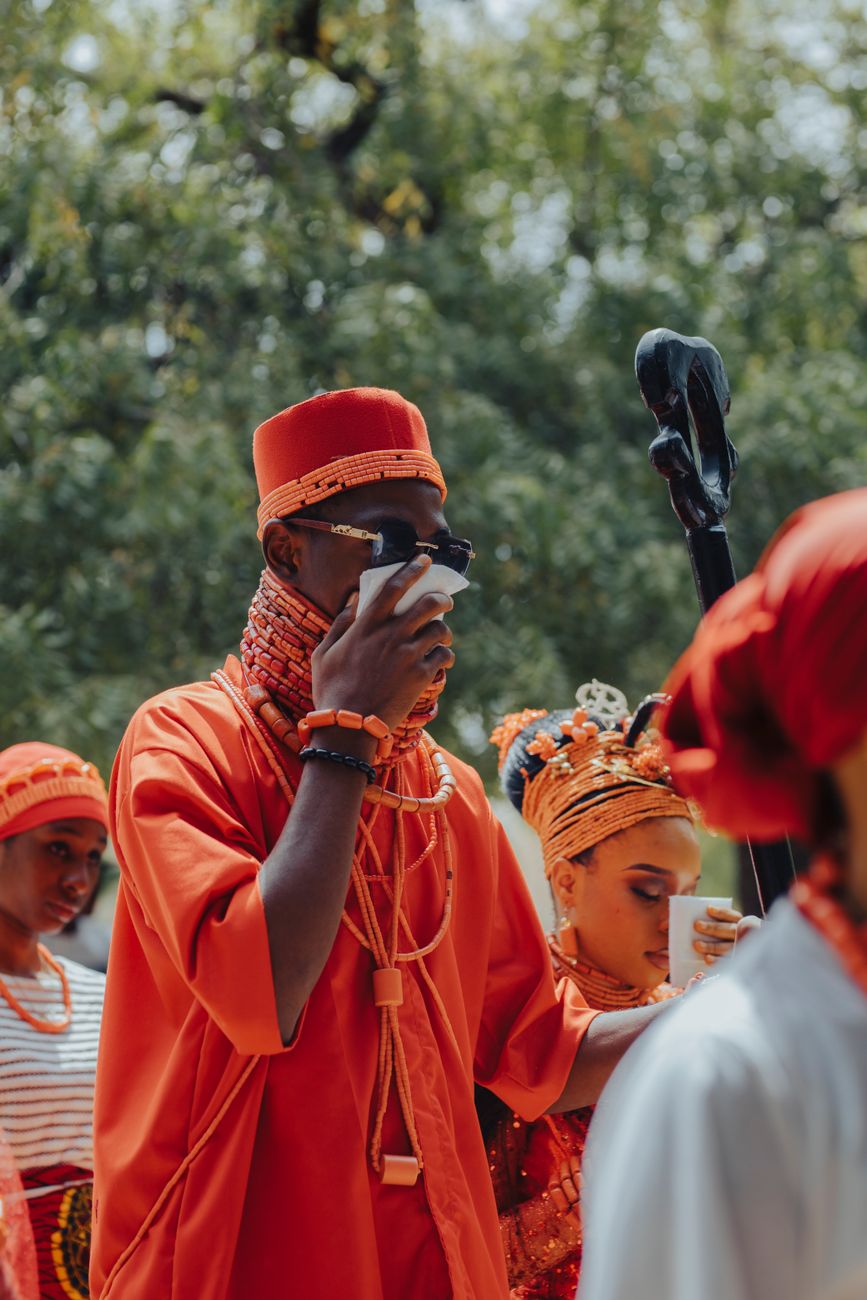
The brands featured here were chosen for one reason: they each solve a specific problem that trips up most heritage-brand founders. They show how to price authenticity, scale without diluting cultural meaning, and reach a global audience without losing a local soul. Read through every entry — the trade-offs are just as instructive as the wins.
1. Denim Tears — Turning Transatlantic Pain Into Premium Streetwear
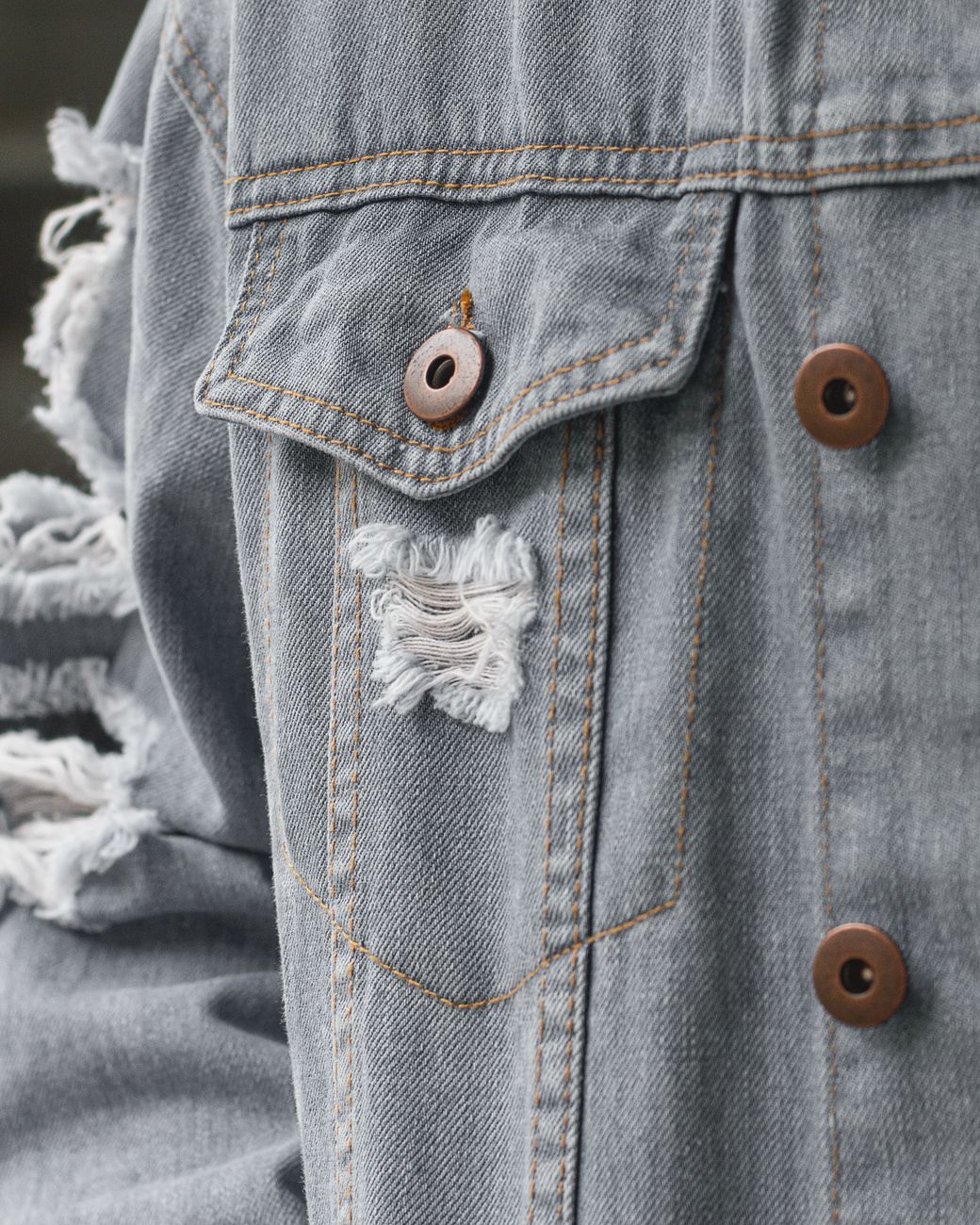
Denim Tears, founded by Tremaine Emory, is the clearest proof that African diaspora goods can command luxury pricing when the storytelling is airtight. The brand's signature cotton-wreath motif references the transatlantic slave trade directly — every garment is a wearable history lesson. A single pair of Denim Tears jeans retails between $250 and $400, yet they sell out within hours of each drop.
The lesson is not just about aesthetics. Emory publishes dense, research-backed notes with every collection, citing specific historical sources. That intellectual rigour signals to buyers — and to press — that this is not costume; it is scholarship you can wear. The depth of the research justifies the price point.
For African creators building clothing brands, the trade-off is real: deep storytelling takes time and slows production cycles. But the payoff is a defensible brand moat that fast-fashion copycats cannot replicate overnight. Start by documenting the specific origin story of one textile, one technique, or one community — then build your first collection around that single, well-researched anchor.
- Research your cultural reference as thoroughly as a journalist would.
- Publish that research publicly — it builds trust and press coverage simultaneously.
- Price your goods to reflect the intellectual and craft labour involved.
2. Ahluwalia — Nairobi Roots, London Runways, Global Retail
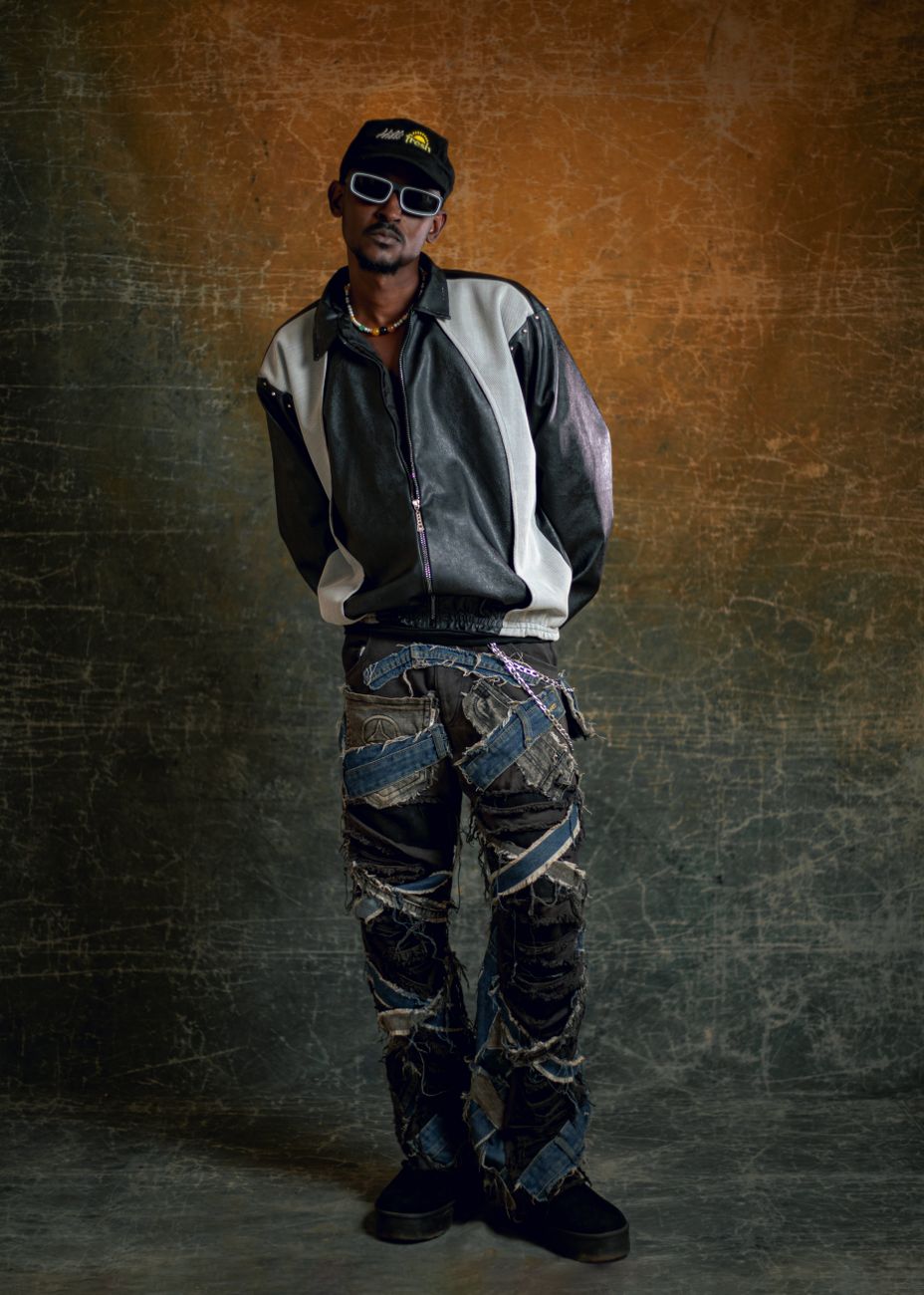
Priya Ahluwalia launched her eponymous label in 2018 with a graduate collection inspired by her dual Indian-Nigerian heritage. By 2021, she had won the LVMH Prize Special Jury Award and landed stockists including Selfridges and Browns Fashion. Her collections routinely incorporate upcycled African fabrics alongside South Asian textiles, creating a visual language that is genuinely hybrid rather than superficially multicultural.
What makes Ahluwalia commercially instructive is her use of limited-run upcycled pieces alongside scalable ready-to-wear. The upcycled garments generate press and cultural credibility; the wider ready-to-wear line generates revenue. This two-tier model is replicable at far smaller scales — a Lagos-based designer can produce ten hand-finished archive pieces for editorial coverage while running a Shopify store selling 200 units of a core print T-shirt.
The common mistake here is inverting the model: spending 90% of effort on the prestige pieces and neglecting the scalable revenue layer. Build both tracks from day one, even if the commercial track starts with a single SKU.
3. Maxhosa Africa — Knitwear as Cultural IP
Laduma Ngxokolo founded Maxhosa Africa in 2012 to translate Xhosa beadwork patterns into luxury knitwear. The brand now retails in over 30 countries and has dressed Beyoncé and Michelle Obama. Annual revenue reportedly exceeds R50 million (roughly $2.7 million USD). Those numbers matter because they demolish the myth that culturally specific African goods cannot scale globally.
Ngxokolo's core strategy was treating pattern as intellectual property. He trademarked specific colour combinations and motif arrangements, then licensed them to homeware and accessories lines. Licensing is a revenue stream most African creators overlook entirely — yet it requires no additional manufacturing, just legal groundwork upfront. A registered trademark in South Africa costs approximately R590 ($32 USD); in the US, a basic application runs around $250.
The risk with licensing is brand dilution. Maxhosa manages this by approving every licensee personally and limiting categories. Set clear contractual boundaries before you sign any licensing deal, specifying exactly which colour palettes and motifs the licensee may use.
- Register your signature patterns as trademarks early — costs are low, upside is high.
- Identify two or three adjacent product categories (homeware, stationery, phone cases) where your patterns translate naturally.
- Write explicit usage restrictions into every licensing agreement.
4. Brother Vellies — Handcrafted African Footwear Scaled Through Storytelling
Aurora James founded Brother Vellies in 2013 to preserve traditional African footwear-making techniques, starting with the South African vellie shoe. The brand now sells globally at price points between $195 and $595 per pair and has maintained a commitment to manufacturing entirely within Africa. James later founded the 15 Percent Pledge, pushing major US retailers to dedicate 15% of shelf space to Black-owned businesses — a structural intervention that benefits every African diaspora goods creator.
Brother Vellies demonstrates that supply-chain transparency is a marketing asset, not just an ethical obligation. Each product page names the artisan community that made the item. Customers pay premium prices partly because they know exactly who made their shoes and where. This kind of radical supply-chain visibility is increasingly demanded by Gen Z buyers — and it is something African brands are uniquely positioned to offer authentically.
The operational challenge is quality control across distributed artisan workshops. James solved this by embedding a small quality-assurance team in each partner community rather than relying on remote inspection. Budget for that overhead from the start; it is not optional if you are selling at premium price points.
5. Daily Paper — Amsterdam's African Heritage Brand That Cracked Streetwear
Daily Paper was founded in Amsterdam in 2012 by three friends of Ghanaian, Somali, and Kenyan descent. It is now one of Europe's most commercially successful streetwear labels, with flagship stores in Amsterdam, New York, and Paris, and annual revenues estimated above €30 million. The brand's name references a childhood ritual of reading newspapers together — a mundane detail that grounds a global brand in a specific, human memory.
The strategic insight Daily Paper executes better than almost anyone is community-before-product. Before launching each collection, the team runs cultural programming — art exhibitions, music events, panel discussions — in the cities where they want to sell. By the time the clothes drop, a community already exists around the brand's values. This approach costs money upfront but dramatically reduces customer acquisition costs at launch.
Creators building diaspora goods brands often skip community programming because it feels unrelated to selling. It is not. A single well-executed cultural event in Lagos, London, or New York can generate more qualified buyers than six months of paid social ads. Explore how the African diaspora is powering innovation and business back home to understand the full economic ecosystem these brands operate within.
- Plan at least one cultural event — an exhibition, a panel, a pop-up — before your first major product drop.
- Document the event heavily and use that content to seed your launch campaign.
- Build an email list from event attendees; these are your highest-intent buyers.
6. Industrie Africa — The Digital Marketplace Connecting Diaspora Buyers to African Designers
Not every African diaspora goods business needs to manufacture its own products. Industrie Africa, founded by Omoyemi Akerele, operates as a curated e-commerce platform connecting global buyers to African fashion designers. Think of it as a Farfetch built specifically for the continent. The platform lists designers from Nigeria, Ghana, Kenya, South Africa, and beyond, giving them access to international credit-card infrastructure and logistics partnerships they could not easily build alone.
The marketplace model solves a specific, painful problem: most African designers have extraordinary product but weak distribution. Industrie Africa charges a commission on sales rather than upfront fees, aligning incentives properly. For creators who want to sell goods without building a full e-commerce stack, listing on an established marketplace first is a faster path to revenue than launching a standalone Shopify store cold.
The trade-off is margin. Marketplace commissions typically run 15–30%. Weigh that against the cost of building your own audience from scratch — paid ads, email marketing, SEO, fulfilment logistics. For most early-stage brands, the marketplace route wins on net economics for the first 12–18 months. Read more about how creator discovery platforms are reshaping African commerce.
7. Hanifa — Digital-First African Fashion That Broke the Internet
Hanifa, the label founded by Congolese-American designer Amina Muaddi Nwosu (not to be confused with shoe designer Amina Muaddi), staged a 3D virtual fashion show in 2020 that went globally viral — invisible models wearing the clothes through a digital runway. The show generated millions of impressions at near-zero production cost compared to a physical runway. It proved that African diaspora goods brands can compete for global attention without the budget of a European fashion house.
The digital-first approach also means Hanifa collects first-party data on every viewer and buyer. That data feeds a remarketing engine that consistently outperforms cold-audience paid ads. Owning your audience data is the most underrated competitive advantage in fashion today. Set up your email capture and pixel tracking before you spend a dollar on advertising.
One common mistake: creators replicate the viral format (3D show, AR filter, immersive content) without the underlying product quality that made Hanifa's moment stick. The technology amplifies the product — it does not replace it. Invest in craft first, then use digital tools to amplify what is genuinely worth amplifying. Check out the most profitable business models for African content creators to see where fashion and digital commerce intersect most profitably.
- Build an email list from day one — social platforms rent you an audience; email owns it.
- Use low-cost digital formats (3D renders, lookbook videos, AR filters) to create runway-level presentation without runway-level budgets.
- Ensure product quality can sustain the attention your digital campaign generates.
8. Adire by Ladipo — Indigo Dyeing as a Scalable Digital Brand
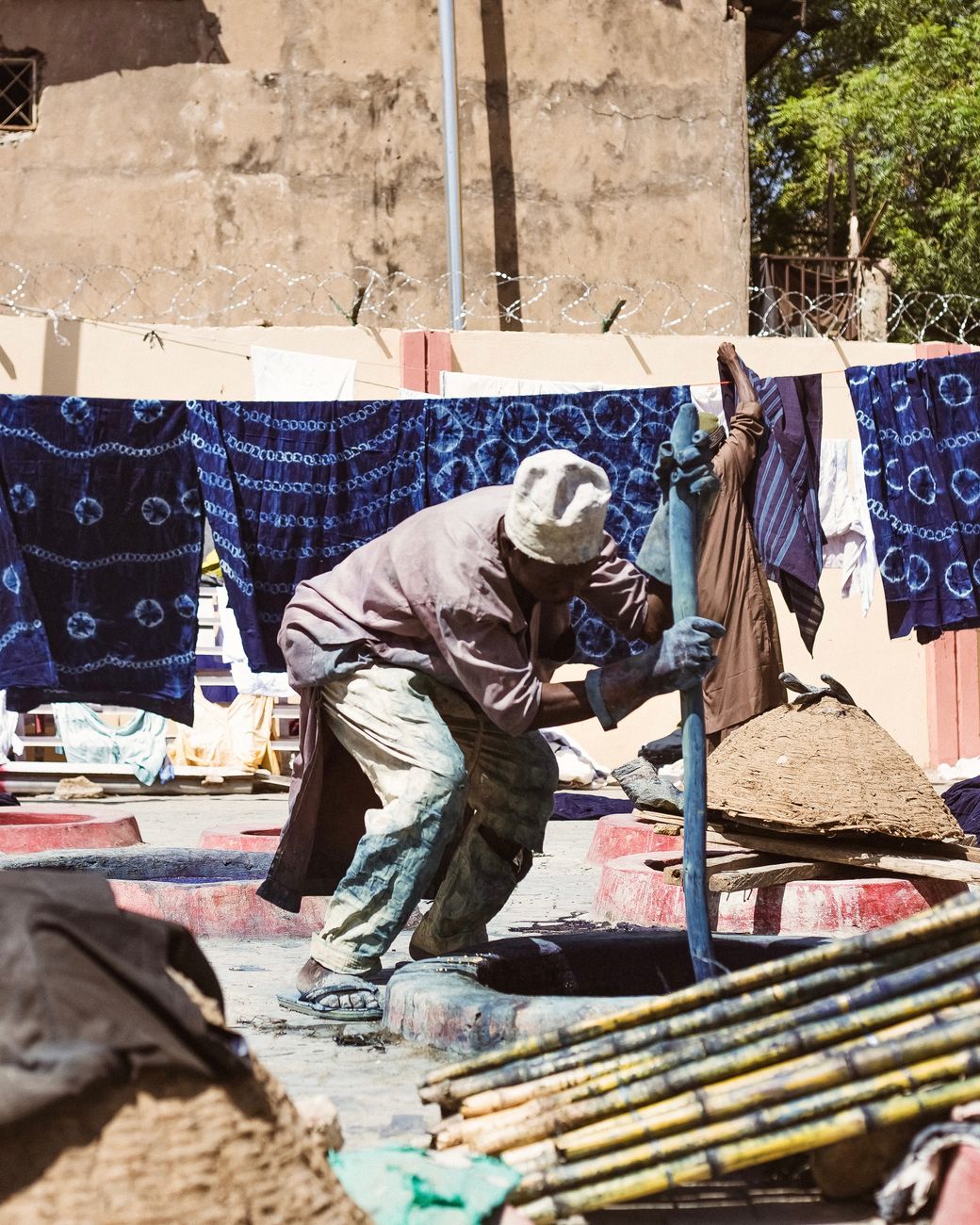
Adire — the Yoruba tradition of indigo-resist dyeing — has existed for centuries. What is new is the generation of Nigerian creators turning adire into globally distributed lifestyle brands through Instagram, Etsy, and their own DTC websites. Brands like Adire by Ladipo sell adire fabric, ready-to-wear, and home textiles to buyers in the UK, US, and Canada at price points between $45 and $350 per piece. Monthly revenue for mid-tier adire brands operating at this scale typically runs $8,000–$25,000 USD.
The key to scaling a craft-based diaspora goods brand is systematising the production process without destroying the craft signal. Adire by Ladipo does this by training a core group of master dyers in Abeokuta, standardising resist patterns for repeatability, and then differentiating through colourway variation each season. Buyers get consistency in quality and variation in aesthetic — the exact combination that drives repeat purchases.
The biggest growth lever for craft-based brands right now is wholesale to interior designers and hospitality brands. A single hotel contract for adire cushion covers and table runners can be worth more than six months of retail sales. Reach out directly to boutique hotels, Airbnb Superhosts, and interior design studios in your target markets. The WTO's research on African creative industries exports confirms that the hospitality sector is one of the fastest-growing buyers of African artisan goods globally.
- Identify three boutique hotels or interior design studios in your target export market and pitch them directly.
- Create a wholesale lookbook (a simple PDF) with minimum order quantities and lead times clearly stated.
- Price wholesale at 2–2.5x your cost of goods, not the common mistake of halving your retail price.
What Every African Creator Building Diaspora Goods Can Learn Right Now
Across all eight brands, three patterns repeat. First, depth of cultural research commands premium pricing — every brand that charges $200+ for a garment has done the intellectual work to justify it. Second, community precedes commerce — the brands that scale fastest build audiences before they build storefronts. Third, digital tools amplify great products but cannot rescue weak ones.
The African diaspora goods market is growing fast. McKinsey's State of Fashion report consistently identifies cultural authenticity as one of the top drivers of consumer purchasing decisions globally. African creators sit at the centre of that trend — not as a niche, but as the source material.
The opportunity is real. The tools are accessible. The audience is already searching. What separates the brands above from the thousands that never break through is not talent — it is the discipline to research deeply, price correctly, and build community before launching product.
Discover more African creators building culturally resonant brands on Topping Africa's creator directory. Or explore what's trending across African culture, fashion, and innovation right now.
Staff
Contributing writer at Topping Africa.
0 Comments
No comments yet. Be the first to share your thoughts!