Most Profitable Business in Africa for Content Creators Right Now (2026 Guide)

The most profitable business in Africa is not the same for everyone — but for content creators, seven digital-first models stand out in 2026. From online courses with 80%+ margins to diaspora subscription boxes and last-mile logistics, this guide breaks down real numbers, validated strategies, and the common mistakes to avoid before you launch.
The question of the most profitable business in Africa gets asked millions of times a year — but most answers miss the point entirely. They list mining, telecoms, or agriculture: industries that require capital, connections, and years of runway. This guide is for a different kind of builder: the African creator who already has an audience, a phone, and a story worth selling. The seven models below are ranked by accessibility and margin, not by hype. Each one has been validated by real creators on the continent and in the diaspora, and each one is actionable in 2026 without a co-founder, an office, or seed funding.
1. Online Courses and Digital Education

Education is the single highest-margin digital product a creator can sell. A course built once can sell thousands of times. Margins routinely exceed 80% once the recording and platform costs are covered — compare that to physical retail at 20-40%.
The numbers are real. Statista projects Africa's e-learning market to surpass $2.5 billion by 2026, driven by a youth population hungry for practical skills. Creators on platforms like Selar and Paystack Storefront are already selling Canva design courses, Afrobeats production tutorials, and Yoruba language packs to diaspora audiences in the UK and US at $47–$197 per enrolment.
The common mistake is building a course nobody asked for. Validate first: post a free mini-lesson on TikTok or YouTube, measure saves and DMs, then build the full product. African education influencers are already proving this model works — see who is leading the charge on TikTok and YouTube.
- Best platforms: Selar (Nigeria), Gumroad (global), Teachable, or a simple Paystack payment link with a Google Drive delivery
- Sweet spot price point: $47–$97 for a starter course; $197–$497 for a cohort with live Q&A
- Biggest risk: Piracy. Watermark your videos and use drip content to reduce the value of leaked files
2. Culture-Based Print-on-Demand

Print-on-demand (POD) is not new. What is new is how African cultural aesthetics — Ankara patterns, Adinkra symbols, Swahili typography, Afrobeats slang — are commanding premium prices in Western markets. A plain hoodie sells for $35. The same hoodie with a Lagos skyline graphic and "Eko For Show" sells for $65, and buyers in Atlanta or London pay it without blinking.
Platforms like Printful, Printify, and Gelato integrate directly with Shopify or Etsy. A creator sets up a storefront in a weekend, uploads five to ten original designs, and earns $15–$30 per item with zero inventory risk. The creator's job is not fulfilment — it is design and marketing. That is a creator's natural advantage.
The trade-off is discoverability. Etsy has 96 million active buyers, but competition is fierce. The creators winning here are those who build an audience first — on Instagram or TikTok — and then drive that audience to their store. African culture is a genuine differentiator; lean into it hard. Discover how African culture is powering the creator economy and what that means for your product angle.
- Fastest path to first sale: Etsy + Printify + one viral TikTok showing the design process
- Margin per item: $12–$30 after platform and production fees
- Scale lever: License your designs to other POD sellers for a royalty — pure passive income
3. Diaspora-Focused E-Commerce and Subscription Boxes
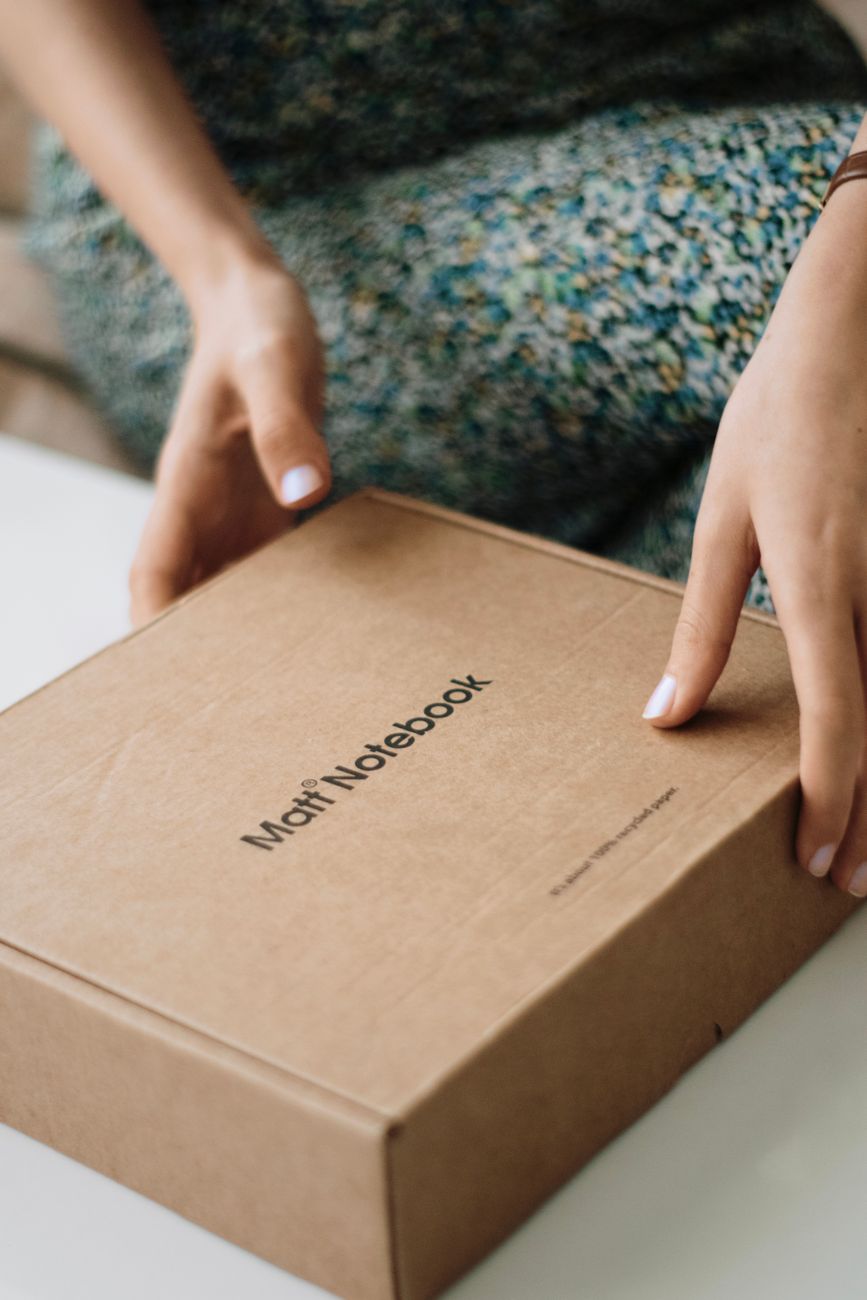
There are an estimated 40 million people of African descent living outside the continent, concentrated in the US, UK, France, and Canada. Many of them will pay a monthly premium to feel connected to home. That is the entire business model: curated nostalgia, delivered to a doorstep.
Subscription boxes focused on African snacks, skincare, books, or artisan goods charge $35–$75 per month. At 200 subscribers, that is $7,000–$15,000 in monthly recurring revenue — before any upsells. The creator's role is curation and storytelling, not manufacturing. Partner with small producers in Ghana, Kenya, or Nigeria; handle the brand layer and the community.
The operational challenge is logistics. Customs, shipping delays, and import duties can destroy margins if you source from the continent for every box. Many successful operators solve this by holding 60-day inventory in a US or UK fulfilment warehouse. It requires upfront capital — roughly $3,000–$8,000 to launch — but the recurring revenue model justifies it quickly. Read how creators are already building global brands from Lagos to Nairobi using exactly this playbook.
- Validated example: Afrobox (UK) grew to thousands of subscribers by curating African snacks and beauty products for the diaspora
- Key metric to watch: Monthly churn — keep it below 8% or the economics collapse
- Upsell opportunity: Annual prepaid plans at a 15% discount improve cash flow dramatically
4. Creator-Led Marketplaces and Talent Platforms
The most scalable play is not selling your own products — it is building the infrastructure for other creators to sell theirs. A creator-led marketplace takes a 10–20% commission on every transaction, meaning revenue scales with the community, not with your personal output.
Think of it this way: if you have an audience of 50,000 followers who trust your taste, you are already a de facto marketplace. Formalising that — through a curated Shopify store, a newsletter with affiliate links, or a dedicated platform — turns influence into infrastructure. Explore how Topping Africa connects creators and audiences as a live example of this model at work.
The 2026 opportunity here is B2B. African creators with niche expertise — in fintech, agri-tech, or fashion — are launching paid directories and vendor marketplaces for their industries. A fintech creator who builds a vetted directory of African payment processors and charges vendors $200/year for a listing can earn $20,000 annually from 100 listings alone, with minimal ongoing work. See which African tech startups are validating B2B models right now.
- Revenue model options: Commission (10–20%), subscription listing fees, or featured placement fees
- Minimum viable version: A Notion database with a Stripe payment link — launch in 48 hours
- Common mistake: Building a marketplace before proving demand. Run a waitlist first; charge only when you hit 50 sign-ups
5. Afrobeats and African Music Licensing
Music licensing is one of the least-discussed but most scalable revenue streams for African creators. The global sync licensing market — music placed in ads, films, and games — is worth over $400 million annually and growing. African sounds are in high demand. Brands want Afrobeats, Amapiano, and Afro-soul for campaigns targeting younger, global audiences.
Sync licensing deals can pay between $500 and $50,000 per placement, depending on the brand and usage. A creator who produces beats or original music can register tracks on platforms like Musicbed, Artlist, or Pond5. Each download earns a royalty — and a single track can sell hundreds of times.
The barrier is quality. Phone recordings do not pass music supervisors' technical specs (usually 24-bit WAV, noise floor below -60dB). Invest in a basic home studio setup — a $150 condenser mic, an audio interface, and free DAW software like GarageBand or Cakewalk — before submitting. The upfront cost is low; the long-term royalty income is not.
- Best platforms for African artists: Musicbed, Artlist, Pond5, and DistroKid for streaming royalties
- Realistic first-year income: $2,000–$8,000 from a catalogue of 20–30 quality tracks
- Bonus: YouTube Content ID registration means you earn every time someone uses your track in a video — even without a formal licensing deal
6. B2B Content Services for African Brands
Every African startup, NGO, and SME needs content — but most cannot afford a full-time creative team. That gap is a creator's opportunity. Freelance content strategy, video production, social media management, and copywriting for African businesses is a $500–$5,000 per month retainer business, and demand is accelerating as more African companies go digital-first.
The key differentiator here is cultural fluency. A creator who understands Naija Twitter, Kenyan TikTok culture, or South African township aesthetics can produce content that a generic agency in London or New York simply cannot. That is a moat. Charge accordingly — do not undercut yourself to compete with offshore generalists.
Package your services as a retainer, not a per-post deal. A $1,500/month retainer for 12 posts, two short-form videos, and a monthly strategy call is far more predictable than chasing individual invoices. Aim for three to five retainer clients, and you have a $4,500–$7,500/month business with no product inventory, no shipping, and no customer support queue.
- Where to find clients: LinkedIn (search "Head of Marketing" + African country), Twitter/X, and referrals from your existing audience
- Proposal tip: Lead with a free audit of their current social presence — it demonstrates expertise and creates immediate reciprocity
- Scale path: Hire one junior creator at $300–$500/month to handle execution while you focus on strategy and client relationships
7. Last-Mile Logistics and Delivery Coordination
This one surprises people. Logistics is not glamorous — but it is enormously profitable, and African creators with local knowledge and an engaged community are uniquely positioned to crack it. Africa's e-commerce logistics gap is well-documented: McKinsey estimates that logistics costs in Africa are 50–75% higher than in developed markets, creating massive room for leaner, community-driven alternatives.
The creator angle is this: if you have an audience in a specific city — Accra, Kampala, Abidjan — you can coordinate a peer-to-peer delivery network using WhatsApp, a simple Google Sheet, and a flat delivery fee. Charge senders $3–$8 per parcel; pay riders $1.50–$4. At 50 deliveries per day, that is $75–$200 in daily gross profit before operating costs. Several creator-entrepreneurs in Lagos and Nairobi are already running this model at 200–500 deliveries per day.
The risk is operational complexity. Disputes, lost parcels, and cash handling require clear SOPs from day one. Start with a 10-delivery pilot within a single neighbourhood before scaling. Use a tool like Glide or Adalo to build a no-code tracking app for under $50/month — it professionalises the operation and reduces customer service queries by roughly 60%.
- Startup cost: Under $500 for a basic WhatsApp-based operation
- Scale trigger: When daily volume exceeds 100 deliveries, integrate with an existing logistics API like Sendbox or Kobo360
- Creator advantage: Your audience trusts you — that trust reduces rider recruitment costs and customer acquisition costs simultaneously
Which Model Is Right for You?
There is no universal answer. The most profitable business in Africa depends on what you already have: an audience, a skill, or a local network. Online courses suit educators and coaches. Print-on-demand suits visual creators. Logistics suits community organisers with operational instincts. The mistake most creators make is chasing the highest-margin model instead of the one that fits their existing assets.
Start with one model. Run it for 90 days. Measure revenue, time investment, and enjoyment. Only then consider adding a second stream. Diversification is a growth strategy, not a launch strategy — spreading too thin too early is the fastest way to build nothing profitable at all.
The African creator economy is not a future trend. It is happening now, and the creators who move with specificity and speed will capture the best positions. Discover the creators already building these businesses and let their stories sharpen your own strategy. The opportunity is real. The only question is which door you open first.
Staff
Contributing writer at Topping Africa.
0 Comments
No comments yet. Be the first to share your thoughts!