African Art Takes Global Stage at Venice Biennale 2026: 13 Nations Shine
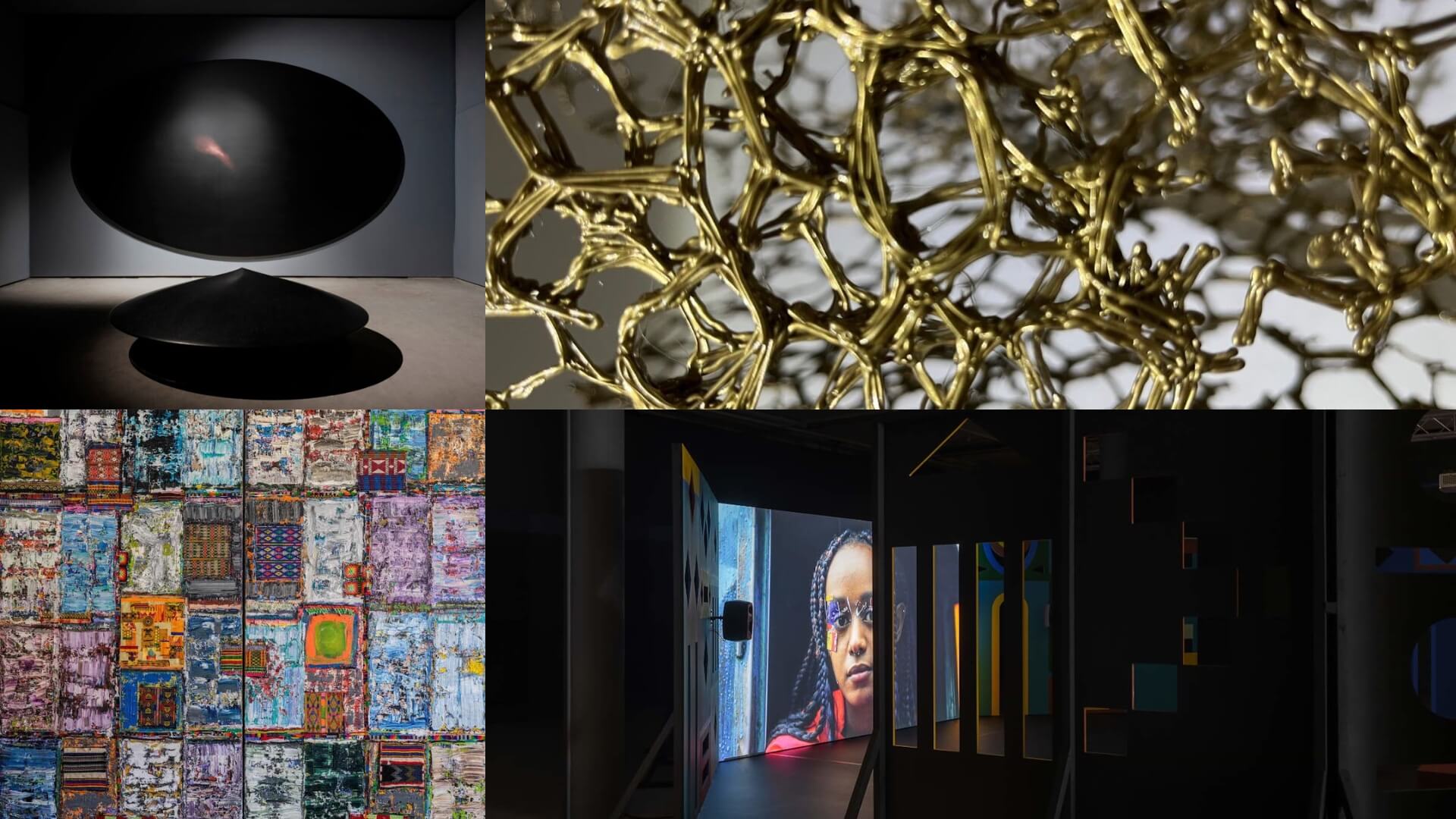
African art takes global stage at Venice Biennale 2026 with 13 national pavilions, including debuts from Somalia and Sierra Leone. Curated under Koyo Kouoh's visionary 'In Minor Keys,' these showcases highlight poetry, identity, and ecology. A milestone for continental creativity.
African art takes the global stage at Venice Biennale 2026, marking a historic moment for the continent. For the first time, 13 African countries present national pavilions at this prestigious event. This surge highlights Africa's growing influence in contemporary art.
Running from May 9 to November 22, 2026, the 61st edition titled In Minor Keys features the vision of the late Cameroonian-Swiss curator Koyo Kouoh. Her leadership breaks new ground as the first African woman to direct the Biennale. Discover how these pavilions showcase diverse themes like memory, identity, and ecology.
Historic Debut: African Art at Venice Biennale 2026
Moreover, four nations make their first appearance: Guinea, Equatorial Guinea, Sierra Leone, and Somalia. This expansion reflects strong commitments from African governments and curators. Importantly, pavilions are spread across Venice's iconic spots like Giardini and Arsenale.
Furthermore, the event draws global attention to African creativity. Artists use installation, sculpture, film, and sound to tell powerful stories. Culture & Lifestyle enthusiasts will find rich inspiration here.
Spotlight on Debuting Nations at Venice Biennale 2026
Specifically, Somalia's Saddexleey pavilion at Palazzo Caboto captivates visitors. Curated by Mohamed Mire and Fabio Scrivanti, it features artists Ayan Farah, Asmaa Jama, and Warsan Shire. Poetry forms the core, transmitting Somali history and knowledge across generations.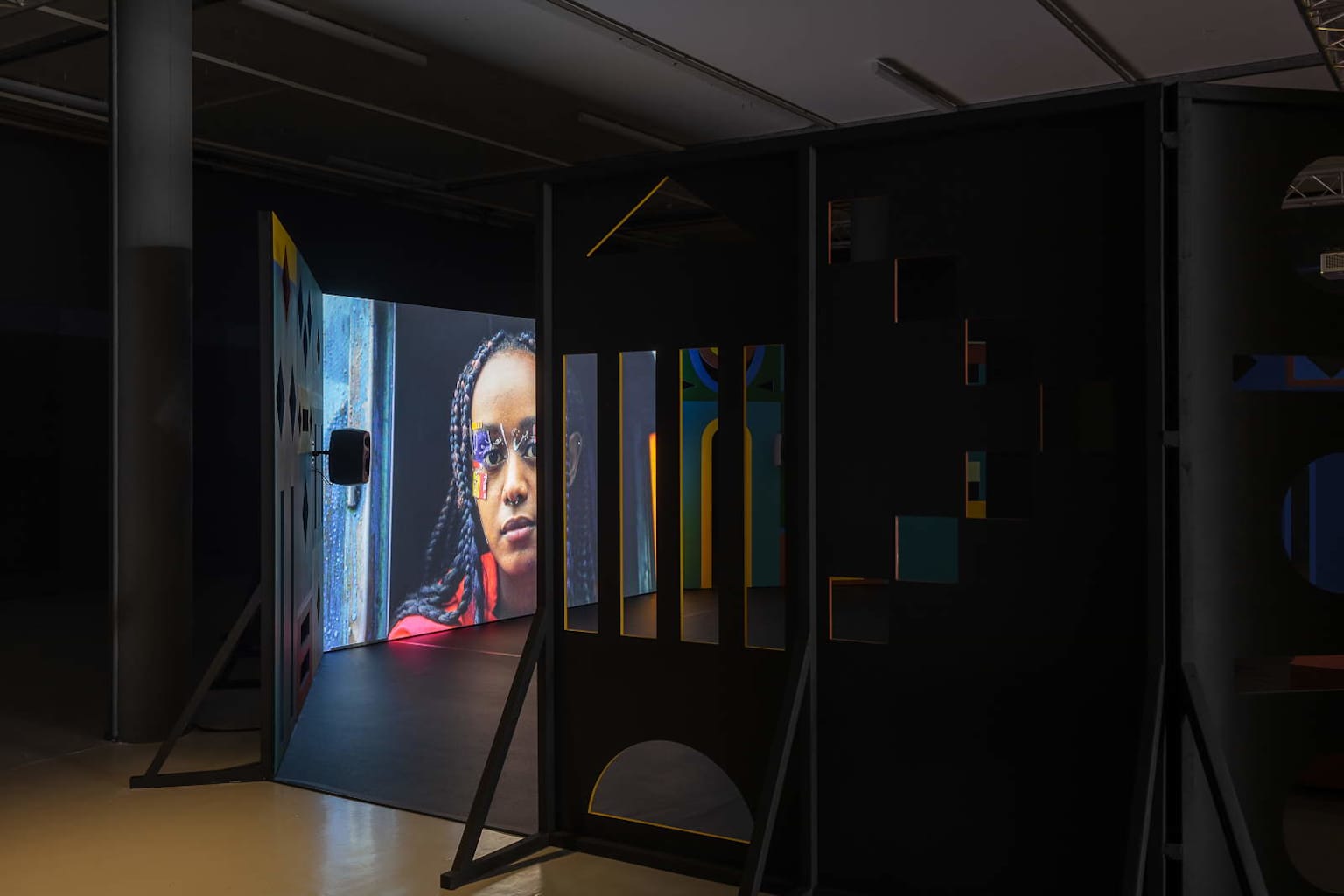
- Somalia: Focuses on poetry as the social backbone.
- Sierra Leone: Mondi Presenti / Worlds of Today at Liceo Guggenheim, with artists like Hawa-Jane Bangura.
- Guinea and Equatorial Guinea: Debut with fresh perspectives on identity and ecology.

Meanwhile, Sierra Leone's pavilion, commissioned by H.E. Fatima Maada Bio, blends local and international talents. These debuts signal broader African representation. Explore more on Entertainment.
Returning Pavilion Highlights: Cameroon and Tanzania
Additionally, Cameroon presents NZƎNDA, curated by Beya Gille Gacha. Tanzania's Minor Frequencies: The Inner Life Of A Nation showcases Amani Abeid and others. These efforts build on past successes, fostering global dialogue.
However, challenges like funding persist for many nations. Still, cultural ministries step up. For deeper insights, read Africanews coverage.
Key Themes and Artists Shaping the Influence
Notably, themes of memory, spirituality, and political history dominate. Artists engage viewers through immersive experiences. Consequently, the Biennale elevates African voices in global discourse.
- Poetry and oral traditions in Somali works.
- Ecological concerns in Guinean installations.
- Identity exploration via Tanzanian sculptures.
- Spiritual performances from Sierra Leone.
In addition, Koyo Kouoh's In Minor Keys frames these narratives perfectly. Her legacy inspires emerging curators. Share your thoughts in the comments below.
Furthermore, pavilions like Somalia's recreate living rooms, offering intimate glimpses into African life. This approach makes art accessible and relatable. Africa News followers should note this trend.
Impact on African Artists and the Global Art Scene
Ultimately, this participation boosts careers and cultural exchange. African artists gain visibility among international collectors. As a result, investment in African art rises steadily.
On the other hand, it challenges Western art norms. African perspectives reshape global conversations. For instance, sales and collaborations surge post-Biennale.
Importantly, events like the African Art in Venice Forum amplify these voices. Subscribe to Topping Africa for updates.
Explore More on Topping Africa
Discover ongoing stories in African creativity. Check these sections:
- Culture & Lifestyle – Dive into art and traditions.
- Opinion & Editorial – Read expert analyses on global impact.
- Entertainment – Follow artist spotlights and events.
Read more about emerging trends. Leave a comment below on your favorite pavilion.
Why Venice Biennale 2026 Matters for Africa
Therefore, Venice Biennale 2026 cements Africa's art dominance. It opens doors for youth and women artists. Moreover, economic benefits flow back home through tourism and sales.
Similarly, it promotes unity across diverse nations. Africans Column details confirm 13 pavilions' significance. Stay tuned for more coverage.
Prominent Artists and Their Notable Contributions
Additionally, artists like Ayan Farah and Warsan Shire offer unique perspectives. These artists challenge conventional narratives and highlight African heritage through their art. Importantly, these contributions enrich cultural conversations and forge new paths for future artists.
Furthermore, visitors can immerse themselves in installations that blend technology and tradition. The Guinean pavilion, for example, uses digital art to explore ecological themes. In this sense, the Biennale encourages a fusion of past and present in art.
Global Recognition: A New Era for African Art
Moreover, African art's rising profile at the Biennale enhances its global stature. International collectors show increased interest, leading to more opportunities for African artists. Consequently, the art market sees a shift towards more diverse and inclusive practices.
Finally, the Biennale symbolizes a broader cultural awakening. As African art continues to gain recognition, it paves the way for future generations to share their stories on the world stage. Therefore, initiatives like these foster cultural appreciation and mutual understanding.
Join the Conversation and Share Your Insights
Read more on Topping Africa, engage with the artists' works, and explore the diverse themes showcased at the Biennale. Leave a comment below with your thoughts on the African pavilions and their potential impact.
Remember to share this article with friends and family, and continue exploring the rich tapestry of African creativity and expression.
Staff
Contributing writer at Topping Africa.
0 Comments
No comments yet. Be the first to share your thoughts!