
Africa Innovation Challenge 2026: 8 Major Competitions African Creators, Founders and Diaspora Talent Must Know
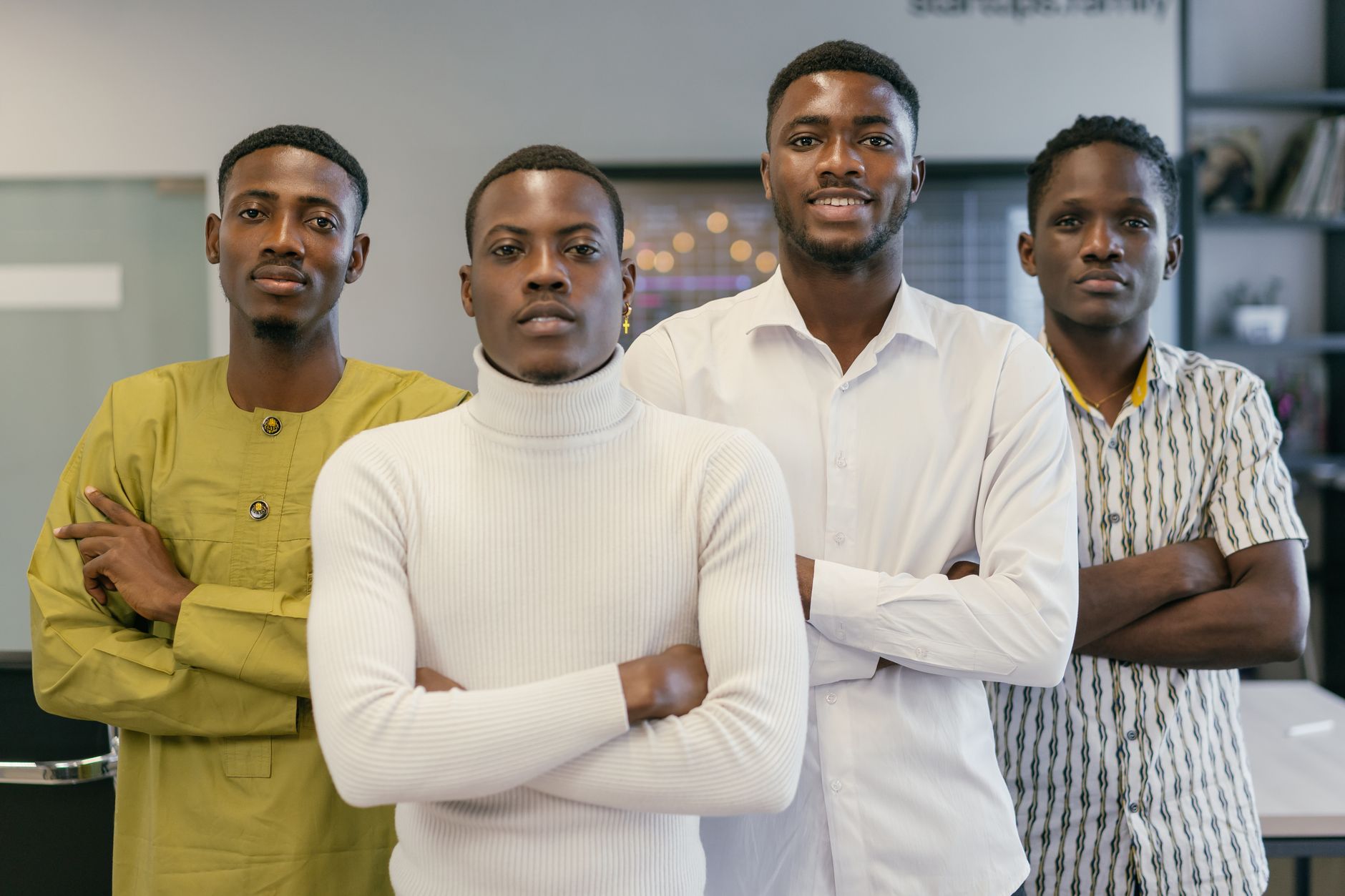
The Africa innovation challenge 2026 landscape spans energy, education, fintech, health, and creative tech — and it is more accessible to African creators and digital founders than ever. This guide breaks down 8 major competitions, what each one actually offers, and the specific moves that give applicants a real edge over the competition.
The Africa innovation challenge 2026 landscape is bigger, better funded, and more accessible to digital founders than ever before. Across energy, education, fintech, health, and creative tech, a wave of competitions is opening doors — offering not just prize money, but investor introductions, accelerator slots, and continent-wide visibility. Yet most aggregated guides focus narrowly on deep-tech hardware startups, leaving African creators, content entrepreneurs, and diaspora founders scanning multiple sources and still missing half the picture. This guide fixes that. Below are eight of the most significant innovation challenges running in 2026, what each one actually offers, who it fits best, and the specific moves that give applicants a real edge.

1. Africa Energy Innovation Challenge (AEIC) 2026
Run by EnergyNet, the Africa Energy Innovation Challenge targets startups solving energy access, storage, and distribution across Sub-Saharan Africa. The 2026 cohort is particularly open to digital and platform-based solutions — think energy marketplaces, pay-as-you-go software layers, and community solar management apps. Prize packages reach up to $150,000 USD, plus structured introductions to development finance institutions (DFIs) like the African Development Bank.
For creators and digital founders, the key insight is this: AEIC judges score heavily on community impact storytelling. A founder who can demonstrate measurable reach — an audience, a newsletter, a platform — has a genuine edge over a pure-tech team with no distribution. If you have built an energy-adjacent audience in rural markets, lead with that data first, then explain the technology.
Common mistake: applicants submit dense technical decks and skip the narrative. AEIC's selection panel includes communications and policy experts, not just engineers. Tailor your pitch language accordingly.
- Deadline: Rolling applications through Q1 2026; final cohort announced April 2026
- Prize: Up to $150,000 + DFI introductions
- Best fit: CleanTech, energy-access platforms, rural distribution apps
- Edge move: Include a one-page community traction summary — active users, partner communities, or media coverage
2. NESI PowerTech Challenge 2026
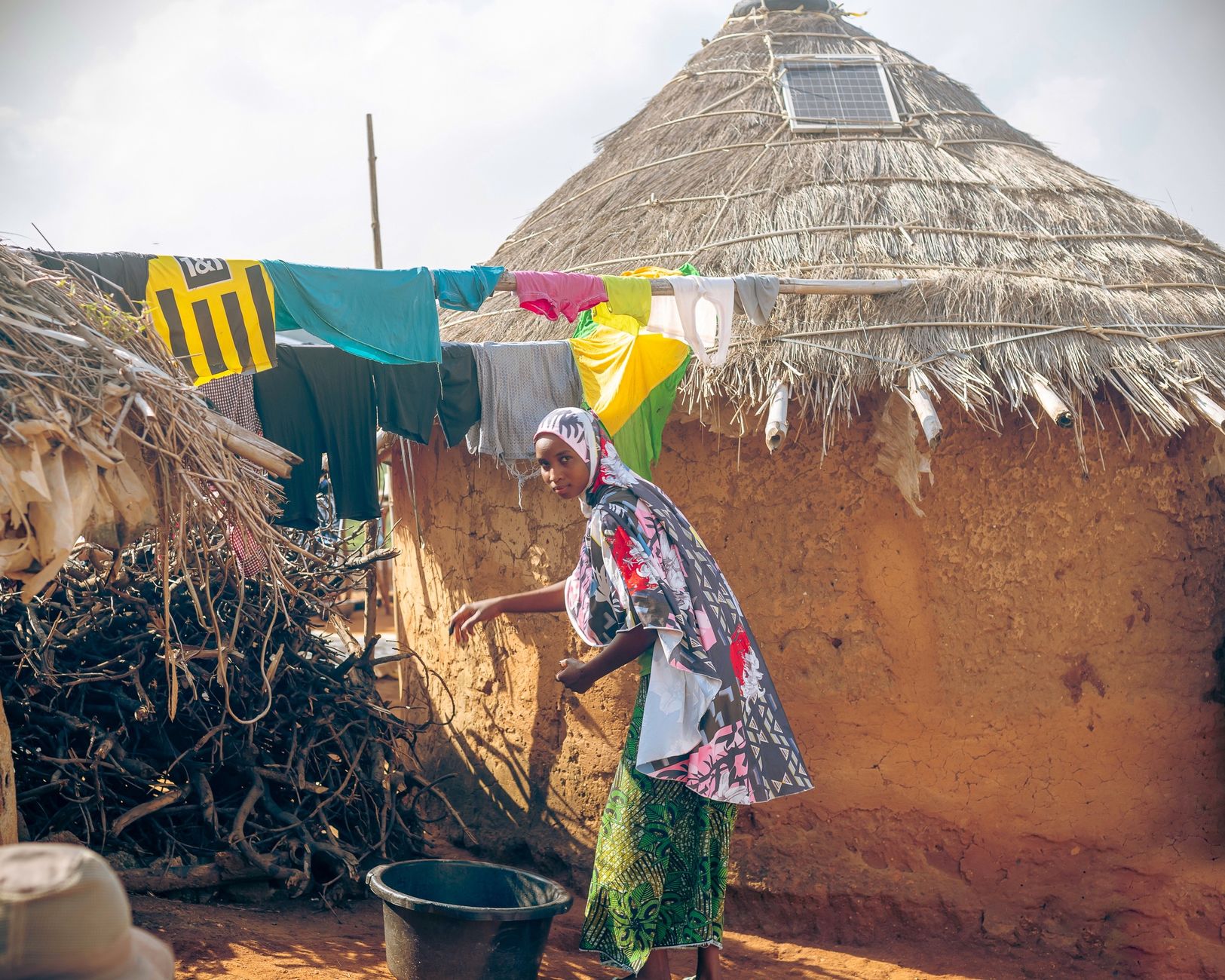
Nigeria's NESI (Nigerian Electricity Supply Industry) PowerTech Challenge is one of West Africa's most competitive sector-specific contests. The 2026 edition, coordinated through the Nigerian Electricity Regulatory Commission (NERC) and private sector partners, focuses on grid-edge technology, metering innovation, and consumer-facing energy apps. Prize pools in past editions have exceeded ₦200 million naira (~$120,000 USD) with additional equity-free grants from co-sponsors.
What makes NESI PowerTech distinct is its dual-track structure: one track for hardware/infrastructure startups, and a separate software and services track. Digital founders building consumer energy dashboards, billing automation tools, or community energy data platforms sit squarely in the software track — and face far less competition there than in the hardware lane.
Diaspora founders should note that NESI explicitly welcomes Nigerian-diaspora applicants who can demonstrate in-country partnerships. A Lagos-based co-founder or an MOU with a local distribution company (DisCo) significantly strengthens eligibility.
- Deadline: Applications typically open February; shortlist announced May 2026
- Prize: ₦200M+ pool; equity-free grants available
- Best fit: Nigerian energy-tech, consumer billing apps, grid data platforms
- Edge move: Apply via the software/services track; competition is thinner and judges value UX quality
3. AFRETEC Inclusive Digital Education Challenge
The AFRETEC Inclusive Digital Education Challenge, backed by Carnegie Mellon University Africa and a consortium of African universities, is the continent's most prestigious EdTech competition in 2026. It targets solutions that close digital education gaps for learners with disabilities, girls in STEM, and under-resourced rural schools. Grants range from $25,000 to $100,000 per winning team, plus a 12-month mentorship track inside CMU Africa's network.
For African creators — particularly those building educational content on YouTube, TikTok, or Substack — this challenge is a genuine fit. Content-led EdTech (structured video curricula, interactive audio learning, creator-led tutoring platforms) qualifies. The judges look for evidence of learning outcomes, not just engagement metrics. That means you need more than view counts; you need completion rates, quiz scores, or testimonials showing real knowledge transfer.
One trade-off to weigh: AFRETEC requires a formal institutional partnership (a university, NGO, or government education body) as a co-applicant. Solo creators without an institutional anchor will be disqualified at screening. Start building that partnership now — many African universities will sign a simple MOU in exchange for co-branding and data sharing.
- Deadline: Applications open March 2026; submissions close June 2026
- Prize: $25,000–$100,000 + CMU Africa mentorship
- Best fit: EdTech platforms, educational content creators, learning apps for underserved communities
- Edge move: Secure an institutional co-applicant early — this is a hard requirement, not a suggestion
4. Africa Fintech Foundry (AFF) Accelerator Challenge
Access Bank's Africa Fintech Foundry runs its annual accelerator challenge with a 2026 cohort focused on embedded finance, creator monetization infrastructure, and cross-border payment rails. This is one of the few major African innovation programs that explicitly names creator economy infrastructure as a target sector. Think: payout platforms for African YouTubers, subscription billing tools for Substack creators in francophone Africa, or remittance-linked savings products for diaspora communities.
AFF offers selected startups a $50,000 seed investment, six months of structured acceleration, and direct access to Access Bank's 60-million-customer network for piloting. That last point is the real prize — a live pilot with a tier-one African bank is worth more than the cash in most cases.
The common mistake here is over-engineering the pitch deck. AFF's selection team is banking-fluent; they will spot inflated TAM numbers instantly. Use realistic, bottom-up market sizing — for example, "There are 2.3 million monetised African creators on YouTube and Instagram; fewer than 8% have access to a local USD payout account" — and your credibility jumps immediately.
- Deadline: Cohort 7 applications open January 2026; closes March 2026
- Prize: $50,000 seed + 6-month acceleration + bank pilot access
- Best fit: Fintech, creator monetisation tools, cross-border payment startups
- Edge move: Pitch a specific pilot metric — e.g., "We will onboard 500 creators in Lagos in 90 days" — rather than a vague market opportunity
If you are mapping where your startup fits in the broader creator economy, this breakdown of creator discovery platforms in 2026 is a useful complement to the AFF application process.
5. Tony Elumelu Foundation (TEF) Entrepreneurship Programme 2026
The TEF Entrepreneurship Programme is the continent's largest entrepreneur support programme, backing 1,000 African startups annually with $5,000 non-refundable seed capital each, plus mentorship and a pan-African alumni network of over 20,000 founders. The 2026 cycle opens in January and closes in late February — the window is short and the application volume is enormous (over 300,000 applicants in recent years).
TEF's strength for creators and digital founders is its sector agnosticism. Creative businesses — animation studios, podcasting networks, event production companies, digital fashion brands — have won TEF funding. The programme does not require a registered company at application, which removes a major barrier for early-stage founders.
Where applicants lose points: vague business model descriptions. TEF reviewers process thousands of applications; a business described as "a platform connecting African creatives" scores far lower than "a subscription marketplace for African illustrators, charging $15/month per artist, currently with 47 paying subscribers." Specificity signals seriousness.
- Deadline: Opens January 2026; closes late February 2026
- Prize: $5,000 seed capital (non-refundable) + mentorship + alumni network
- Best fit: Any sector; especially strong for early-stage creative and digital businesses
- Edge move: Lead your business description with a specific revenue figure or paying customer count, no matter how small

6. Seedstars Africa Ventures Challenge 2026
Seedstars runs city-level competitions across 20+ African markets, feeding into a continental final where the top startup wins up to $500,000 in equity investment. The 2026 Africa circuit covers Lagos, Nairobi, Accra, Kigali, Johannesburg, Dakar, and Casablanca — meaning diaspora founders can enter via their home city even if they are currently based abroad.
Seedstars is notable for its transparent scoring rubric: teams are evaluated on team strength (30%), market size (25%), product traction (25%), and business model scalability (20%). Knowing this, smart applicants weight their pitch accordingly — spend the most time on team credentials and traction evidence, not on product features.
For African creators building media or content businesses, Seedstars has historically been harder to crack than TEF or AFF because its investors prioritise venture-scale returns. A creator economy startup needs a clear path to $10M+ ARR to resonate. If your business is lifestyle-scale rather than venture-scale, TEF or AFRETEC may be a better use of application energy.
- Deadline: City competitions run February–July 2026; continental final in October 2026
- Prize: Up to $500,000 equity investment
- Best fit: Venture-scale startups in tech, fintech, health, edtech, agritech
- Edge move: Enter via the city closest to your target market, not your current residence — judges score market proximity
7. Africa Health Innovation Challenge (AHIC) 2026
Backed by the African Union's Africa CDC and several global health foundations, the Africa Health Innovation Challenge 2026 prioritises digital health tools, community health worker platforms, and AI-assisted diagnostics. Grants range from $30,000 to $250,000 depending on stage, and the programme includes a regulatory fast-track partnership with health ministries in six participating countries.
Creators and digital founders often overlook health challenges, assuming they require medical credentials. They do not. AHIC actively seeks health communication platforms, patient education content systems, and community health data tools. A creator who has built a trusted health-information audience — say, a maternal health YouTube channel with 200,000 subscribers in East Africa — has exactly the distribution asset AHIC's technical partners lack.
The regulatory fast-track is the hidden gem here. Navigating health ministry approvals in multiple African countries typically takes 18–36 months. AHIC's ministerial partnerships can compress that to 6 months for selected teams. That alone can be worth more than the grant money.
- Deadline: Applications open April 2026; closes June 2026
- Prize: $30,000–$250,000 + regulatory fast-track in 6 countries
- Best fit: Digital health tools, health communication platforms, community health apps
- Edge move: Quantify your health content audience as a distribution asset in the application — health data reach is a key scoring factor
8. Google for Startups Africa Accelerator 2026
Google's Africa-focused accelerator runs two cohorts per year — one for AI-first startups and one for a broader tech cohort. The 2026 AI cohort focuses on startups using machine learning to solve African-specific problems in agriculture, language, creative tools, and financial inclusion. Selected startups receive up to $350,000 in Google Cloud credits, hands-on mentorship from Google engineers, and access to Google's global investor network.
For African creators building AI-powered tools — automated Swahili captioning, AI-generated Afrobeats production tools, multilingual content localisation platforms — the 2026 AI cohort is the most relevant entry point. Google's team scores heavily on technical differentiation and African language or context specificity. A generic AI chatbot will not make the shortlist; a Yoruba-language legal document summariser built on a fine-tuned model with 10,000 training examples will.
Diaspora founders based in the UK, US, or Canada can apply, but must demonstrate a clear African market focus and ideally have an in-country team member. Google's programme managers are explicit about this in their FAQ — remote-only diaspora teams without African market presence have a low acceptance rate.
- Deadline: AI cohort applications open February 2026; general cohort opens May 2026
- Prize: Up to $350,000 in Google Cloud credits + mentorship + investor access
- Best fit: AI startups, creative tech tools, African-language NLP, fintech AI
- Edge move: Highlight African language or cultural context specificity in your technical approach — generic AI applications are filtered out early
How to Maximise Your Chances Across Multiple Challenges
Applying to one challenge is a lottery. Applying strategically to three or four — with a tailored pitch for each — is a fundable strategy. Here is what that looks like in practice.
First, build a modular pitch deck. Create a master 20-slide deck, then maintain three versions: a community/impact version (for TEF, AFRETEC, AHIC), a venture-scale version (for Seedstars, Google), and a sector-specialist version (for AEIC, NESI, AFF). Swap the first three slides and the market sizing slide — the rest can stay largely the same.
Second, time your applications. TEF and NESI close early (February); AFRETEC and AHIC close mid-year. You can realistically submit to four challenges between January and June 2026 without compromising quality. Rushing a fifth application in the same window usually produces a weaker submission than a focused four.
Third, use each application as a research exercise. The questions challenge organisers ask reveal exactly what they value. If AFRETEC asks for a "learning outcomes measurement plan," that tells you their judges are outcome-obsessed — and that insight shapes how you pitch your product to any EdTech investor, not just AFRETEC.
For a broader view of how African founders are building visibility alongside funding, explore what the 2026 Africa Entrepreneurship Conference means for creators and founders — the networking and speaking opportunities there complement challenge applications well.
You should also keep tabs on how African AI startups are repositioning the continent in the global tech conversation. This piece on African AI startups gives useful context for framing your own innovation narrative in challenge applications.
The Bigger Picture: Why 2026 Is a Pivotal Year
The volume and value of innovation funding flowing into Africa in 2026 is not accidental. The African Union's Agenda 2063 milestones are pushing governments and multilateral funders to accelerate private sector innovation pipelines. At the same time, the global creator economy — now valued at over $250 billion — is finally being taken seriously as an economic layer in its own right, not just a cultural phenomenon.
African creators who position themselves at the intersection of cultural reach and technical innovation are in a genuinely rare position. A Nairobi-based creator with 500,000 YouTube subscribers and a functional EdTech prototype is not just a content person — they are a distribution-first founder with a built-in go-to-market advantage that most pure-tech startups would pay for.
The challenge landscape in 2026 is beginning to reflect this. More programmes are scoring community reach, storytelling ability, and cultural specificity alongside technical depth. That shift favours African creators who are willing to make the leap from audience builder to founder.
Ready to take the next step? Explore the full Topping Africa creator and founder community to connect with peers who are already navigating these challenges — and discover African creators and innovators whose journeys might spark your own application strategy.
Staff
Contributing writer at Topping Africa.
0 Comments
No comments yet. Be the first to share your thoughts!