
Africa Innovation Awards 2026: The Opportunities African Creators Can't Ignore
The Africa innovation awards 2026 landscape is packed with funding, visibility, and partnership opportunities — but most coverage ignores creators entirely. This guide maps the ECOWAS Startup Awards, Smart Africa & FAO's Innovate Africa Challenge, the Africa Prize for Engineering Innovation, and youth energy contests, with concrete advice on how African creators and entrepreneurs can position themselves to win.
Why Africa Innovation Awards 2026 Matter More Than Ever for Creators
The Africa innovation awards 2026 landscape is bigger, better funded, and more creator-friendly than it has ever been. Across the continent and in diaspora hubs from London to Houston, African creators, creative technologists, and entrepreneurs are sitting on a goldmine of opportunities — most of which go unclaimed simply because the information is scattered, jargon-heavy, and rarely written with creators in mind. That ends here.
This is not a list of vague "grants to apply for." It is a mapped, actionable breakdown of the most significant innovation awards and challenges opening in 2026 — who they are actually for, what they fund, and exactly how a content creator, a creative-tech founder, or an African entrepreneur can position themselves to win.
If you have been building something — a platform, a product, a media brand, an agri-tech tool — and you have not yet looked at these competitions, you are leaving real money, visibility, and partnership on the table. Discover the full range of African innovations changing business, health, and daily life to understand just how broad "innovation" is defined in 2026.

ECOWAS Startup Awards 2026: West Africa's Biggest Stage for Young Innovators
The ECOWAS Startup Awards are the flagship recognition programme of the Economic Community of West African States, targeting early-stage and growth-stage startups across its 15 member nations. In 2025, the awards distributed over $500,000 USD in combined prizes, mentorship packages, and regional market-access grants. The 2026 edition is expected to expand that pool, with new categories added for creative economy and digital media ventures.
Here is the angle most coverage misses: the ECOWAS awards are not just for fintech and agri-tech. The Creative & Cultural Industries category — quietly introduced in 2024 — is wide open for content platforms, digital storytelling startups, music-tech tools, and creator monetisation products. A Ghanaian founder building a podcast distribution platform for local-language content? That fits. A Nigerian developer who built an AI dubbing tool for Nollywood? That fits too.
To compete seriously, applicants need three things upfront:
- A registered business entity in an ECOWAS member state (or proof of incorporation in progress)
- A working prototype or minimum viable product with at least 90 days of user data
- A clear revenue model — "we will monetise through ads later" is not enough at this stage
Applications for the 2026 cycle are expected to open in Q1 2026, with a regional pitch event likely scheduled for mid-year in Abuja or Accra. Follow the official ECOWAS portal for exact dates as they are confirmed.
One common mistake: applicants submit in English only and ignore the French-language review panel. If your product serves Francophone West Africa — Senegal, Côte d'Ivoire, Mali — include a one-page French summary. It signals regional ambition and often tips borderline applications into the shortlist.
Smart Africa & FAO's Innovate Africa Challenge 2026: Where Food Tech Meets Digital Creativity
The Innovate Africa Challenge, co-run by Smart Africa and the Food and Agriculture Organization of the United Nations, targets solutions at the intersection of digital technology and food systems. The 2025 edition awarded six winners across East, West, and Southern Africa, with prizes ranging from $30,000 to $100,000 per winner, plus a structured six-month acceleration programme.
What makes this relevant to creators specifically? The challenge explicitly funds digital tools that change how farmers access information, markets, and finance. That scope pulls in content creators who build agricultural education channels, developers who make farming apps, and entrepreneurs running digital marketplaces for rural producers.
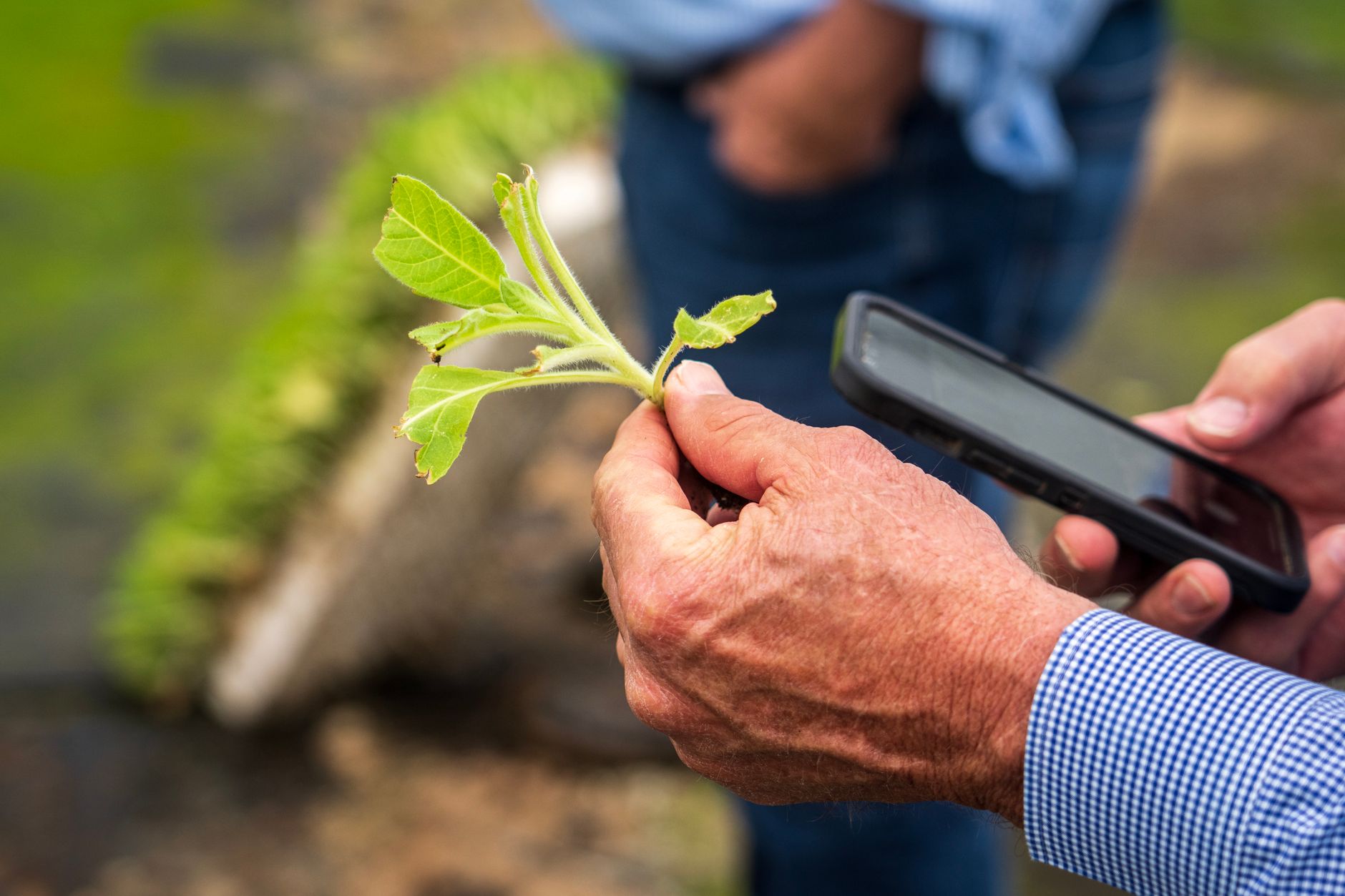
A YouTuber in Uganda who teaches smallholder farmers about soil health in Luganda is not just a content creator — they are a knowledge-distribution innovator. Framing matters enormously in these applications. The challenge rewards measurable impact, so document your reach: monthly active listeners, farmer testimonials, yield improvements reported by your audience. Those numbers are your proof of concept.
The 2026 challenge is expected to prioritise three thematic areas based on FAO's current strategic plan:
- Climate-resilient agriculture — tools that help farmers adapt to erratic rainfall and temperature shifts
- Post-harvest loss reduction — digital solutions that cut the estimated 30-40% of African produce lost before it reaches market
- Women and youth economic inclusion — platforms that specifically improve access for female farmers and young agripreneurs
Check the Smart Africa official website for the 2026 call for applications, expected to launch in February 2026. Early registration often unlocks pre-application coaching sessions — do not skip those.
The Africa Prize for Engineering Innovation: Not Just for Engineers
Run by the Royal Academy of Engineering in the UK, the Africa Prize is the continent's largest prize dedicated to engineering-led innovation. It awards up to £25,000 to the winner, with three runners-up receiving £10,000 each. Beyond the cash, every shortlisted innovator receives intensive business-skills training, media coaching, and access to a global investor network — arguably worth more than the prize money itself.
The common misconception is that you need an engineering degree to enter. You do not. The prize defines "engineering innovation" broadly: any product or service that uses applied science or technology to solve a real African problem qualifies. A creative technologist who built a low-bandwidth video streaming protocol for rural schools is eligible. So is a diaspora founder who designed a solar-powered community radio transmitter for underserved communities in the Sahel.
What the judges consistently reward, based on past winner profiles, is a combination of:
- Clear problem definition with local data to back it up
- A scalable solution — not just a working prototype in one village
- A team with complementary skills (technical + commercial + community)
- Evidence of user testing with real African end-users, not just lab conditions
Applications for the 2026 cycle typically open in September 2025 and close in early 2026. The prize is open to innovators based in sub-Saharan Africa. Check the Royal Academy of Engineering Africa Prize page for the confirmed 2026 timeline.
One trade-off worth knowing: the application process is rigorous and time-intensive, often taking 15-20 hours to complete properly. Rushing it is the fastest way to get eliminated. Start your application three months before the deadline, not three weeks.
Youth-Led Energy Innovation Contests: The Fastest-Growing Category in 2026
Energy access remains one of Africa's most urgent challenges — and in 2026, it is also one of the most competitive arenas for innovation funding. Several major contests are running simultaneously, and African creators with energy-adjacent ideas are uniquely positioned to compete.
The Africa Energy Innovation Prize (administered through various development finance institutions) has historically focused on hardware — solar panels, mini-grids, efficient cookstoves. But the 2026 cycle is expected to include a dedicated Digital Enablement track, recognising that software, content, and community platforms are as critical to energy transition as the hardware itself.
Think about what that means concretely. A creator who runs a WhatsApp-based energy literacy programme in rural Tanzania — teaching households how to use solar home systems safely and maximise their investment — is solving a real problem that hardware companies consistently fail to address. That is a fundable innovation.
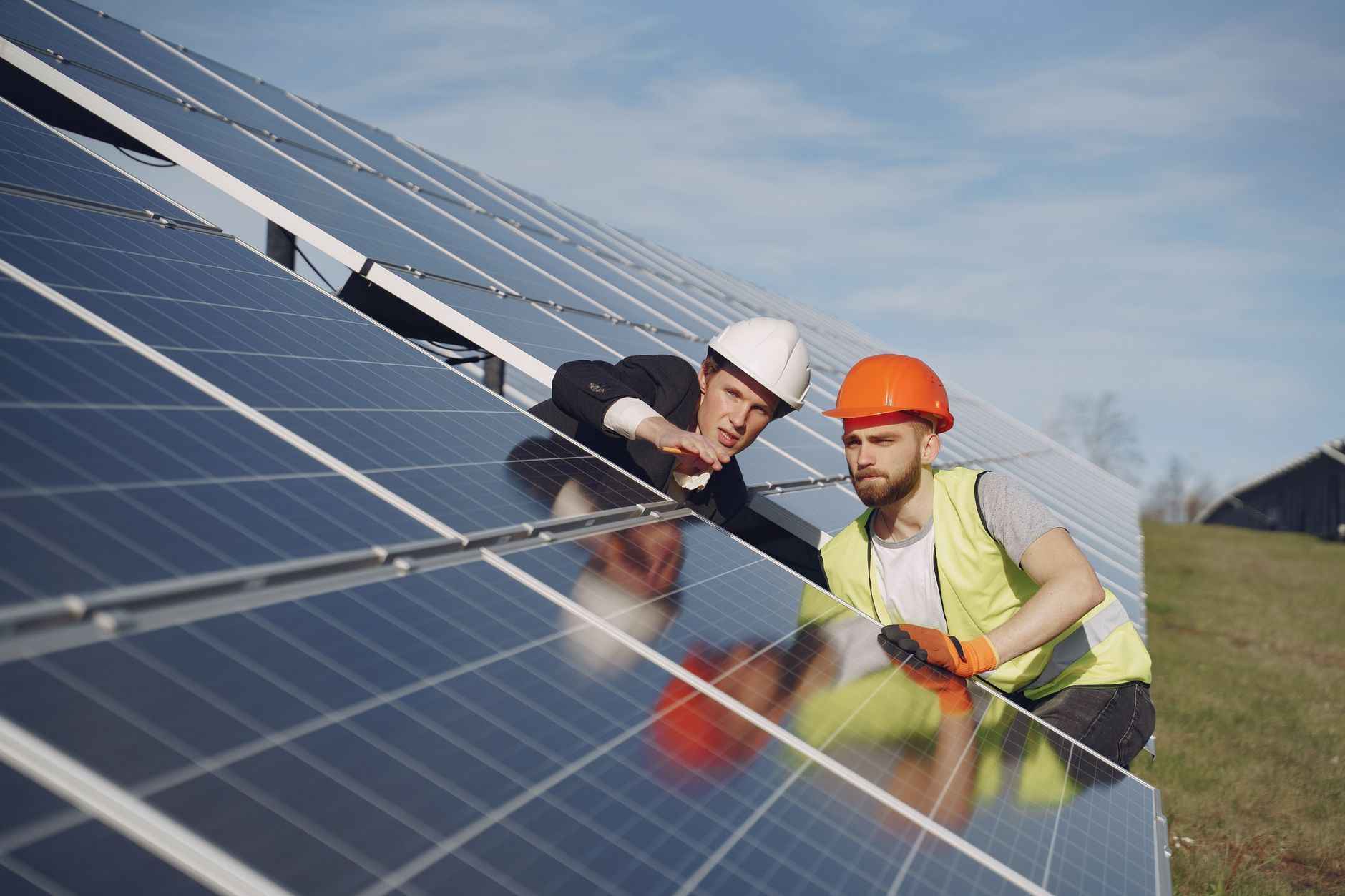
Other youth-focused energy contests to track in 2026 include:
- The African Development Bank's AFAWA Innovation Challenge — targets women-led energy and climate ventures with grants up to $50,000
- The Ashden Awards — a UK-based prize with a strong African track record, rewarding sustainable energy solutions with global media exposure
- The Tony Elumelu Foundation Entrepreneurship Programme — not exclusively energy-focused, but consistently funds energy and climate startups among its 1,000 annual awardees across Africa
For African creators who are also entrepreneurs, the Tony Elumelu Foundation programme deserves special attention. It provides $5,000 in non-returnable seed capital, plus mentorship and a pan-African alumni network of over 18,000 entrepreneurs. Applications open annually in January. Missing the window means waiting a full year — set a calendar reminder now.
How to Position Yourself as a Creator to Win These Awards
Winning innovation awards is as much about positioning as it is about the quality of your work. Most African creators underestimate how competitive their projects actually are — and then undersell themselves in applications because they do not speak the language of "innovation."
Here is a framework that works across almost every award listed above:
- Define the problem first, not your solution. Every strong application opens with a sharp, data-backed problem statement. "Young women in Northern Nigeria have no access to digital financial literacy content in Hausa" is a problem. "I make videos" is not.
- Quantify your impact. Monthly active users, hours of content consumed, revenue generated for partner businesses, farmers reached — any number is better than no number. Judges need evidence, not stories alone.
- Show scalability. How does your solution work at 10x its current size? A creator with 5,000 YouTube subscribers who can articulate a clear path to 500,000 is more fundable than one with 50,000 who cannot explain their growth model.
- Build a team narrative. Solo applications rarely win top prizes. Even if you are the primary founder, identify collaborators — a technical co-founder, a community partner, an advisory board member — and name them in your application.
- Localise your language. Each award has a thematic vocabulary. For ECOWAS, it is "regional integration." For Smart Africa/FAO, it is "food systems resilience." Mirror that language without losing authenticity.
The African creator economy is growing fast — data shows millions of active creators across the continent — but most are not yet tapping into the institutional funding that these awards represent. That gap is your competitive advantage right now.
Also worth reading: how African AI startups are turning the continent into the next global AI hub — a useful reference if your creator venture has a tech or AI component you want to position more strategically in award applications.
Common Mistakes That Cost African Innovators These Awards
The gap between a good application and a winning one is often not talent — it is avoidable errors. Here are the most frequent ones, drawn from patterns across multiple award cycles:
- Applying to the wrong category. Read the eligibility criteria twice. Some awards exclude ventures that have raised above a certain funding threshold. Others require the founder to be a citizen of a specific region. Mismatched applications are eliminated before anyone reads the pitch.
- Ignoring the video pitch. Most awards now require a 2-3 minute video. Creators, of all people, should own this format — yet many submit shaky, poorly lit clips with no clear narrative. Treat your video pitch like a short documentary. Script it, light it properly, and rehearse.
- Submitting at the deadline. Technical issues, server crashes, and document upload failures happen. Submit 48 hours early, minimum.
- Forgetting the follow-up. Many awards offer feedback to unsuccessful applicants. Request it. That feedback is free coaching for your next application cycle.
Winning once changes your trajectory. It adds a credibility signal that unlocks investor conversations, brand partnerships, and media coverage that would otherwise take years to earn organically. The right platforms can also accelerate your growth and earning potential — combining award recognition with strong platform presence is a compounding strategy.
Start Now: Your 2026 Innovation Award Action Plan
The window for most 2026 awards is open or opening soon. Waiting until you feel "ready" is the most expensive mistake you can make. Here is what to do this week:
- Pick one award from this list that aligns most closely with what you already do — do not spread yourself across five applications at once.
- Download the previous year's application form (most are publicly available) and answer every question in draft form, even if the 2026 form is not yet live. This forces clarity.
- Identify two people who can review your draft — ideally one who knows your industry and one who does not. If a non-expert cannot understand your pitch, a judge won't either.
- Set up a Google Alert for each award name so you catch announcement dates the moment they go live.
Africa's innovation story is being written right now — by creators, builders, and entrepreneurs who refuse to wait for permission. Explore the full range of African creators and innovators shaping this moment at Topping Africa's creator discovery hub, and see what's trending across the continent's most exciting creative and tech sectors.
The 2026 awards cycle is your moment. Do not let fragmented information be the reason you miss it.
Staff
Contributing writer at Topping Africa.
0 Comments
No comments yet. Be the first to share your thoughts!