African Creators Platforms in 2026: Which Ones Actually Help You Grow, Get Discovered, and Earn?
Not all African creators platforms are built equal — some drive discovery, others unlock income, and a few do both. This 2026 guide breaks down the seven most useful platforms for African creators, with honest trade-offs, realistic earnings figures, and a practical stack-building strategy you can start using today.
The race to find the best African creators platforms is no longer a niche conversation — it is the defining question for thousands of artists, entrepreneurs, educators, and storytellers across the continent and diaspora right now. In 2026, the creator economy in Africa is projected to surpass $10 billion in annual value, yet most global platforms were not designed with African creators in mind. Payment barriers, discovery algorithms biased toward Western content, and monetization thresholds that make no sense in Nairobi or Lagos remain real, daily frustrations. This guide cuts through the noise. Instead of listing every platform that exists, it focuses on the ones that move the needle — on discovery, earnings, audience growth, and collaboration — and tells you exactly what each one does well and where it falls short.
Before diving in, one honest framing: no single platform does everything perfectly for African creators. The smartest creators in 2026 are building multi-platform stacks — using one platform for discovery, another for monetization, and a third for community. Keep that in mind as you read.

1. Topping Africa — The Dedicated African Creator Discovery Engine
Best for: Discovery, visibility, and connecting with brand partners
Topping Africa's creator directory is the only platform built specifically to surface African talent to global audiences, brands, and collaborators. Unlike Instagram or YouTube, where an Accra-based photographer competes with 2 billion global accounts for algorithmic attention, Topping Africa is a curated, Africa-first space. Creators are searchable by country, niche, and content type — making it genuinely useful for brand discovery and cross-creator collaboration.
The practical edge here is real. A brand in Berlin looking for a Kenyan food creator does not have to scroll through hashtags hoping to get lucky. They go to the directory, filter by niche and country, and land on verified profiles. For creators, being listed means inbound discovery rather than outbound hustle. That shift — from chasing to being found — is worth more than any algorithm hack.
What it does not yet offer: direct in-platform monetization tools like subscriptions or tipping. The value is squarely in discovery and positioning. Creators who combine a strong Topping Africa profile with active content on YouTube or Instagram report faster brand deal inbounds. Read more about how creator discovery platforms are reshaping African business.
- Discovery strength: ⭐⭐⭐⭐⭐
- Monetization tools: ⭐⭐ (indirect — via brand connections)
- Audience growth: ⭐⭐⭐⭐
- Best move: Complete your full profile with niche tags, country, and portfolio links before expecting inbound interest.

2. YouTube — Still the Most Reliable Income Engine for African Video Creators
Best for: Long-form video, ad revenue, and audience ownership
YouTube remains the single most reliable path to sustainable ad revenue for African video creators in 2026 — but only if you clear the monetization threshold: 1,000 subscribers and 4,000 watch hours in the past 12 months. That bar is achievable in six to nine months for creators who post consistently in high-demand niches like personal finance, tech reviews, travel, and education.
The real advantage YouTube holds over TikTok or Instagram Reels is searchability. A video you post today can rank in Google search results and generate views — and income — three years from now. African creators who focus on evergreen topics (how-to guides, explainers, product reviews) build passive income streams that short-form platforms simply cannot replicate. According to Think with Google, YouTube watch time in sub-Saharan Africa has grown over 40% year-on-year since 2022.
The trade-off: YouTube CPM rates in most African markets are still significantly lower than in the US or UK — often $0.50–$2.00 per 1,000 views versus $5–$15 in Western markets. The workaround used by top African YouTubers is to target content that attracts diaspora audiences or global viewers, where CPMs are far higher. A Nigerian finance creator who speaks to both Lagos and London earns more per view than one targeting only a local audience.
- Discovery strength: ⭐⭐⭐⭐⭐ (via Google Search)
- Monetization tools: ⭐⭐⭐⭐⭐
- Common mistake: Posting without keyword research. Use TubeBuddy or VidIQ to find what African audiences are actually searching for before you record.
3. TikTok — Fastest Audience Growth, Slowest Path to Real Money in Africa
Best for: Viral reach, brand awareness, and top-of-funnel growth
TikTok's algorithm is the most democratized discovery engine ever built for creators — a Ugandan dancer with zero followers can reach 500,000 people in 48 hours. That is not an exaggeration. The platform's "For You Page" does not care about your follower count; it cares about watch time, replays, and shares. For African creators building an audience from scratch, TikTok is the fastest on-ramp available.
The monetization reality, however, is blunt. TikTok's Creator Fund pays $0.02–$0.04 per 1,000 views — barely enough to cover data costs in most African markets. The TikTok Creator Marketplace (for brand deals) is more promising but requires a minimum of 10,000 followers and is not fully available in all African countries. The smarter play: use TikTok to build fast, then drive followers to YouTube, a newsletter, or a Patreon-style platform where you actually control the revenue. See which African creators are making this strategy work on our list of top African content creators dominating TikTok, Instagram, and YouTube in 2026.
- Discovery strength: ⭐⭐⭐⭐⭐
- Monetization tools: ⭐⭐ (in most African markets)
- Best move: Post 3–5 times per week for the first 90 days. Consistency, not virality, is what builds a durable TikTok following.
4. Patreon and Ko-fi — Direct Fan Monetization That Works Across Africa
Best for: Recurring income, superfan communities, and creative independence
Patreon and Ko-fi are not African-built platforms, but they solve a critical problem: getting paid directly by your audience without depending on an algorithm's ad revenue. For African creators with engaged niche communities — think Swahili language educators, Afrobeats producers, or African comic artists — these platforms convert loyal followers into paying supporters.
Patreon works best for creators who can offer exclusive content tiers: early access to episodes, behind-the-scenes footage, private Discord communities, or one-on-one coaching. Ko-fi is lighter and better for one-time support — a "buy me a coffee" model that works well for visual artists and writers. The critical enabler is payment access. Both platforms support PayPal, and Ko-fi now accepts Stripe with improved African bank support. Ko-fi's creator resources confirm that payout options have expanded significantly for African creators since 2024.
The honest trade-off: building a paying Patreon community takes time — typically 12–18 months of consistent free content before fans are willing to pay. Creators who jump to Patreon too early, before they have a loyal audience, see very low conversion. The sequence matters: grow on TikTok or YouTube first, then migrate your most engaged followers to a paid community.
- Discovery strength: ⭐ (almost none — you bring your own audience)
- Monetization tools: ⭐⭐⭐⭐⭐
- Common mistake: Launching Patreon with fewer than 5,000 engaged followers across other platforms. Wait until your audience is warm.

5. Instagram — The Brand Deal Hub That African Creators Cannot Ignore
Best for: Lifestyle brands, fashion, beauty, food, and sponsored content
Instagram in 2026 is less a growth platform and more a portfolio and brand deal engine. Organic reach has declined sharply — most posts reach only 5–10% of followers without paid promotion. But for African creators in visual niches, Instagram remains where brands go to find influencers. A Lagos fashion creator with 50,000 engaged Instagram followers can command $500–$3,000 per sponsored post from beauty and lifestyle brands targeting African consumers.
The key metric brands look at is not follower count — it is engagement rate. An account with 20,000 followers and a 6% engagement rate is more valuable than one with 100,000 followers and 0.8% engagement. African creators who build tight, loyal communities in specific niches consistently outperform mega-influencers on brand ROI. Instagram's Collabs feature and broadcast channels are also useful tools for cross-creator partnerships, which are growing fast across the continent.
- Discovery strength: ⭐⭐⭐ (declining organic reach)
- Monetization tools: ⭐⭐⭐⭐ (via brand deals and Instagram Shopping)
- Best move: Use Instagram as your brand-facing portfolio. Keep your bio clear, your niche specific, and your contact info visible for inbound brand inquiries.
6. Spotify for Podcasters — The Underused Platform for African Audio Creators
Best for: Podcast monetization, African storytelling, and thought leadership
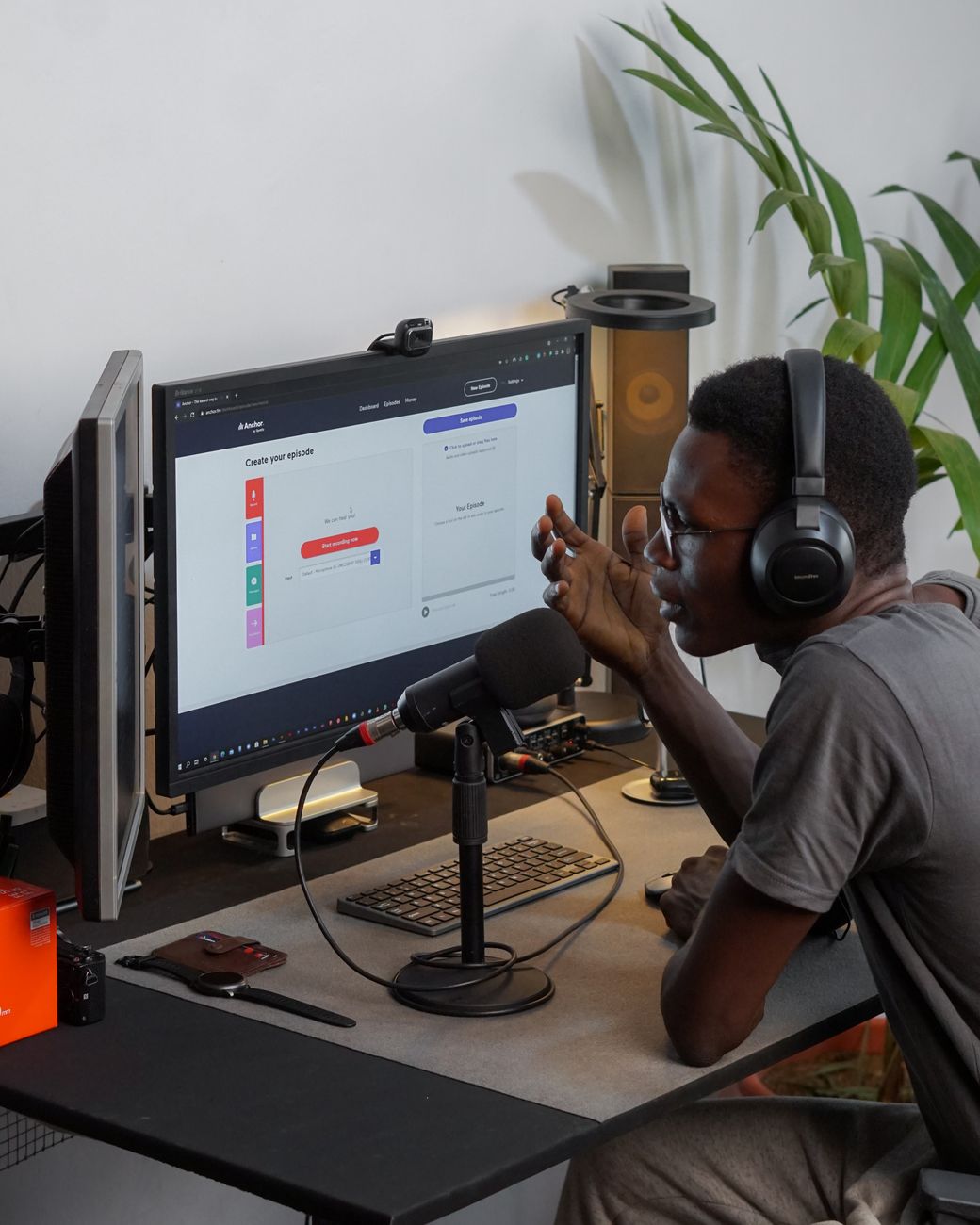
African podcasting is one of the fastest-growing creator categories on the continent, yet most African podcasters are leaving money on the table by not optimizing for Spotify. Spotify for Podcasters (now rebranded as Spotify for Creators) offers listener support features, subscription tiers, and access to Spotify's ad marketplace — all of which are available to creators in select African markets including South Africa, Nigeria, Kenya, and Ghana.
The discovery advantage on Spotify is real and underappreciated. Spotify's editorial team actively curates African podcast content for regional charts and "New & Noteworthy" placements. A well-produced podcast with consistent weekly episodes can land on Spotify Africa charts within three months — giving it exposure that a YouTube channel might take a year to achieve. According to Spotify's newsroom, podcast consumption in Africa has grown by over 60% since 2021, with Nigeria and South Africa leading the surge.
The limitation: Spotify's direct monetization tools (subscriptions and listener support) are not yet available in every African country. Creators in markets outside the supported list need to use third-party tools like Buzzsprout or Anchor to host and monetize. Still, for audio-first creators, Spotify is the highest-leverage platform to build authority and reach in 2026.
- Discovery strength: ⭐⭐⭐⭐⭐ (for audio content)
- Monetization tools: ⭐⭐⭐ (market-dependent)
- Best move: Submit your podcast to Spotify's editorial team for playlist consideration after publishing at least 10 episodes.
7. Substack — The Newsletter Platform Quietly Powering African Intellectual Creators
Best for: Writers, analysts, journalists, and educators building paid readerships
Substack has become the platform of choice for a growing cohort of African writers, economists, and cultural commentators who want to own their audience and monetize their expertise without depending on social media algorithms. The model is simple: write a newsletter, grow a free subscriber list, then convert a percentage to paid subscribers at $5–$10 per month. A writer with 5,000 free subscribers and a 5% paid conversion rate earns $1,250–$2,500 per month — a life-changing income in many African markets.
What makes Substack particularly powerful for African creators is audience ownership. Unlike Instagram or TikTok, where a platform change can erase years of work overnight, your Substack subscriber list is yours. You can export it, migrate it, and contact your readers directly. For African creators covering business, tech, policy, or culture — areas where depth beats virality — Substack rewards expertise in a way that short-form platforms never will. Explore the emerging sectors African creators are writing about on this guide to Africa's most profitable creator niches.
- Discovery strength: ⭐⭐⭐ (via Substack's internal recommendation network)
- Monetization tools: ⭐⭐⭐⭐⭐
- Common mistake: Launching a paid tier too early. Spend the first six months building a free list of at least 1,000 subscribers before asking anyone to pay.
How to Build Your African Creator Platform Stack in 2026
The most successful African creators in 2026 are not betting on one platform. They are building deliberate stacks. Here is a practical three-layer model that works across niches:
- Discovery layer: TikTok or YouTube (for algorithmic reach) + Topping Africa (for brand and industry discovery). These bring new eyeballs to your work.
- Engagement layer: Instagram or a Substack newsletter. This is where you deepen relationships with your audience and build trust over time.
- Monetization layer: YouTube AdSense, Patreon, Ko-fi, or Substack paid subscriptions. This is where casual followers become paying supporters.
The critical discipline is not spreading yourself too thin. Pick one platform per layer and master it before adding another. Creators who try to be everywhere at once end up mediocre everywhere. Start with the layer that matches your biggest current gap — if no one knows you exist, start with discovery. If you have an audience but no income, go straight to monetization.
For a deeper look at who is already winning on these platforms, Discover the African content creators to watch in 2026 — from Kenya to Nigeria to South Africa — and study how they have built their stacks. Their strategies are the clearest proof of what actually works.
The Bottom Line: Platform Choice Is a Strategic Decision
Choosing the right African creators platforms is not about chasing trends — it is about matching the platform's strengths to your specific goals. A visual artist and a podcast host have completely different optimal stacks. A creator in Lagos with strong brand ambitions needs Instagram and Topping Africa. A writer in Nairobi building intellectual authority needs Substack and YouTube. The platform is just a tool; the strategy behind it is what determines whether you grow, get discovered, and earn.
The African creator economy is maturing fast. Brands are actively looking for African talent. Audiences are hungry for authentic African content. The infrastructure — from creator directories to podcast platforms to newsletter tools — is better than it has ever been. What is left is for you to make a deliberate choice, commit to it, and show up consistently.
Ready to get discovered? Explore the full African creator community on Topping Africa and start building your presence where brands and collaborators are already looking for talent like yours.
Staff
Contributing writer at Topping Africa.
0 Comments
No comments yet. Be the first to share your thoughts!