
7 Rising East African Content Creators Turning Views into Ventures

East African content creators are turning audiences into income streams through ads, brand deals, merch, training, and live events. This spotlight profiles seven rising creators from Kenya, Tanzania, Uganda, Rwanda, and Ethiopia who are building sustainable ventures from their platforms.
East African content creators are no longer just chasing views. They are building brands, selling products, hosting events, and turning attention into real businesses. Across Kenya, Tanzania, Uganda, Rwanda, and Ethiopia, a new wave of creators is showing how digital influence can become sustainable income.
Meanwhile, the creator economy across Africa is still fighting a monetisation gap. YouTube, TikTok, Instagram, and podcast audiences keep growing, but many creators now combine ads, brand deals, merch, training, and live events to protect their income streams. According to YouTube’s creator storytelling coverage, the goal is no longer only reach; it is also to turn creativity into a business model.[3] In Africa, that shift matters even more because many creators still need local tools, flexible payments, and direct audience relationships.[1][2]
Why East African content creators are building ventures, not just followings
However, the smartest creators now think like founders. They use content to test demand, build trust, and launch products that fit their audience’s needs. That approach is especially powerful in East Africa, where youth audiences are mobile-first, trend-aware, and ready to support useful brands.

Moreover, Africa’s creator economy still leaves many digital stars underpaid if they rely on platform revenue alone. Industry coverage of Africa’s content economy shows that creators often need outside monetisation systems and payout options that work locally.[1][2] As a result, the creators in this list are mixing income sources and building businesses with longer life spans.
- Ads still matter for scale, especially on YouTube.
- Brand deals remain a major entry point for stable income.
- Merch helps creators turn fandom into commerce.
- Training and consulting convert expertise into paid services.
- Live events deepen community and create direct revenue.
For more on the wider creator economy and digital business trends, explore Technology & Innovation, Business & Economy, and Culture & Lifestyle.
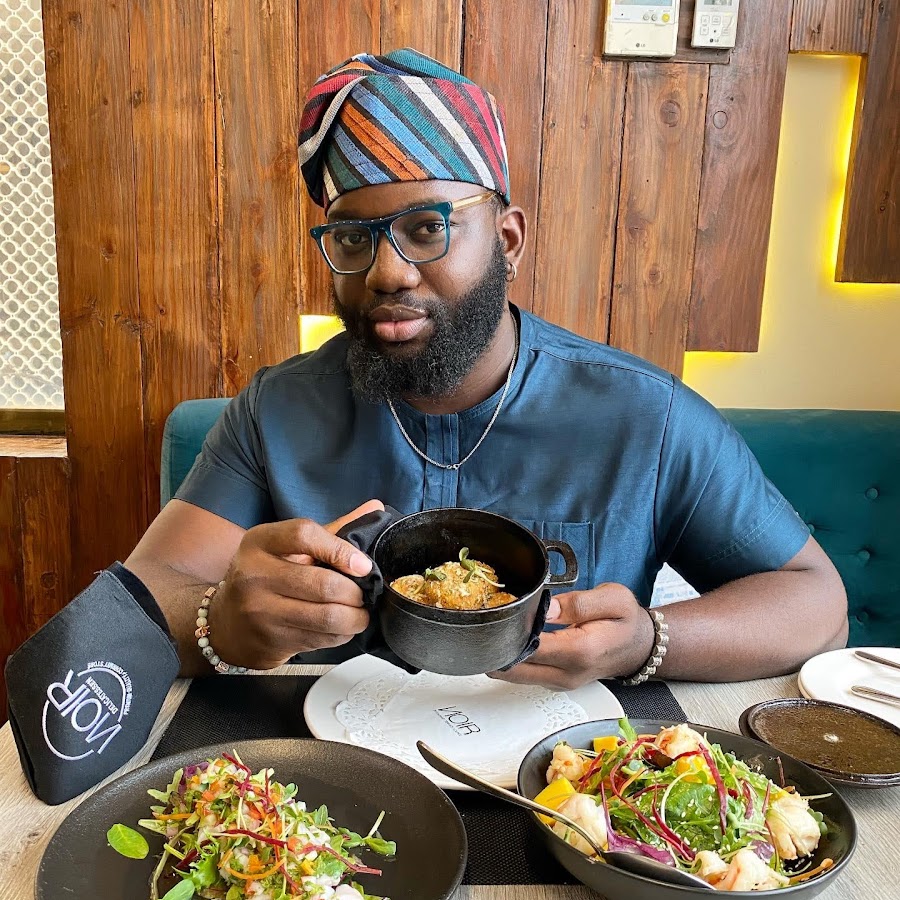
1. East African content creators to watch: Wode Maya
Wode Maya has built one of Africa’s strongest travel and culture channels by spotlighting African cities, entrepreneurs, and everyday success stories. Although he is widely known across the continent, his business model is still a useful lesson for younger East African creators. He combines YouTube ads, sponsorships, event appearances, and brand collaborations tied to African storytelling.
Importantly, his audience spans Africa, the diaspora, and global viewers who want a better view of the continent. That broad reach gives him leverage with brands that want authentic African visibility. Consequently, creators in Kenya and Uganda can study how he turns curiosity into a monetisable media brand.
His future opportunity sits in community-led media. He can deepen revenue through creator workshops, tourism partnerships, and documentary-style projects. For readers tracking creator business models, this is a clear example of views turning into ventures.
Revenue mix and growth path
- Ads: YouTube monetisation from long-form travel content.
- Brand deals: Tourism, lifestyle, and consumer brands.
- Live events: Conference panels and creator appearances.
- Training: Potential creator education and media coaching.
Read more about related creator-led business stories in Spotlight and News & Updates.
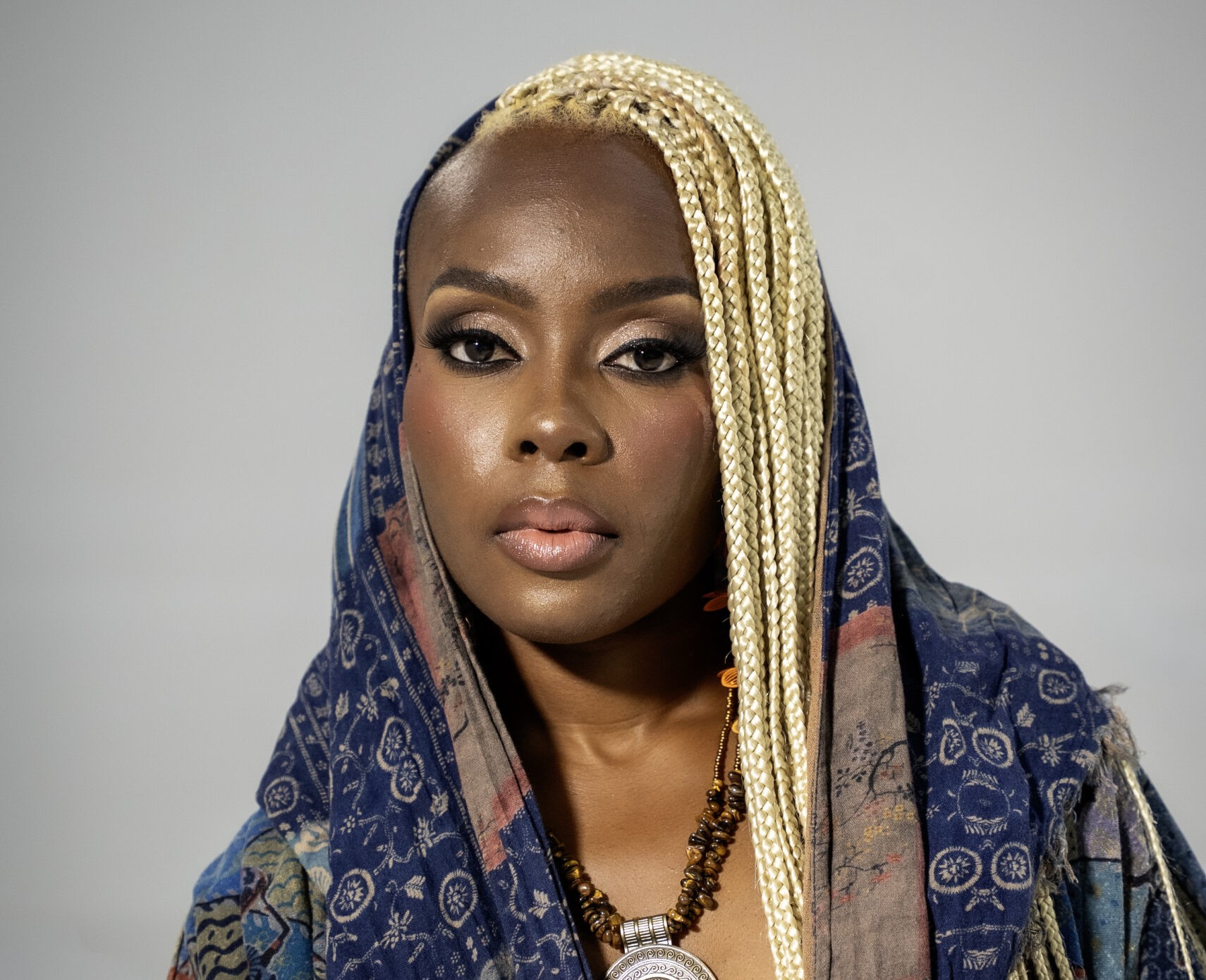
2. East African content creators to watch: Justine Murimira
Justine Murimira represents the new Rwanda-based creator class that blends lifestyle, beauty, and entrepreneurship. Her appeal comes from clean visuals, practical advice, and a strong sense of personal brand. That mix helps her attract both a loyal audience and commercial interest.
Furthermore, creators like her benefit from the rise of short-form video across East Africa. TikTok and Instagram Reels now help creators test products quickly and build fast-moving communities. In Rwanda, that matters because creators can use small audiences very efficiently if the content feels premium and useful.
Her likely revenue mix includes brand partnerships, affiliate-style promotion, and possible product lines in beauty or lifestyle. If she expands into training or digital products, she could turn her influence into a stronger business engine. Share your thoughts on which Rwandan creators are shaping the region’s digital style.
Why her model works
- Niche clarity: Beauty and lifestyle content attracts repeat viewers.
- Trust: Audience trust supports sponsored content.
- Scalability: Short video can drive products and services.
- Expansion: Courses, guides, or merchandise can follow.
3. East African content creators to watch: Thee Pluto
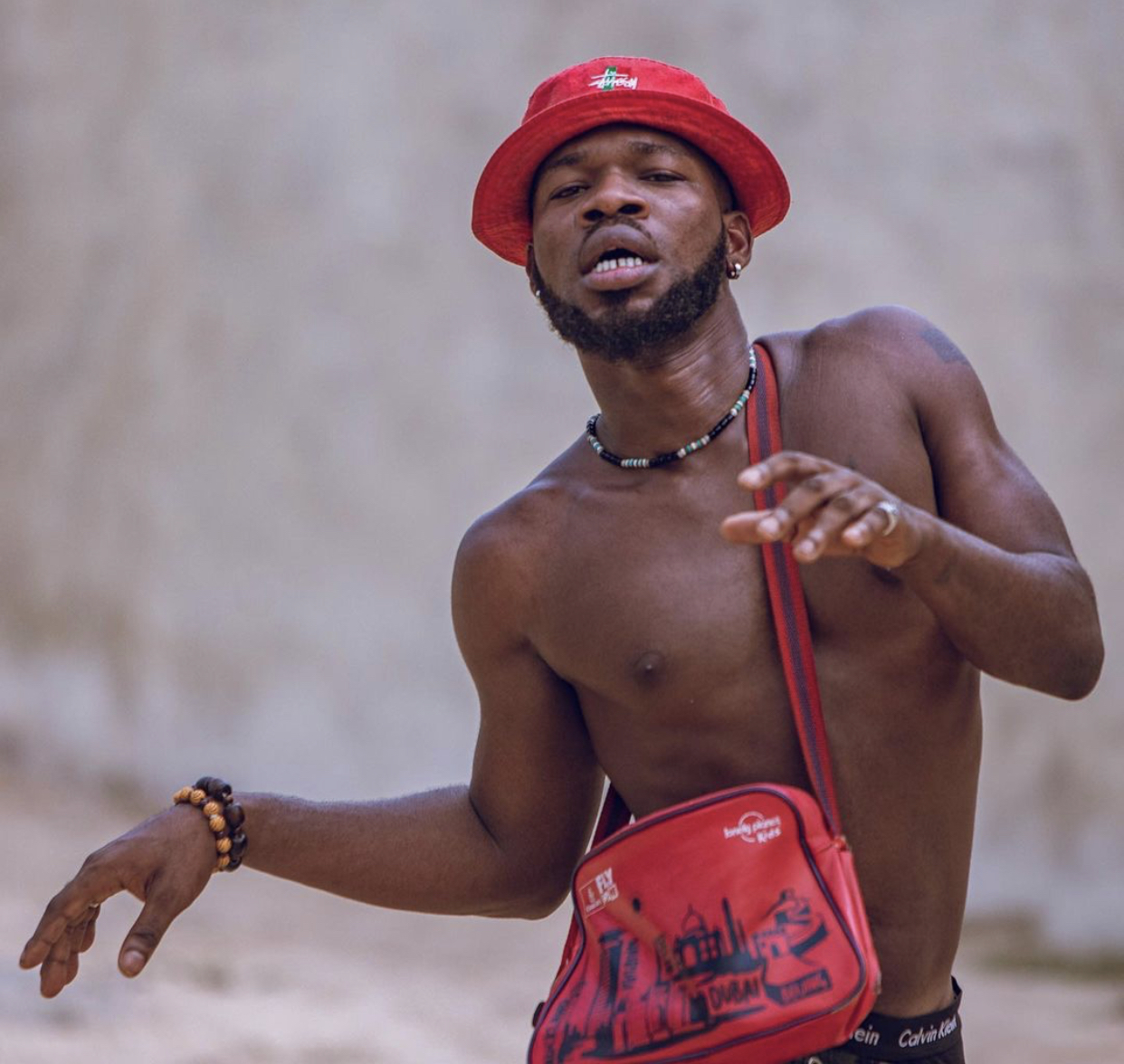
Thee Pluto has become one of Kenya’s most recognisable digital personalities by mixing entertainment, social commentary, and high-engagement challenge formats. His content reaches a young audience that follows trends closely and responds quickly to personality-driven storytelling. That reach gives him major business value.
Meanwhile, his style shows how creators can use personality as a media asset. He can turn audience attention into sponsorships, event hosting, and branded campaigns. This is the exact shift many African creators are making: from viral posts to repeatable income.
His future growth could come from merch, premium membership content, or creator-led live events. He also has room to build a stronger studio or talent network around his brand. For Africa’s creator market, that is a meaningful step from influencer to media entrepreneur.
Potential revenue streams
- Brand deals: Youth, fashion, telecom, and lifestyle campaigns.
- Ads: Monetised video content on YouTube.
- Events: Club appearances and youth brand activations.
- Merch: Branded clothing and fan products.
Discover more stories on influencer-led growth in Entertainment and Fashion.
4. East African content creators to watch: Mwasiti
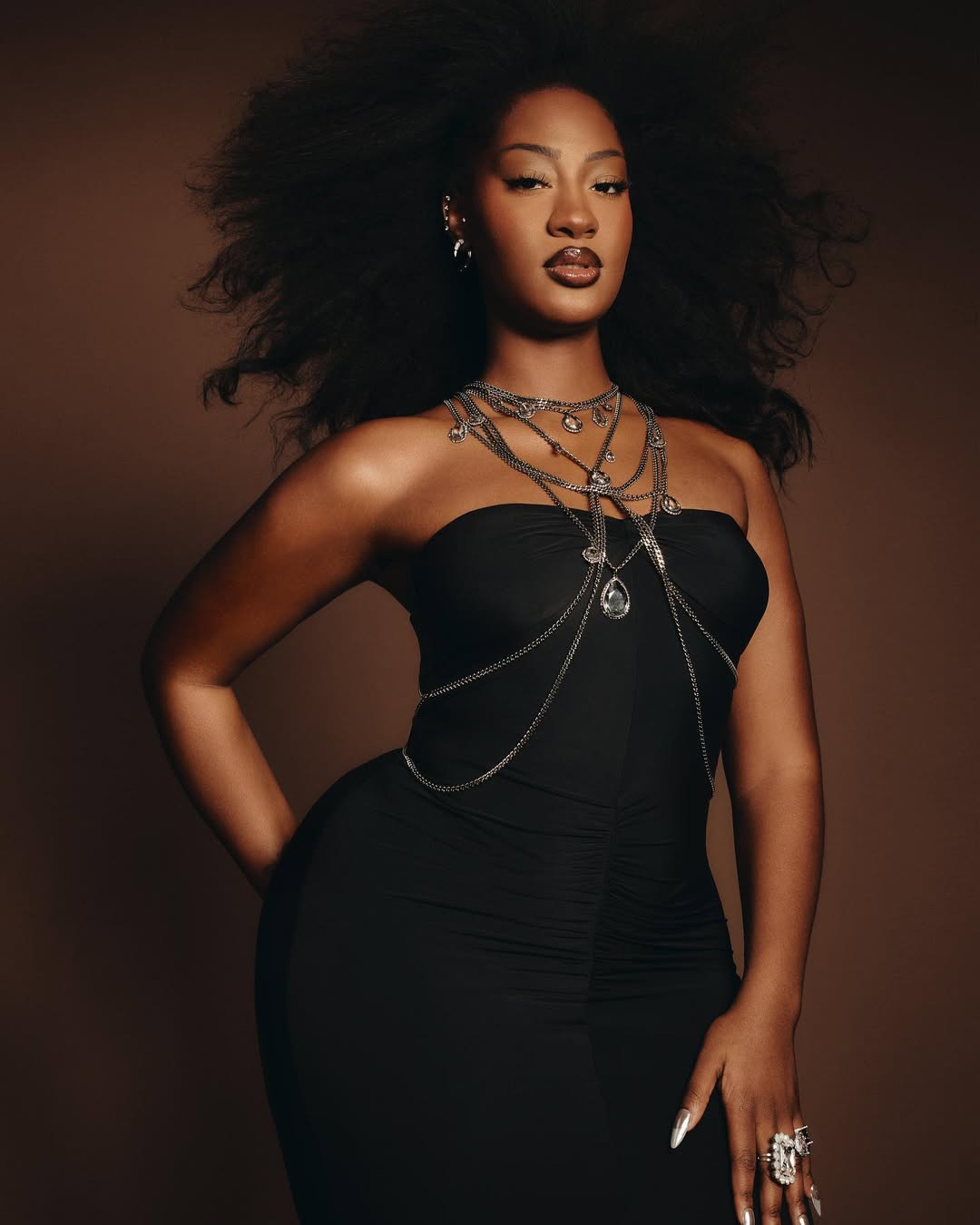
Mwasiti has long been one of Tanzania’s most respected music and digital personalities, with a presence that crosses music, commentary, and lifestyle content. Her audience responds to authenticity, performance quality, and a polished public image. That combination gives her room to operate beyond entertainment alone.
Additionally, Tanzanian audiences strongly support creators who bring a clear identity and cultural pride. Mwasiti can use that strength to build business lines around music releases, branded content, stage events, and paid appearances. Her influence also makes her valuable for campaigns targeting women and urban audiences.
Her future plans could include coaching, media hosting, or a fashion and beauty extension. Therefore, her platform can move from artist visibility to a broader creator business. That is the kind of multi-income structure many East African content creators now need.
What makes her commercially strong
- Music-driven audience: Loyal fans with strong engagement.
- Brand fit: Beauty, fashion, and lifestyle campaigns.
- Live value: Events, performances, and hosting work.
- Long-term brand: Strong potential for premium partnerships.
5. East African content creators to watch: Miss Trudy
Miss Trudy has built a travel and lifestyle brand that appeals to audiences looking for honest, practical, and fun storytelling. She stands out because she does not only entertain; she helps viewers imagine travel, home life, and digital work as part of a modern African lifestyle. That makes her a strong fit for advertisers and tourism partners.
Moreover, her content suits multiple revenue channels. She can earn from YouTube ads, affiliate partnerships, branded travel campaigns, and possibly digital guides or events. Her business model shows how a creator can become a trusted guide for audience decisions.
She also has room to grow into creator education, especially for women building online businesses. Consequently, her brand can scale through courses, collaborations, and live conversations. Explore more African creator stories as this space continues to grow.
Revenue mix and future options
- Ads: Long-form travel and lifestyle video revenue.
- Brand deals: Tourism, beauty, and consumer campaigns.
- Digital products: Travel guides or content templates.
- Live events: Speaking and creator meetups.
6. East African content creators to watch: Kitu Sewer
Kitu Sewer has helped shape Uganda’s digital comedy and youth culture space with content that speaks directly to online audiences. His strength lies in timing, humour, and a clear understanding of what the local internet crowd shares fastest. That gives him a strong platform for commercial growth.
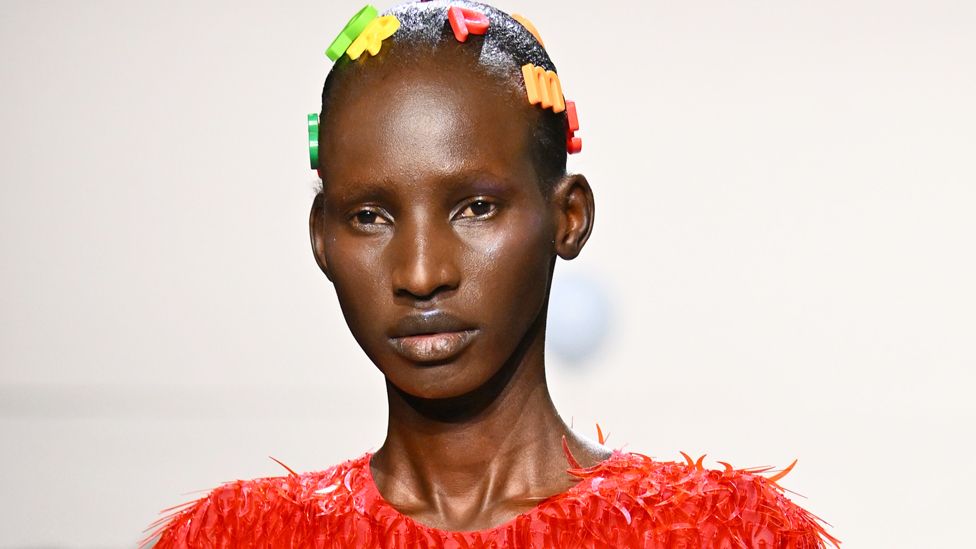
However, comedy creators often face the challenge of turning high engagement into steady income. Kitu Sewer can address that by pairing skits with sponsorships, merchandise, and live shows. He could also benefit from writing, directing, or producing content for other creators and brands.
His future likely includes more brand collaborations and event-based revenue. In Uganda, where entertainment audiences are highly active, that can become a durable business. This is where influencer culture meets practical entrepreneurship.
Business opportunities for comedy creators
- Brand deals: Mobile, fast-moving consumer, and youth brands.
- Live events: Comedy shows and campus activations.
- Merch: Catchphrase-based products and fan items.
- Training: Comedy writing or short-form video workshops.
Read more about Africa’s culture and creator trends in Culture & Lifestyle and Comedy.
7. East African content creators to watch: Muna Munesa
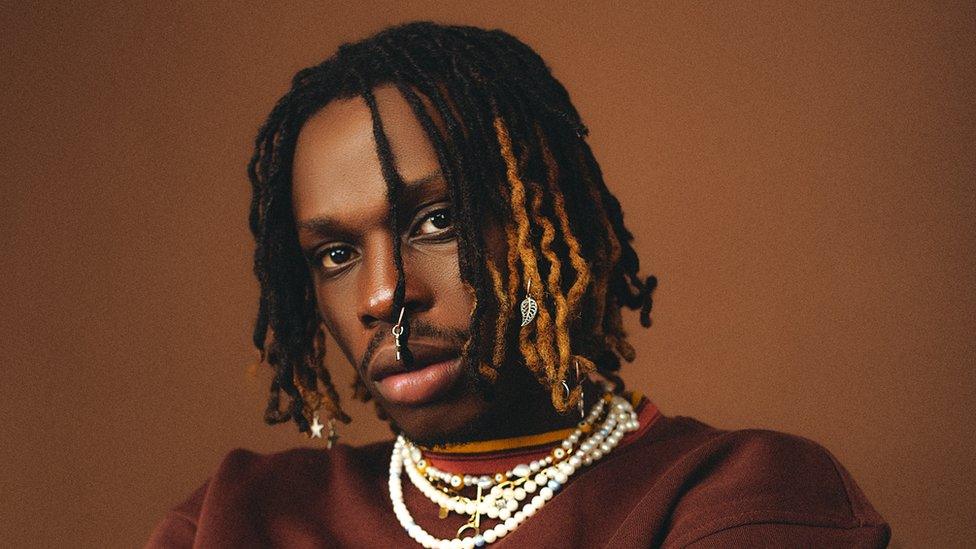
Muna Munesa is part of the growing Ethiopian digital wave that blends fashion, lifestyle, and visual storytelling. Her audience responds to presentation, consistency, and a modern style language that feels both local and global. That mix makes her a strong fit for beauty, fashion, and premium lifestyle brands.

Furthermore, Ethiopia’s creator economy has room for more business-focused profiles like hers. Creators who present clean visuals and strong personal branding can build value across Instagram, YouTube, and event-based partnerships. Muna’s brand can also expand into styling services or curated product lines.
Her future success will likely depend on productised content. That could mean digital style guides, paid partnerships, or a small fashion label. As a result, she reflects the next stage of East African content creators: audience first, business second, but both connected.
Why her profile matters
- Visual identity: Fashion and lifestyle content travels well.
- Commercial appeal: Strong fit for brands and retail.
- Expansion path: Styling, merch, or digital products.
- Regional value: Ethiopian creators bring a fresh market angle.
What these East African content creators teach the market
Importantly, the biggest lesson is not just about follower counts. It is about business design. These creators build trust first, then package that trust into products, services, and partnerships that keep earning beyond one viral moment.
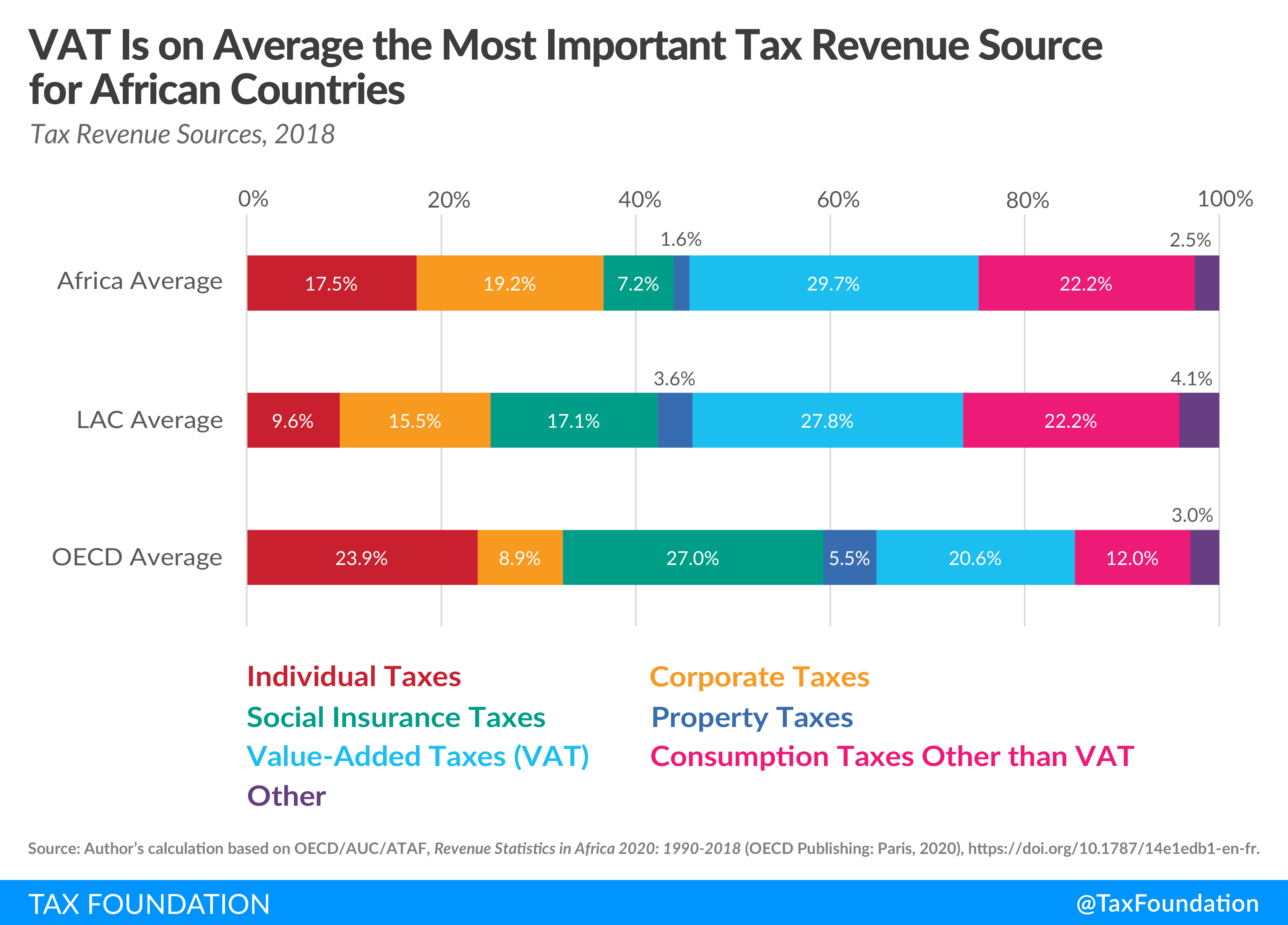
Similarly, they show how African creators can reduce risk by diversifying. Platforms change, algorithms shift, and ad income can fluctuate. Therefore, the best creators now combine digital visibility with direct sales, premium content, and offline experiences.
For African audiences, that means more than entertainment. It means seeing local creators as founders, educators, and media owners. That shift is already visible in the rise of local creator tools and monetisation platforms built for African realities.[1][2]
- Build a niche: Specific content attracts stronger brand fit.
- Own the audience: Use email, community groups, and direct channels.
- Mix income: Combine ads, deals, products, and services.
- Think long term: Create systems that work beyond trends.
Explore More on Topping Africa
Discover more stories that connect digital culture, business, and innovation across the continent.
- Technology & Innovation — creator tools, fintech, and African digital growth.
- Business & Economy — startup moves, small business ideas, and market shifts.
- Entertainment — music, stars, and influencer culture shaping Africa’s pop scene.
For broader creator economy context, see the creator monetisation discussion from Africa Business Heroes and the creator toolkit coverage around African payouts and digital sales.[1][2] You can also read more about how YouTube frames creator businesses in its own storytelling series.[3] Subscribe for more African creator spotlights, and leave a comment below with the East African creators you think should make the next list.

Staff
Contributing writer at Topping Africa.
0 Comments
No comments yet. Be the first to share your thoughts!