
7 African Athletes and Creators to Watch at Dakar 2026
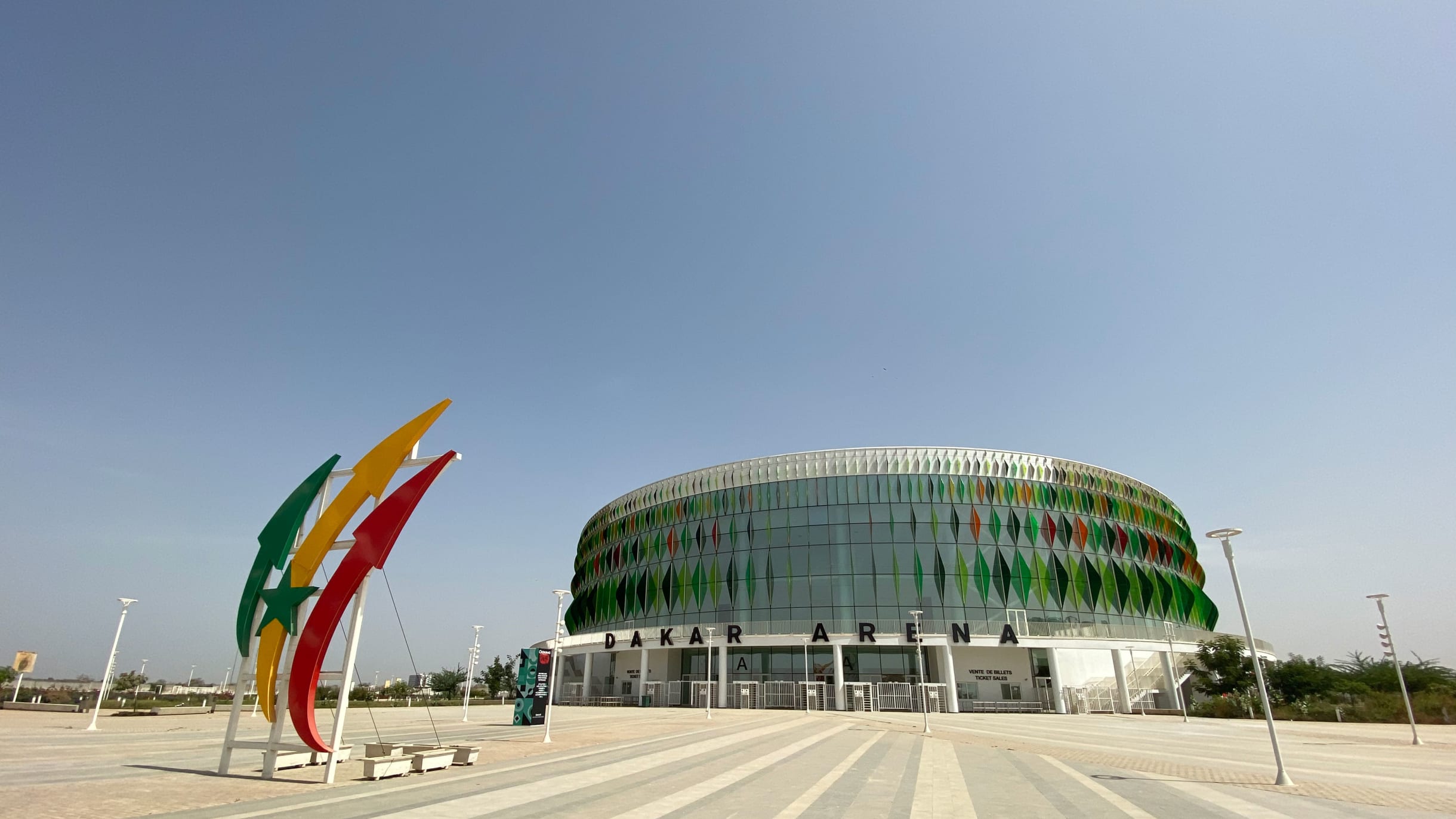
Meet seven African athletes and youth sports personalities to watch at Dakar 2026. Discover their performances, storytelling potential and the wider future of African sport.
African athletes to watch Dakar 2026 will bring speed, skill and fresh stories to the first Olympic sporting event held on African soil. From Kenya’s rising middle-distance talent to Nigeria’s sprint prospects, these young names could define a new era of African sport.
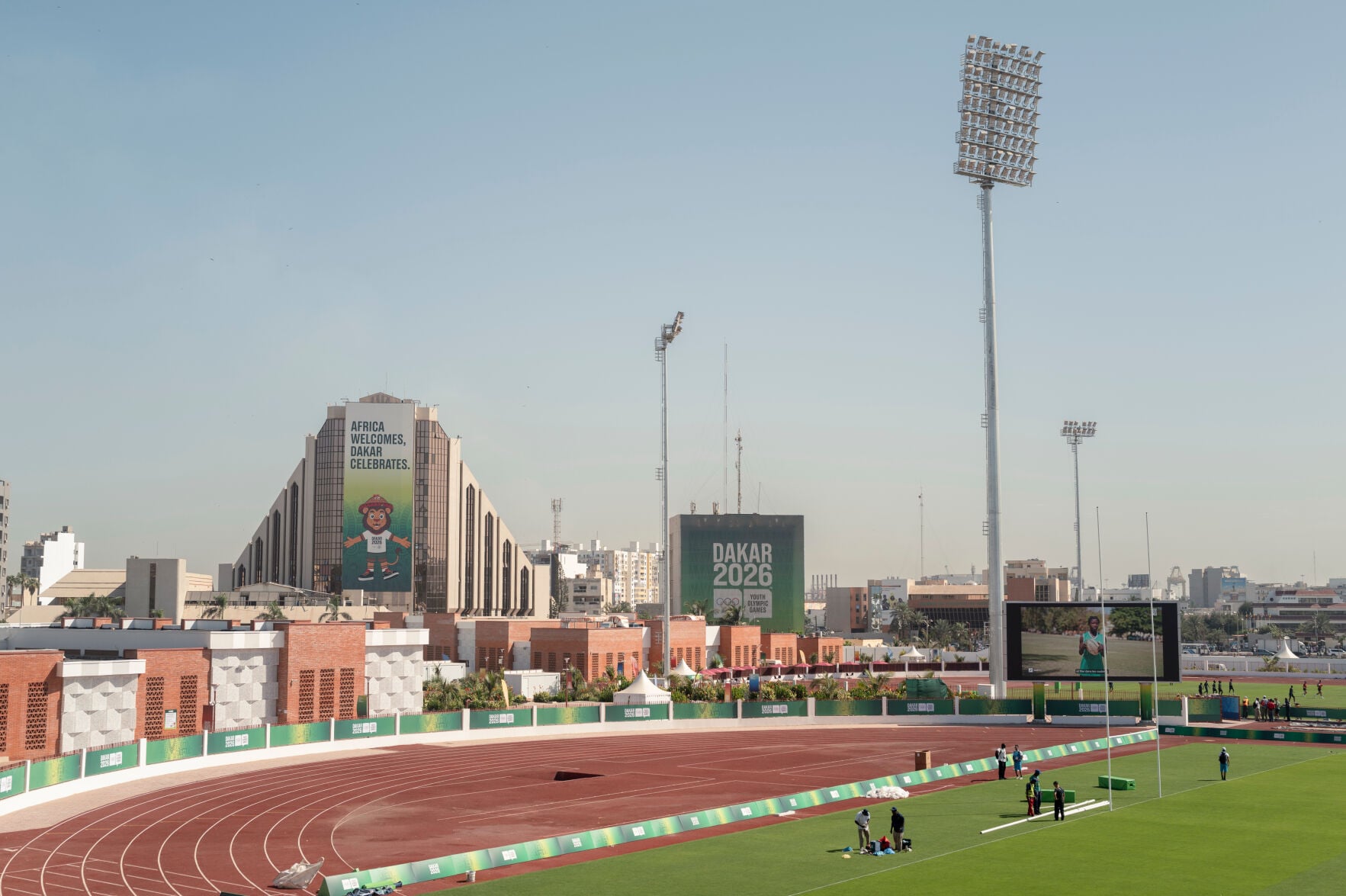
However, Dakar 2026 will offer more than medal races. The Youth Olympic Games will also create a powerful stage for athlete storytelling, short-form video and youth-led sports culture. The event runs from 31 October to 13 November 2026, with around 2,700 athletes competing across 25 sports.International Olympic Committee
Therefore, this guide combines performance clues with social-media potential. Some athletes already have major results, while others represent the kind of emerging talent that fans should follow before the spotlight grows brighter.
Why African athletes to watch Dakar 2026 matter
Dakar 2026 marks a major moment for African sport. The Games will connect young competitors with fans across the continent and introduce new audiences to sports beyond football.
Moreover, the event can help African athletes build personal brands early. A clear training story, a strong community and regular social updates can turn one race into a lasting career platform.
For young fans, the athletes below offer more than statistics. They show discipline, ambition and the value of local support systems. Explore more Sports coverage from Topping Africa for athlete stories, results and youth development features.
1. David Sekento — Kenya’s middle-distance prospect
Kenya’s David Sekento enters Dakar 2026 with one of the clearest performance records on this list. The 16-year-old won silver in the men’s 1500 metres at the 2026 World Athletics U20 Championships.
That result gives him valuable international experience before the Youth Olympic Games. Furthermore, his event fits Kenya’s deep tradition in middle- and long-distance running.
Sekento’s story has strong social-media appeal because fans can follow the full journey. Training sessions, race-day preparation and lessons from Kenyan running culture could create a powerful content series.
What to watch: His ability to manage pace, pressure and a busy championship schedule.
Story angle: A young Kenyan runner carrying a respected distance-running tradition into a new Olympic chapter.
2. Elsabet Amare — Ethiopia’s distance-running talent
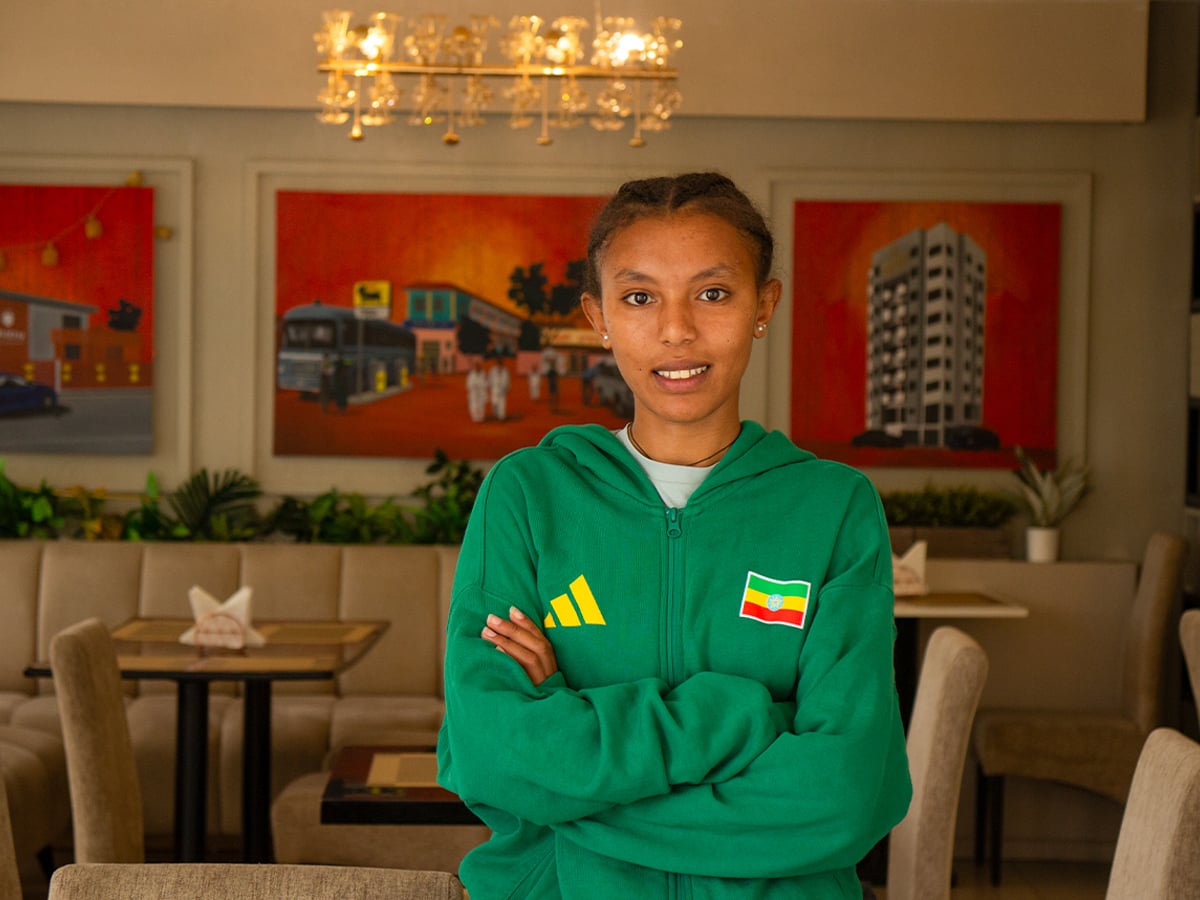
Elsabet Amare gives Ethiopia another strong name to follow in Dakar. She finished fourth in the women’s 1500 metres at the 2026 World Athletics U20 Championships.
Although fourth place missed the podium, the result shows that Amare can compete at a high level. Additionally, the 1500 metres rewards smart tactics, patience and a strong final lap.
Her profile could connect with audiences interested in women’s sport and the next generation of Ethiopian runners. Simple video diaries could highlight her training routine, race strategy and life as a young athlete.
In particular, her journey can help show that success does not always begin with a gold medal. Progress, resilience and learning also create stories worth sharing.
What to watch: Her finishing speed and response to the pressure of a home-continent Games.
Story angle: A rising Ethiopian athlete showing how women’s distance running continues to evolve.
3. Gift Bright — Nigeria’s sprint hopeful
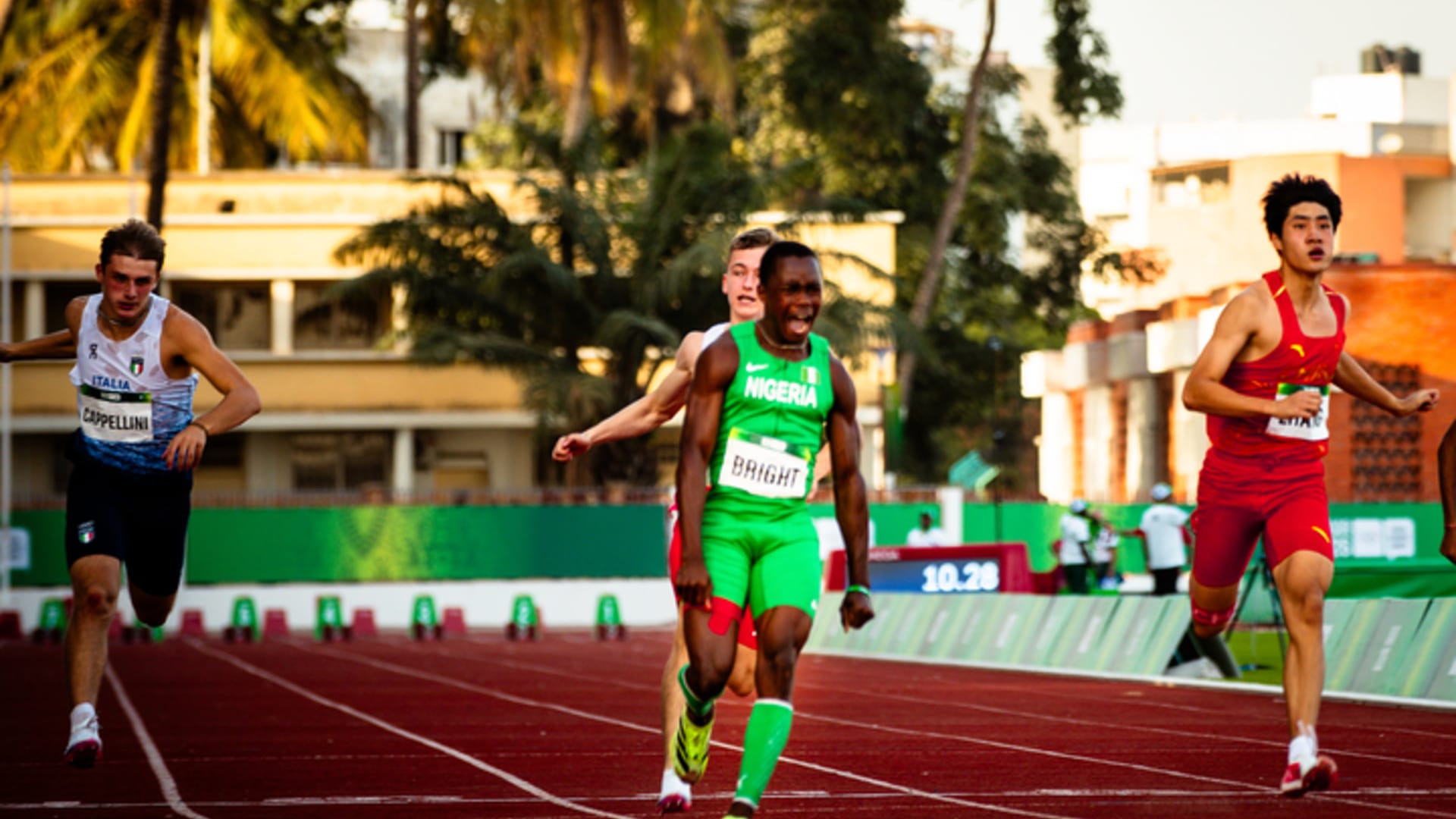
Nigerian sprinter Gift Bright has already posted a strong season-best time of 10.39 seconds in the men’s 100 metres. At 15, he represents the young speed talent emerging from Nigeria’s track system.
However, sprinting at a Youth Olympic Games requires more than raw pace. Bright will need a sharp start, calm race execution and the confidence to handle a major international crowd.
His content potential is immediate. A short series could track his starts, strength work, school balance and preparation for racing Africa’s best young sprinters.
Furthermore, Nigerian audiences respond strongly to quick, emotional sports content. One strong race could make Bright a widely recognised youth sports personality.
What to watch: His reaction time, final 40 metres and ability to stay relaxed in a high-pressure final.
Story angle: Nigeria’s next sprint generation using discipline and digital storytelling to build momentum.
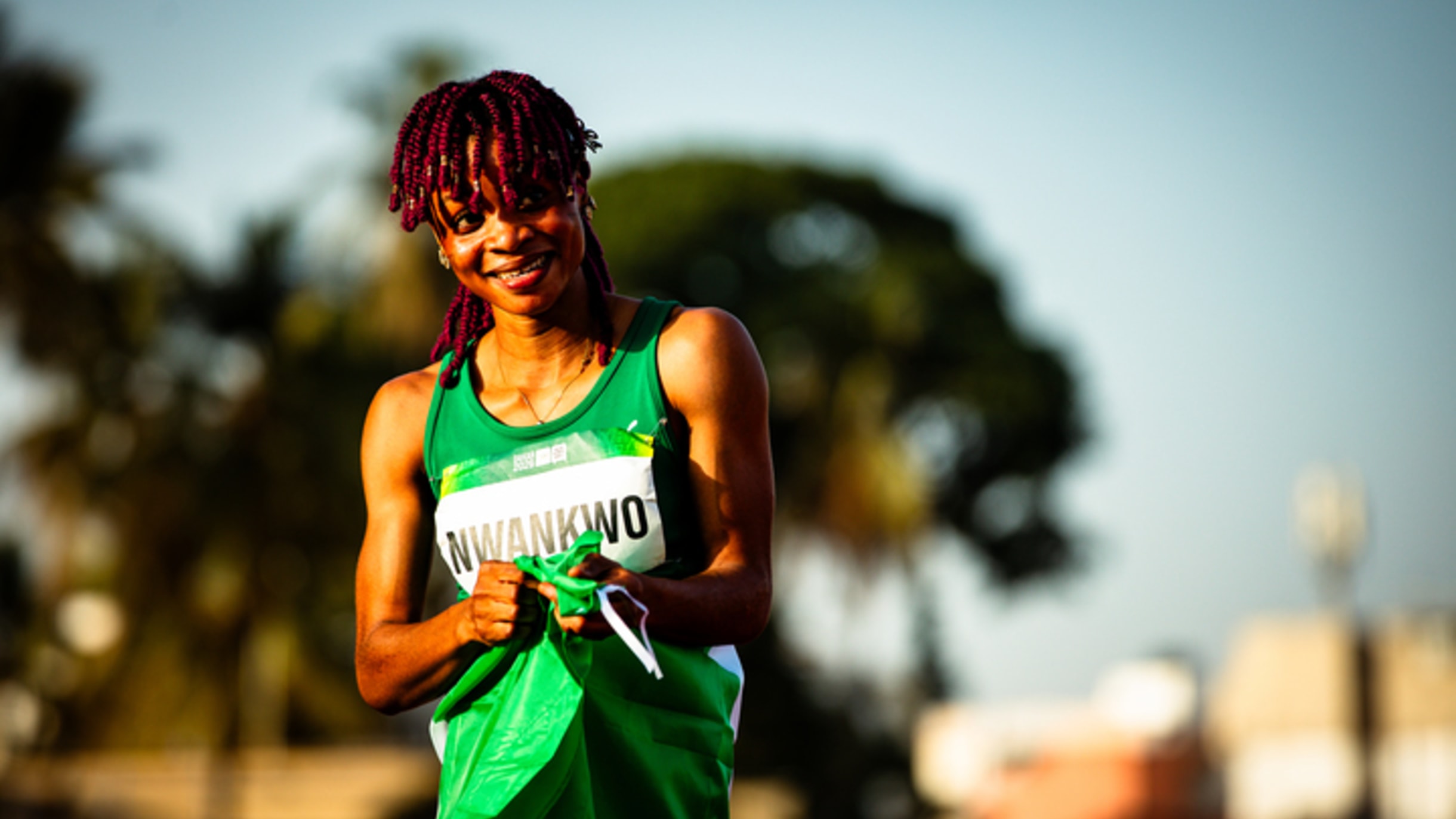
4. Rosemary Nwankwo — Nigeria’s women’s sprint voice
Rosemary Nwankwo adds a major women’s sprint story to this list. She recorded 11.34 seconds in the women’s 100 metres in July 2026, placing her among the African prospects worth following in Dakar.
That mark suggests strong speed, but the Youth Olympic stage will test her consistency. Moreover, women’s athletics needs more visible young role models who can connect with fans beyond competition day.
Nwankwo’s social presence could focus on preparation, confidence and the mental side of sprinting. Behind-the-scenes clips can make the sport feel more personal and accessible to younger viewers.
In addition, her journey can support a wider conversation about investment in girls’ sport. Coaches, schools and communities all play a role in helping talented young women reach global stages.
What to watch: Her start, lane discipline and ability to deliver under championship pressure.
Story angle: A Nigerian sprinter helping make women’s athletics more visible to the next generation.
5. Yomif Abebe — Ethiopia’s versatile runner
Yomif Abebe represents Ethiopia’s wide range of middle-distance talent. At Dakar 2026, he won the men’s 800 metres in a personal best of 1:48.99, according to Olympic coverage.
His result shows how quickly young athletes can develop at major events. Additionally, the 800 metres demands a rare mix of speed, endurance and tactical judgment.
Abebe’s performance also reflects Ethiopia’s strong presence in Dakar athletics. The country finished at the top of the athletics medal table, with five gold medals, while six African nations won 15 of the 36 athletics titles.
For content creators, his story offers a clear performance narrative. Fans can follow the difference between an 800-metre race and longer events, then learn how athletes prepare for each demand.
What to watch: His tactical growth and future movement between 800 metres and longer races.
Story angle: A personal-best performance that captures Africa’s growing depth in track competition.
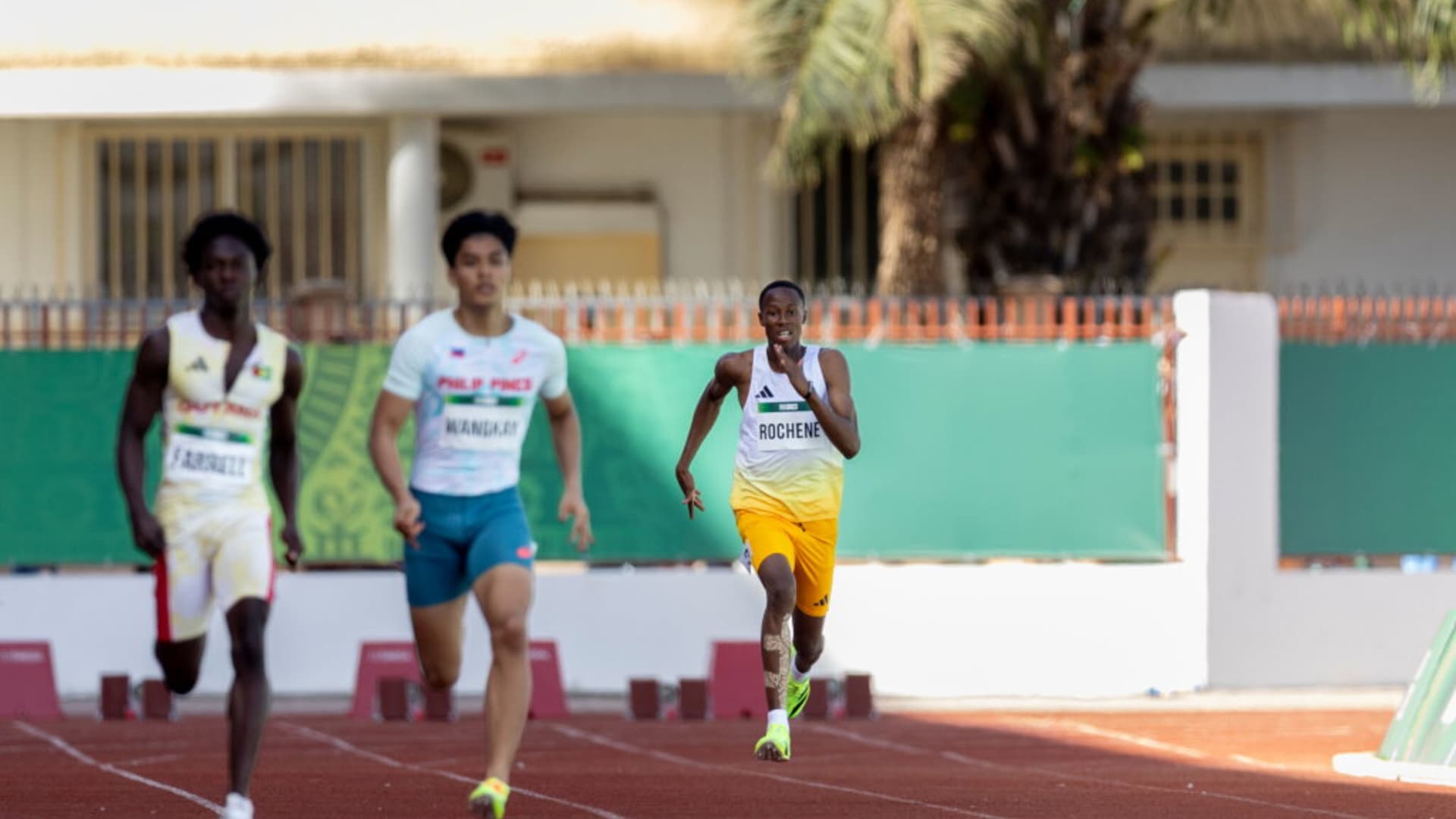
6. Rachid Rochene — a new voice from the Refugee Olympic Team
Rachid Rochene brings a different kind of sporting story to Dakar 2026. He competed as a sprinter for the Refugee Olympic Team, which featured six African athletes at the Games.
His presence shows how youth sport can create belonging across borders. Furthermore, the team’s athletes shared the Youth Olympic Village with competitors from around the world and learned from marathon champion Eliud Kipchoge.
Rochene’s story has clear creator potential because it combines sport, identity and hope. Short interviews, training clips and messages to young people facing difficult journeys can reach audiences well beyond athletics.
However, coverage should keep the focus on his talent and agency. He should appear as an athlete with goals, skills and a future, not only through the label attached to his team.
What to watch: His sprint development and the wider influence of the Refugee Olympic Team.
Story angle: A young African athlete showing how sport can build connection and opportunity.
7. Clement Niyomuhoza — Rwanda’s middle-distance storyteller
Clement Niyomuhoza competed for the Refugee Olympic Team as a middle-distance runner. His participation adds another important African youth voice to the Dakar 2026 story.
Middle-distance racing gives Niyomuhoza a strong platform for showing patience and courage. Moreover, his progress can help audiences understand how athletes prepare for races that demand both speed and endurance.
His social-media storytelling could include race plans, recovery habits and advice for young runners. A calm, honest approach would help fans connect with the work behind each performance.
In addition, Niyomuhoza’s story can encourage sports media to widen its coverage. African youth sport includes many athletes whose journeys deserve attention before they become global stars.
What to watch: His race tactics, confidence and continued development after Dakar.
Story angle: A determined young runner using international competition to build a new chapter.
How creators can tell better Dakar 2026 stories
Dakar 2026 will give creators a chance to move beyond medal reports. The strongest coverage will show preparation, personality and the community around each athlete.
For instance, creators can build a seven-part series, with one episode for each athlete. Each episode should answer three simple questions: Who is the athlete? What makes the event difficult? Why should a young African fan care?
- Show the process: Film warm-ups, travel days, recovery sessions and quiet moments before competition.
- Explain the event: Use simple graphics to explain sprint starts, middle-distance tactics and qualifying formats.
- Use local voices: Include coaches, teammates, parents and community sports leaders.
- Respect the athlete: Ask for consent before filming private moments or sharing personal details.
- Build lasting value: Turn one event into a follow-up series about school, training and future goals.
Meanwhile, athletes can use social platforms to share direct updates with fans. Short videos, photo essays and live conversations can make supporters feel part of the journey.
The best sports content feels close, clear and honest. It celebrates ambition without turning young athletes into online products.
What African fans should watch beyond athletics
Although athletics will attract major attention, Dakar 2026 includes 25 competition sports. The programme also features breaking, skateboarding, 3x3 basketball, boxing, swimming, judo, taekwondo, wrestling, rugby sevens and beach volleyball.
Therefore, fans should look beyond familiar names. The Games can introduce new African personalities in creative sports, combat sports and team events.
Explore Topping Africa’s Technology coverage for stories on sports apps, creator tools and positive African innovation. You can also discover more youth-focused features in Culture & Lifestyle.
Additionally, follow official schedules and results through Dakar 2026 results and schedules. This helps fans track emerging stars across the full programme.
Why Dakar 2026 could shape Africa’s sports future
Dakar 2026 can strengthen Africa’s sports pipeline by giving young athletes high-level experience at home. It can also show families that sport offers paths into coaching, media, fitness, education and business.
Furthermore, the event can inspire better links between schools, clubs and digital platforms. Young athletes need safe training spaces, skilled coaches and access to reliable information.
For brands and creators, the opportunity is equally clear. Support should include fair partnerships, useful equipment, travel help and long-term development rather than one-off publicity.
Ultimately, the athletes above represent more than possible medal winners. They are storytellers, role models and future leaders in African sport.
Explore More on Topping Africa
- Sports — Follow African athletes, competitions and youth development stories.
- Technology — Discover tools shaping sports media, creator culture and fan engagement.
- Culture & Lifestyle — Read stories about African identity, youth culture and rising public figures.
Share your thoughts: Which African athlete should fans follow most closely at Dakar 2026? Leave a comment below and share this guide with someone who loves African sport.
Final takeaway
The African athletes to watch Dakar 2026 offer speed, courage and fresh possibilities. David Sekento, Elsabet Amare, Gift Bright, Rosemary Nwankwo, Yomif Abebe, Rachid Rochene and Clement Niyomuhoza each bring a different story to the Games.
Nevertheless, their journeys will not end when the final race finishes. Subscribe for more African sports features, discover rising creators and read more about the people shaping the continent’s next big moment.

Staff
Contributing writer at Topping Africa.
0 Comments
No comments yet. Be the first to share your thoughts!