10 Most Developed Cities in Africa: The Business Hubs Driving Innovation and Growth
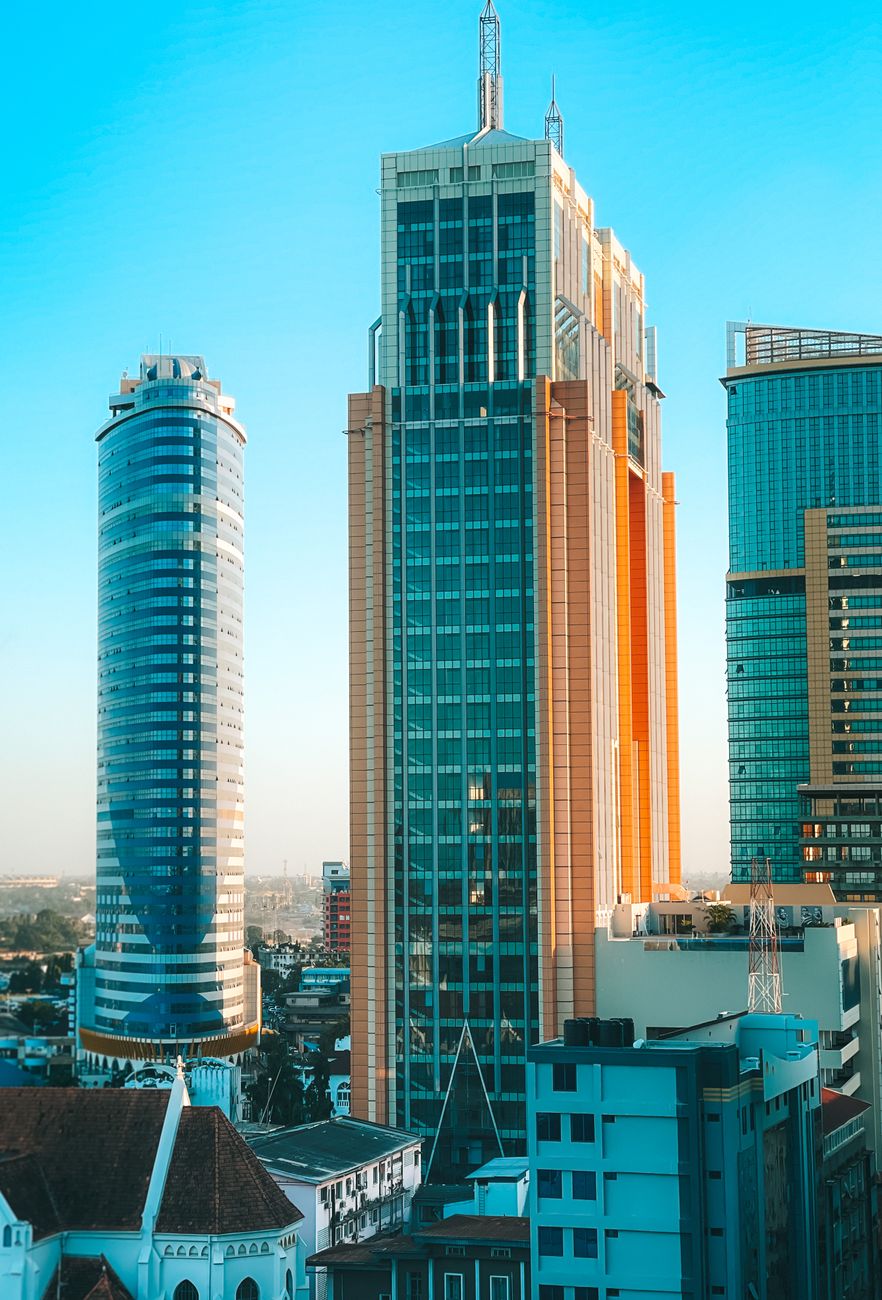
Africa's most developed cities are reshaping global business, culture, and innovation. From Nairobi's Silicon Savannah to Lagos's $2-billion startup economy, this guide ranks ten cities by infrastructure, investment, digital access, and real opportunities for entrepreneurs and creators — with concrete data and honest trade-offs you won't find in a generic listicle.
The most developed cities in Africa are no longer just regional capitals — they are global-stage competitors attracting venture capital, nurturing world-class creators, and building the infrastructure that defines 21st-century economies. From fiber-lit tech corridors in Nairobi to fintech skyscrapers in Lagos, the continent's leading cities are rewriting the rules of what African innovation looks like. This guide cuts through the noise to rank ten cities by what actually matters: startup density, digital infrastructure, investment flows, and real opportunities for entrepreneurs and creators building careers right now.
How We Ranked These Cities
Rankings here are based on four measurable pillars: infrastructure quality (roads, power reliability, broadband penetration), startup ecosystem depth (number of funded startups, accelerators, co-working spaces), digital access (mobile internet speed, 4G/5G coverage), and investment activity (VC funding received in the last three years). Cities that score well on all four pillars — not just one — rank highest. A city with a booming fintech scene but chronic power outages scores lower than one with balanced scores across the board. That trade-off is real, and it matters enormously for creators and entrepreneurs deciding where to base their work.
Data draws on the StartupBlink Global Ecosystem Report, the International Finance Corporation's Africa investment data, and GSMA's Mobile Economy Sub-Saharan Africa report. Numbers cited reflect the most recent available figures as of 2025.
The 10 Most Developed Cities in Africa for Business and Innovation
1. Nairobi, Kenya — Silicon Savannah's Undisputed Capital
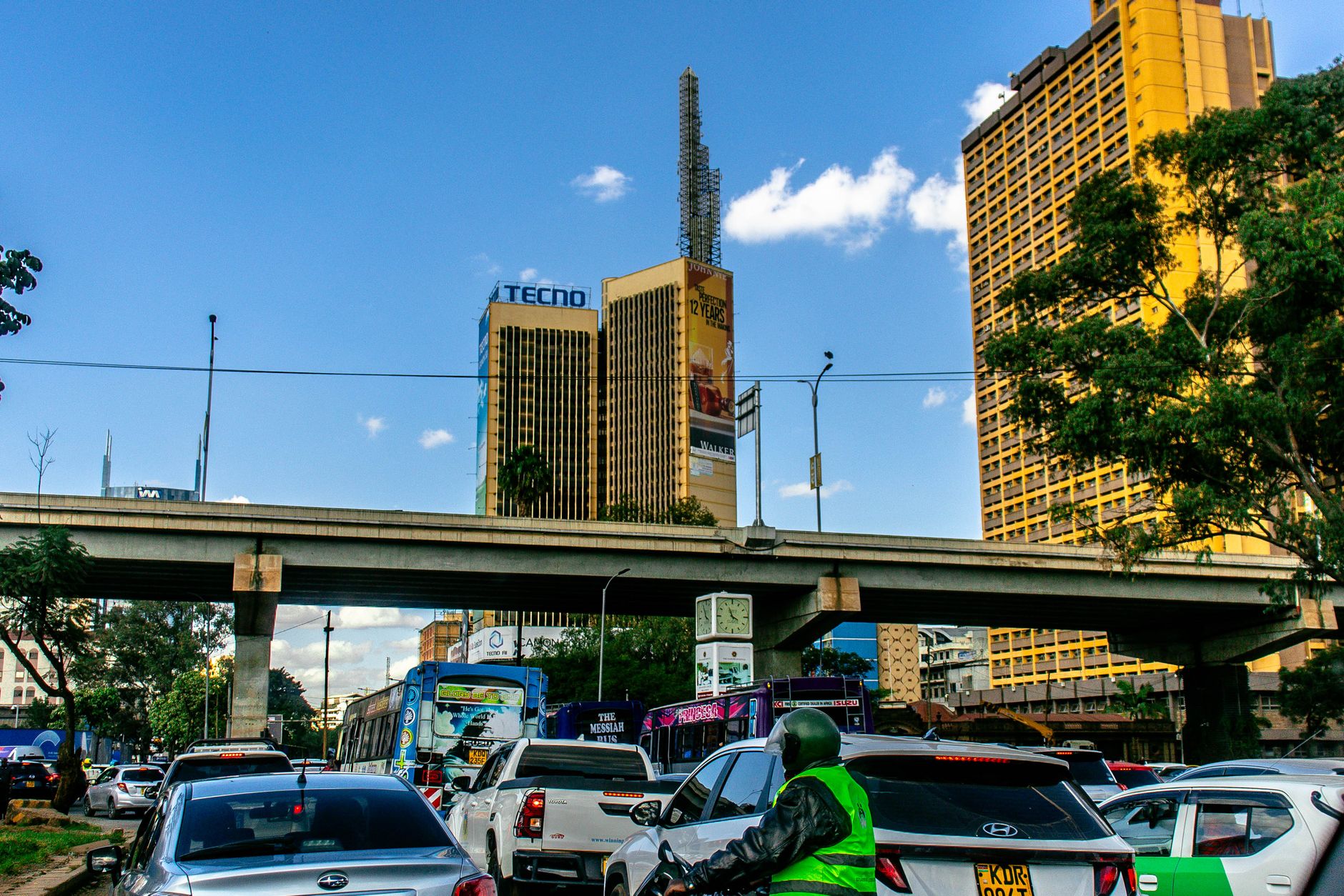
Nairobi holds the top spot because it scores highest across all four pillars simultaneously. The city hosts over 200 active tech startups, anchored by the iHub innovation hub and a dense cluster of accelerators including Antler East Africa and GrowthAfrica. Mobile money infrastructure — built on M-Pesa's backbone — gives entrepreneurs payment rails that most Western cities only recently matched. Broadband penetration in the CBD exceeds 85%, and 4G coverage reaches roughly 93% of the urban population.
For creators specifically, Nairobi offers a mature influencer economy. Brands like Safaricom and Equity Bank run structured creator partnership programs with defined rate cards. The common mistake newcomers make is underpricing — Nairobi-based creators with 50K engaged followers can command $300–$800 per sponsored post from regional brands. Know your worth before you pitch.
- Top sectors: Fintech, agritech, healthtech, creative media
- Key accelerators: iHub, Antler East Africa, GrowthAfrica
- Average mobile internet speed: ~28 Mbps (Ookla, 2024)
- VC funding received (2022–2024): ~$1.2 billion
Discover the African startups reshaping tech on our 25 African Startups to Watch list — several are headquartered right here in Nairobi.
2. Lagos, Nigeria — The Continent's Largest Startup Economy
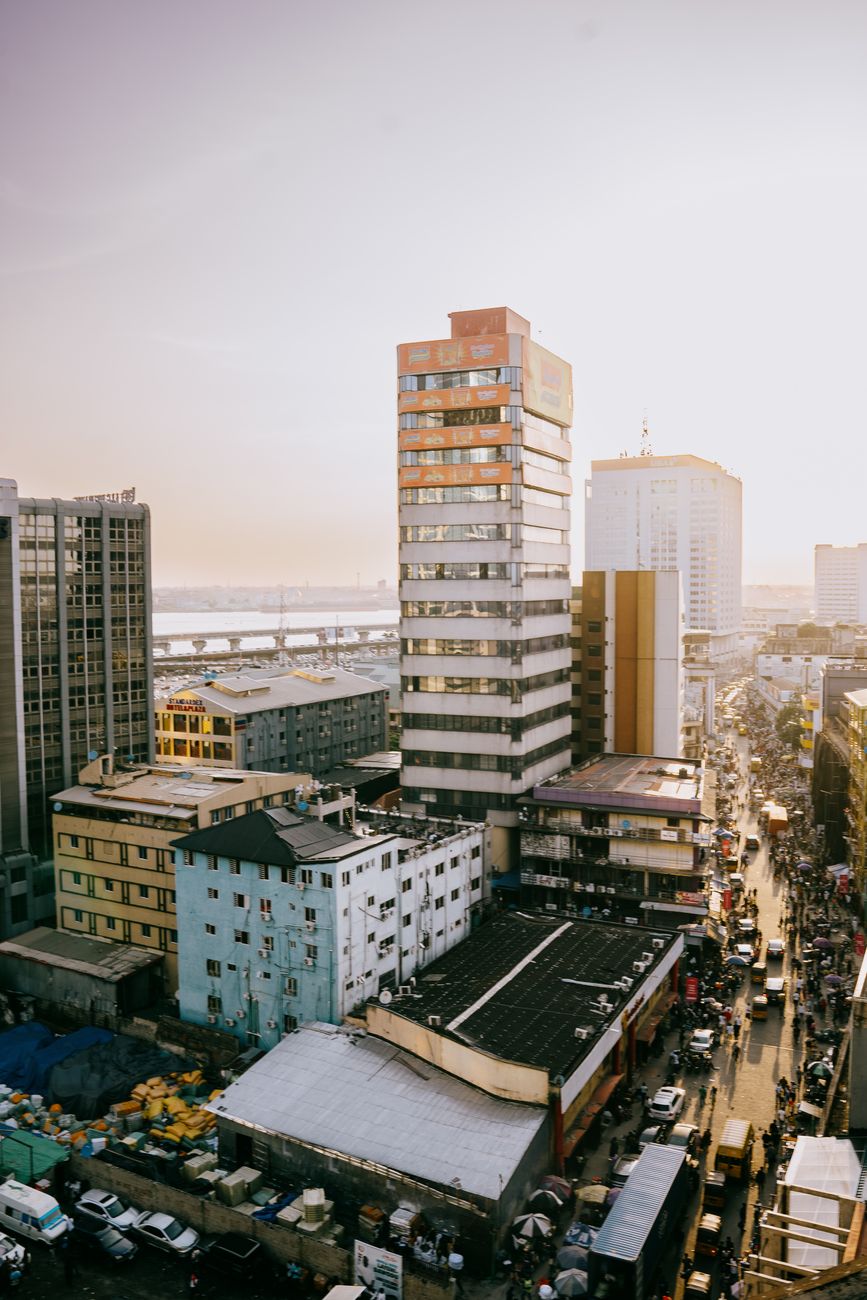
Lagos is Africa's most populous city and its most funded startup ecosystem. Between 2022 and 2024, Lagos-based startups raised over $2.1 billion in disclosed VC funding, more than any other African city. Flutterwave, Paystack, and Moniepoint all grew their core teams here. The Yaba district — nicknamed "Yabacon Valley" — packs over 300 tech companies into a few square kilometers, creating a density of talent and deal flow that rivals Nairobi.
The honest trade-off? Infrastructure reliability remains Lagos's Achilles heel. Power outages average 12–18 hours per day in many districts, pushing serious businesses to spend $400–$1,200 monthly on diesel generators or solar inverter systems. Broadband is fast where it exists — fiber providers like Spectranet and ipNX deliver 50–100 Mbps in commercial zones — but coverage gaps in residential areas are real. Entrepreneurs who plan for the power gap rather than hoping it disappears thrive here.
- Top sectors: Fintech, e-commerce, media and entertainment, logistics
- Key hubs: Co-Creation Hub (CcHUB), Ventures Platform, Techpoint
- Creator economy strength: Highest YouTube and TikTok creator density in Africa
- VC funding received (2022–2024): ~$2.1 billion
Read how Nigerian creators are building real income streams in our guide on how much content creators make in Africa.
3. Cape Town, South Africa — Design, Film, and Deep Tech
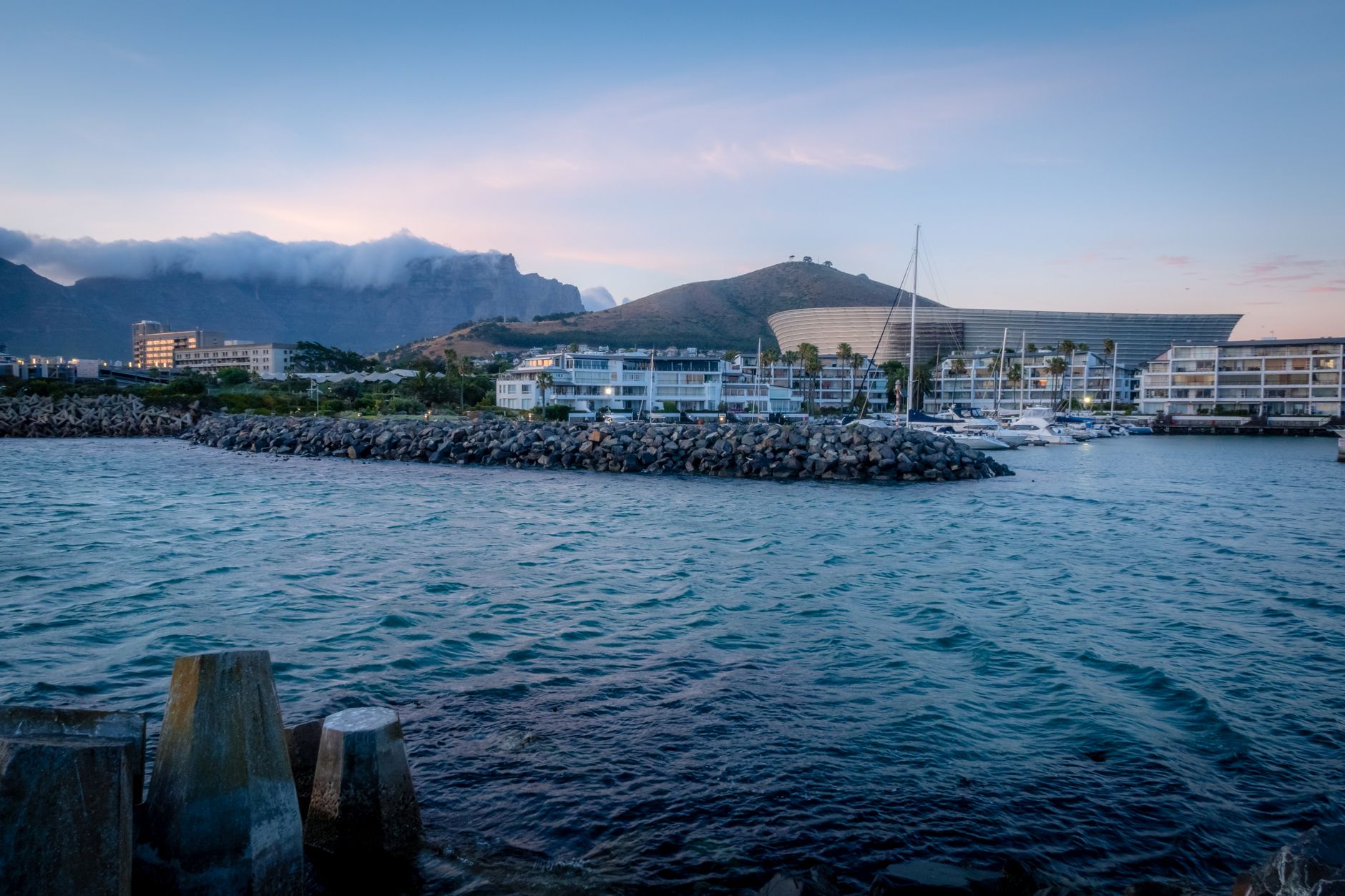
Cape Town punches above its population weight. The city is home to Africa's most mature venture capital infrastructure — funds like Knife Capital, 4Di Capital, and Quona Capital operate locally — and its startup legal and accounting ecosystems are the most sophisticated on the continent. Entrepreneurs can incorporate a company, open a business bank account, and close a seed round faster in Cape Town than almost anywhere else in Africa.
The film and creative sector is equally powerful. Cape Town's production infrastructure — studios, post-production houses, and a trained crew base — draws international productions worth hundreds of millions of rand annually. South Africa's film incentive program, which rebates up to 35% of qualifying spend, makes the city a magnet for global streamers. Read our full breakdown of what the South Africa Film Incentive means for African creators.
- Top sectors: Fintech, deep tech, film and media, tourism tech
- Key accelerators: Endeavor South Africa, Grindstone, LaunchLab
- Average fixed broadband speed: ~62 Mbps
- VC funding received (2022–2024): ~$800 million
4. Johannesburg, South Africa — Finance Capital of the Continent

Johannesburg hosts the Johannesburg Stock Exchange (JSE), the largest stock exchange in Africa by market capitalization at roughly $1.1 trillion USD. That financial gravity pulls every major African bank, insurer, and asset manager into the city. For entrepreneurs seeking institutional capital — not just VC — Joburg is unmatched. The Sandton CBD is effectively Africa's Wall Street, and proximity to that capital ecosystem accelerates fundraising timelines dramatically.
The city's creative scene is also surging. Joburg is the setting for a growing wave of African film and television — including productions like The Drop, the South African crime comedy that put the city's streets on a global streaming platform. See how Johannesburg is becoming a global film backdrop. For creators, this means real on-set work, brand partnership deals tied to productions, and a growing local audience hungry for city-specific content.
- Top sectors: Financial services, mining tech, media, retail tech
- Key hubs: The Innovation Hub, Tshimologong Digital Innovation Precinct
- JSE market cap: ~$1.1 trillion USD
5. Accra, Ghana — West Africa's Most Business-Friendly Capital
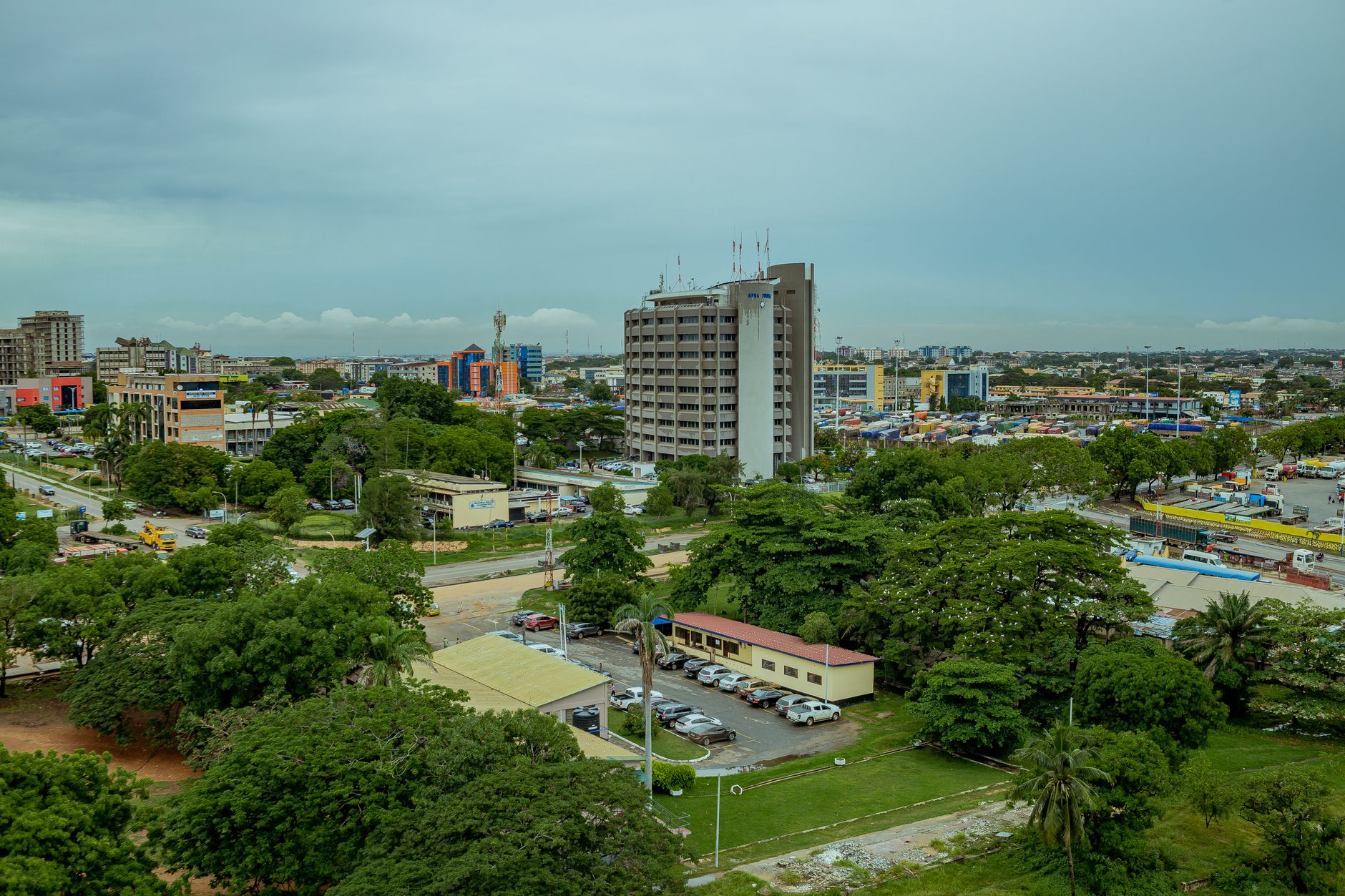
Accra earns its place through consistent policy stability and ease of doing business — a combination rarer on this list than it should be. Ghana's Ghana.gov.gh digital services portal lets entrepreneurs register a business entirely online in under 48 hours. The country's political stability (peaceful democratic transitions since 1992) means investors price in lower political risk than in many peer markets. That discount translates into more favorable investment terms for founders.
The tech ecosystem is smaller than Lagos or Nairobi in absolute terms but growing fast. Accra-based startups raised roughly $280 million between 2022 and 2024, led by fintech players like Zeepay and Hubtel. The city also benefits from a strong diaspora connection — the "Year of Return" campaign brought thousands of African Americans and Caribbean nationals to Ghana, many of whom stayed and launched businesses. That diaspora energy fuels Accra's creative economy in ways that pure VC numbers don't capture.
- Top sectors: Fintech, agritech, creative industries, tourism
- Key accelerators: MEST Africa, Impact Hub Accra
- Business registration time: Under 48 hours (online)
- VC funding received (2022–2024): ~$280 million
6. Kigali, Rwanda — Africa's Cleanest and Most Wired City
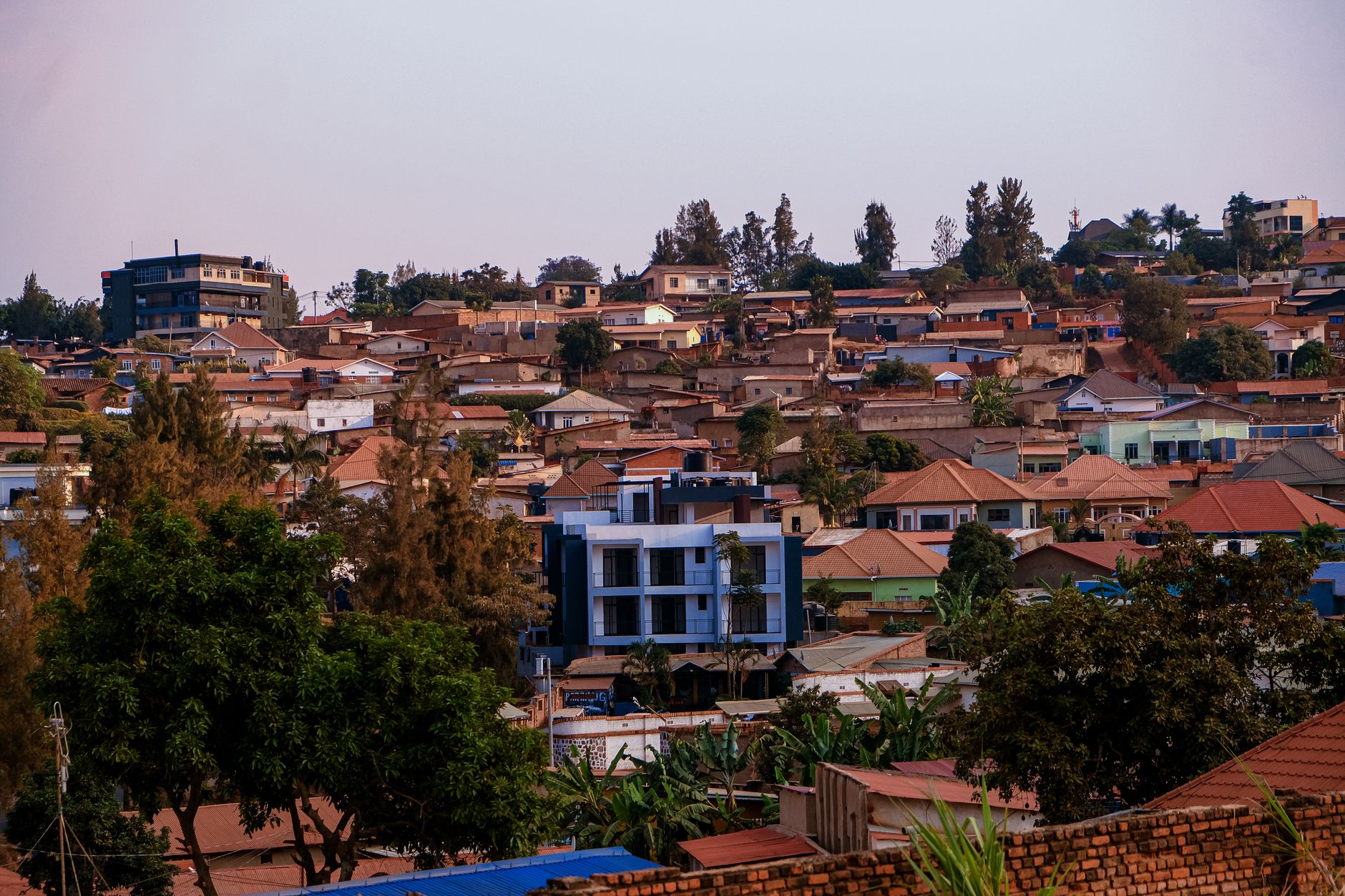
Kigali is the outlier on this list — a small city of roughly 1.7 million people that consistently outperforms cities five times its size on governance and digital infrastructure. Rwanda ranks first in Africa for internet freedom (Freedom House, 2024) and has deployed fiber-optic cable to over 95% of its urban districts. The government's Vision 2050 plan explicitly targets making Kigali a continental tech hub, and it is backing that ambition with action: zero corporate tax for tech companies in the Kigali Innovation City special economic zone.
The trade-off is market size. Rwanda's domestic consumer market is small, so startups that succeed here almost always need a regional expansion strategy from day one. Build for Rwanda, then scale to East Africa — that's the playbook that works. For creators, Kigali's clean urban environment and world-class conference facilities (including the Kigali Convention Centre) make it the premier destination for African creator summits and brand activations.
- Top sectors: Govtech, logistics, tourism tech, cleantech
- Key incentive: 0% corporate tax in Kigali Innovation City SEZ
- Internet freedom rank: 1st in Africa (Freedom House, 2024)
7. Cairo, Egypt — North Africa's Dominant Tech and Media Giant
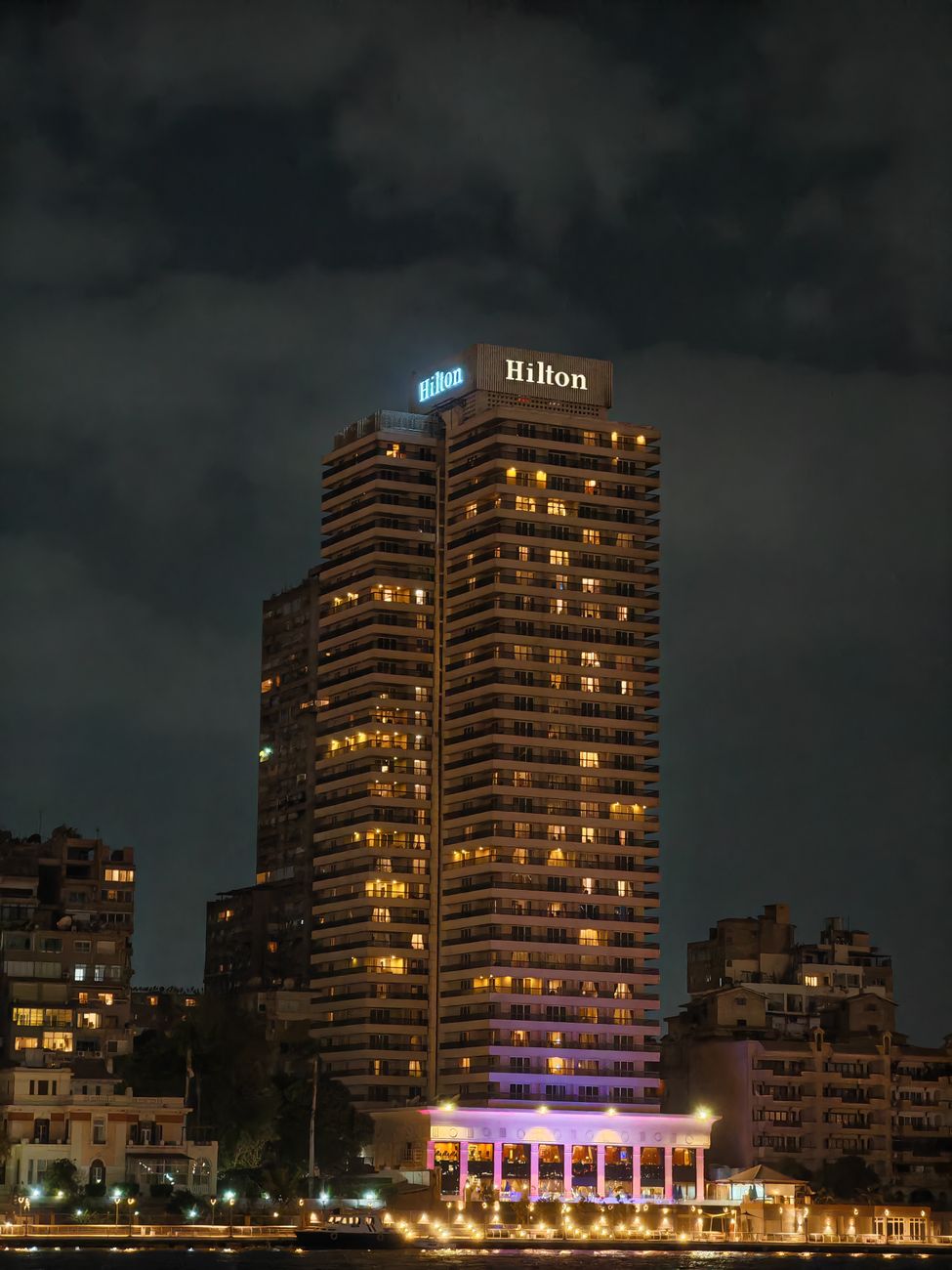
Cairo is Africa's most populous city and its most underrated tech ecosystem. Egyptian startups raised over $870 million in 2023 alone, driven by a young population of 105 million and rapidly rising smartphone penetration. The government's Egypt Vision 2030 plan has poured investment into smart city infrastructure in New Cairo and the New Administrative Capital — a purpose-built city rising east of Cairo that will eventually house 6.5 million people.
For creators, Cairo is the Arab world's media capital. Egyptian film, music, and television reach 400 million Arabic speakers globally. A creator who builds an audience in Cairo has natural reach across North Africa, the Levant, and the Gulf — a combined market that dwarfs most African cities' domestic audiences. The challenge is that Egypt's creator monetization infrastructure (brand deal rates, platform payouts) lags behind its audience size, meaning the revenue-per-follower ratio is lower than in Nairobi or Cape Town. Close that gap by targeting international brands, not just local ones.
- Top sectors: Fintech, e-commerce, media, edtech
- Key accelerators: Flat6Labs, Falak Startups, AUC Venture Lab
- VC funding received (2023): ~$870 million
- Arabic-speaking audience reach: ~400 million people
8. Dar es Salaam, Tanzania — East Africa's Rising Port Economy
Dar es Salaam is the commercial engine of Tanzania, a country whose GDP has grown at 6–7% annually for over a decade — one of the most consistent growth rates in Africa. The city's port handles roughly 95% of Tanzania's trade and serves as a gateway for landlocked neighbors including Uganda, Rwanda, Burundi, and Zambia. That logistics centrality creates real opportunity in supply chain tech, last-mile delivery, and trade finance.
The startup ecosystem is earlier-stage than Nairobi or Lagos, which means lower competition for talent and lower office costs — a genuine advantage for early-stage founders watching burn rates. Mobile penetration is high (roughly 80% of adults have a mobile money account), and the government's National ICT Broadband Backbone has connected all 26 regions with fiber. Dar es Salaam rewards patient builders over quick flippers.
- Top sectors: Logistics tech, agritech, fintech, blue economy
- GDP growth rate: 6–7% annually (World Bank)
- Mobile money penetration: ~80% of adults
9. Abidjan, Côte d'Ivoire — Francophone Africa's Business Gateway
Abidjan is the financial and commercial capital of Francophone West Africa, a market of roughly 400 million French-speaking consumers across 17 countries. The city's Plateau district houses the headquarters of major French, Lebanese, and increasingly Chinese conglomerates. For entrepreneurs targeting Francophone Africa — a market massively underserved by English-language tech products — Abidjan is the logical base. The CFA franc's historical peg to the euro also reduces foreign exchange risk for businesses trading with Europe.
The creator economy here is nascent but accelerating fast. Ivorian music — afrobeats, coupé-décalé, and zouglou — has global reach, and Abidjan-based artists are increasingly signing international distribution deals. Brands looking to reach Francophone Africa run their influencer campaigns through Abidjan-based creators. Rates are lower than Lagos or Nairobi right now, but the growth trajectory makes early positioning smart.
- Top sectors: Agribusiness, fintech, logistics, creative industries
- Francophone market reach: ~400 million consumers across 17 countries
- Key accelerator: Orange Fab Africa, Akendewa
10. Addis Ababa, Ethiopia — A Giant Awakening
Addis Ababa closes the list as the highest-upside city — a place where the gap between current development and future potential is widest. Ethiopia has a population of 130 million people, the second-largest in Africa, and Addis Ababa is its sole major city. The government's recent telecom liberalization — breaking the state monopoly and licensing Safaricom Ethiopia — is injecting competition and capital into a market that was completely closed five years ago.
The honest caveat: political instability in the Tigray region and ongoing governance challenges have made international investors cautious. Infrastructure outside the capital remains thin. But for entrepreneurs with a long time horizon and high risk tolerance, Addis Ababa's scale is unmatched. A fintech product that captures just 5% of Ethiopia's unbanked population serves more users than the entire populations of Rwanda and Ghana combined. The risk is real — but so is the prize.
- Top sectors: Fintech, agritech, logistics, manufacturing
- Population: 130 million (2nd largest in Africa)
- Key development: Telecom liberalization, Safaricom Ethiopia launch
- Key risk: Political instability; plan for operational disruption
Opportunities for African Creators Across These Cities
Every city on this list offers distinct opportunities for African creators — but the smartest creators don't limit themselves to one city's ecosystem. A Lagos-based creator with a YouTube channel can pitch Nairobi-headquartered brands for East African campaigns. A Kigali filmmaker can apply for Cape Town's production incentives. The continent's creator economy is increasingly borderless, and the platforms enabling that are growing fast. Explore the best social media platforms for African creators in 2026 to understand where your audience actually lives.
Entrepreneurs building businesses in these cities should also actively pursue funding beyond friends and family. Grants, accelerators, and pitch competitions are more accessible than most founders realize. Browse African entrepreneurship opportunities for 2026 — including grants and accelerator programs open right now across these cities.
The Bottom Line: Choose Your City With Intention
There is no single "best" city for every founder or creator. Nairobi wins on ecosystem maturity. Lagos wins on market size and funding volume. Cape Town wins on infrastructure reliability and creative industry depth. Kigali wins on governance and digital access. The right city depends on your sector, your risk tolerance, and your target market.
What these ten cities share is momentum. Each is building something the continent has never had before — and the creators, entrepreneurs, and innovators who show up early will shape what comes next. Discover the people already doing it across Africa's most dynamic cities by exploring the African creators directory on Topping Africa. If you're building something worth knowing about, get your work in front of the right audience — the continent is watching.
Staff
Contributing writer at Topping Africa.
0 Comments
No comments yet. Be the first to share your thoughts!