
Why African Creators Are Driving the Next Wave of AI and Video Startups
African creators are turning AI-powered short-form video, translations, and analytics into real media businesses. Discover how the African creator economy AI startups wave is reshaping influence, income, and innovation across the continent.
How the African creator economy AI startups boom is changing your feed
You are living through a wild shift where the African creator economy AI startups wave is reshaping what you watch, share, and build online. Moreover, African content creators, editors, and founders now use AI tools to scale short-form video, local translations, and global audience growth at record speed. Consequently, the same creator who edited on a basic smartphone two years ago can now run a lean, AI-powered media startup. In addition, investors and tech giants are finally paying attention to this new creative engine coming out of Lagos, Nairobi, Cape Town, Accra, and beyond. Ultimately, if you create, manage talent, or build products in Africa, understanding this shift is now a serious advantage.
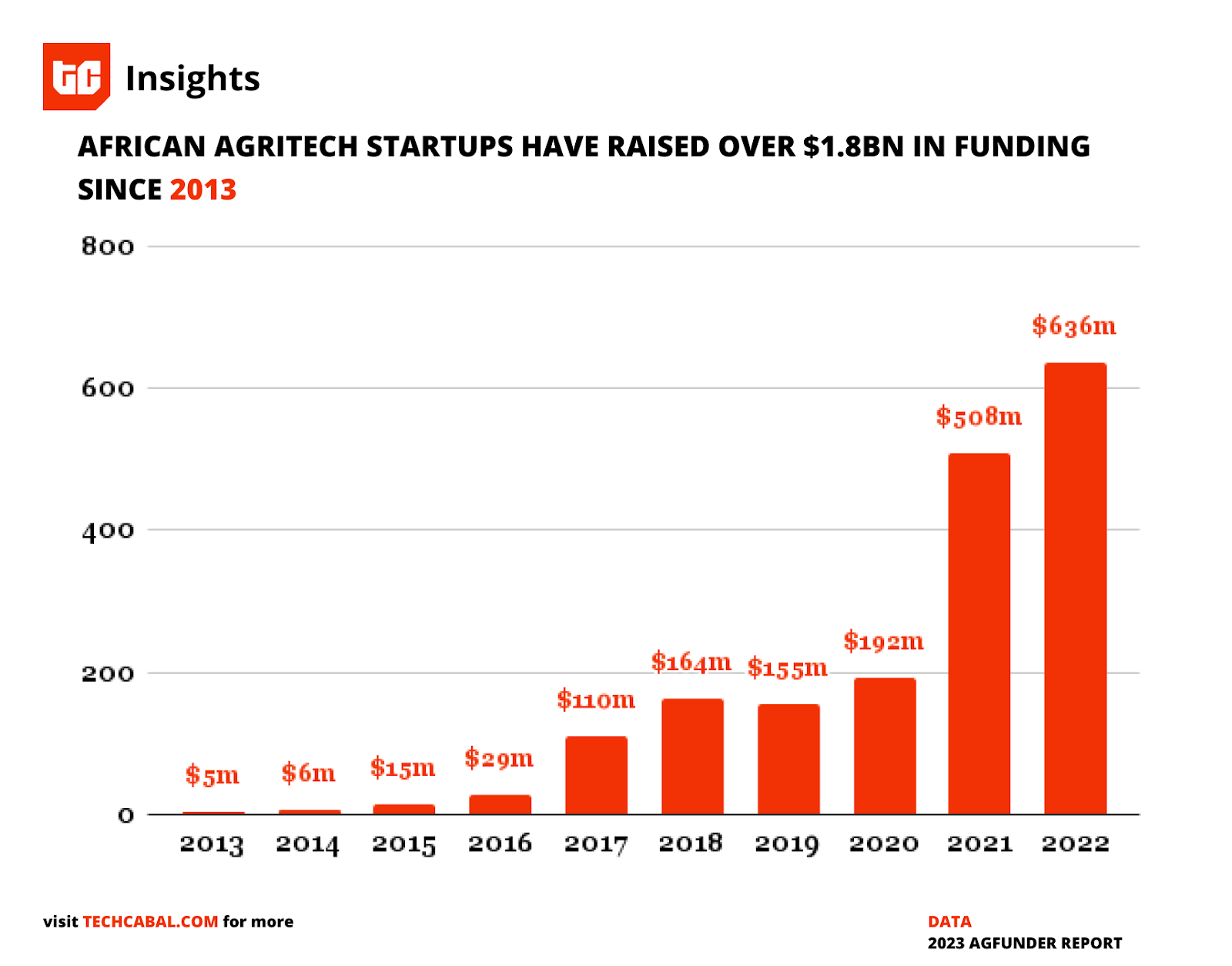
Furthermore, research shows Africa is home to thousands of AI companies and billions in funding, even if many still fly under the radar.[3] Meanwhile, projections suggest AI could add trillions of dollars in value to African economies by 2030 when adoption deepens across sectors.[4] However, the most exciting story for you sits at the intersection of AI, short-form video, and the creator economy. Specifically, African creators are not just users of these tools; they are becoming co-builders, testers, and even co-founders of the next generation of AI video startups. As a result, the line between influencer, media entrepreneur, and tech founder is getting very thin.
Why African creators are perfectly positioned for the AI video revolution
African creators did not wait for perfect infrastructure before they started innovating. Instead, you learned to shoot with low-budget smartphones, edit on free apps, and grow audiences on TikTok, YouTube Shorts, and Instagram Reels under tough data and device limits. Consequently, when AI video and automation tools arrived, many African creators already knew how to squeeze maximum value from limited resources. That mindset is now a competitive edge.
Moreover, Africa now counts more than 2,400 AI-related companies with roughly $2 billion in collective funding, according to TechCabal Insights.[3] Notably, a growing share of that ecosystem touches media, creator tools, and video automation. Meanwhile, Microsoft research argues that Africa’s AI moment will be decided less by flashy demos and more by broad adoption across real use cases like media and entertainment.[2] That is exactly where you, as a creator, operate every day.
Additionally, AI market projections for the continent remain bullish. A UN-led analysis suggests Africa’s AI market could rise from about $2.5 billion in 2022 to over $18 billion by 2030, potentially adding close to $3 trillion in value to African economies.[4] Importantly, media, entertainment, and digital services sit inside that growth story. Therefore, creators who adopt AI early do more than grow their channels; they help define African cultural leadership in global algorithms.
Key advantages African creators bring to AI and video startups
- Mobile-first creativity: You already design content for small screens and low bandwidth, which AI tools can scale.
- Multilingual reach: You move between English, French, Arabic, Swahili, Yoruba, Amharic, and more daily.
- Cultural fluency: You understand local jokes, trends, and storytelling patterns algorithms cannot guess.
- Community-first growth: You build strong fan bases that trust your recommendations and product choices.
- Lean experimentation: You iterate quickly because you never had big studio budgets in the first place.
Consequently, AI founders across the continent now design tools with African creators as core users, not an afterthought. As a result, some of the most exciting African creator economy AI startups are co-built with YouTubers, TikTokers, podcasters, DJs, and editors who know what it takes to grow from 5,000 to 500,000 followers.
Inside the African creator economy AI startups powering short-form video
Short-form video is the default way Africa tells stories online today. Furthermore, TikTok, YouTube Shorts, and Instagram Reels dominate youth attention in Lagos, Nairobi, Johannesburg, and Kigali. However, constant posting, editing, subtitling, and repurposing burn creators out fast. That is where AI-native African tools and AI-powered workflows now change the game.
Moreover, many African creators blend global AI platforms with local hacks. For instance, you might script with ChatGPT, translate with a local language model, and edit with CapCut, then add regional flair inside your own workflow. Additionally, African founders increasingly build local layers on top of these tools: vernacular voice models, African music catalogues, and context-aware filters tailored to African audiences. Therefore, the next wave of AI video startups from the continent is not just about copying Silicon Valley; it is about solving your specific pain points as a creator in Africa.
How AI is supercharging short-form video workflows
- Script and idea generation: Creators use AI to brainstorm series ideas, hooks, and content calendars in minutes.
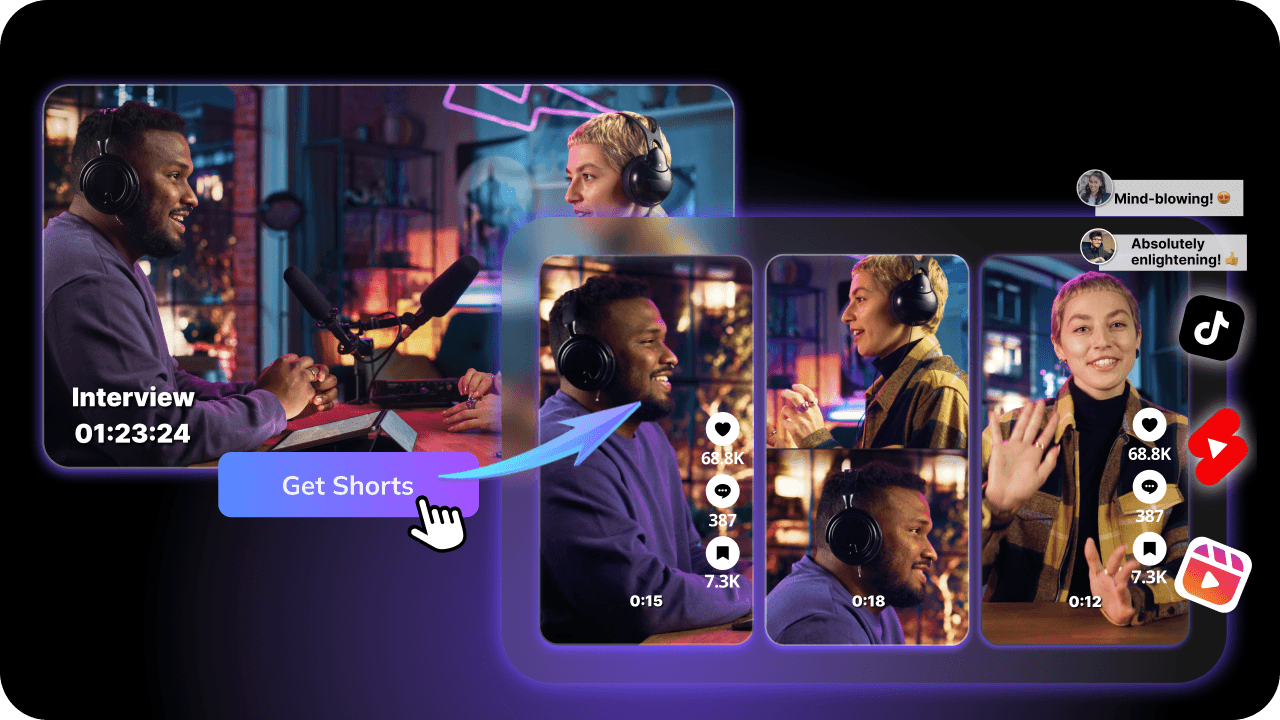
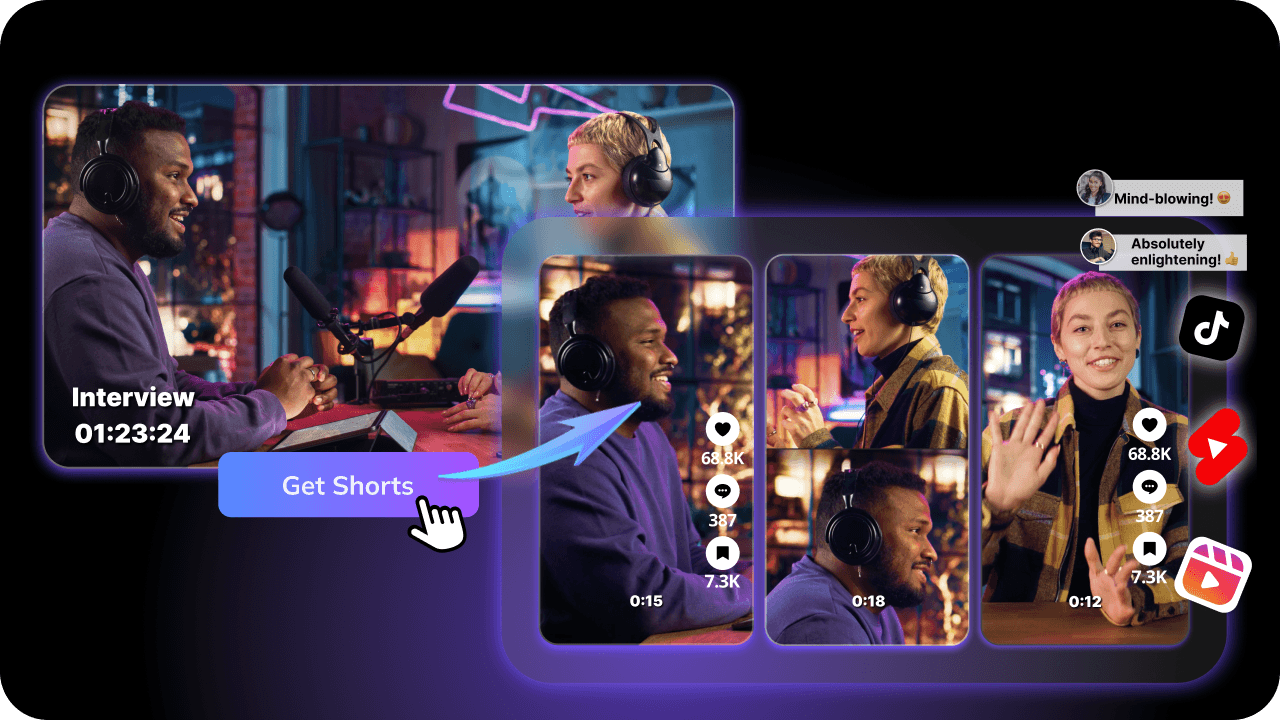
- Auto-editing and clipping: Long podcasts become dozens of viral micro-clips ready for Reels and Shorts.
- Smart subtitles: AI tools generate captions, highlight keywords, and improve watch time for muted viewers.
- Thumbnail and title suggestions: Algorithms test which visual and text combinations drive higher click-through.
- Performance insights: AI analytics reveal when your audience drops off and what topics keep them watching.
In many African newsrooms, AI voiceovers and translation already cut production time dramatically.[1] Similarly, independent creators now use AI-powered voice and video tools to generate explainers, docu-style reels, and news commentary in hours rather than days. As a result, a solo creator can now compete with small media houses in speed and volume.
Real examples from Africa’s AI and video frontier
Across the continent, you can see the impact of this shift in specific sectors and creator niches. For instance, African edtech creators use AI to turn long lessons into bite-size learning clips for TikTok, often adding subtitles in English and local languages. Furthermore, lifestyle and fashion influencers now rely on AI to test multiple video cuts and music mixes before publishing the most engaging version. Consequently, you spend more time on storytelling and community, and less time on manual edits.
Moreover, several African tech hubs now host accelerator programs focused on media and AI tools. According to Google for Startups Africa, startups in fields like creative tools, language services, and digital media form a key part of the innovation pipeline.[5] Notably, many of these founders collaborate directly with creators to refine features like caption accuracy, cut-down suggestions, and content scheduling. If you are a serious creator, this is the moment to test these products early and shape how they evolve.
Multilingual power: how African creators use AI for translation and localization
Language is one of Africa’s biggest advantages. However, it has also been one of the biggest tech barriers. Many global AI tools once ignored African languages or handled them poorly. Now, new African models and platforms begin to flip that story. Furthermore, creators and founders who solve multilingual content today will own massive opportunities tomorrow.
Additionally, AI experts highlight that Africa’s AI success depends on systems that reflect its linguistic and cultural diversity, not just English-only models.[2] Consequently, African startups and researchers are training AI to handle languages like Kiswahili, Hausa, Zulu, Amharic, and Wolof more accurately.[1] As a creator, that means you can speak to your neighbours and the diaspora at the same time. Moreover, you can release one video and serve multiple language communities without shooting five versions.
Practical ways creators use AI translation today
- Auto-subtitles in multiple languages: You upload one video and generate captions in English, French, and a local language.
- Voice cloning for dubbing: AI clones your voice so you can speak French or Swahili while keeping your tone.
- Localized hooks and titles: Tools suggest popular local phrases and slang for better engagement.
- Cross-border brand deals: You send localized versions of the same brand content to markets across Africa.
Importantly, panel discussions on African media and AI show that local-language recording and instant translation are already transforming how journalists cover stories on the ground.[1] Similarly, creators use these capabilities to cover culture, sports, and entertainment in real time, then publish quickly in English and local languages. Therefore, you no longer have to choose between global reach and local authenticity; AI lets you do both.
Furthermore, better multilingual tools help African content travel outward. Diaspora audiences in Europe, the Gulf, and North America already binge African TikToks and YouTube channels. Consequently, AI translation turns your Nairobi street vlog or Lagos fashion reel into content a fan in London or Toronto can easily enjoy. If you want to expand, this is one of the most powerful growth levers you can pull.
How AI is reshaping the business model of African creators
The creator economy in Africa has always been about hustle. You mix brand deals, platform payouts, live shows, merch, and sometimes a day job. Now AI gives you new ways to package, price, and scale your work. Furthermore, it lets you operate more like a lean media startup than a solo freelancer.
According to industry analyses, scaling AI adoption in Africa requires investment in infrastructure, data, skills, and partnerships.[4] However, you do not need to wait for every challenge to be solved before you act. Moreover, adopting AI tools early helps you build the skills and data that make your own brand more valuable. As a result, creators who learn AI workflows today will be first in line for bigger deals, collaborations, and even equity stakes in startups tomorrow.
New revenue opportunities unlocked by AI
- Always-on multi-platform presence: AI repurposes one long video into clips, carousels, newsletters, and scripts.
- Creator-led SaaS products: You work with founders to turn your workflow into a subscription tool other creators pay for.
- Training and cohorts: You sell AI-powered creator bootcamps, templates, and automation packs.
- Localized brand campaigns at scale: You offer brands one idea rolled out in multiple languages and formats.
- Data-driven rates: AI analytics help you negotiate better because you can prove your impact clearly.
Additionally, more African creators now consider themselves full media entrepreneurs. You build teams of editors, community managers, and data analysts, many supported by AI tools. Consequently, your brand no longer depends on one person doing everything. Instead, you design a system where AI handles the repetitive tasks while humans focus on creative direction and relationship-building.
For African audiences, this shift means more consistent, higher-quality content across niches like fashion, tech, sports, music, and lifestyle. For platforms and brands, it means a new wave of professional creator-businesses to partner with. If you want deeper insight into how this evolution shapes markets, you can always explore more via Business & Economy and Technology on Topping Africa.
From influencer to founder: when African creators build AI startups
One of the most powerful trends in the African creator economy AI startups story is the rise of creator-founders. You are no longer just endorsing tools; you are co-designing them and sometimes leading the company. Furthermore, founders now see top creators as product insight engines, not just marketing channels.
Moreover, many African AI startups operate in environments where data is scarce, infrastructure is uneven, and investors still do not fully understand AI business models.[3] That reality forces founders to test real use cases fast and prove value quickly. Consequently, creators become perfect early adopters because you already measure success in watch time, click-through, conversions, and engagement. If a tool helps you grow faster, you notice immediately.
Why creators make strong co-founders and early partners
- Instant feedback loops: You test features on real audiences and share direct performance data with founders.
- Cultural intuition: You spot trends in humour, music, and fashion long before any dashboard does.
- Built-in distribution: You promote the product to an existing fan base that already trusts you.
- Clear problem definition: You understand specific pain points like editing backlog, burnout, or language reach.
- Proof-of-concept case studies: Your own channel becomes a live demo of what the AI can do.
Additionally, we see more crossovers between African tech startup accelerators and creator education programs. For example, Google, Microsoft, and other ecosystem players often highlight creative and media startups in their Africa-focused programs.[5][2] If you are a creator with product ideas, these spaces are worth watching and joining. Ultimately, the next breakout AI tool for African short-form video may come from a creator who got tired of waiting for someone else to build it.
Challenges African creator-AI startups still need to solve
Despite all this momentum, you should stay clear-eyed about the challenges. Infrastructure gaps, data costs, device limits, and sometimes limited access to funding still slow down both creators and AI founders. Furthermore, a UN discussion on inclusive AI highlights that many developing countries face constraints in infrastructure, data, and skills, which directly affects AI adoption.[4] African AI startups also navigate thin information environments where their contributions often go underreported.[3]
Additionally, language models still sometimes mis-handle African names, slang, and cultural references. You might see subtitles that miss key jokes or misinterpret local phrases. As a creator, you still need to review outputs and keep your human voice in control. However, these challenges do not cancel the opportunity. Instead, they are exactly where African founders and creators can differentiate themselves by building tools that understand African realities first.
Practical ways you can stay ahead of these challenges
- Build AI literacy: Take time each week to test new tools and understand their limits.
- Own your data: Keep clean archives of your content, captions, and analytics to train future tools.
- Collaborate locally: Partner with African AI startups that prioritize your languages and audiences.
- Stay ethical: Be transparent with your community about how you use AI in your content.
- Diversify income: Use AI to open new revenue streams instead of depending on one platform alone.
Furthermore, African governments and institutions are racing to design AI strategies and policy frameworks.[6] While you create, these decisions will shape access, training, and funding for AI in the years ahead. In the meantime, your daily experimentation on TikTok, YouTube, and Instagram already plays a role in proving why creative AI matters for African development and digital jobs.
Spotlight: rising African creators winning with AI-powered video
Across the continent, a new class of African creators uses AI-powered tools to scale faster than ever. You see it in tech explainers from Lagos, food content from Accra, travel vlogs from Cape Town, and comedy sketches from Nairobi. Moreover, these creators treat their channels like startups, with AI sitting quietly in the engine room.
For instance, a Kenyan travel vlogger might use AI to auto-generate subtitles in English, Kiswahili, and French, then schedule cut-down clips for TikTok and YouTube Shorts throughout the week. Additionally, a Nigerian music commentator could rely on AI to clip livestream reviews into highlight reels, test different titles, and push the best-performing ones to Reels. Consequently, what once needed a full-time editor now happens in a few clicks, freeing more time for storytelling and community.
If you enjoy discovering who is shaping the next wave of African digital culture, remember to explore creator and celebrity coverage on Topping Africa. You can read more about trends and personalities under Entertainment, Culture & Lifestyle, and Africa News. Furthermore, do not just watch; use these stories as playbooks for your own creator journey.
Explore more on Topping Africa
Additionally, if you want to go deeper into the worlds of tech, creators, and culture, Topping Africa has you covered. Explore more of our coverage to stay ahead of what is coming next.
- Technology – Stories on African startups, AI innovation, fintech, and the tools shaping tomorrow.
- Business & Economy – Insights on how creators, brands, and investors build new value across the continent.
- Culture & Lifestyle – Deep dives into fashion, music, and everyday trends driving African creativity.
Moreover, your perspective matters in this conversation. If you are a creator using AI or a founder building for the creator economy, share your thoughts and experiences. Ultimately, your story might inspire the next big idea.
What you should do next as an African creator
By now, you can see why African creators sit at the heart of the next AI and video startup wave. Furthermore, you know that this is not just about cool tools; it is about new kinds of jobs, companies, and cultural exports built on your creativity. Consequently, the smartest move you can make today is to treat AI as a core part of your toolkit, not a distant trend.
To start, choose one or two AI tools that solve your biggest bottlenecks, like editing or translation. Additionally, build a simple workflow that lets you test, measure, and improve your content week after week. As you grow, look for ways to collaborate with African AI startups and fellow creators across borders. If you want to stay inspired, subscribe to Topping Africa updates, discover more stories about African innovators, and read more about the creator economy across our different sections.
Ultimately, the next wave of iconic African celebrities, influencers, and media brands will not just appear on camera. They will also help design the AI tools that power the industry. If you move early, that future can include you. So explore, experiment, and let the world feel the full force of your creativity.

Staff
Contributing writer at Topping Africa.
0 Comments
No comments yet. Be the first to share your thoughts!