
WHO Ebola Emergency Puts Central Africa on High Alert
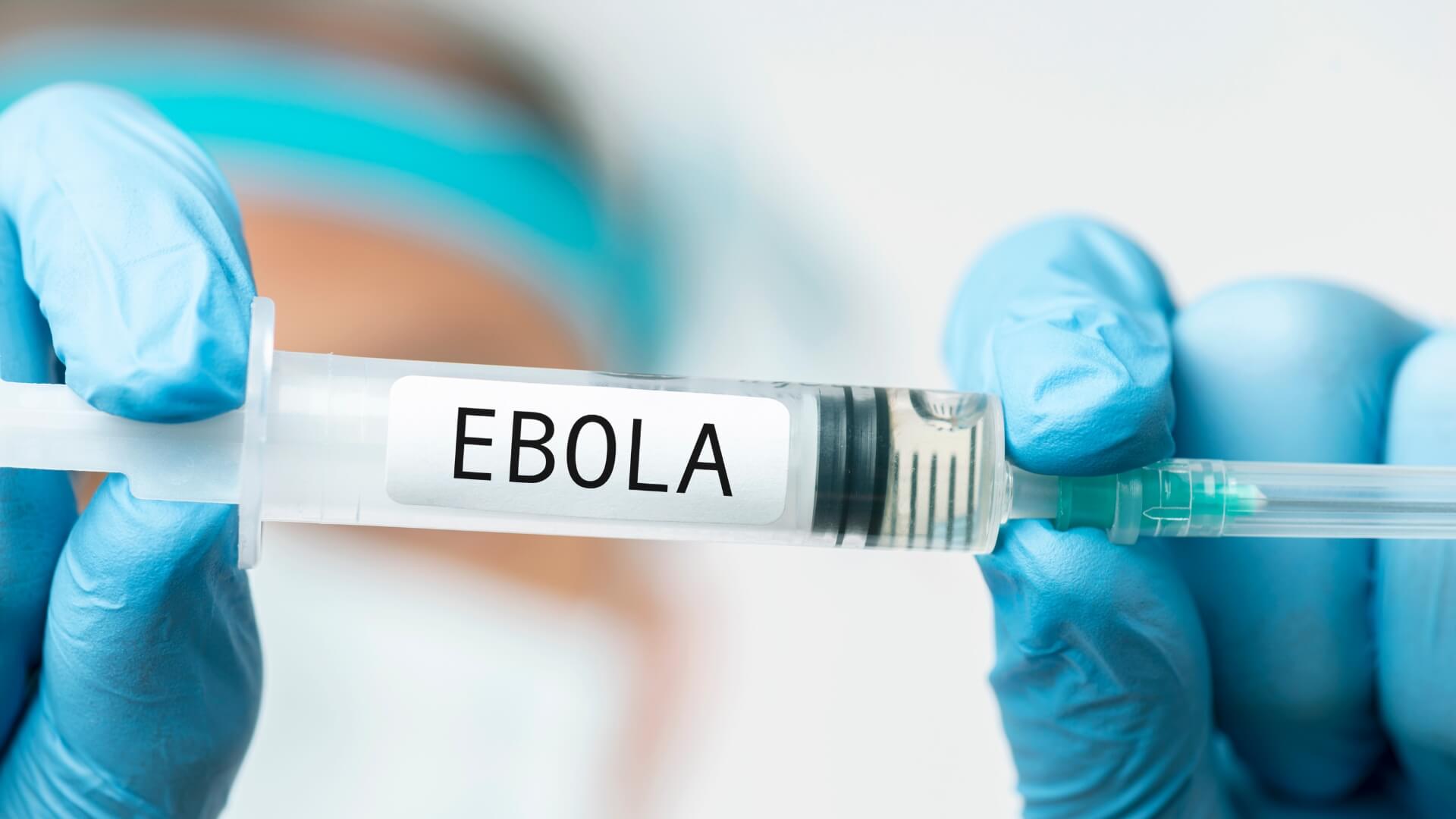
The WHO Ebola emergency in Central Africa has put the DRC, Uganda, and their neighbours on high alert. This analysis explains what the Bundibugyo outbreak means for health systems, economies, and communities across Africa—and how the continent can respond.
WHO Ebola Emergency Puts Central Africa on High Alert
The recent WHO Ebola emergency declaration has put Central Africa on high alert and shaken public health systems across the region. As the Bundibugyo strain spreads in the Democratic Republic of Congo and Uganda, governments, communities, and partners face an urgent test of preparedness. Moreover, the crisis highlights deep gaps in health security, surveillance, and public trust that Africa must address fast. In this article, we explain what this emergency means, why it matters for Africans, and how countries can respond smarter and stronger.
Understanding the WHO Ebola Emergency in Central Africa
According to the World Health Organization, the current outbreak in Ituri Province, DRC, and in Uganda meets the criteria for a Public Health Emergency of International Concern (PHEIC). As of mid‑May, authorities reported eight laboratory-confirmed cases, 246 suspected cases, and around 80 suspected deaths in the DRC alone. Furthermore, Uganda has detected two confirmed cases in Kampala among travellers from DRC, with at least one death.
Importantly, this outbreak is driven by the Bundibugyo virus, a rarer Ebola strain with no approved vaccines or specific therapeutics. Consequently, health workers rely on rapid detection, strict infection control, and high-quality supportive care to save lives. In addition, the outbreak comes on top of existing humanitarian crises in eastern DRC, where conflict, displacement, and weak infrastructure make response efforts more complex.
Notably, the WHO Ebola emergency does not currently meet the threshold for a pandemic under international regulations. However, the declaration signals that the situation is extraordinary, carries cross-border risk, and requires coordinated international support. For African governments, this is both a warning and an opportunity to strengthen fragile systems before the outbreak spreads further.
Key Facts About the Bundibugyo Ebola Outbreak
To understand the scale and risk of this WHO Ebola emergency, it helps to look at core facts and trends. These figures may change quickly as surveillance improves and more data comes in. Therefore, leaders and citizens alike should follow trusted updates from WHO and national ministries of health.
- Location: Ituri Province (Bunia, Rwampara, Mongbwalu health zones) in the DRC, with cases exported to Kampala, Uganda.
- Cases: Eight confirmed, 246 suspected in DRC; two confirmed in Uganda, according to WHO’s latest situation report.
- Deaths: Around 80 suspected deaths in Central Africa linked to the outbreak, as reported by WHO and international media.
- Strain: Bundibugyo virus, a distinct species of Ebola virus with no licensed vaccines or direct antivirals.
- Transmission: Human-to-human spread through contact with blood, body fluids, or contaminated surfaces, as with other Ebola viruses.
Similarly, the current crisis recalls the devastating 2014–2016 West Africa outbreak, which killed more than 11,000 people. However, African countries and partners have since built stronger emergency systems, regional labs, and rapid response teams. As a result, Central Africa now has a better chance to contain this epidemic early—if leaders act fast and transparently.
Why the WHO Ebola Emergency Matters for Central Africa
The WHO Ebola emergency has deep implications far beyond the immediate health impact. In Central Africa, it touches politics, cross-border trade, community trust, and even regional integration. Consequently, how the DRC, Uganda, and neighbours respond will influence public confidence in their governments and in global health institutions.
Moreover, Ebola outbreaks hit fragile communities hardest. Many affected areas in eastern DRC already face armed conflict, displacement, and limited access to basic services. On the other hand, effective response can strengthen resilience by bringing more investment in health systems, better infrastructure, and closer collaboration between state and local leaders.
For African readers following this story on Africa News, three big questions matter most: Can the outbreak be contained quickly? Will governments communicate honestly and listen to communities? And will the rest of the world support Africa without panic or stigma?
Health Systems Under Pressure
Central African health systems already operate under intense strain, with limited budgets and workforce shortages. In many rural zones, clinics lack reliable electricity, clean water, and lab capacity. Furthermore, health workers often face security threats when they work in conflict-affected areas.
During a WHO Ebola emergency, these weaknesses become glaring. For instance, delays in laboratory testing can slow case confirmation and contact tracing. Similarly, poor infection prevention and control (IPC) in clinics can turn health facilities into hotspots for spread.
Nevertheless, outbreaks also unlock opportunities for rapid upgrades. Emergency funding can expand solar power for clinics, improve cold chains, and strengthen regional laboratory networks. To follow how investments reshape health infrastructure, you can read more about African health systems and preparedness.
Economic and Social Ripple Effects
Ebola outbreaks often trigger fear-driven reactions that hurt trade, tourism, and local livelihoods. However, WHO repeatedly advises countries not to impose general travel or trade bans. Instead, authorities should use targeted screening, clear risk communication, and evidence-based measures.
In Central Africa, border towns between DRC, Uganda, South Sudan, and Rwanda depend on daily cross-border trade. Consequently, heavy-handed travel restrictions could push families deeper into poverty. In addition, misinformation on social media can fuel stigma against survivors, health workers, or specific communities.
To manage these risks, African governments need strong communication strategies and active engagement with media, influencers, and civil society. For more analysis on how health crises shape economies, Business & Economy coverage on Topping Africa offers deeper insights.
How African Governments Are Responding to the WHO Ebola Emergency
The WHO Ebola emergency declaration came with a detailed list of recommendations for affected and at-risk countries. These include activating national emergency mechanisms, scaling up surveillance, and strengthening community engagement. Importantly, WHO urged heads of state to lead coordination through emergency operations centres.
In the DRC, authorities have begun to activate provincial and national response structures, working with WHO and partners like Africa CDC. Additionally, Uganda is enhancing screening at border crossings, airports, and major transport hubs, based on lessons from previous outbreaks. Furthermore, both countries are training rapid response teams, expanding isolation facilities, and improving referral pathways for suspected cases.
Across the wider region, neighbouring states are reviewing preparedness plans, stockpiling protective equipment, and updating clinical guidelines. As a result, the WHO Ebola emergency is pushing governments to stress-test their systems and close critical gaps. To track the political decisions behind these moves, you can follow our Politics & Governance updates.
Core Response Priorities for Central Africa
WHO and Africa CDC emphasize several priority actions that can make or break the response. African policy makers, health professionals, and citizens should watch these closely to judge the quality of national plans. Ultimately, strong performance on these basics will save lives and limit wider disruption.
- Enhanced surveillance and contact tracing
Countries must detect cases quickly, trace contacts, and monitor them for 21 days. Moreover, community-based surveillance should focus on unexplained deaths and unusual clusters of illness. - Laboratory capacity and sample transport
Decentralized labs in affected provinces reduce delays in confirmation. In addition, safe, rapid sample transport systems are vital for remote areas. - Infection prevention and control (IPC)
Health facilities need PPE, safe triage systems, and training to protect staff and patients. Similarly, safe burial practices reduce transmission in communities. - Risk communication and community engagement
Authorities should work with religious, cultural, and youth leaders to build trust. Consequently, communities will be more likely to report symptoms and accept care. - Clinical management and survivor care
Even without specific drugs, high-quality supportive care can lower death rates. Furthermore, survivors need ongoing support to manage stigma and long-term health effects.
For those in public service, public health, or community leadership, this list offers a simple scorecard. If your country is not investing in these areas, you should raise questions, share your thoughts publicly, and push for change.
Community Engagement: The Front Line of the WHO Ebola Emergency
History shows that Ebola outbreaks end not only in treatment centres, but also in homes, churches, mosques, schools, and markets. Therefore, community engagement is central to the WHO Ebola emergency response in Central Africa. When communities trust health messages and feel involved, they help detect cases early and support safe practices.
On the other hand, when leaders ignore local beliefs and fears, rumours spread and resistance grows. In past outbreaks, mistrust led to attacks on health workers and the hiding of sick relatives. Consequently, WHO now urges governments to work with local, religious, and traditional leaders from day one.
For African readers, this is a reminder that every person has a role. Moreover, community radio, WhatsApp groups, and local influencers can share life-saving messages faster than official channels sometimes can. To explore how culture shapes behaviour in health crises, visit our Culture & Lifestyle section.
Practical Steps Communities Can Take
While high-level policies matter, daily choices in villages and cities also shape the path of this WHO Ebola emergency. Specifically, communities can adopt simple steps to protect themselves and others. These actions are most effective when combined with strong health services and honest communication.
- Report unexplained fevers, bleeding, or sudden deaths to local health workers quickly.
- Avoid direct contact with blood and body fluids of sick people or the bodies of those who have died.
- Follow guidance on safe and dignified burials, even when it challenges traditional rituals.
- Encourage survivors and their families rather than stigmatizing them.
- Rely on verified sources like WHO, national ministries of health, and reputable media instead of rumours.
Additionally, diaspora communities and African professionals abroad can support by sharing accurate information and mobilizing resources. If you work in health, tech, or communications, consider how your skills might help. Explore more ways Africans everywhere are responding to health crises by following our coverage in Health & Wellness.
Lessons from Past Ebola Outbreaks for Today’s Crisis
Past Ebola crises, especially the 2014–2016 West Africa outbreak, hold crucial lessons for the present WHO Ebola emergency in Central Africa. According to research published in the National Library of Medicine, delays in declaring emergencies and mobilizing resources made that epidemic far worse. Consequently, today’s faster PHEIC decision reflects a shift toward early action.
Furthermore, West Africa showed that Ebola is not just a medical problem but also a social, economic, and governance challenge. Countries that invested in community engagement, transparent communication, and cross-border cooperation eventually gained control. Similarly, the DRC and Uganda now need to align health strategies with security, education, and economic policies.
Notably, the global health community has more tools today, including improved diagnostics and stronger regional bodies like the Africa CDC. However, the lack of a licensed vaccine for the Bundibugyo strain remains a serious gap. To understand the science behind Ebola and emerging vaccines, visit WHO’s Ebola virus disease resource page.
How African Innovation Can Shape the Response
African innovators are already using digital tools, data platforms, and low-cost technologies to support outbreak response. For instance, mobile apps can help track contacts, while drones and motorcycles can speed up sample transport. In addition, local tech hubs are building dashboards that visualize case trends for decision makers.
Moreover, African media start-ups and creatives are using podcasts, animations, and short videos to counter misinformation. These efforts help translate complex science into language that people understand and trust. Consequently, they strengthen the overall impact of official health messages.
If you are interested in the role of innovation in public health, you can discover more in our Technology section. Read more about how African tech and data science are changing the future of epidemic response across the continent.
Explore More on Topping Africa
For readers seeking deeper context around the WHO Ebola emergency and broader health security challenges, Topping Africa offers ongoing coverage and expert analysis. Explore more of our reporting across these key sections:
- Africa News – Breaking updates, in-depth reports, and on-the-ground perspectives from across the continent.
- Health & Wellness – Analysis of epidemics, health policy, and everyday wellness for African communities.
- Opinion & Editorial – Thought-provoking commentaries on how crises like Ebola shape Africa’s future.
Additionally, we encourage readers, health workers, and policy makers to share their thoughts and experiences. Subscribe for updates on evolving outbreaks, policy shifts, and the stories of resilience that define Africa’s response to health emergencies.
Conclusion: Turning a Health Emergency into a Turning Point
The WHO Ebola emergency in Central Africa is a serious warning, but it is also a call to action. If governments, communities, and partners act together, they can contain the outbreak and protect lives. Moreover, they can use this moment to build stronger, fairer health systems that serve Africans long after the crisis ends.
Ultimately, success will depend on trust, transparency, and solidarity across borders. Consequently, every actor—from presidents to village chiefs, from doctors to digital creators—has a role to play. To stay informed as this story unfolds, explore more of our coverage on Topping Africa, and leave a comment below to add your voice to the conversation.
Staff
Contributing writer at Topping Africa.
0 Comments
No comments yet. Be the first to share your thoughts!