
What Is the African Diaspora and Why It Matters for the Future of African Creators
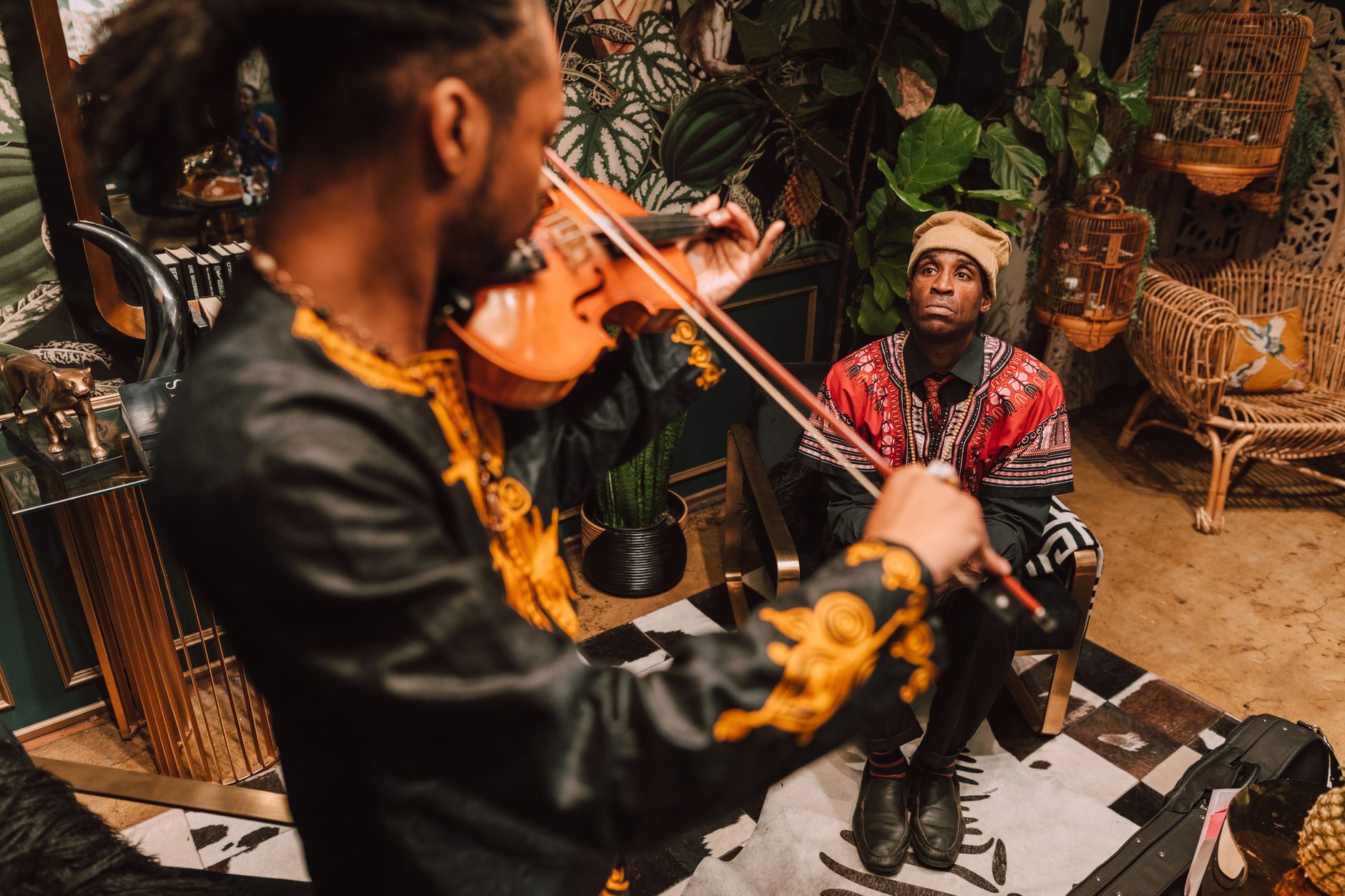
The African diaspora numbers over 200 million people worldwide — and for African creators, it is the most powerful distribution network, funding source, and audience on the planet. This deep-dive defines the diaspora clearly, exposes the strategic mistakes creators make when engaging it, and maps the concrete opportunities that will define the next decade of African creative and business culture.
Understanding What the African Diaspora Is — and Why the Definition Matters Now
If you have ever searched what is the African diaspora and why is it important, you are not alone. The term gets used constantly — in politics, in music, in tech funding rounds — yet its meaning is rarely unpacked with any precision. That vagueness is a problem, because the diaspora is not a monolith. It is a living, fragmented, fiercely creative network of people whose relationship to Africa shapes everything from Afrobeats chart positions to Silicon Valley funding decisions.
At its core, the African diaspora refers to the communities of people of African origin living outside the African continent. That definition, however, hides enormous complexity. Scholars typically distinguish between at least two major waves: the historic diaspora — descendants of the transatlantic slave trade, concentrated in the Americas and the Caribbean — and the contemporary diaspora — Africans who migrated voluntarily over the last century for education, work, or political refuge. Both groups carry Africa with them. Both shape what African creators can build and who they can reach.
The United Nations Office of the Special Adviser on Africa estimates that the African diaspora numbers over 140 million people worldwide. Add the historic diaspora in the Americas and that figure climbs past 200 million. That is a market, a cultural force, and a capital pool that no serious creator or entrepreneur can afford to ignore.
The Two Diasporas That Every African Creator Should Know
Treating the diaspora as one audience is one of the most common strategic mistakes African creators make. The historic and contemporary diasporas have different relationships to the continent, different spending habits, and different content appetites.
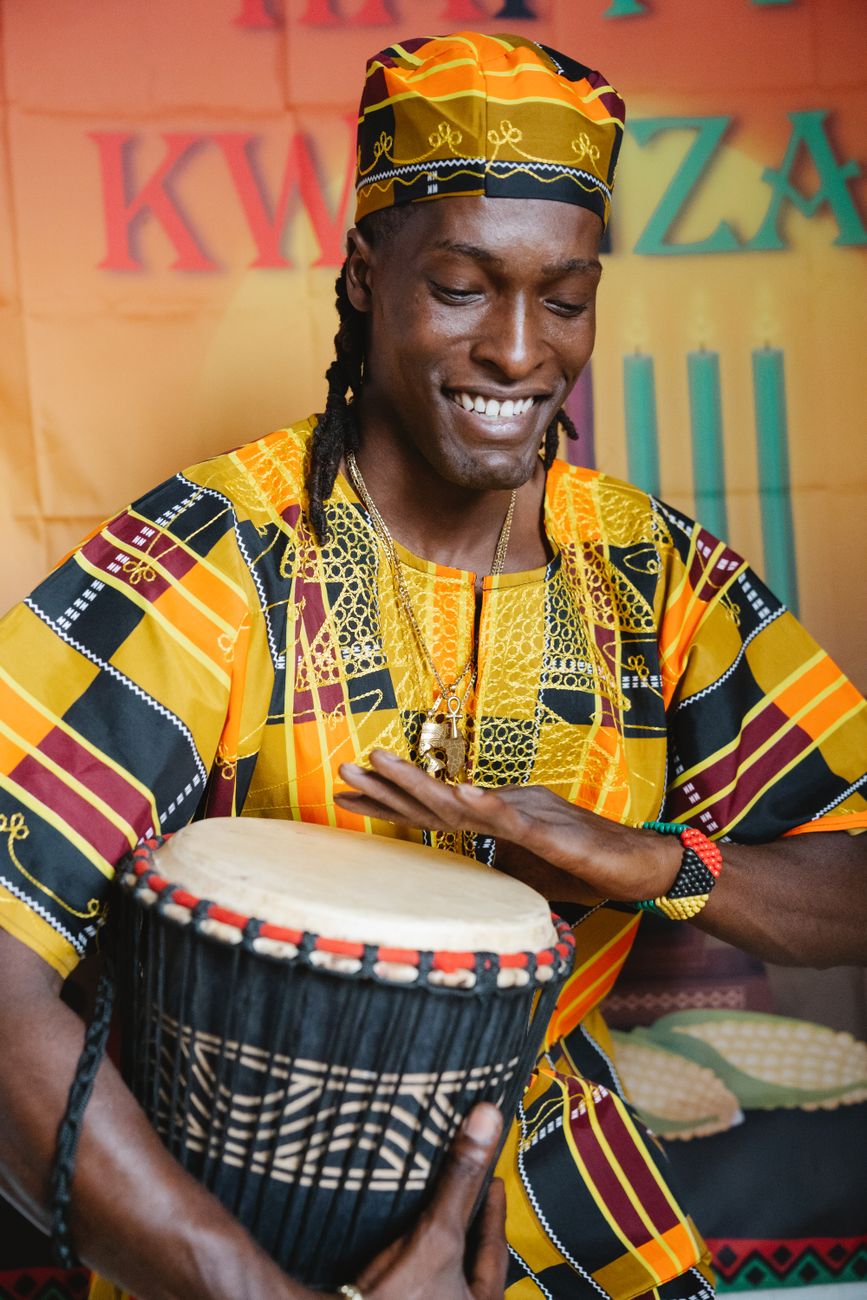
The historic diaspora — Black Americans, Afro-Caribbeans, Afro-Brazilians — often engages with African content through the lens of identity reclamation. They are drawn to cultural heritage, traditional fashion, ancestral languages, and spiritual practices. Creators who tap into that hunger, like Ghanaian fashion designers connecting with African-American audiences around Kente cloth, are not just selling products. They are selling belonging.
The contemporary diaspora operates differently. A Nigerian software engineer in London or a Senegalese entrepreneur in Paris maintains active family ties, sends remittances, and follows home-country news in real time. They consume content about business, tech, politics, and entertainment — and they share it with both their host-country networks and their family back home. They are, in effect, a two-way amplification channel.
Understanding which diaspora segment you are speaking to changes everything: your platform choice, your language register, your monetisation model, and even your posting time zone. Creators who collapse these two groups into one generic "African diaspora audience" consistently underperform those who segment deliberately.
Remittances: The Invisible Funding Engine for African Creators
Here is a concrete number that reframes the diaspora's economic power. According to the World Bank's latest remittance data, Sub-Saharan Africa received approximately $54 billion in remittances in 2023. That dwarfs foreign direct investment into many African economies. Some of that money funds businesses. Some funds education. And an increasingly significant slice funds creative projects — music production, film, fashion labels, and digital media startups.
This is not charity. Diaspora investors are increasingly sophisticated. They want equity, returns, and cultural credit. African creators who understand how to pitch to diaspora angels — not just Western VCs — are unlocking a funding lane that most of their peers are completely missing.
Why the African Diaspora Is a Launchpad for African Creators Going Global
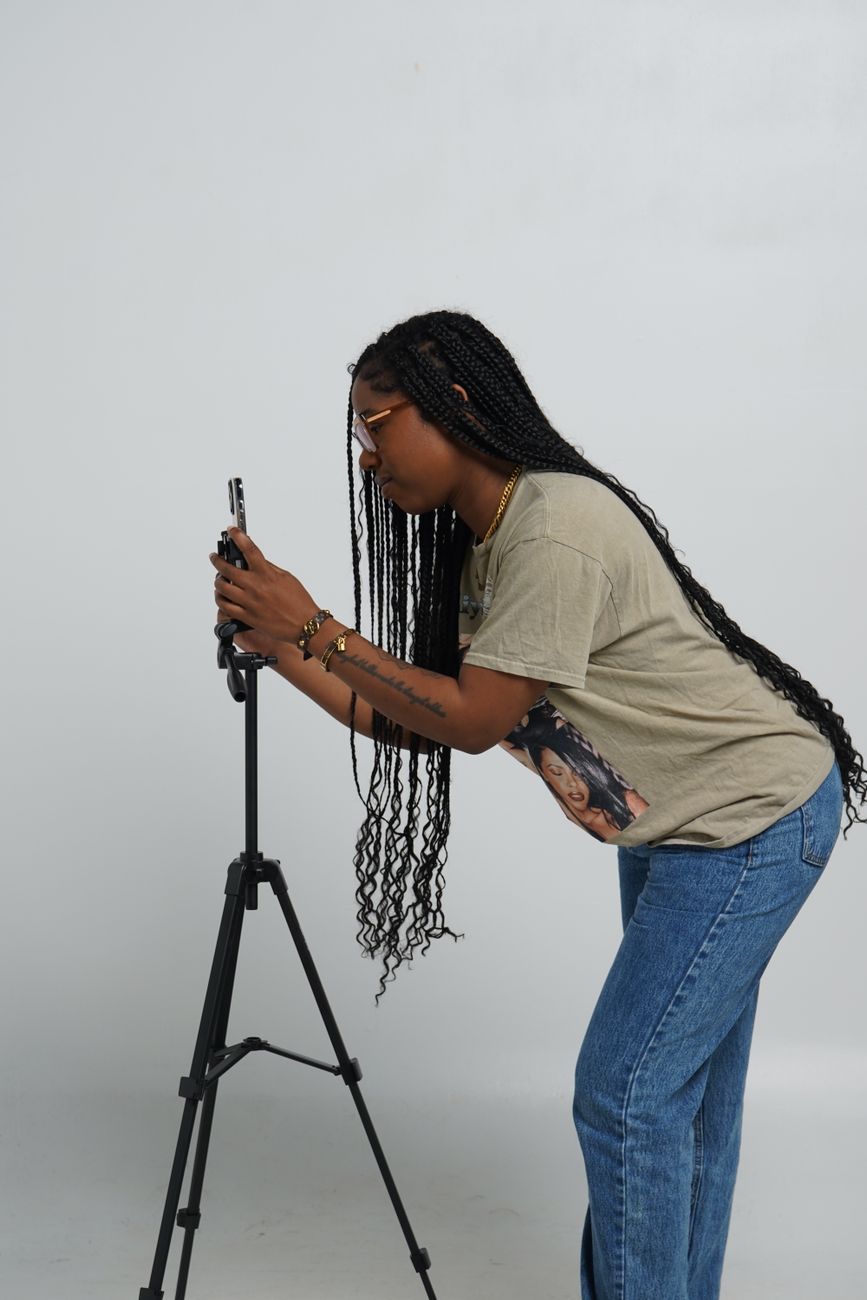
Diaspora communities do not just consume African content — they distribute it. A Zimbabwean creator who lands 50,000 followers in the UK diaspora community has effectively placed a relay antenna in one of the world's most connected media markets. Those followers share content with non-African colleagues, classmates, and partners. That is how Afrobeats crossed over. That is how Nollywood found audiences in East Asia. The diaspora is the original algorithm.
Look at what is happening right now. Funke Akindele's Everybody Loves Jenifa shattered UK box office records — not because of a traditional Hollywood marketing campaign, but because the Nigerian diaspora in Britain showed up in force and brought their friends. That is diaspora distribution in action.
Similarly, the rise of African fashion creators like Carla Djamila from Angola demonstrates how diaspora audiences in Lusophone Europe can catapult a creator from regional obscurity to international relevance. The key is that diaspora audiences are already primed to champion African talent. They are looking for creators to be proud of.
For creators building their strategy on platforms like TikTok or YouTube, this means diaspora communities are your highest-value early adopters. Getting 10,000 genuinely engaged diaspora followers in year one is worth more than 100,000 passive domestic followers — because the diaspora shares cross-culturally, comments in multiple languages, and converts into paying customers at higher rates.
Tech, Innovation, and the Diaspora's Role in Africa's Digital Economy
The diaspora's impact on African tech is structural, not just cultural. Many of Africa's most successful tech founders studied or worked abroad before returning — or built companies that bridge both worlds. Flutterwave, one of Africa's most valuable fintech startups, was co-founded by Nigerians with deep Silicon Valley experience. Andela, which trains African software engineers and connects them to global employers, was built explicitly on the diaspora model of talent bridging.
For African tech creators and influencers, this matters because your audience includes both the engineers building these companies and the diaspora investors funding them. Content that explains African fintech, AI adoption, or startup ecosystems to a diaspora audience that straddles both worlds is extraordinarily valuable. Check out how Nigeria's top tech influencers are already doing this — building audiences that span Lagos, London, and Atlanta simultaneously.
The intersection of diaspora capital and African tech innovation is also where creator economy tools are evolving fastest. Platforms are adding multilingual support, cross-border payment rails, and diaspora-specific discovery features. Creators who position themselves at this intersection — speaking to both the African tech ecosystem and the diaspora audience curious about it — are sitting on some of the most defensible content real estate on the internet right now.
- Fintech creators can explain cross-border payment tools like Chipper Cash or Lemfi to diaspora audiences who send money home.
- Fashion and lifestyle creators can bridge African aesthetics with diaspora identity content, driving both cultural and commercial value.
- Business and entrepreneurship creators can serve diaspora professionals who want to invest in or launch ventures on the continent.
- Music and entertainment creators can leverage diaspora networks as the first wave of a global rollout strategy.
- Education creators can serve diaspora parents who want their children to maintain cultural and linguistic ties to Africa.
Common Mistakes African Creators Make With Diaspora Audiences
The opportunity is real — but so are the pitfalls. Here are the errors that consistently hold creators back when trying to build diaspora audiences.
Mistake 1: Assuming shared language means shared context. A Ghanaian creator posting in English assumes their British-Ghanaian diaspora audience understands every cultural reference. They often do not — or they understand it differently. Creators who add brief contextual cues ("for those who don't know, this is how we do it back home") consistently see higher engagement from diaspora viewers who feel included rather than assumed.
Mistake 2: Treating diaspora engagement as a vanity metric. Diaspora followers who comment but never convert are a sign that your content is entertaining but not useful or aspirational enough to drive action. The fix is simple: give your diaspora audience something to do — visit a link, buy a product, share with a specific community, attend an event.
Mistake 3: Ignoring the historic diaspora entirely. Many contemporary African creators focus exclusively on the Nigerian, Ghanaian, or Kenyan diaspora in Europe and North America, completely overlooking the massive Black American and Afro-Caribbean audiences who actively seek connection with the continent. The intentional African culture trend on TikTok is being driven as much by Black Americans reclaiming African identity as by Africans in the diaspora. That is a content opportunity hiding in plain sight.
Mistake 4: Waiting for the diaspora to find you. Discovery does not happen by accident. Creators who actively use diaspora-specific hashtags, collaborate with diaspora influencers in host countries, and show up in diaspora community spaces — whether online forums, WhatsApp groups, or physical events — grow their diaspora audiences three to five times faster than those who post and hope.

How Topping Africa Connects Diaspora Audiences With African Creators
This is precisely the gap that Topping Africa was built to close. The platform exists to make African creators discoverable — not just to audiences on the continent, but to the global diaspora and beyond. Whether you are a diaspora professional in Toronto looking for African tech voices to follow, or a creator in Nairobi trying to reach the Kenyan community in Manchester, the discovery problem is the same: the talent exists, but the infrastructure to find it has been missing.
Explore creators across Africa and the diaspora to see exactly who is building at this intersection right now. From Afrobeats artists to fintech educators to fashion innovators, the range of talent already on the platform reflects just how diverse and powerful the African creator ecosystem has become.
The broader creator economy context matters here too. Initiatives like Meta's Creator Discovery Program and Google's $1M AI initiative for African creators signal that global platforms are finally paying serious attention to African talent. The diaspora is a key reason why. When diaspora audiences in the US and UK engage heavily with African content, it sends algorithmic signals that push that content to wider audiences. The diaspora is not just a cultural bridge — it is a ranking signal.
What the Next Five Years Look Like for Diaspora-Connected African Creators
The trajectory is clear. McKinsey's research on Africa's consumer class projects that Africa's middle class will reach 1.1 billion people by 2060. A significant portion of that growth will be diaspora-connected — families whose economic uplift is partly funded by relatives abroad. That means a growing, increasingly digital, increasingly affluent audience for African creators to serve.
Creators who build diaspora audiences now are not just chasing a trend. They are laying the foundation for a distribution network that will compound in value as African economies grow, as diaspora remittances increase, and as global platforms invest more in African content infrastructure.
The specific opportunities to watch:
- Multilingual content — creators who produce in both a major African language and English (or French, Portuguese) will reach diaspora audiences who crave content in their heritage language but live in English-speaking countries.
- Diaspora investment content — explainers on how to invest in African real estate, startups, or agriculture from abroad are among the fastest-growing content categories in the African creator space.
- Cultural identity content — especially for second-generation diaspora youth navigating dual identities, creators who speak to that experience with honesty and specificity build extraordinarily loyal communities.
- Live and event-based content — diaspora communities gather. Creators who show up at diaspora festivals, conferences, and cultural events with cameras and microphones are capturing audience segments that are underserved online.
The African diaspora is not a footnote to the African creator story. It is one of its central chapters. Creators who understand this — who build with the diaspora in mind from day one — will be the ones who scale fastest, earn most, and leave the most lasting cultural impact.
Ready to be part of this movement? Discover African creators who are already building at the intersection of diaspora culture, tech, and innovation — and find your place in the ecosystem.
Staff
Contributing writer at Topping Africa.
0 Comments
No comments yet. Be the first to share your thoughts!