
The Rise of AI in African Fashion: How Startups and Designers Are Rewriting Style

AI in African fashion is moving from buzzword to real business tool. Across the continent, startups, designers and creators now use AI to design smarter, sell globally and deliver better customer experiences. Here is how you can plug into this new wave.
The Rise of AI in African Fashion Is Already Here
You are living through a bold new era where AI in African fashion is moving from buzzword to real business advantage. Across Lagos, Nairobi, Accra, Cairo, Johannesburg and beyond, designers now blend code with creativity to design, style, sell and scale. Importantly, this shift is not about replacing talent. It is about giving African fashion brands sharper tools, richer data and global reach.
Moreover, this wave sits inside a wider AI boom across the continent, where startups build tools trained on African languages, culture and trends.ImpactAlpha[3] Consequently, fashion is becoming one of the most exciting places to watch how African innovation reshapes global style. If you care about culture, tech and creativity, this is your moment to lean in, explore and discover what is next.
Why AI in African Fashion Matters Right Now
Firstly, African fashion is no longer a side story in global style. You see African designers on red carpets, Afrobeats stars in custom looks, and influencers turning Ankara, kente, shweshwe and Maasai prints into viral moments. However, scale has always been the challenge. Many brands stay local because they struggle with logistics, marketing, inventory and discovery.
Now artificial intelligence is quietly attacking those pain points. AI tools help you predict demand, create content, recommend outfits, and run smarter e-commerce. For example, Nigerian startup IyeOgé is building what it calls Africa's first AI-powered luxury fashion platform to connect global buyers with top African designers.[1] Notably, founder Iziegbe Okungbowa blends fashion curation, AI and logistics to deliver a seamless luxury experience.[1]
Furthermore, investors are taking note. In 2026, fashion-focused investors and funds across Africa increasingly highlight AI-powered commerce and digital-native brands as a growth space.[6] Therefore, if you run a label, a boutique, a styling page or a fashion media platform, understanding AI is now a strategic advantage, not a niche skill.
Key Ways African Fashion Startups Are Using AI
Across the continent, you already see startups weaving AI into the full fashion value chain, from design to delivery. To make this practical, think about how you run your own brand or project. Then map where these AI use cases could plug in.
- Design and product development – generating new silhouettes, patterns and colorways, testing ideas digitally before sampling.
- Virtual styling and recommendations – AI stylists that suggest outfits based on body type, skin tone, occasion and personal taste.
- E-commerce and customer experience – chatbots, size prediction, personalized product feeds and smart merchandising.
- Content creation – AI tools that help you draft product copy, style guides, campaign visuals and social media posts faster.
- Inventory and operations – demand forecasting, dynamic pricing and smarter supply chain decisions.
Moreover, these tools do not require a Silicon Valley budget. Many are SaaS products or low-code services you can plug into your existing workflows. As a result, small ateliers and rising designers across Africa can now compete with far larger international brands on digital experience and speed.
AI-Powered African Fashion Platforms to Watch
Across the ecosystem, a new class of startups sits at the intersection of marketplaces, AI and culture. These platforms put African designers in front of global customers while automating the heavy lifting behind the scenes.
IyeOgé: Luxury, Storytelling and AI
Nigerian startup IyeOgé positions itself as Africa's first AI-powered luxury fashion platform.[1] It connects global consumers with top African designers while blending technology, storytelling and premium fashion.[1] According to founder Iziegbe Okungbowa, Africa has incredible designers but lacks a global digital platform that meets luxury standards.[1]
Consequently, IyeOgé uses AI for product discovery, curation and logistics to deliver a seamless luxury-grade experience across browsing, checkout and fulfillment.[1] The platform earns revenue through designer commissions, premium listings and curated partnerships, with plans to expand beyond Nigeria to more African and global markets.[1] If you are a high-end brand eyeing international customers, platforms like this can become powerful partners.
Jilatee: Circular Fashion Meets AI
In Egypt, Jilatee is building an AI-powered C2C circular fashion marketplace focused on the MENA and African region.[5] The platform helps users resell and discover preloved pieces more efficiently by using AI for search, matching and recommendation.[5] Importantly, this aligns with global shifts toward sustainability and circular fashion.
Additionally, AI can help circular platforms detect quality, flag potential fakes and suggest smart pricing. For African designers and resellers, this opens new ways to monetize archives, unsold stock or curated vintage. If you tap into thrift, upcycling or resale, AI-driven marketplaces offer a direct path to scale your audience.
AI Creative Suites for Fashion
Globally, tools like AI.Fashion provide creative suites that let brands create physically accurate digital versions of unreleased clothing lines and photorealistic imagery on diverse body types.[2] While AI.Fashion itself is not Africa-only, African brands can adopt similar tools to reduce waste and showcase inclusive sizing.
Moreover, these platforms let you visualize how garments fit different bodies before production, helping you refine designs and reduce returns.[2] As African fashion seeks to serve a global, diverse audience, AI-powered digital sampling and fit imagery will matter more. You do not need to build these tools yourself. You only need the strategy to use them well.
How Designers Use AI in African Fashion Design
On the creative side, AI is becoming a collaborator, not a competitor. You can now use generative tools to explore new prints inspired by kente geometry, Maasai beadwork or Ndebele murals, then refine them with your own craft. Importantly, your eye and cultural knowledge still lead. AI simply extends the mood board.
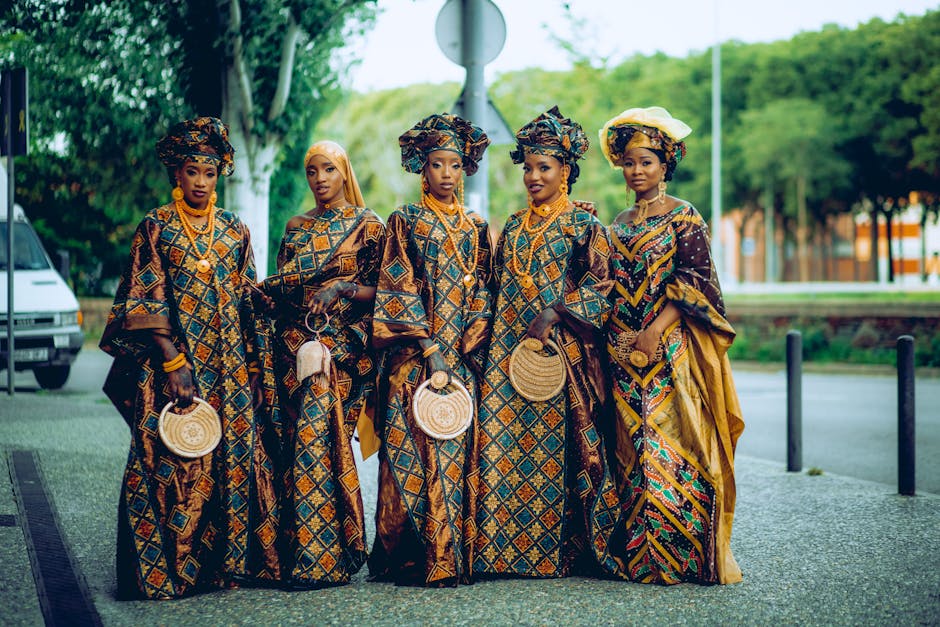
For instance, designers can feed reference images of traditional textiles into image-generation models to create fresh, modern variations. Additionally, you can test different color palettes on the same silhouette, explore drape and volume, or visualize capsule collections without cutting fabric. Therefore, AI becomes a rapid experimentation engine.
However, you must stay thoughtful about intellectual property and cultural respect. Many global AI tools trained on scraped images raise questions around ownership. You can mitigate this by training smaller models on your own archives, collaborating with trusted tech partners, or using tools that respect copyright guidance from sources like WIPO.
From Sketchbooks to Digital Pattern Labs
Traditionally, you move from paper sketches to samples in a long, costly cycle. With 3D design and AI-enhanced tools, you can build accurate digital garments, adjust fit, and test prints before production. Tools like CLO3D and Browzwear already serve this space, and AI enhancements are making them faster and more intuitive.
Moreover, when you combine digital design with AI forecasting, you can align collections with real demand data. For example, data from your e-commerce store can inform which colorways or cuts perform best. Then, AI models can generate new design variations that stay true to that customer signal. As a result, you reduce dead stock and design with confidence.
AI Styling, Influencer Culture and Customer Experience
One of the most exciting shifts is how AI in African fashion is changing styling and customer experience. African influencers, stylists and creators sit at the front line of this change, because they shape what the continent wears and what the diaspora buys.
Consequently, virtual stylists, AI chatbots and personalized lookbooks are becoming key tools. They help you answer everyday questions your customers already ask: What fits my body? How do I style this for a wedding? Which pieces match my skin tone? When you combine AI with the charisma of African creators, you get a powerful mix.
Virtual Stylists for African Body Types
Most generic fashion AI tools focus on global datasets that often ignore African body diversity. However, local startups are starting to build models tuned to real African shapes and sizing data. This matters if your customer base ranges from petite to full-figured, with different proportions than standard Western size charts.
Additionally, AI-driven body measurement tools can help customers find the right size with only a few photos or answers. This reduces returns, increases satisfaction and builds trust in online shopping. If you combine that with local tailors or made-to-measure options, AI becomes a bridge between digital and artisanal craft.
Influencers and AI-Enhanced Content
African fashion influencers on TikTok, Instagram and YouTube increasingly use AI tools behind the scenes. They use AI to brainstorm outfit ideas, generate video scripts, design thumbnails, edit images and even clone their voice for multilingual content. Notably, this lets them speak to audiences from Lagos to London without huge production teams.
Furthermore, the same tools are available to you as a designer or brand owner. You can lean on AI to turn a single photoshoot into many content assets: short-form videos, product descriptions, styling tips and newsletter copy. Then, your human voice adds flavor, culture and credibility.
If you want to stay on top of influencer trends, you can also explore insights from platforms like The Business of Fashion, which track how AI and creator culture intersect globally.
AI-Powered E-commerce: From Lagos to the World
E-commerce is where AI in African fashion can deliver the fastest wins. You already know how hard it is to stand out on social feeds and marketplaces. However, AI helps you act like a data-driven retailer even if you are a one-person brand.
Firstly, recommendation engines can suggest relevant products based on a shopper's browsing history, location, budget and style preferences. Secondly, AI search can handle natural language queries like ‘Ankara dress for plus-size wedding guest’ and return the right items. Thirdly, smart merchandising can adjust what appears on your homepage in real time to match demand.
Moreover, on the operations side, AI helps you forecast which products to reorder, when to offer discounts, and how to bundle items. For cross-border sales, AI can assist with currency conversion, duty calculations and localized content. Therefore, whether you sell from Accra to Atlanta or Nairobi to New York, you can offer a polished, global-grade experience.
Chatbots and Customer Support
AI chatbots are no longer clunky FAQ machines. When tuned well, they become digital stylists and support agents that answer questions 24/7. They can handle queries about size, shipping, fabric care and availability while you focus on design and strategy.
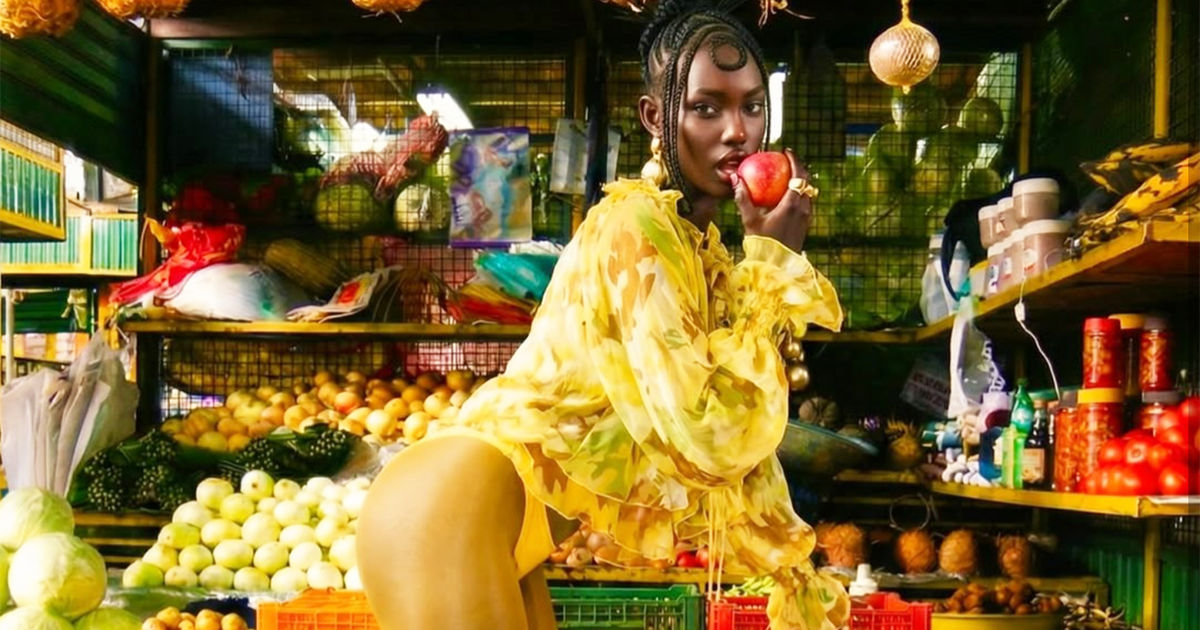
Additionally, if your bot speaks local languages and understands cultural context, you create a more inclusive customer journey. African AI startups already build language models for Swahili, Yoruba, Hausa and more.[3] When these models plug into fashion chatbots, your brand feels more personal and local even as you scale.
Tools You Can Start Using Today
You do not need to wait for the perfect Africa-specific platform before you move. Right now, you can mix global tools with local insight to create a powerful AI stack for your fashion business.
- Design and visuals – 3D design software, generative image tools and AI upscaling for sharper product photos.
- Copy and content – AI writing tools for product descriptions, emails and social captions in your own tone.
- Analytics – AI dashboards that detect trends in sales, returns and customer behavior.
- Chatbots – no-code tools that you connect to WhatsApp, Instagram or your website.
- Recommendation engines – plugins for popular e-commerce platforms that offer smarter product suggestions.
Moreover, research from South Africa shows that AI and IoT offer real potential to reconfigure fashion SME business models, but many still underuse these tools.[7] If you move early and learn fast, you gain an edge. You do not need perfection on day one. You only need a clear goal and a test-and-learn mindset.
Challenges: Data, Skills and Access
Despite the hype, building with AI in African fashion is not friction-free. You will face issues with data quality, internet access, and the cost of advanced tools. Additionally, many founders and designers feel overwhelmed by jargon and unclear ROI.
However, you can break these barriers down step by step. Start with one use case that hits your core pain point, such as better product photos or fewer returns. Then, learn from that experiment before you expand. Local tech communities, accelerators and universities also increasingly run AI workshops that fashion founders can join.[3]
Importantly, you should stay intentional about ethics. Think about how you protect customer data, credit human creatives, and avoid bias in your models. Global conversations on responsible AI, led by bodies like UNESCO, offer useful frameworks. You can adapt them to your own brand values.
Spotlight: Rising African Content Creators Shaping AI Fashion
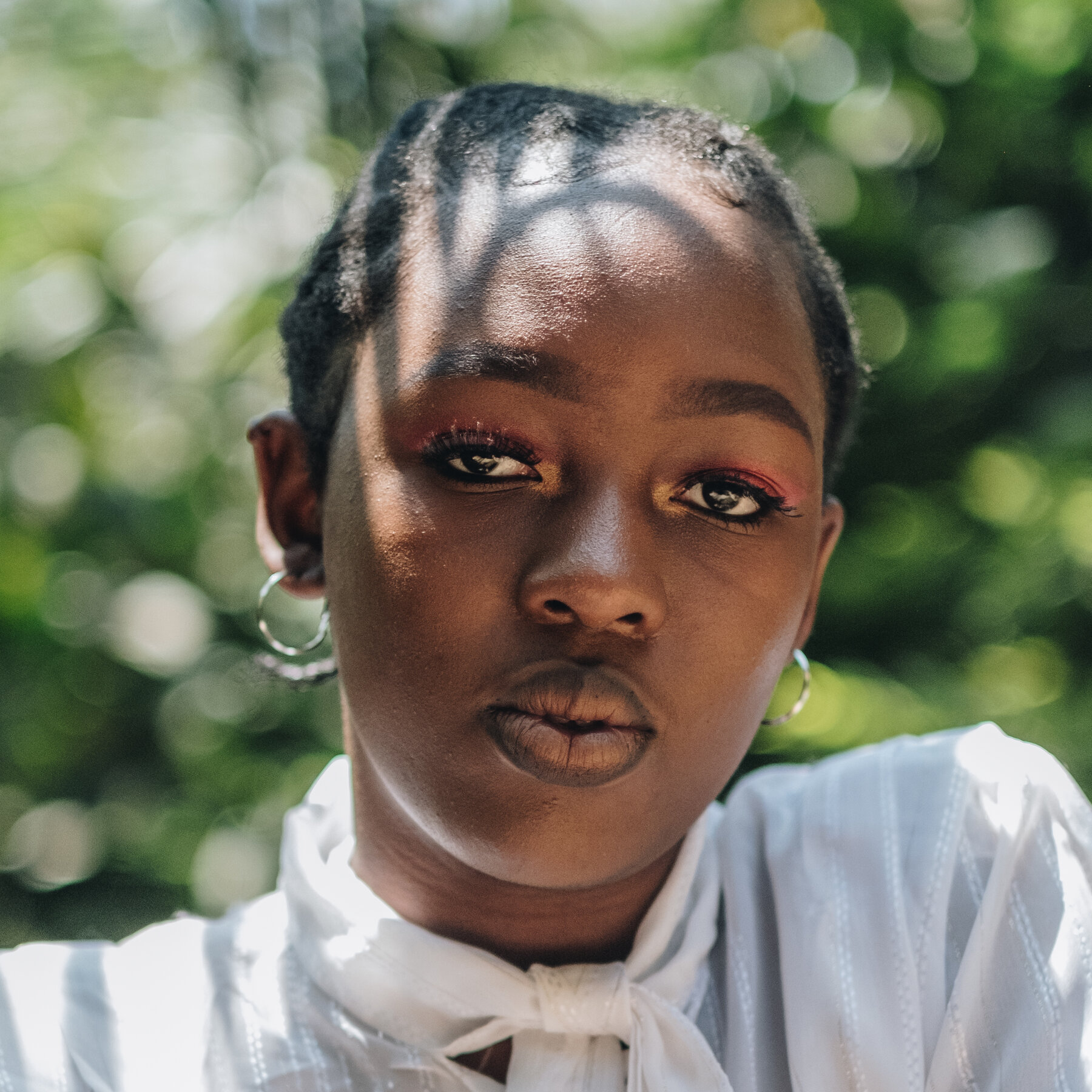
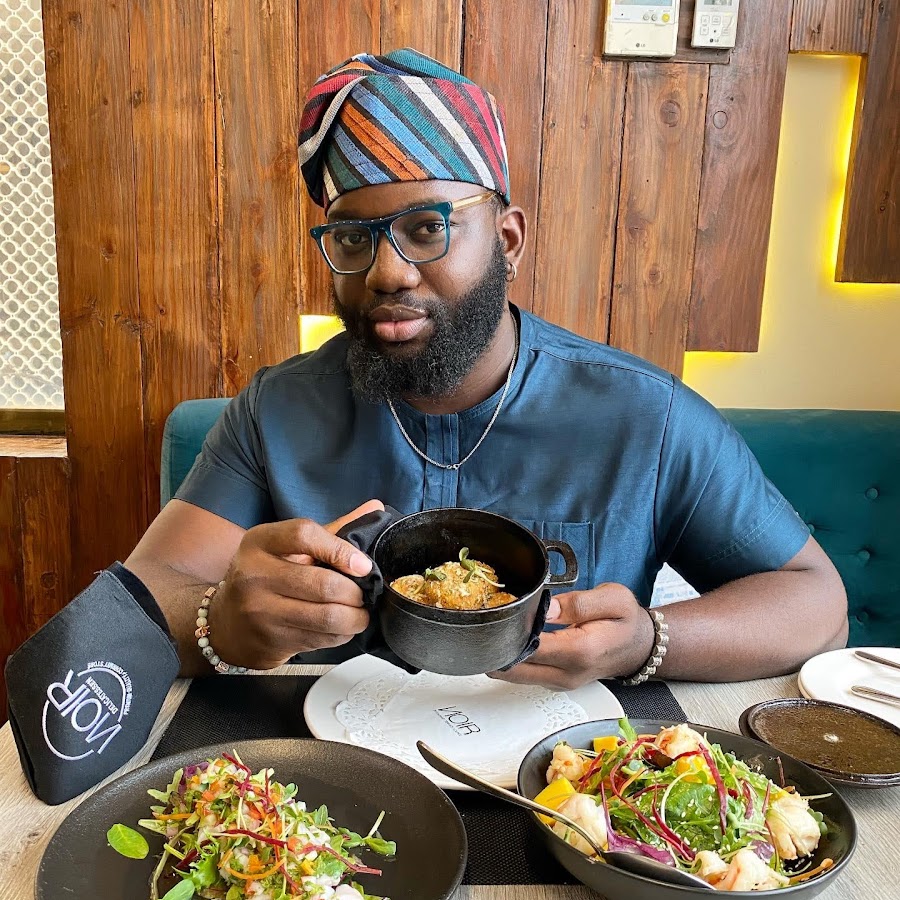
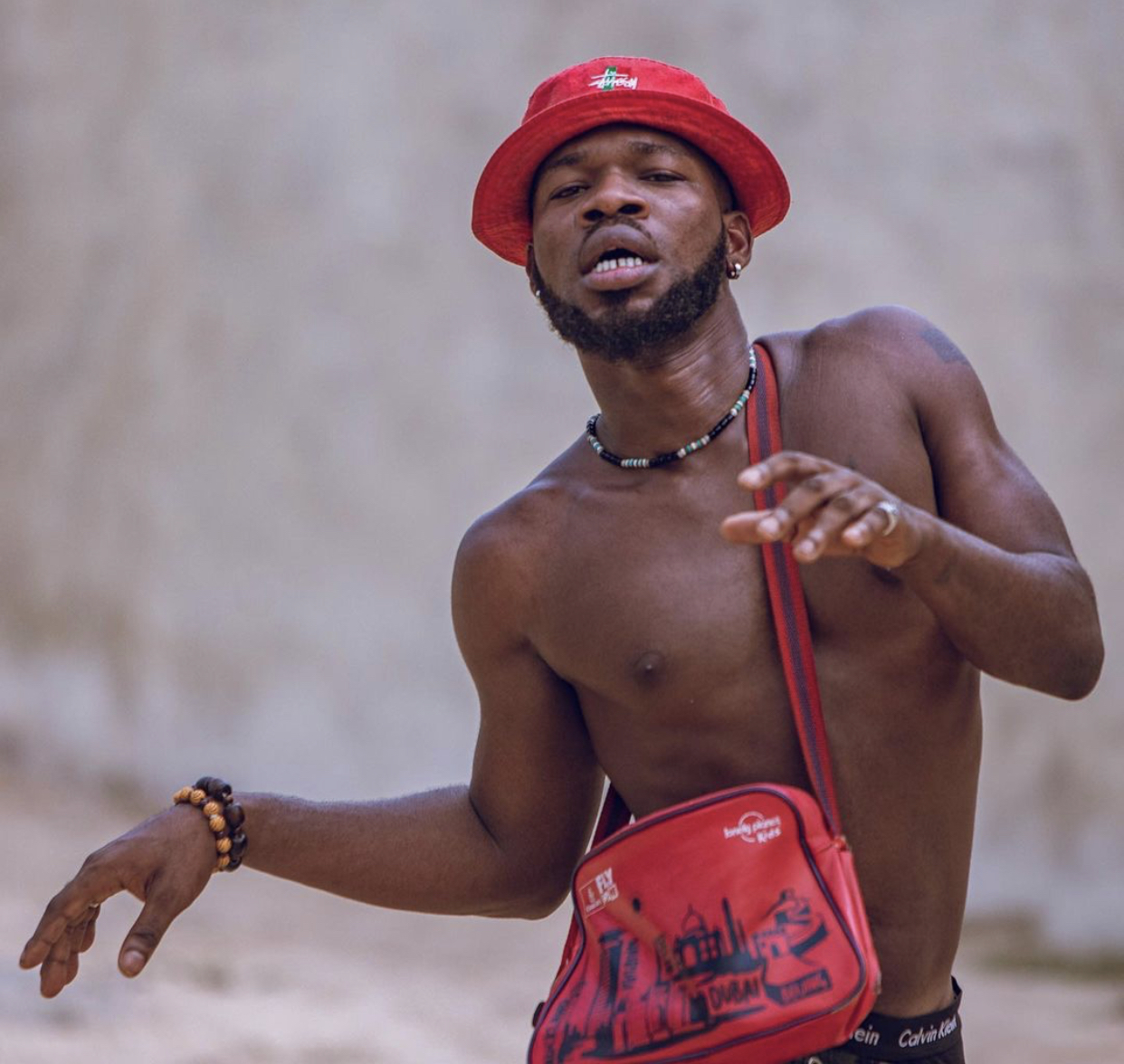
Across TikTok, YouTube and Instagram, African creators already act as real-time labs for AI and fashion. They test tools, remix aesthetics and show what resonates with young audiences. If you want to see where style and tech meet, follow this energy closely.
Moreover, many creators build full businesses around styling, thrifting, DIY and brand partnerships. As they adopt AI editing, virtual try-ons and digital wardrobes, they set expectations for how shopping should feel. If you collaborate with them early, you can co-create AI-powered experiences that feel authentic rather than gimmicky.
On the other hand, do not wait for a perfect list of ‘top’ names. Start with creators already talking to your niche: modest fashion, streetwear, bridal, plus-size, Afro-futurist aesthetics and more. Then, share your own AI journey openly. Invite them to experiment with your tools, test your chatbots or review your new digital lookbooks. Ultimately, this is how you build community and buzz.
How to Get Started with AI in Your Fashion Brand
If you run a label, boutique or fashion media project, the next steps do not need to be complex. You can start small, track impact and scale what works. Here is a simple roadmap you can adapt to your context.
- Define your main pain point – Is it low online sales, high returns, slow content, or poor customer response times?
- Pick one AI use case – For example, adopt a chatbot, upgrade product photos with AI, or use AI to write draft descriptions.
- Choose tools that fit your stack – Focus on platforms that integrate with your e-commerce or social channels.
- Measure impact clearly – Track conversion rate, average order value, content output or support response times.
- Invest in learning – Join webinars, local meetups and online courses focused on AI for creatives.
Additionally, keep your team involved. Stylists, tailors, sales staff and interns all hold insights about where AI can help. When you include them, you reduce fear and spark ideas. As a result, AI becomes part of your culture, not just a top-down decision.
Explore More on Topping Africa
If you are excited about how AI in African fashion connects to wider innovation, you will find plenty of related stories and analysis across Topping Africa. Explore more and stay ahead of the curve.
- Technology – In-depth coverage of African tech startups, AI breakthroughs and digital disruption across sectors.
- Business & Economy – Insights on funding, scaling strategies and the business side of creative industries.
- Culture & Lifestyle – Stories on how fashion, music and lifestyle trends shape modern African identity.
Additionally, you can read more about the latest African fashion, music and celebrity trends in Entertainment and stay informed with the newest stories in Africa News. Remember to subscribe, share your thoughts and leave a comment below to join the conversation on where African fashion goes next.
Final Thoughts: Africa Can Lead the Future of Fashion Tech
AI will shape the future of global fashion. The only real question is whether African creatives will lead or follow. Right now, you have enough evidence to be optimistic. From IyeOgé’s luxury marketplace to Jilatee’s circular platform and a wave of AI-curious designers, the continent is already moving.[1][5]
Moreover, the strengths that define African fashion – rich heritage, bold color, strong storytelling and a young, digital-native population – align perfectly with what AI needs: data, creativity and experimentation. If you pair that with smart business models and ethical thinking, you can build fashion brands that feel both deeply African and globally competitive.
So, this is your moment to act. Start small, learn fast and connect with other founders, creators and technologists on the same journey. Explore new tools, discover fresh collaborations and keep pushing the line where style meets code. The rise of AI in African fashion is already under way. The next big move could be yours.

Staff
Contributing writer at Topping Africa.
0 Comments
No comments yet. Be the first to share your thoughts!