
The Rise of African Creator Houses: How Brand Collaborations Are Rewriting Influencer Culture

African creator houses are transforming influencer culture across Nigeria, Kenya, South Africa, Ghana, and Uganda. Discover how these collaboration hubs blend culture, tech, and brand deals to turn creators into serious media businesses and shape the future of African content.
The New Wave: Why African Creator Houses Matter Now
You are watching a quiet revolution unfold as African creator houses turn casual influencers into serious media businesses. Across Lagos, Nairobi, Johannesburg, Accra, and Kampala, young creators now live, work, and build content under one roof, while brands fund the creativity and join the story. Consequently, this shift is changing how talent earns, how agencies plan campaigns, and how you experience culture online.

Moreover, African creator houses sit at the heart of a bigger trend: the rise of the creator economy and data-driven influencer marketing across the continent.[1][2] Brands now understand that authentic, community-led content beats old-school ads, especially for Gen Z and young millennials.[1][3] Therefore, they are moving budget from traditional media to long-term collaborations with creators who can deliver culture, not just impressions.[1][2]
In this guide, you will see how these houses work, why brand collaborations are evolving, and what this means for African creators like you. Additionally, you will discover key examples from Nigeria, Kenya, South Africa, Ghana, and Uganda, plus practical insights if you plan to launch or join a collective. If you care about influencer culture, tech-driven content, and positive African innovation, this is your playbook.
What Exactly Are African Creator Houses?
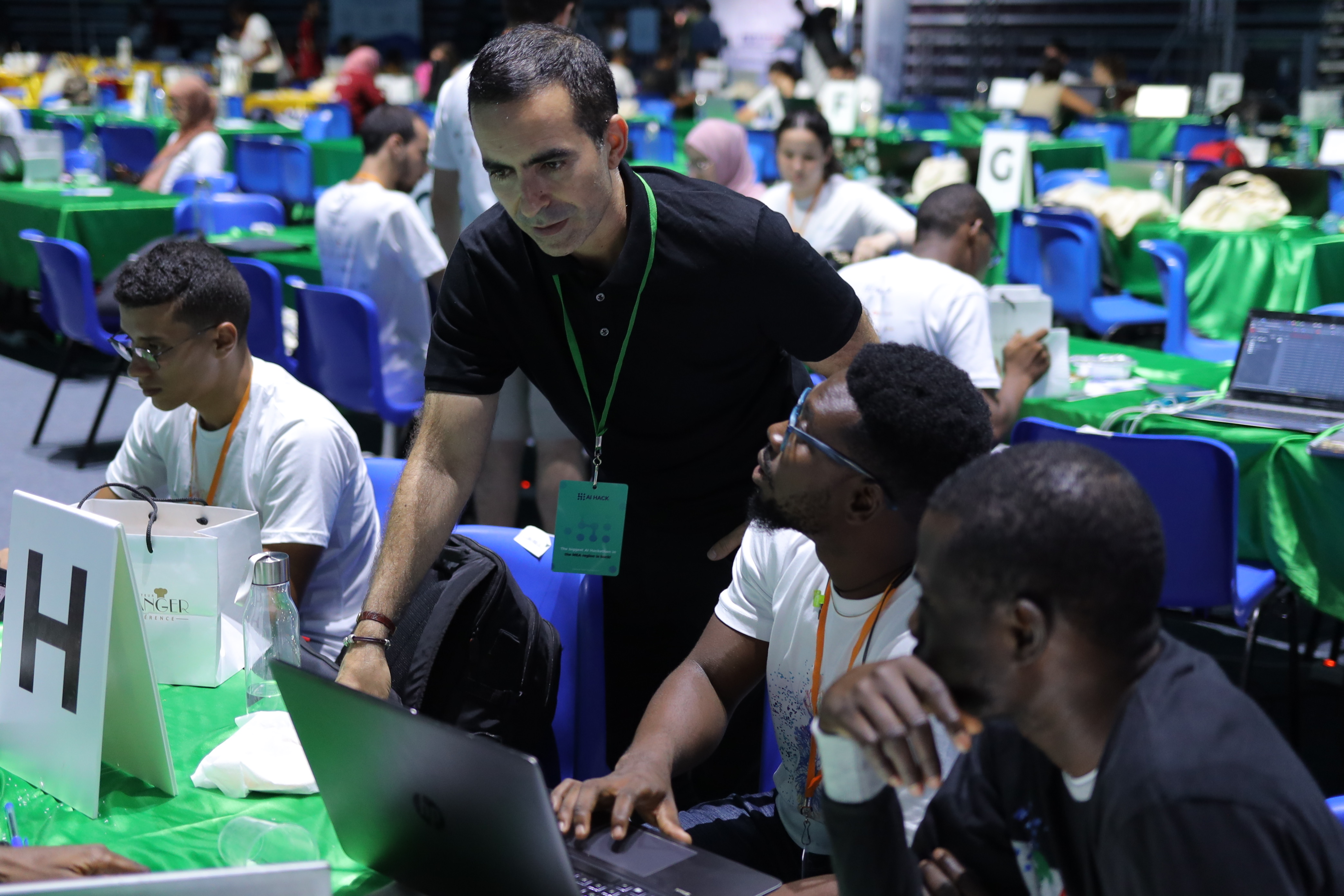
At their core, African creator houses bring together multiple influencers, videographers, editors, and strategists to live or co-create in a shared space. Typically, they pool gear, ideas, and audiences to produce high-volume, highly shareable content across TikTok, Instagram Reels, YouTube, and Snapchat.[1][2] Importantly, these are not just crash pads; they are media studios, talent incubators, and startup labs rolled into one.
Furthermore, many African creator houses now operate like small tech-enabled startups. Teams track views, engagement, and conversions with analytics tools, then feed that data back into campaign ideas.[1][2] As a result, brand partners get faster feedback loops, better targeting, and more accurate performance metrics than they ever had with old influencer deals.[1][3]
In addition, the line between creator and influencer keeps blurring.[5] Creators focus on original content, while influencers focus on shaping opinions and trends.[5] However, within these houses, people wear both hats: they shoot, script, edit, and still drive culture, sales, and brand love at the same time.
Key Features of Modern African Creator Houses
- Shared physical or virtual space: Often a house, studio, or co-working loft in a major city.
- Multi-disciplinary teams: Videographers, editors, stylists, comedians, dancers, gamers, and lifestyle influencers.
- Always-on production: Daily short-form videos, memes, live streams, and brand content.[1]
- Data-driven decisions: Regular analytics reviews to refine content and brand collaborations.[1][2]
- Revenue stacking: Brand deals, platform payouts, merch, events, and sometimes equity in startups.
Notably, this model feels very familiar if you follow global creator houses. However, the African versions build around local cultures, languages, and street trends in ways that global audiences increasingly find fresh and original.[2] That local-first mindset is why brands and agencies are paying attention.
African Creator Houses and Influencer Culture: What Is Changing?
Across Africa, influencer marketing is no longer about one-off Instagram posts or simple shout-outs.[1][2] Instead, you see integrated partnerships, story-led campaigns, and smart use of micro and nano influencers who know their communities deeply.[1][2] Consequently, creator houses have become the perfect infrastructure to coordinate these complex collaborations at scale.
According to recent insights on influencer marketing in Africa, brands are relying more on micro and nano influencers because their audiences trust them and engage more.[1][2] Similarly, short-form video and memes now sit at the center of strategy, especially on TikTok, Instagram Reels, and YouTube Shorts.[1] Creator houses make this constant flow of content possible, while offering brands a one-stop shop for production.
Moreover, the wider creator economy is pushing brands to think beyond traditional ads.[3][8] People, especially Gen Z, dislike interruptive ads and prefer relatable, story-driven content from creators they follow.[3] Therefore, brands that want to stay relevant in Africa increasingly see creator houses as strategic partners, not just vendors.
From Solo Influencers to Collaborative Content Machines
Previously, many African influencers worked alone, balancing content, negotiations, and business operations. Now, creator houses shift that model from solo to squad. Teams brainstorm together, share skills, and build multi-person formats that are harder to pull off alone, like skits, challenges, or branded docu-style shorts.
In addition, this collaboration culture leads to cross-pollination of audiences. When a comedic skit star appears in a fashion creator's video in the same house, both gain followers, and the brand sponsor gains compound reach. Ultimately, this is why you see higher engagement rates and richer storytelling from creator collectives.
For you as a viewer, this means more diverse content and more consistent posting. For you as a creator, it means faster learning, shared costs, and a clearer path to building a real business instead of just chasing viral hits.
Regional Snapshots: Creator Houses Across Nigeria, Kenya, South Africa, Ghana, and Uganda
To understand the rise of African creator houses, you need to look at how different regions are shaping the trend. Each ecosystem reflects local tech adoption, entertainment culture, and brand maturity, but the shared direction is clear: more structure, more collaboration, and more long-term deals.
Nigeria: Lagos as the Creator Capital
Nigeria's youth culture, Nollywood energy, and music dominance make Lagos a natural hub for creator collectives. Furthermore, the city leads in brand spending on influencer marketing, especially in fintech, telecoms, and lifestyle products.[1][2] Creator houses in Nigeria often mix skit makers, fashion influencers, and music-driven content creators who ride Afrobeats and street slang trends.
Moreover, Nigerian agencies and brands now build data-driven influencer campaigns as a standard.[1] They use tech tools to track conversions from social posts, reward high performers, and design diverse influencer fleets that cover multiple segments.[1] Consequently, Lagos creator houses often operate like agile agencies: they pitch campaign ideas, manage production, and even handle distribution across platforms.
If you follow the Nigerian scene, you see how these houses shape memes, catchphrases, and viral challenges that spread across West Africa and the diaspora. As a brand, tapping into one Lagos creator house can now unlock millions of young, mobile-first consumers in days.
Kenya: Tech-Driven Collectives in Nairobi
Kenya's strong mobile money culture and vibrant startup scene create a natural fit for tech-savvy creator houses in Nairobi. Additionally, Kenyan creators lean heavily into TikTok, YouTube, and comedy, often blending social commentary with lifestyle and dance content. Many run group channels that feel like mini digital TV stations.
As African influencer marketing matures, Kenyan brands adopt strategies tailored to local languages and cultural nuances.[2] For instance, campaigns often feature Swahili, Sheng, and English in the same content to mirror real Nairobi life.[2] Creator houses offer brands a built-in understanding of this mix, plus the ability to shoot fast, flexible content that feels native to Kenyan audiences.
Notably, Kenyan collectives also collaborate with local tech startups and fintechs testing creator-led growth strategies. When creators integrate payment apps, ride-hailing, or e-commerce platforms into skits or vlogs, they turn everyday scenes into subtle product demos. Therefore, if you build a startup in Nairobi, partnering with a creator house can accelerate adoption among young urban consumers.
South Africa: High-Production Aesthetics and Brand Studios
South Africa brings advanced production values to the creator house model, thanks to its strong film, advertising, and music video industries. In Johannesburg and Cape Town, you see creator collectives working out of loft studios and creative campuses with pro lighting, sound, and post-production setups.
Moreover, South African audience research shows a clear shift away from scripted, forced ads toward unscripted, real stories.[1] As a result, creator houses in the country blend high-end visuals with relaxed, relatable storytelling. Brands in fashion, auto, and lifestyle often see these collectives as an extension of their internal content teams.
Additionally, South African creator houses are early adopters of tools that merge content and commerce. Live shopping, affiliate links, and shoppable posts allow audiences to buy featured products without leaving platforms.[2] For you as a brand, this means you can track the direct impact of creator house content on sales and not just on likes.
Ghana: Culture-First Content in Accra
Accra's creative scene continues to grow with a mix of music, fashion, photography, and food creators who collaborate frequently. While some Ghanaian creator houses are informal, they still operate like talent collectives with shared studios and rotating guest creators.
Importantly, Ghanaian creators lean into heritage, street style, and Afrobeats to tell global stories with local flavor. Brands that want to tap into younger, style-conscious audiences partner with these collectives for campaigns that highlight culture and pride, not just products. Consequently, you see more brand collaborations that spotlight Ghanaian designers, chefs, and rising artists alongside consumer products.
If you are a Ghana-based creator, joining or forming a house can open doors to regional campaigns across West Africa. As the ecosystem matures, you can expect more structured agency support and cross-border collaborations with Nigerian and South African houses.
Uganda: Emerging Collectives and TikTok-First Content
Uganda's creator scene is still emerging, but Kampala now hosts a growing number of TikTok-first teams that operate like mini houses. Many focus on dance, comedy, fashion, and lifestyle, with cross-appeal across East Africa.
Furthermore, as mobile data access improves and brands get bolder with digital campaigns, these collectives are well-placed to become full creator houses. They already understand how to trigger trends, remix sounds, and ride regional viral waves on TikTok and Instagram Reels.[1][2] With stronger brand investment, you will likely see more formal houses with shared equipment, managers, and structured content calendars.
For Ugandan brands, early partnerships with these emerging collectives can lock in long-term relationships before fees skyrocket. For creators, now is the time to build systems, media kits, and clear collaboration terms so you are ready when big campaigns land.
Why Brand Collaborations Love African Creator Houses
Brand collaborations are evolving fast, and African creator houses sit at the center of that shift. Marketers now look for authenticity, measurable impact, and long-term relationships instead of simple one-off sponsored posts.[1][2][4] Creator houses tick all three boxes.
According to recent insights on African influencer marketing, brands increasingly prefer building long-term partnerships that foster trust, ongoing engagement, and consistent storytelling.[2][3] Additionally, they now use AI and analytics to pick the right creators and optimize campaigns.[2][1] Houses that provide structured reporting, audience insights, and creative strategy naturally become preferred partners.
Moreover, research on creator collaborations shows that the best partnerships align the creator's personal brand with the company’s values and goals.[4][7] Creator houses often curate their members around specific niches, such as comedy, gaming, fashion, or tech, which makes value alignment easier to manage at scale.
Key Benefits for Brands Working with Creator Houses
- Scale and diversity: One collective gives access to multiple creators, formats, and audience segments in a single deal.[1][2]
- Faster production: In-house teams script, shoot, and edit at speed, ideal for trend-driven platforms like TikTok.[1]
- Authentic storytelling: Group dynamics lead to skits, challenges, and behind-the-scenes content that feel organic, not scripted.[1][3]
- Data and learning: Houses use analytics to refine content, target audiences, and track conversions.[1][2]
- Lower risk: Working with a collective diversifies risk compared to betting on a single influencer personality.
Additionally, many African audiences now expect brands to stand for values beyond profit and to support social impact and community stories.[1][2] Creator houses that share those values can help brands express them in a real, grounded way, whether through charity campaigns, youth mentorship, or community events.
To go deeper into these shifts, you can explore broader discussions on the creator economy from platforms like Impact.com and marketing agencies that track global trends such as DEPT.[3][8] Furthermore, you can read more about Africa-focused influencer trends through regional marketing firms that track micro and nano influencer growth.[1][2]
Inside the Business Model: How African Creator Houses Make Money
To thrive, creator houses need more than vibes and viral clips; they need solid business models. Across Africa, many houses now combine several revenue streams to stay sustainable and independent.
Typically, the main driver is branded content, but creators are getting smarter about diversifying their income. Additionally, as influencer marketing becomes a vital strategy in Africa, brands are more willing to commit larger budgets to creators who can deliver both reach and conversions.[2][1] Therefore, houses that treat their operations like real companies, with contracts and clear KPIs, often outperform informal collectives.
Common Revenue Streams for African Creator Houses
- Brand campaigns: Sponsored videos, skits, posts, and integrated product stories across multiple creators.
- Long-term retainers: Ongoing deals where a house becomes a brand's creative partner for a region or vertical.[2][3]
- Affiliate and social commerce: Commission from product sales driven via links, discount codes, or live shopping.[2][1]
- Platform payouts: Earnings from YouTube Partner Program, TikTok creator funds, and short-form bonus schemes.
- Merch and IP: Branded clothing, digital products, or licensing of hit characters and formats.
Furthermore, some houses experiment with co-building products with startups, in exchange for equity or revenue share. For example, a fintech might work with a creator house to co-design a youth banking app experience, turning creators into both marketers and product advisors. Consequently, this blurs the line between influencer marketing and full product collaboration.
If you run or plan to start a creator house, you should think about building a clear media kit, rate card, and case studies. Moreover, you should highlight your data capabilities, creative strengths, and past campaign results to stand out in a crowded influencer market.[1][2][4]
Best Practices: How Brands and Creator Houses Can Collaborate Better
Strong collaboration sits at the heart of successful creator-brand partnerships. As more brands work with African creator houses, the stakes grow higher and so does the need for structure.[4][7] You can avoid most issues by focusing on clear goals, alignment, and open communication from day one.
For Brands: How to Choose and Work with a Creator House
If you represent a brand, you need to look beyond follower counts. Additionally, you should analyze audience demographics, engagement rates, and past collaboration quality.[4][1] Importantly, you must ensure the house’s values, humor style, and tone match your brand identity and risk appetite.[4][7]
- Define clear objectives: Decide whether you want awareness, engagement, app installs, or direct sales.[4]
- Share detailed briefs: Explain your brand story, key messages, and non-negotiable guidelines, but stay flexible.[3][4]
- Give creative freedom: Let the creators do what they do best; audiences can spot forced content instantly.[3][4]
- Set measurement metrics: Track engagement, reach, conversions, and sentiment, not only vanity metrics.[4][1]
- Invest in long-term partnerships: Work with the same houses across multiple campaigns to build recognition and trust.[2][3]
Moreover, you must consider legal and compliance issues. Influencer marketing experts stress the importance of clear contracts, content ownership terms, and proper disclosure of paid partnerships to protect both consumers and brands.[4][7] You can learn more about these requirements from legal guides on influencer marketing and advertising standards bodies in your market.[4]
For Creators and Houses: How to Professionalize and Scale
If you are a creator or part of a house, you need to think like a startup founder. Furthermore, you should build systems for content planning, budgeting, and deal flow, instead of relying only on informal arrangements. Brands trust teams that act like professionals, not just viral stars.
- Clarify roles internally: Decide who negotiates, who handles strategy, and who manages client communication.
- Create standard documents: Use media kits, rate cards, and simple contracts to streamline deals.[4]
- Track your performance: Use analytics tools to measure views, engagement, and conversions for every campaign.[1][2]
- Protect your IP: Clearly define who owns content rights and how brands may reuse your work.[4]
- Prioritize brand fit: Say no to deals that clash with your values or audience expectations.[4][7]
Additionally, you can learn a lot by studying broader influencer marketing strategies and case studies from across Africa.[1][2] As you scale, you should also explore partnerships with agencies and platforms that specialize in matching brands with African creators, while still keeping control of your creative direction.
How African Creator Houses Connect Culture, Tech, and Business
The most exciting part of this movement is not just the money; it is the cultural impact. African creator houses sit at the intersection of social media, entertainment, and entrepreneurship, turning local stories into global content assets.
Furthermore, they showcase positive African innovation by blending technology with storytelling. Analytics, AI tools, and social commerce features turn fun ideas into measurable business outcomes.[1][2][8] As a result, the continent is not just catching up to global influencer culture; it is adding new flavors, formats, and business models that others are starting to copy.
For you as a viewer, this means more authentic African stories on your feed. For you as a creator, it means a clearer path to scale your talent into a serious operation. For you as a brand, it means you can tap into culture with more respect, nuance, and impact than traditional ads ever allowed.
Where to Follow the Next Wave of African Creators
If you want to keep up with the next generation of African content creators, you should follow platforms that spotlight rising talent. Additionally, you can discover trend reports and deep dives into the creator economy from global and regional experts.[1][2][3] Many of these sources highlight African success stories and partnerships that show where the industry is heading.
For a quick snapshot of broader influencer and creator trends, you can explore resources from firms like Contemeleon, which covers African influencer marketing strategies.[2] Moreover, you can track how short-form video and memes continue to reshape brand collaborations in Africa through digital agencies and creator economy platforms.[1][8]
Explore More on Topping Africa
If you are excited by the rise of creator houses and influencer culture, you will find even more stories across Topping Africa. Additionally, you can read more about African tech startups, music, fashion, and positive innovation shaping the continent today.
- Technology: Discover how African startups and creator tools are changing content, commerce, and collaboration.
- Culture & Lifestyle: Explore the trends, subcultures, and creative movements redefining daily life across Africa.
- Entertainment: Read more about the stars, influencers, and houses shaping film, comedy, and music online.
Moreover, you can dive into Business & Economy to understand how creator-led brands, agencies, and startups turn attention into revenue. Ultimately, these stories help you see the creator economy not just as a trend, but as a long-term pillar of African growth.
What This Means for You: Creators, Brands, and Fans
The rise of African creator houses signals a new era where collaboration beats competition and creativity becomes a serious business model. If you are a creator, this is your invitation to think bigger than solo content and explore collective strategies. Furthermore, you should invest in skills, systems, and partnerships that turn your talent into a sustainable career.
If you are a brand, now is the moment to redesign how you work with creators. Additionally, you should seek out houses and collectives that align with your values, understand your market, and can help you tell stories that audiences want to share. When you treat creators as strategic partners, not just media placements, you unlock far more value.
If you are a fan, you play a vital role by watching, sharing, and supporting the creators who represent your world. Ultimately, your attention fuels this ecosystem and gives African stories the power to travel. So, explore more, subscribe to your favorite creators, and share your thoughts on how creator houses are changing the game across the continent.
Ready to go deeper into Africa's creative future? Read more about rising influencers, tech-powered storytelling, and culture-defining movements here on Topping Africa. And do not forget to leave a comment below, share your ideas, and be part of the conversation on where African creator culture goes next.

Staff
Contributing writer at Topping Africa.
0 Comments
No comments yet. Be the first to share your thoughts!