
The New Power Players: How African Sports Influencers Are Redefining Fan Culture Online

African sports influencers are turning timelines into stadiums and redefining how fans experience football, basketball, athletics, and esports. Discover how creators from Nigeria to Morocco shape conversations, drive brand partnerships, and open new doors for young African fans and entrepreneurs.
The Rise of African Sports Influencers in the Digital Era
Across the continent, African sports influencers are turning timelines into stadiums, and comments sections into live watch parties. You no longer wait for TV highlights or radio debates to feel the energy of the game. Instead, you scroll TikTok, Instagram, YouTube, and X, and you plug directly into real-time reactions, smart analysis, and raw emotion from African creators who sound like you and think like you.
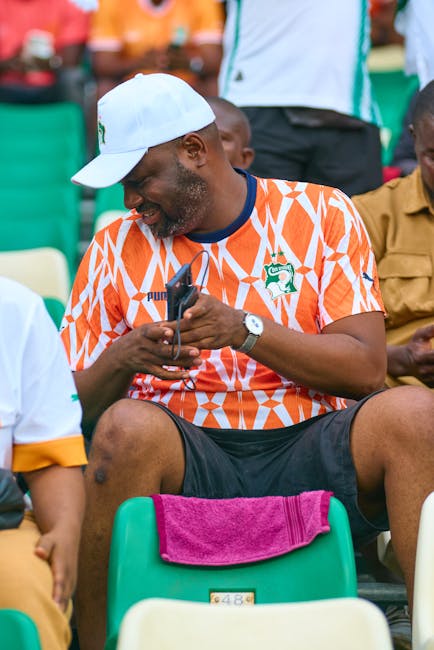
Moreover, these creators are building loyal fan communities around football, basketball, athletics, and even esports. They are not just reacting to the game; they are reshaping how you experience it. As a result, brands, clubs, and leagues now see them as essential partners for reaching young, digital-first fans across Africa and the diaspora.[2][3]
Importantly, this new wave of African sports influencers sits at the center of a wider shift in influencer culture. You see the same changes in fashion, music, and tech content. However, in sports, the shift feels more personal, because it touches your identity, your club loyalty, and your daily online rituals.
From TV Pundits to TikTok Creators: How Fan Culture Is Changing
For decades, traditional sports media decided which stories mattered and whose voices you heard. Today, you open your phone and get instant access to creators from Lagos, Nairobi, Accra, Casablanca, and Johannesburg, all breaking down the game in real time. Consequently, fan culture has moved from passive consumption to active participation.[3]
Furthermore, social platforms reward short, sharp, and visual storytelling. Quick tactical breakdowns, humorous skits, live reactions, and behind-the-scenes clips reach millions without a satellite dish in sight. According to global sports marketing reports, influencers now help brands target specific fan groups with precision, especially Gen Z football fans on TikTok and Instagram.[2]
Ultimately, this shift empowers you as a fan. You can choose voices that match your style, language, and sense of humor. You can also talk back, create your own content, and even build your own audience. In particular, this feedback loop is making African sports communities more interactive, more diverse, and more creative.
Why African Sports Influencers Matter for Clubs, Leagues, and Brands
Today, sports organizations know that social media drives engagement, ticket interest, and even merchandising.[3] However, many clubs and leagues still struggle to create content that feels authentic to young African fans. This is where African sports influencers step in as critical partners.
Moreover, creators build trust by showing up every matchday, sharing honest takes, and responding directly to followers. Fans relate more to an enthusiastic vlogger in Lagos than to a polished, distant club account. Therefore, when brands collaborate with these creators, they tap into communities that already feel like family.[2]
Additionally, athlete influencers and fan creators often produce more agile and creative content than traditional media teams.[1][3] They test new formats, jump on trends, and tailor stories for each platform. If you work in sports marketing or brand strategy, this is the energy you need to plug into across Africa.
Spotlight: Rising African Sports Influencers Redefining the Game
Across Nigeria, Kenya, Ghana, South Africa, Morocco, and beyond, a new generation of creators is reshaping how fans talk about sports online. While some started with simple smartphone videos, many now drive serious conversations, brand deals, and even live events. Explore a few standout names and archetypes you should watch closely.
African Sports Influencers in West Africa: Nigeria and Ghana
West Africa has long powered global football culture, and now its digital voices are catching up. From humorous fan reaction pages to tactically sharp YouTube channels, Nigerian and Ghanaian creators drive some of the loudest football debates on the continent.
- Nigerian football vloggers on YouTube blend match reactions, Premier League commentary, and AFCON analysis. Furthermore, many now integrate live watch-alongs and Twitter Spaces recaps, giving you a multi-platform experience.
- Ghanaian tactics breakdown creators focus on explaining formations, pressing triggers, and player development. As a result, they attract a more analytical fan base, including aspiring coaches and scouts.
- Comedy-driven fan pages on TikTok and Instagram remix viral audio with football clips, letting you laugh at your team’s pain and glory in equal measure.
Additionally, these West African creators increasingly collaborate with local sports betting brands, mobile networks, and streaming platforms. Brands value their ability to spark conversation after every big matchday and tournament.
East African Creators: Kenya’s Multi-Sport Storytellers
Kenya may be known globally for distance running, but online, Kenyan creators increasingly cover football, basketball, and esports. On TikTok and X, you will find hosts who speak fluent Premier League, local Kenyan Premier League, and NBA all in one breath.
Moreover, many East African creators lean into bilingual content, mixing English, Kiswahili, and Sheng. This gives their content a hyper-local flavor while still reaching diaspora fans worldwide. Consequently, they become key partners for brands that want to tap into both local and global audiences.
In addition, Kenya’s growing tech startup ecosystem means many sports creators understand digital tools, analytics, and monetization strategies. You will often see them experiment with live polls, Discord communities, and even NFT-style digital collectibles linked to fan milestones.
Southern Africa: South African Sports Creators Setting Production Standards
South Africa’s content ecosystem brings high production value into the sports space. Many creators there blend sports commentary with lifestyle, fashion, and music, making their pages feel like full culture hubs rather than just scoreboards.
Furthermore, YouTube channels that cover local PSL football, rugby, and basketball often use professional lighting, graphics, and studio setups. As a result, they attract both hardcore fans and casual viewers who enjoy the overall entertainment package.
Notably, some South African influencers also collaborate regularly with TV networks, streaming services, and clubs. This hybrid presence across traditional and digital media shows how far a strong personal brand can travel today.
North Africa: Moroccan and Regional Creators Bridging Arab, African, and European Fan Bases
Creators from Morocco and the wider North African region operate at a powerful cultural crossroads. They speak to African, Arab, and European audiences at once, often in Arabic, French, and English.
Moreover, thanks to the global visibility of clubs and national teams from Morocco, Egypt, and Tunisia, their content travels fast.[2] When they post tactical analysis, chant compilations, or vlogs from stadiums, you see engagements from Casablanca to Paris to Dubai.
As a result, brands looking to reach pan-regional audiences increasingly work with these influencers for special campaigns around World Cup qualifiers, CAF Champions League ties, and major European fixtures.
Inside the Playbook: Growth Strategies of Top African Sports Influencers
If you are building your own sports channel, you can learn directly from how successful creators operate. While every journey is unique, several clear strategies show up again and again.[1][2][3]
1. Platform Focus and Consistency
Most leading African sports influencers pick one primary platform, then expand once they build momentum. TikTok and YouTube Shorts work well for fast growth, while longer YouTube episodes and podcasts deepen loyalty.
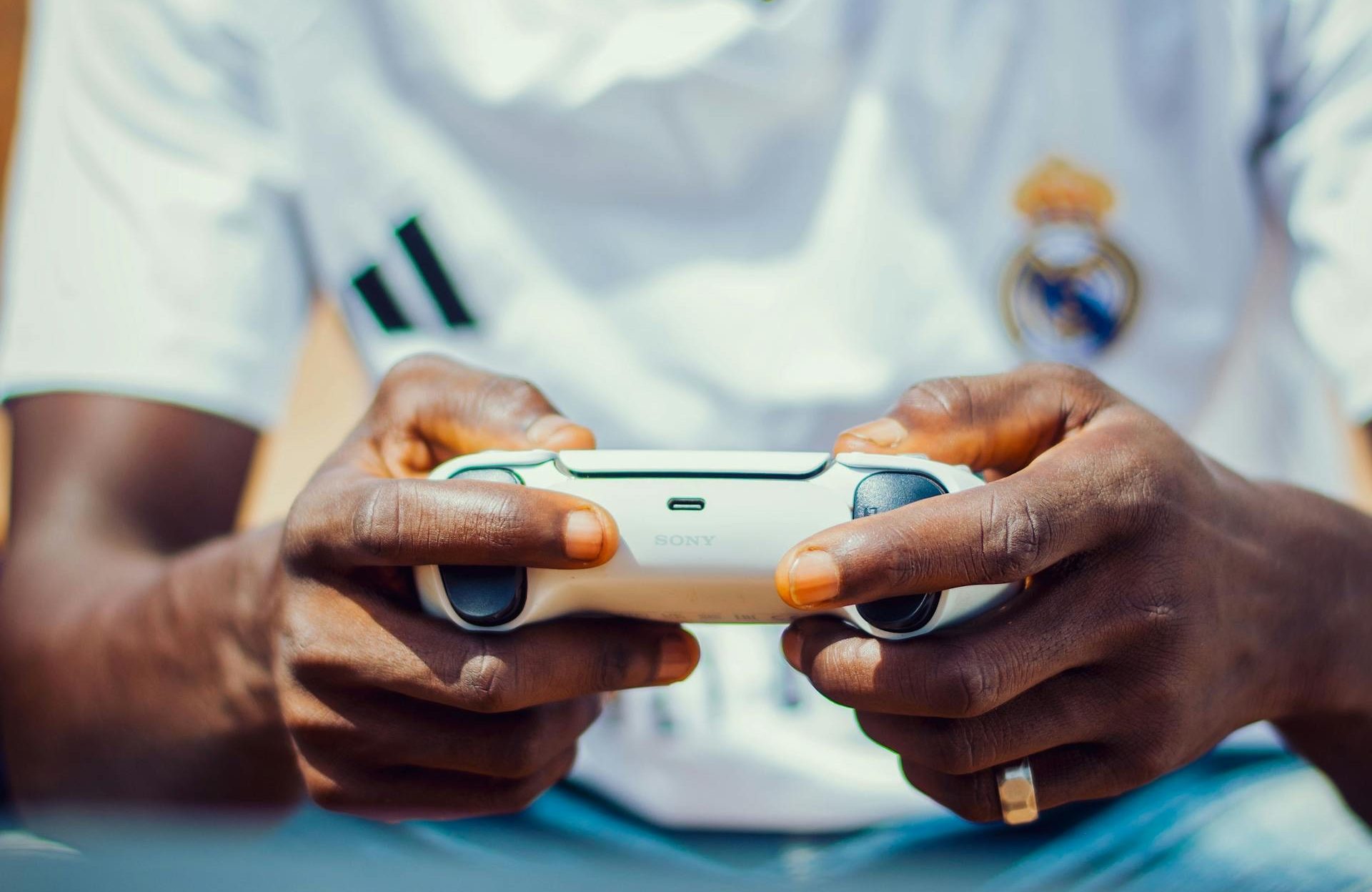
Additionally, they post consistently, often several times per week. Short match reaction clips go up within minutes of the final whistle. Longer breakdowns and interviews follow later in the week. Consequently, their audience learns exactly when to expect new content.[1]
In particular, creators who batch content after training sessions or matchdays save time and avoid burnout. They treat content planning like a training schedule, with clear goals and realistic output targets.[1]
2. Storytelling Over Scorelines
Fans do not follow influencers just for scores. They can find those anywhere. Instead, they stay for storylines, narratives, and emotions.
Moreover, the best sports creators position every piece of content around a human story. For example, they might track a local player’s journey from street football to a European trial, or follow a fan group’s road trip to an away match.
As a result, even casual viewers feel invested in the characters and communities behind the content. This emotional connection is what keeps people watching, sharing, and commenting weeks or months later.
3. Authenticity and Relatability
According to social media engagement research, fans now want to connect with real people, not faceless brands.[3] You see this clearly in the sports space. Influencers who show their real reactions, frustrations, and joy build deeper trust.
Furthermore, African creators who speak in local slang, show their neighborhoods, and involve family and friends in skits feel especially relatable. You feel like you already know them. Therefore, when they recommend a jersey, an energy drink, or a streaming service, it feels like advice from a friend, not an advertisement.
Ultimately, authenticity beats perfection. Even low-budget videos can go viral if the reaction or story feels honest.
4. Short-Form Video as the Front Door
Short-form video on TikTok, Instagram Reels, YouTube Shorts, and Snapchat Spotlight is now the main discovery engine for sports content. Quick highlights, funny edits, and punchy reaction clips help creators reach fans who might never search for them on YouTube or Google.[3]
Additionally, many smart creators treat these short clips as teasers. They then drive viewers to longer YouTube episodes, newsletters, Patreon pages, or even live events. Consequently, you first meet them through a 20-second clip, then become a long-term community member.
In particular, African influencers who master meme culture and local humor do very well on short-form platforms. They know how to turn a missed penalty or a shock defeat into a shareable trending moment within minutes.
5. Data, Feedback, and Constant Experimentation
Behind every viral post, there is usually a creator studying what worked last time. Many leading African sports creators watch their analytics closely. They track watch time, view-through rate, and comment sentiment to refine content decisions.[3]
Moreover, they use audience feedback directly. If followers ask for more tactical breakdowns, they create a weekly tactics series. If polls show interest in women’s football or esports, they expand coverage beyond the usual topics.
As a result, their channels evolve with their community rather than guessing in the dark. This data-driven mindset feels similar to how African tech startups iterate their products using user feedback and metrics.
How Brands and Clubs Partner with African Sports Creators
For clubs, leagues, and brands, working with African sports influencers is no longer optional. It is now a core part of modern sports marketing.[2][3] If you want to reach young fans who live on their phones, you must show up where they already spend time.
Smart Sponsorships and Branded Content
Instead of only buying TV ads, more sports brands now sponsor digital series, challenge formats, and live shows hosted by creators. This branded content fits naturally into the fan’s feed, rather than interrupting it.
Furthermore, brands work with influencers to co-create storytelling campaigns. For instance, a betting brand might sponsor a weekly prediction show, while a streaming platform partners on a match preview series. When the collaboration feels organic, fans accept and even enjoy the sponsorship.
According to sports marketing experts, these influencer-led campaigns often deliver better engagement and conversion than traditional ads, especially among Gen Z and Gen Alpha audiences.[2]
Club Collaborations and Digital Ambassadors
Many clubs now invite influencers to training grounds, stadium tours, and pre-match press conferences. In return, creators share behind-the-scenes content with their followers, giving a more intimate look at club life.
Moreover, some African clubs experiment with naming official digital ambassadors from their fan base. These creators host live Q&A sessions, run half-time shows on social channels, and even appear in kit launches. Consequently, they help humanize clubs and make them feel more accessible.
In addition, international clubs see African influencers as key to growing their footprint on the continent. You will often see major European teams partnering with local creators around pre-season tours, viewing parties, and academy programs.
Esports, Gaming, and Cross-Over Campaigns
The line between traditional sports and gaming continues to blur. Many young African fans follow football on weekends and esports tournaments during the week.
Therefore, some savvy African sports influencers now cover both FIFA esports, NBA 2K, and real-world fixtures in one feed. Brands that sponsor both spaces can run cross-over campaigns that reach fans wherever they play and watch.
Furthermore, global studies on digital fan engagement show that gaming-related content often drives longer watch times and stronger community bonds, especially when creators engage in live chat and interactive formats.[3]
How You Can Build Your Own African Sports Influencer Brand
If you feel inspired to join this wave, you do not need a big budget or studio to start. You mainly need clarity, consistency, and a clear point of view. Here are practical steps you can follow.
Step 1: Define Your Niche and Voice
First, decide what you want to be known for. Do you want to be the funniest match reaction account in Lagos? Do you want to be the best women’s football analyst in East Africa?
Moreover, choose a niche that you truly care about, because you will talk about it every week. If you love tactics, focus on breakdowns. If you love atmosphere, focus on fan culture and stadium experiences.
As a result, your content will feel more focused and memorable. Viewers will know exactly why they should follow you rather than another creator.
Step 2: Pick a Primary Platform and Post Often
Next, pick one primary platform where you will focus at the beginning. TikTok and Instagram Reels are powerful for quick growth. YouTube is ideal for deeper episodes and long-term monetization.
Furthermore, commit to a realistic posting schedule. Start with two or three posts per week, then scale up as you gain confidence. Remember, social platforms reward consistency, not perfection.[1]
In particular, you can repurpose content between platforms. A vertical TikTok clip can also work on Reels and YouTube Shorts with minor tweaks.
Step 3: Design Simple, Repeatable Formats
Strong creators often rely on repeatable formats. You might run a Monday “Weekend Wrap-Up”, a Wednesday “Tactics Talk”, and a Friday “Prediction Corner”.
Additionally, recurring segments make it easier for you to plan and easier for fans to remember. They also help when you pitch partnerships, because brands can sponsor a recurring show instead of a one-off video.
Ultimately, think of your channel like a TV lineup, but with more freedom and creativity.
Step 4: Engage Your Community Like a Team
Your audience is not just a view count. They are your squad. Treat them that way.
Moreover, reply to comments, ask questions, and run polls after big matches. Invite followers to send their own clips and hot takes. As a result, your feed will feel more like a community than a one-way broadcast.
In addition, consider building deeper spaces like a WhatsApp community, Telegram channel, or Discord server. These closed groups often become the core of your most loyal fan base.
Step 5: Learn the Business Side Early
If you want to turn content into income, you must understand the business of sports influencing. This includes brand deals, affiliate links, platform monetization, and even your own products or events.
Furthermore, global sports marketing resources show that athlete influencers and content creators can unlock serious value when they package their audience reach properly for brands.[4] Study how others present their media kits, analytics, and sponsorship packages.
As a result, when opportunities come, you will be ready to negotiate from a place of knowledge, not guesswork.
Where African Sports Influencers Fit in the Wider Culture
The rise of African sports influencers does not exist in isolation. It connects to broader trends in African music, tech, fashion, and celebrity culture.
Moreover, many sports creators collaborate with musicians, fashion designers, and lifestyle vloggers. You will see jersey styling videos, matchday outfit checks, and crossover episodes with DJs or comedians. This blend mirrors how you and your friends experience culture in real life.
In addition, the growth of African tech startups and digital payment platforms makes it easier for creators to monetize through subscriptions, tipping, and merch drops. Positive innovation in fintech and mobile money is fueling a new class of digital-first sports entrepreneurs.
Explore More on Topping Africa
If you want to go deeper into the worlds shaping African sports, culture, and innovation, you can explore more across Topping Africa. Here are a few starting points.
- Sports – Discover more stories on rising athletes, fan culture, and the future of African sports.
- Technology & Innovation – Read more about how African tech startups are transforming media, streaming, and fan engagement.
- Lifestyle & Culture – Explore the intersection of sports, fashion, music, and influencer culture across the continent.
Additionally, you can visit Business & Economy to understand the money, partnerships, and strategy behind these digital movements. Ultimately, the influencers you follow today are building the sports media companies of tomorrow.
Call to Action: Your Turn to Shape African Fan Culture
Now that you understand how African sports influencers are redefining fan culture online, the next move is yours. You can choose to remain a spectator, or you can become part of the story.
Furthermore, you can start by following and supporting the creators who reflect your voice, your language, and your city. Share their content, comment on their posts, and recommend them to friends. As a result, you help grow a healthier, more diverse sports media ecosystem across Africa.
Finally, if you feel that creative itch yourself, pick up your phone after the next match and hit record. Importantly, your perspective matters. Your story might be the one that inspires the next generation of fans. Explore, create, and share your thoughts in the comments whenever you see their work featured on platforms like Topping Africa.
Further Reading and Global Context
If you want to compare African trends with global shifts in sports marketing, you can read more from international experts. For instance, SPORTFIVE explains how influencers help brands reach specific fan demographics with greater precision.[2]
Additionally, Greenfly outlines how social media changes fan expectations, making them want deeper and more human connections with athletes and creators.[3] You can also look at guides on athlete influencer branding that break down content strategy, consistency, and time management for creators.[1][4]
As a result, you will see that African creators are not just catching up with global trends. In many ways, they are leading the conversation with fresh formats, bold storytelling, and a unique fusion of sport and culture. Subscribe to your favorite channels, discover new voices, and read more about these shifts as they continue to unfold.

Staff
Contributing writer at Topping Africa.
0 Comments
No comments yet. Be the first to share your thoughts!