
Namibia Advances N$3 Billion Desalination Project to Boost Water Security in Erongo Region
Namibia has approved a landmark desalination joint venture in the Erongo Region, setting the stage for the country’s largest seawater plant. The project, valued at N$3 billion, is designed to strengthen long-term water security for mining operations and growing coastal towns.
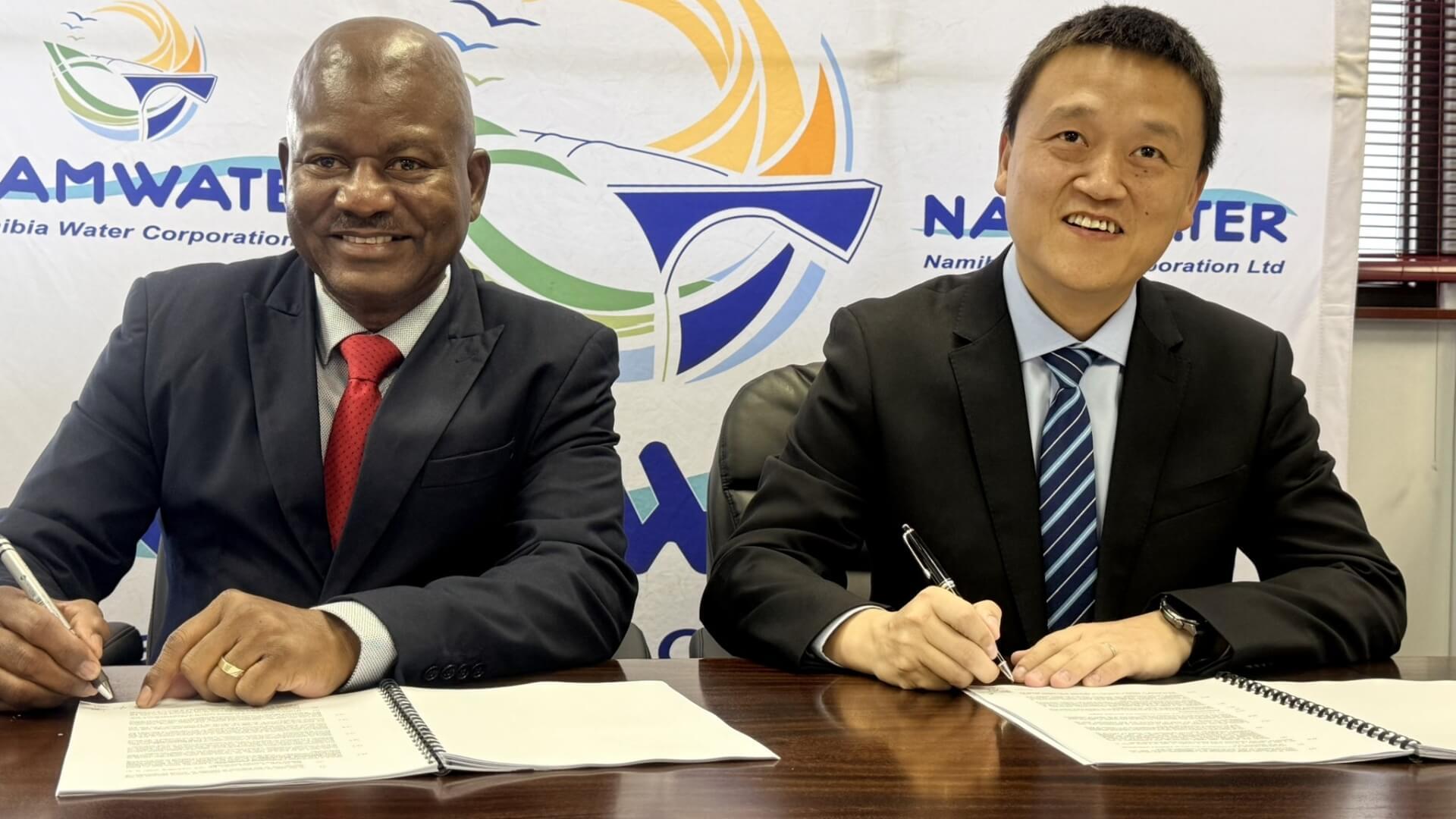
WINDHOEK, NAMIBIA — 2025-12-10 — Namibia’s national water utility has moved forward with a major desalination initiative after sealing a joint venture with Swakop Uranium valued at 3 billion Namibian dollars, according to reports from Xinhua and Reuters. The new partnership will establish the country’s largest seawater desalination plant to support industrial growth and the expansion of coastal populations.
Updated 09:44 UTC.
? Breaking Ground for Namibia’s Water Future! ???
— Namibia Water Corporation (@NamWater_na) December 10, 2025
NamWater & Swakop Uranium launch the Erongo Sunam Desalination JV – securing water for communities, industries & growth. ??#WaterSecurity #NamWater #ErongoSunam #PublicPrivatePartnership #NamibiaRising pic.twitter.com/dfeZEws7ZB
NamWater confirmed that the agreement was signed on 9 December, formalizing plans to build a second large-scale facility along the central coast. Media outlets reporting on the deal say the project site falls within the economically active Erongo Region, home to some of Namibia’s largest mining operations and several fast-growing municipalities.
Under the structure outlined in company statements, Swakop Uranium — a subsidiary of China General Nuclear Power Group — will fund the full project cost and lead technical development, taking a 70 percent ownership stake.
NamWater will hold the remaining shares. Reuters said the newly formed Erongo Sunam Desalination Project will now begin registrations, engineering design, environmental reviews, and construction planning.
NamWater described the facility as a key addition to the country’s long-term water network, noting that demand from mining operations and urban centers in Erongo has outpaced traditional freshwater sources. Local coverage highlights that Husab, one of the world’s largest uranium mines and operated by Swakop Uranium, is among Namibia’s biggest water users.
Earlier government disclosures indicate the new plant will deliver at least 20 million cubic meters of desalinated water annually in its initial phase, complementing an existing private desalination facility that already supplies much of the central coast.
Namibia’s agriculture and water ministry has previously outlined the project as part of a broader strategy to stabilize supply amid population growth, climate stress,s and rising industrial activity.
NamWater has repeatedly warned that erratic rainfall and constrained freshwater reserves are heightening pressure on inland aquifers and dams. Industry publications such as Smart Water Magazine note that the NamWater–Swakop Uranium arrangement follows years of feasibility studies and Cabinet approvals aimed at attracting private capital to strategic water infrastructure.
Analysts say the new plant is part of a longer-term vision for coastal desalination that could eventually support inland transfers, including potential cross-border connections.
NamWater has, in the past, explored piping desalinated water from the Atlantic coast through central Namibia and onward to Gaborone, Botswana, a concept regional planners say could support development corridors across Southern Africa.
Reactions
Local press previously quoted NamWater chief executive Abraham Nehemia describing the additional desalination capacity as essential for safeguarding coastal and inland supply. Agriculture and Water Minister Calle Schlettwein has also publicly endorsed the project, emphasizing its role in enhancing national resilience to climate variability.
Swakop Uranium officials have said the company aims to reduce pressure on existing NamWater allocations by investing in alternative water solutions and recycling systems for the Husab mine. Reports from Chinese state-linked outlets have also framed the venture as a flagship example of China–Namibia industrial cooperation.
Coverage in the Erongo Region suggests that many businesses welcome the news, citing recurrent water shortages as a major constraint on growth. Environmental groups, however, continue to call for stringent impact assessments, pointing to concerns about brine disposal and energy consumption associated with large-scale desalination plants.
Regional institutions, including the Southern African Development Community, list climate-resilient water infrastructure as a key priority for addressing drought in shared basins. Analysts note that Namibia’s new project adds to a growing catalog of water and energy investments, ts drawing attention from the African Union and development lenders seeking scalable models for water security.
Context & Significance
Namibia is among the driest countries on the continent, relying heavily on managed aquifers and long-distance pipelines. Government planning documents underscore that climate change and demand growth have made diversification of supply critical.
The existing coastal desalination facility, built more than a decade ago to service uranium mining, has since become an integral part of NamWater’s distribution system.
By introducing a larger, jointly financed plant, Namibia aims to underpin future investment in mining, logistics, and energy ventures — including green hydrogen initiatives planned for the central corridor.
Business groups and industry publications stress that a reliable bulk water supply is increasingly seen as a prerequisite for major capital deployments.
For other African nations facing similar climatic pressures, Namibia’s model demonstrates how public utilities and large industrial off-takers can share the financial burden of desalination infrastructure.
Analysts point to Morocco, South Africa, Djibouti, and Egypt as examples of coastal states exploring comparable strategies to secure water for cities, ports, industrial parks,s and tourism hubs.
What’s Next
Reuters reports that the project’s next phase includes completing registration processes, finalizing engineering designs, ns and navigating environmental and regulatory approvals before construction can begin.
NamWater has signaled that financial close is targeted by year-end, pending final due diligence.
Sector publications say the plant will initially deliver a minimum of 20 million cubic meters annually, with the flexibility to scale as mining and community demand evolve.
Officials have also indicated that expanded desalination capacity may eventually support wider distribution networks, including potential transfers to Windhoek and future cross-border supply discussions with Botswana.
Staff
Contributing writer at Topping Africa.
0 Comments
No comments yet. Be the first to share your thoughts!