Inside Africa’s Creator Economy Boom: How Influencers Are Building Real Businesses
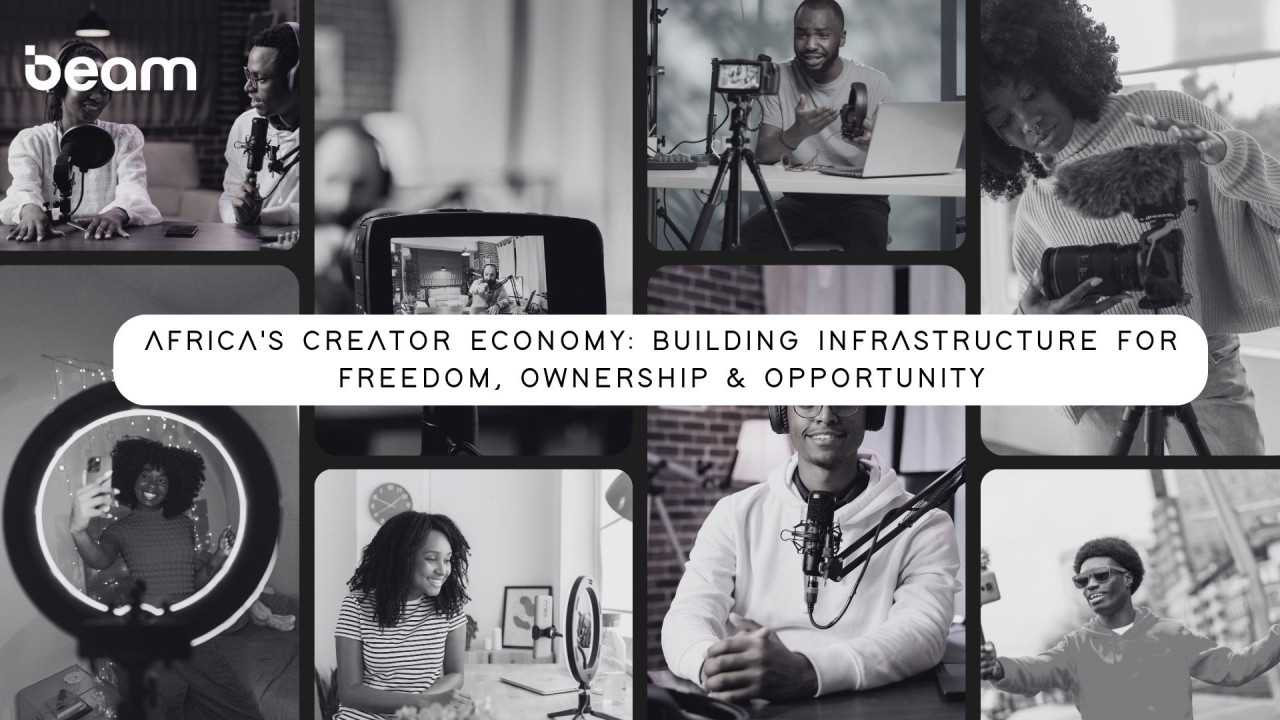
Africa’s creator economy is exploding, turning influencers into real business owners with diversified income streams and global reach. Discover how African creators on TikTok, Instagram, and YouTube are building sustainable brands, products, and companies across the continent.
Inside the African Creator Economy Boom
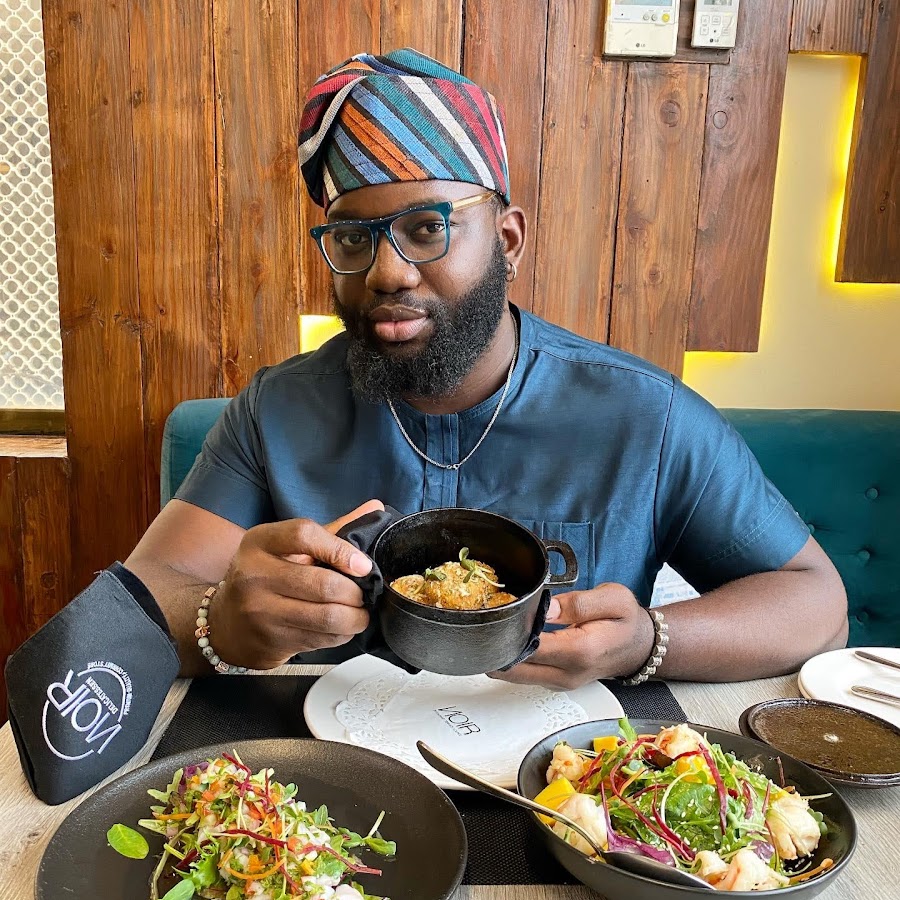
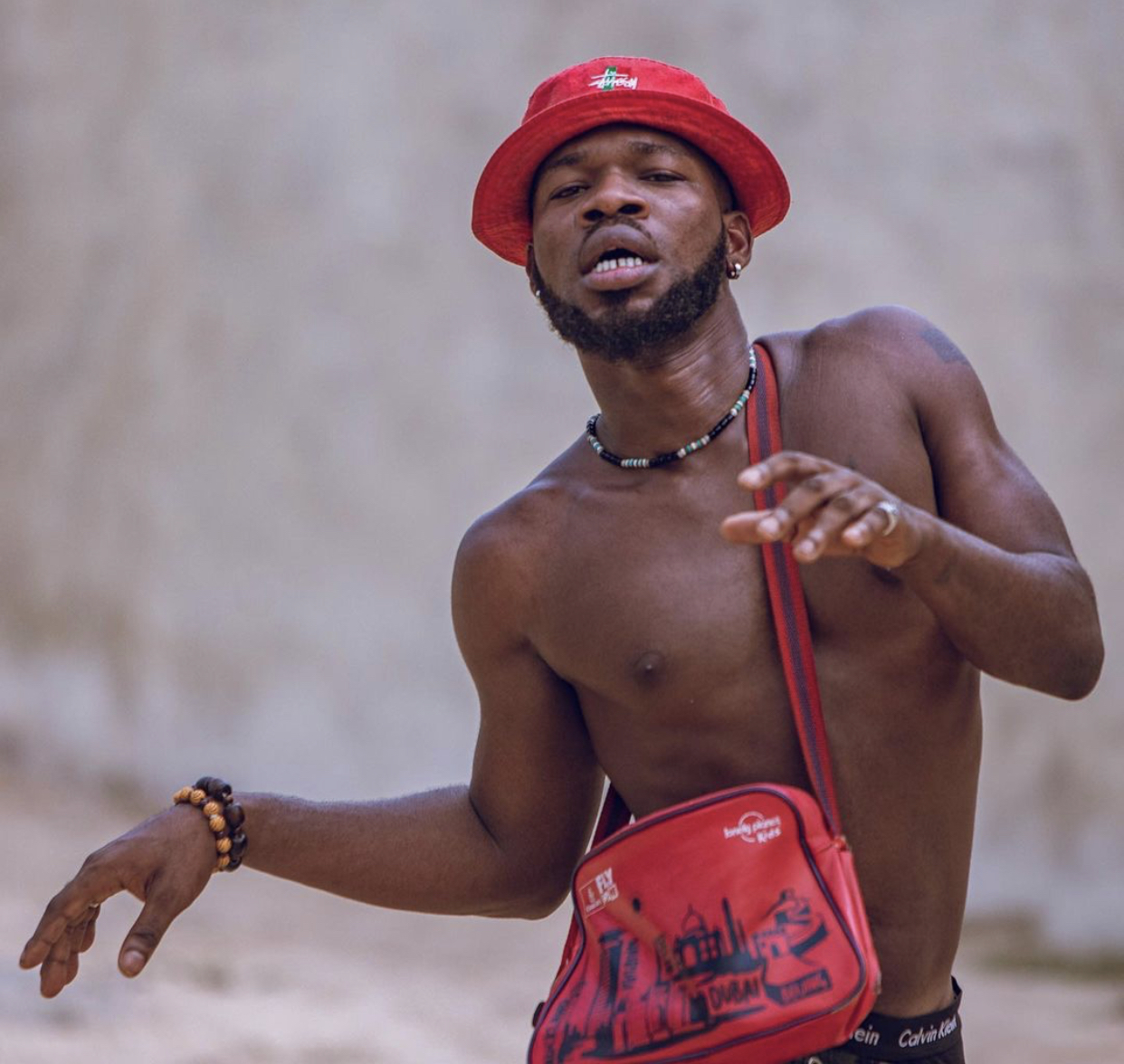
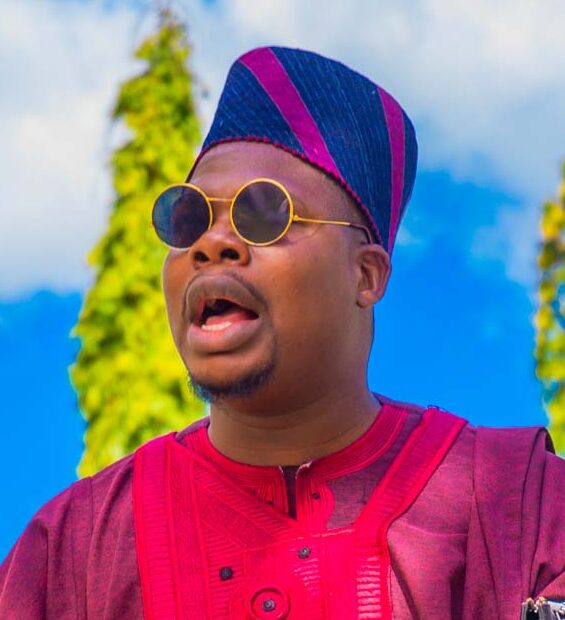
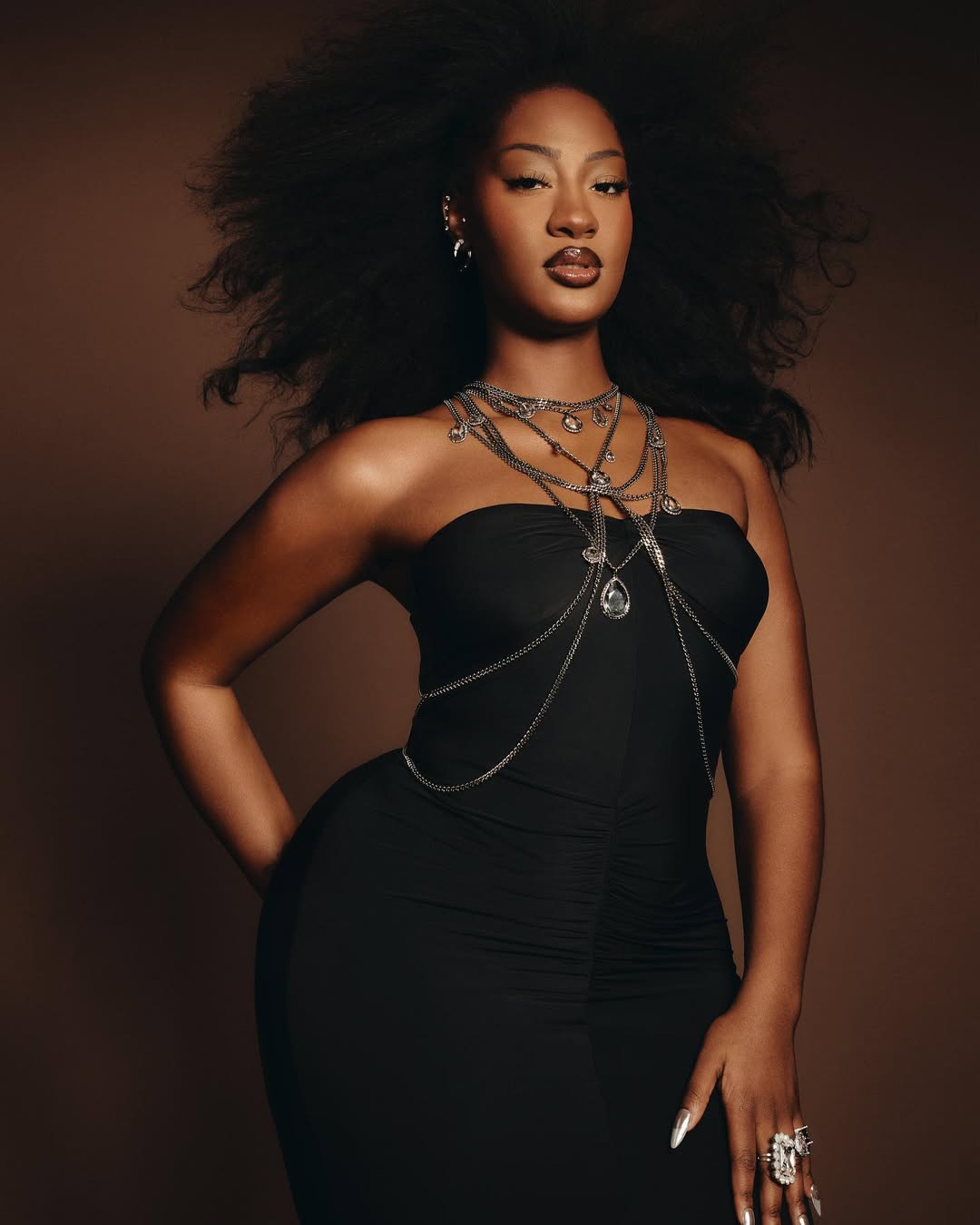
The african creator economy is no longer a side hustle story. Today, creators from Lagos to Nairobi are turning TikTok dances, Instagram style edits, and YouTube vlogs into real, growing businesses. Moreover, they are building teams, exporting African culture, and shaping how global brands think about the continent.

According to recent estimates, Africa’s creator economy is worth over $3 billion and could surge to nearly $18 billion by 2030.[1][2][8] Additionally, this growth rides on cheaper smartphones, faster internet, and a young, hyper-online population hungry for authentic African stories.[2][3][4] If you create content today in Africa, you are not just chasing likes — you are sitting inside one of the continent’s most exciting new industries.
Importantly, this feature walks you through how influencers and digital creatives across Africa build sustainable revenue streams. Furthermore, you will see how they use brand deals, digital products, and cross-border collaborations to turn followers into full-scale businesses. Ultimately, you will learn practical lessons you can apply to your own creator journey.
What Makes the African Creator Economy Different?
Globally, the creator economy describes independent creators using the internet to earn a living from their skills and audience.[3][4] However, the African version comes with unique advantages and challenges. On the one hand, African creators operate in fast-growing markets with rising mobile access and a booming youth demographic. On the other hand, they face lower ad rates, payment barriers, and uneven infrastructure.
Notably, analysts value the African creator economy in the low billions today and project explosive growth over the next decade.[1][2][4][8] In particular, one report suggests the market could reach around $17–18 billion by 2030, growing at more than 20% annually.[1][2][4][8] Consequently, creators are no longer just influencers; they are founders in a new digital industry that blends culture, tech, and commerce.
Furthermore, this ecosystem connects directly to Africa’s wider innovation story. As African tech startups build fintech, logistics, and marketplace solutions, creators plug into these tools to manage payments, sell products, and reach fans across borders. Therefore, the african creator economy sits at the crossroads of technology, entertainment, and entrepreneurship.
Why Now? The Key Drivers of Growth
Several powerful shifts explain why creators in Africa are building businesses faster than ever before:
- Mobile-first audiences: Africa has hundreds of millions of mobile internet users, many accessing social apps daily.[2][4]
- Social-first culture: Additionally, platforms like TikTok, Instagram, and YouTube are now primary discovery channels for music, fashion, and trends.
- Fintech rails: Moreover, mobile money and digital payments make it easier to pay creators and buy from them across borders.[4]
- Global demand for African culture: Afrobeats, Amapiano, African streetwear, and Nollywood have global fans, pulling attention back to local creators.
- Rising creator tools: In addition, African and global startups offer editing apps, link-in-bio tools, storefronts, and analytics tailored to creators.[4][7][9]
For instance, brands that once spent only on billboards now direct serious budgets towards local influencers and niche digital communities.[8] Consequently, creators who understand their audience and treat content like a business are winning big.
How African Creators Turn Followers Into Revenue
If you are serious about this space, you need to understand the business models behind the african creator economy. Furthermore, most successful African creators stack multiple income streams rather than rely on one platform or one brand. Specifically, they mix advertising revenue, brand partnerships, product sales, and sometimes even equity in startups.
In particular, three monetization pillars dominate the continent today: brand deals and sponsorships, platform revenue, and owned products or services. Additionally, more creators now explore IP licensing, events, and community memberships as their brands mature. As a result, the creator’s income looks more like a diversified company than a single freelance gig.
1. Brand Deals, Influencer Marketing, and Long-Term Partnerships
Brand collaborations remain one of the most visible income sources for African creators. Moreover, as global and African brands chase Gen Z and young millennials, they lean on local voices who already own the culture. From fintech apps to telcos, beauty lines to streaming platforms, marketing teams now design campaigns around influencers first.
For instance, Nigerian and South African TikTok stars often lead dance challenges for new songs, driving streams on platforms like Spotify and Boomplay. Additionally, fashion and beauty creators partner with cosmetics and hair brands to localise global trends for African skin tones and styles. Consequently, a single successful campaign can fund better equipment, new hires, or seed capital for the creator’s own product line.
However, the most powerful brand work now happens through long-term partnerships rather than one-off posts. Therefore, savvy influencers negotiate year-long ambassador roles, content series, and revenue-sharing deals. Furthermore, they track performance data to prove their value and justify higher rates over time.
2. Platform Revenue: YouTube, TikTok, Instagram, and Beyond
YouTube’s Partner Program and TikTok’s creator-focused features also fuel the african creator economy. Additionally, these platforms pay eligible creators through ad revenue, funds, and bonuses, usually based on views and engagement. However, the challenge is that African CPMs (cost per thousand views) often pay less than those in North America or Europe.
Consequently, many African YouTubers and TikTokers aim for global audiences or diaspora viewers to boost their earnings. For example, English-language tech reviews from Nairobi can reach audiences in the US, UK, and India, not just Kenya. Meanwhile, creators who mix local languages with subtitles still attract diaspora fans hungry for authentic African content.
Furthermore, Instagram’s monetization tools, like shopping tags, affiliate links, and badges, help creators earn from livestreams and product recommendations. In addition, some African platforms and video-on-demand services now experiment with revenue-sharing or licensing deals for top creators, adding more options beyond the big global apps.
3. Digital Products, Courses, and Exclusive Communities
Ultimately, the most resilient creators in Africa build digital products they own. Additionally, this includes e-books, presets, editing packs, templates, online courses, workshops, and membership communities. Because these products do not depend on algorithms, they give creators more control over income.
According to emerging creator reports, thousands of African creators already sell digital products to fans across Nigeria, Ghana, Kenya, South Africa, and beyond.[5][7][9] Notably, tools like paywalls, online course platforms, and storefront builders make it easier to manage sales and delivery. As a result, a fashion influencer can launch a styling e-book, while a comedy creator can host private virtual shows for paying subscribers.
In addition, some creators now build subscription communities on messaging apps or private platforms. Therefore, superfans pay monthly for exclusive content, direct access, and deeper learning. If you build a loyal community, this model can become your most stable and scalable revenue stream.
4. Merch, Events, and Offline Extensions
While Africa’s digital world grows fast, offline still matters. Consequently, creators now launch merch lines, pop-up experiences, and live shows to deepen their brand. This is especially visible in music, comedy, and fashion, where fans want to wear, see, and experience their favourite creator’s world in real life.
Moreover, some creators partner with African fashion designers, local printers, and event spaces, so revenue circulates within the ecosystem. For instance, a content creator who hosts a live show in Accra can work with a local videographer, DJ, stylist, and ticketing startup. Additionally, this ripple effect turns creator-led projects into mini economic engines for their cities.
If you are planning to scale your brand, you should think about offline touchpoints early. However, always ensure your digital audience is strong enough to support the cost of events and merchandise before you invest heavily.
Case Studies: African Creators Building Real Businesses
To understand the african creator economy, you need to look at how individual creators convert influence into enterprise. Furthermore, their journeys show what is possible when you mix creativity with strategy. While every creator’s path is unique, some patterns stand out across different regions and niches.
Importantly, the examples below are not only mega-celebrities but also digital-native creators who scaled from phones to full companies. Additionally, they reflect broader trends across music, comedy, fashion, tech, and lifestyle content in Africa.
Music and Culture: From Streams to Global Brands
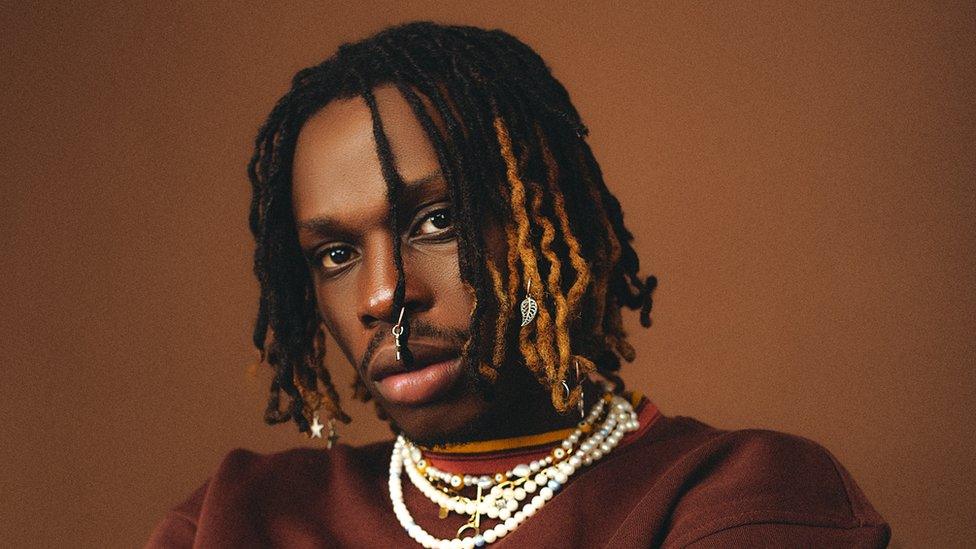
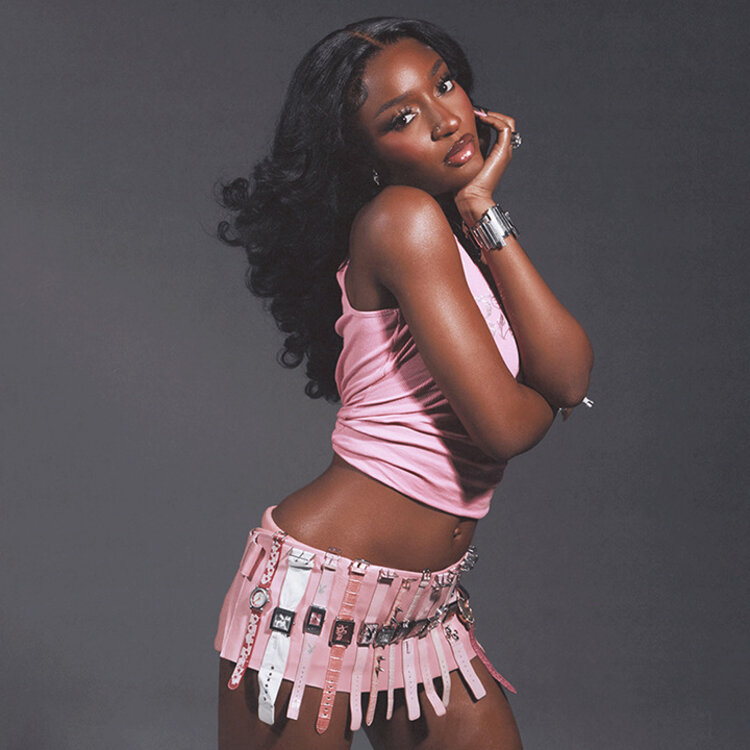
African music creators are some of the biggest winners in this new economy. For example, artists like Burna Boy and Ayra Starr use social platforms to fuel fandom and demand for tours, merchandise, and brand deals. Additionally, viral TikTok challenges often decide which songs become club hits and which artists get booked for global festivals.
Moreover, dancers and choreographers who create signature challenges gain influence of their own. They earn from sponsored content, dance tutorials, and collaborations with labels and streaming platforms. Consequently, they become key partners in launch strategies for new singles, EPs, and albums.
Meanwhile, DJs and music curators use YouTube, TikTok, and Instagram Reels to showcase Amapiano, Afrobeats, and Afro-house. In addition, they build followings that translate into bookings, residencies, and brand partnerships. If you operate in the music space today, you are part of a multi-layered creator value chain.
Fashion, Beauty, and Lifestyle: Styling a New African Aesthetic
Across African cities, fashion and lifestyle creators redefine what style looks like for a digital generation. Furthermore, they highlight local designers, African streetwear labels, and beauty products designed for African skin and hair. Consequently, global brands now rely on these creators to avoid tone-deaf campaigns and to gain local trust.
For instance, many Nigerian and South African beauty influencers now co-create product lines, not just run paid posts. Additionally, some sign revenue-sharing deals or launch their own brands after building loyal communities online. Therefore, their business models resemble direct-to-consumer startups more than traditional influencer gigs.
Moreover, fashion creators often collaborate with photographers, stylists, and videographers to produce editorial-quality content from their cities. As a result, they attract both local and international shoots, lookbooks, and campaigns. If you care about African fashion’s global rise, these creators sit at the centre.
Tech, Gaming, and Education Creators: Building Knowledge Businesses
A growing wave of African creators in tech, finance, and education is also reshaping the african creator economy. Additionally, they simplify complex topics like coding, investing, crypto, productivity, and career growth for young audiences across the continent. Because formal training often lags behind industry change, these creators fill a critical gap.
Furthermore, many combine YouTube or TikTok content with full online courses, mentorship communities, and digital products. Consequently, they generate income from both B2C learners and B2B corporate training deals. In particular, their audiences often span the diaspora, multiplying their earning potential.
Similarly, African gamers and esports creators stream on platforms like YouTube and Twitch, attract sponsorships, and sometimes host tournaments. Moreover, they help shape the early gaming culture in markets where infrastructure is still emerging. If you are in tech or gaming, content can be your fastest route to building authority and opportunity.
Cross-Border Collaborations and the Power of Pan-African Audiences
One of the most exciting features of the african creator economy is how quickly it becomes pan-African. Additionally, creators from Kenya, Nigeria, Ghana, South Africa, and beyond now collaborate across borders as easily as across neighbourhoods. Social platforms erase distance, so your collaborator can be in Addis Ababa while your audience sits in Nairobi, London, and Johannesburg.
Moreover, cross-border collaborations often unlock new revenue. A Kenyan travel vlogger who partners with a South African fashion influencer can suddenly appeal to tourism brands in both markets. Consequently, both creators gain leverage when approaching hotels, airlines, and lifestyle brands.
In addition, brand campaigns increasingly span multiple African markets at once. Therefore, regional agencies look for creators who understand local nuance but can speak across borders. If you position yourself as a pan-African voice, you become a natural partner for these integrated briefs.
How Creators Use Platforms to Go Global
Beyond the continent, African creators use platforms to reach Europe, North America, the Middle East, and Asia. Furthermore, diaspora audiences often act as bridges, sharing content into new markets and introducing brands to local stars. Notably, this global reach amplifies the economic and cultural impact of African creators.
According to industry analysis, global marketers increasingly view Africa’s creator ecosystem as the next major growth frontier.[8] Additionally, they see creators as key to unlocking youth markets and authentic storytelling. As a result, creators who understand global narratives, analytics, and negotiation can secure significant international deals.
If you aim for global scale, you should optimise for discoverability: smart titles, searchable topics, multilingual captions, and cross-posting. Moreover, you should adapt formats for different platforms while keeping a clear core story and brand identity.
The Infrastructure Behind Successful African Creators
Behind every visible creator, a quiet infrastructure of tech and services powers the work. Additionally, this includes African tech startups, agencies, payment platforms, and legal support. Together, they form the rails of the african creator economy and help creators move from solo hustlers to structured businesses.
Key Players: Startups, Tools, and Marketplaces
Across the continent, startups now build products tailored to creators and digital entrepreneurs.[4][7][9] Furthermore, these tools handle everything from audience analytics and collaboration to payments and storefronts. If you plan to scale, working with the right tools can save you time and unlock new revenue.
In particular, several categories matter most:
- Fintech and payments: Additionally, platforms that support international cards, mobile money, and payouts in local currencies help creators sell globally.
- Creator platforms and storefronts: Moreover, they let you host courses, sell digital products, and manage subscriber communities.
- Influencer marketing platforms: Consequently, they connect brands with vetted creators and streamline contracting, briefs, and reporting.
- Production and editing tools: In addition, accessible editing apps, scheduling tools, and AI assistants speed up content production.
If you want to learn more about the underlying trends, you can explore reports like the African Creator Economy Report by Selar or broader overviews from platforms like Africa Creator Economy and agencies such as Digitas.[5][7][8][9] Additionally, these resources provide deeper data on income ranges, business models, and growth opportunities.
Teams, Agencies, and the Professionalisation of Creators
As revenue grows, professional creators rarely work alone. Consequently, many build small teams with managers, editors, scriptwriters, designers, and community leads. Moreover, some partner with talent agencies that help negotiate contracts, protect rights, and secure bigger deals.
Furthermore, brands increasingly expect professional standards: clear briefs, timelines, deliverables, and performance reports. Therefore, creators who run their operations like a startup stand out. If you treat yourself as a founder and your content as a product, you naturally attract more serious partners.
In addition, many creators reinvest profits into better production, marketing, and training. This flywheel effect — earn, reinvest, grow — mirrors how successful African startups scale. Ultimately, this is how the african creator economy turns personal brands into sustainable companies.
Challenges Creators Still Face — and How to Navigate Them
Despite the excitement, the path is not easy. Additionally, African creators face several structural challenges that can slow growth or create instability. However, understanding these obstacles helps you design smarter strategies and choose better partners.
Lower Ad Rates and Monetization Gaps
One major issue is that many platforms pay less for views from African countries than for views from richer markets. Consequently, even viral videos might not translate into high ad revenue if most views come locally. Therefore, creators often combine platform income with brand deals and product sales to make numbers work.
Moreover, some monetization features roll out later in African markets, limiting early access. However, creators who diversify early are less exposed to these delays. If you focus only on one platform or feature, you risk sudden income shocks when policies change.
Payment Barriers and Access to Capital
Another challenge lies in payments and financing. In many countries, creators struggle with limited access to business accounts, international payment gateways, or affordable credit. Additionally, this makes it harder to scale, hire, or invest in bigger projects.
Fortunately, African fintech startups now build solutions that support cross-border payments, digital wallets, and local currency payouts. Moreover, some new funds and programs treat creators as investable businesses rather than informal workers. If you structure your operations well, you can position yourself to benefit from these emerging tools.
Ultimately, learning the basics of financial management, tax, and company registration gives you a major edge. Furthermore, it signals to partners that you are not just an entertainer but an entrepreneur.
Burnout, Consistency, and Mental Health
Beyond money, creators also face intense pressure to be always online. Additionally, algorithms reward consistency and speed, which can push creators towards burnout. Therefore, many long-term creators prioritise boundaries, rest, and realistic schedules.
Moreover, building systems — content calendars, batch production days, delegated editing — helps maintain momentum without sacrificing wellbeing. If you treat content creation like a marathon, you will design a more sustainable pace. In particular, leaning on communities of fellow creators can provide emotional support and practical collaboration.
How You Can Build a Sustainable Creator Business in Africa
If you are ready to move from hobbyist to entrepreneur, you need a clear roadmap. Additionally, success in the african creator economy comes from strategic choices, not just viral luck. Below is a simple, practical framework you can adapt to your context.
Step 1: Define Your Niche and Audience
Firstly, you need clarity on who you serve and what problem you solve. Are you helping young professionals dress better on a budget? Are you breaking down tech trends for non-technical founders? Additionally, are you documenting travel spots Africans can actually afford?
Moreover, a sharp niche makes it easier for brands and fans to understand your value. If someone can describe your content in one sentence, you are on the right track. Consequently, you will grow faster by being specific than by trying to appeal to everyone.
Step 2: Build a Consistent Content Engine
Secondly, you need systems for consistent content, not random bursts of creativity. Additionally, this means planning themes, batching shoots, and reusing content across platforms. For instance, one long YouTube video can become several TikToks, Reels, shorts, and carousels.
Furthermore, consistency builds trust with both audiences and algorithms. However, consistency does not mean overworking. If you commit to two strong pieces a week and keep that pace, you will often beat creators who upload in chaotic bursts.
Step 3: Map Out Your Monetization Stack Early
Thirdly, you should think about money from day one, even if you are not charging yet. Additionally, decide which revenue models fit your niche: brand deals, digital products, events, memberships, or consulting. Consequently, when opportunities come, you will recognize them and respond with confidence.
Moreover, most sustainable African creators combine at least three income streams. For example, you might mix YouTube ad revenue, local brand partnerships, and a paid community. If one stream slows down, the others keep your business stable.
Step 4: Treat Yourself Like a Startup Founder
Finally, you should adopt a founder mindset. Additionally, this means tracking basic metrics, understanding costs, and reinvesting profit. It also means documenting contracts, negotiating fairly, and building relationships, not just campaigns.
Furthermore, you will reach a point where you must hire help, even part-time. If you bring in an editor, manager, or assistant, you free your time to focus on high-value creative work. As a result, your operations become more scalable and attractive to serious partners.
If you want more inspiration on African innovation, you can explore stories in Technology and Business & Economy on Topping Africa. Additionally, you can read more about how culture and lifestyle shape new business models in our Culture & Lifestyle section.
Explore More on Topping Africa
If this deep dive into the african creator economy sparked ideas, you will find even more on Topping Africa. Additionally, we regularly spotlight African creators, startups, and cultural movements powering the continent’s next decade.
- Africa News – Stay updated on the latest shifts in business, tech, and society that shape creators’ opportunities.
- Entertainment – Discover rising stars in music, film, comedy, and influencer culture across the continent.
- Technology – Explore how African tech startups build tools and platforms that empower creators and digital entrepreneurs.
Moreover, you can explore more creator-focused stories or features on African digital innovation in our Opinion & Editorial section. If you enjoy these insights, share your thoughts, leave a comment below, and subscribe for future features.
Conclusion: Africa’s Creators Are Building the Next Wave of Digital Businesses
The african creator economy is more than a trend; it is a structural shift in how work, culture, and technology meet. Additionally, African influencers and digital creators are becoming founders, employers, and global culture shapers. As platforms, startups, and brands wake up to this reality, the opportunities will only grow.
If you are a creator, this is your moment to build with intention. Moreover, if you are a brand or investor, this is your signal to engage with creators as strategic partners, not just media channels. Ultimately, the continent’s next iconic companies may start not in boardrooms, but on the phones of African creators who dare to turn their ideas into businesses.
Now is the time to explore new collaborations, discover emerging creators, and read more about the innovators reshaping Africa’s digital future. Furthermore, as you watch this space, remember: the story of African creativity is still being written — and you can be part of it.

Staff
Contributing writer at Topping Africa.
0 Comments
No comments yet. Be the first to share your thoughts!