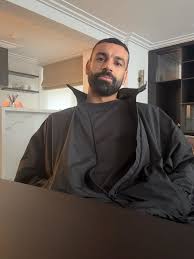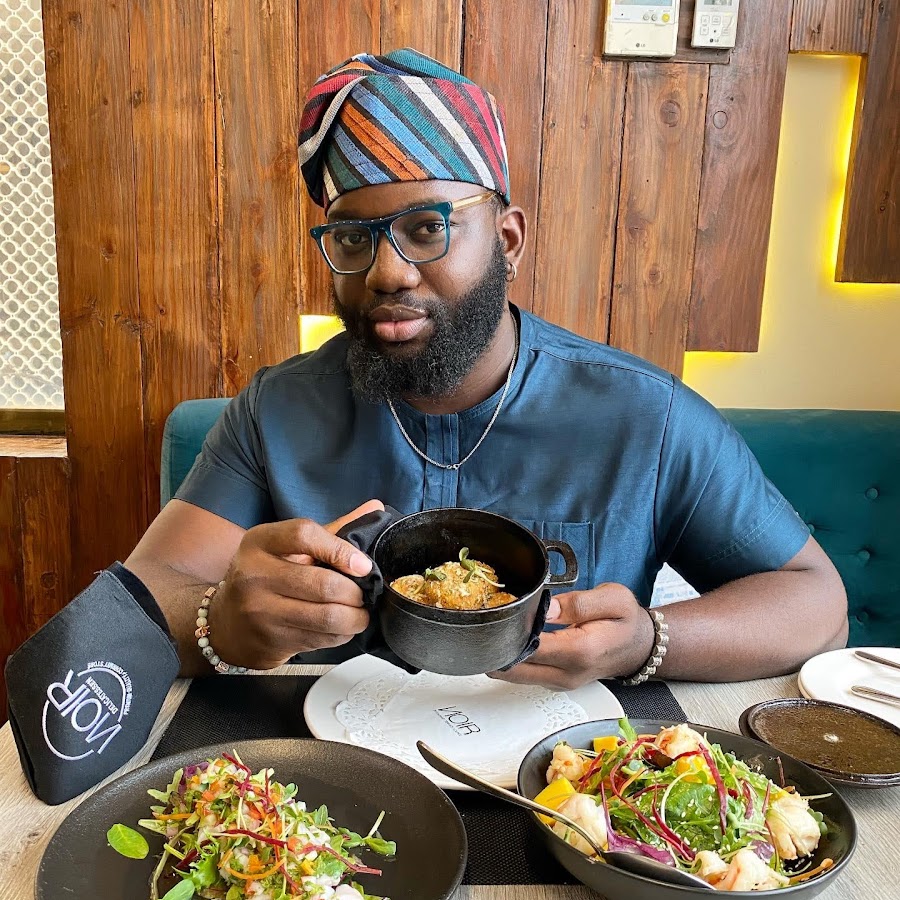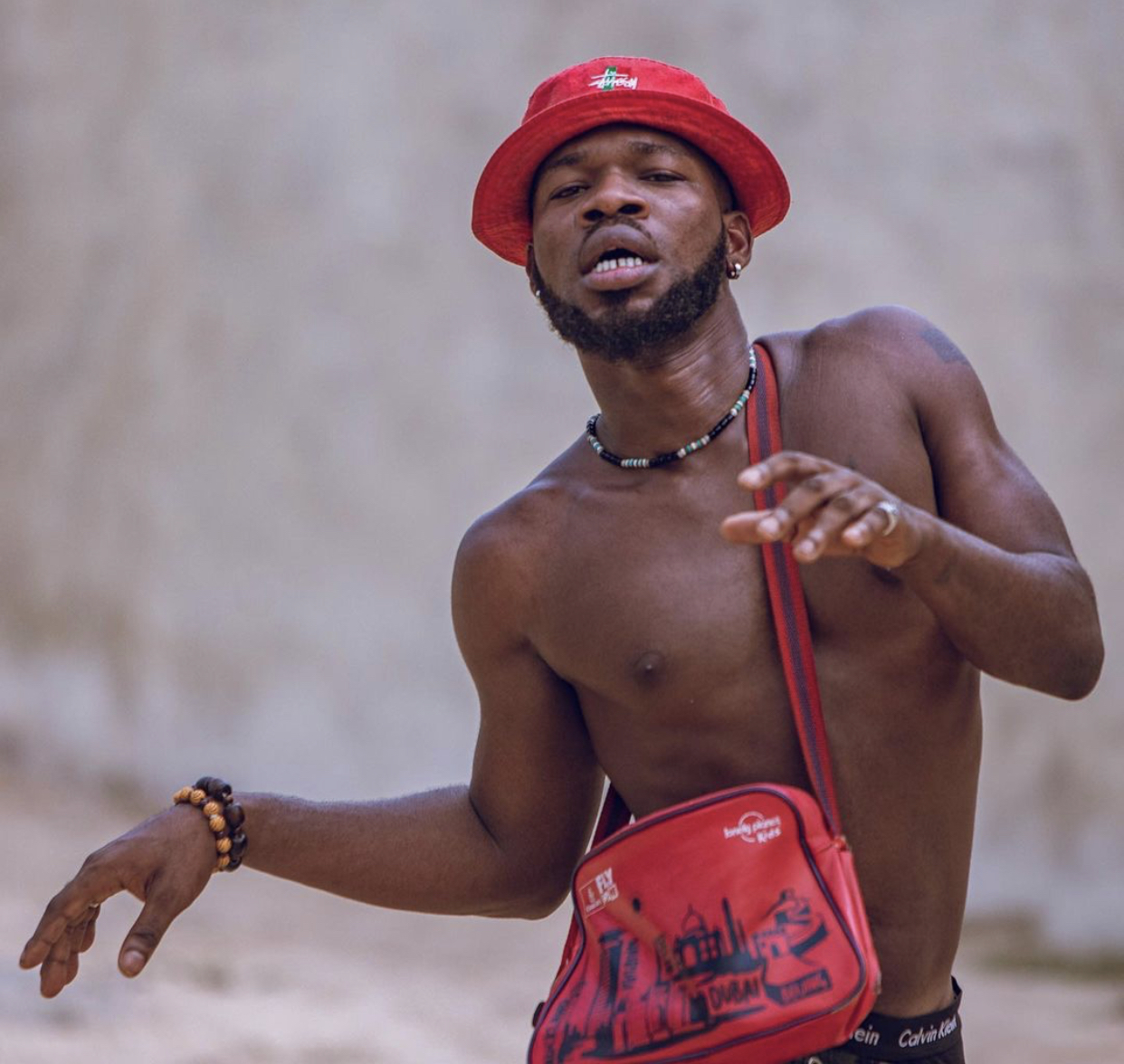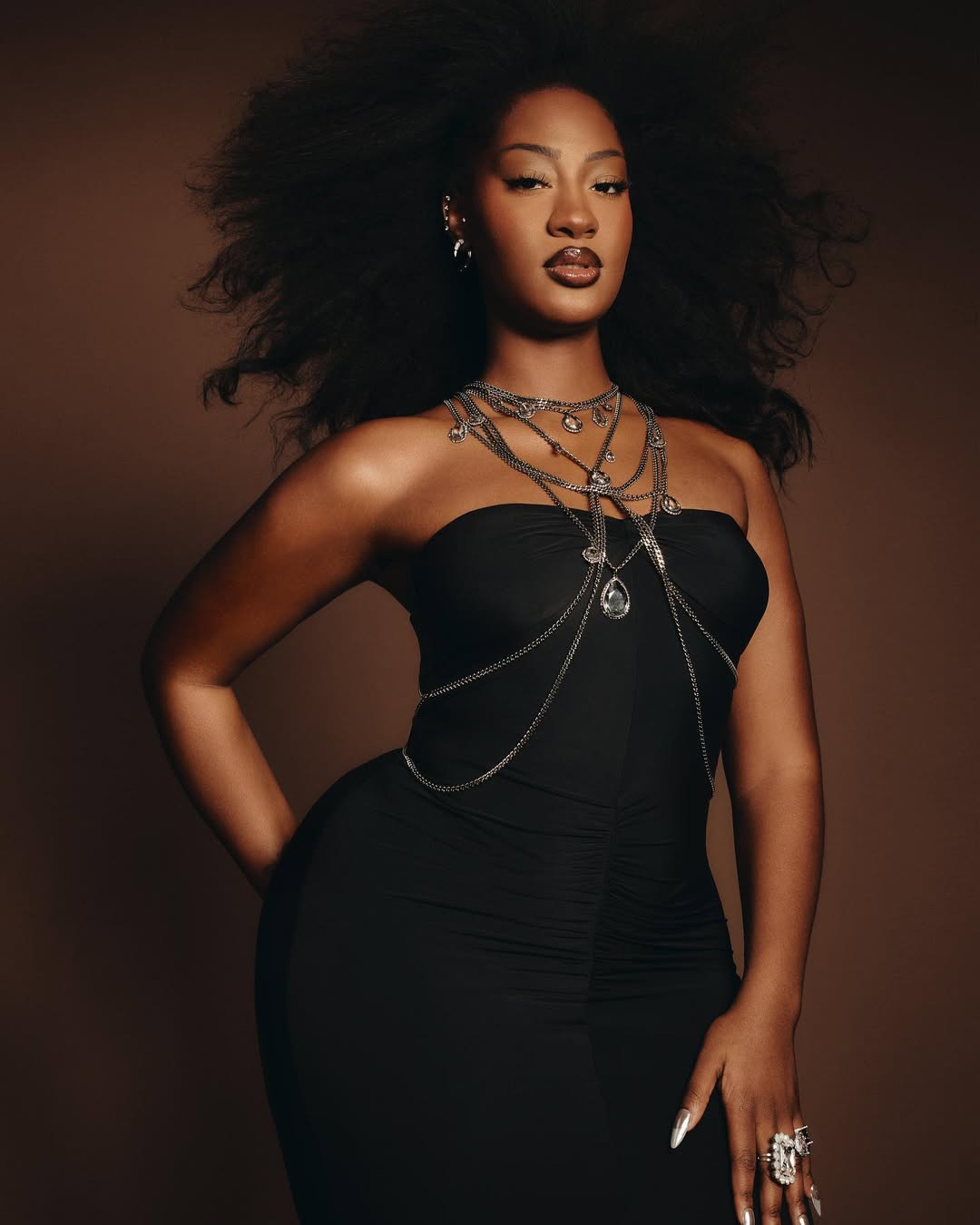

Inside African Creators Summit 2026: How Africa's Next-Gen Talent Is Rewriting the Creator Economy

The African Creators Summit 2026 is more than a conference — it is a strategic inflection point for the continent's creator economy. From monetisation breakthroughs and creator-led businesses to cross-border collaboration and platform accountability, this deep-dive unpacks the themes, trade-offs, and tactics that will define Africa's next generation of creators.
The African Creators Summit 2026 Is Not Just Another Conference
The African Creators Summit 2026 arrives at a pivotal moment. Africa's creator economy is no longer a footnote in global conversations — it is a headline. With over 700 million internet users across the continent and a median age of 19.7, Africa produces creators at a pace that Western platforms are only beginning to understand. This summit is the clearest signal yet that the ecosystem has matured enough to demand its own stage, its own rules, and its own metrics of success.
But here is what most event roundups miss: the summit is not the story. The strategies, tensions, and structural shifts it surfaces — those are the story. Creators, brands, and platforms attending need more than inspiration. They need a playbook. This article gives you one.
Why Creator Summits Matter More in Africa Than Anywhere Else
In markets like the US or UK, creator summits are largely networking events. The infrastructure — payment processors, brand deal marketplaces, legal frameworks for IP — already exists. African creators do not have that luxury. A summit here is part conference, part infrastructure-building exercise.
Consider the payment problem alone. Roughly 57% of African creators report losing revenue to cross-border payment friction, according to data from the GSMA Mobile Money Report. Platforms like YouTube and Meta pay out in USD, but converting that to Kenyan shillings, Nigerian naira, or Ghanaian cedis often costs creators 5–12% of their earnings in fees and unfavourable exchange rates. Summits like the African Creators Summit 2026 are where fintech founders, creator economy platforms, and influencers sit in the same room and actually solve this — not in theory, but in signed partnerships and pilot programmes.
The other factor is trust. African creators are understandably wary of brands and platforms that have historically undervalued their audiences. A dedicated summit creates a neutral ground where creators can negotiate from a position of collective leverage. That is a structural advantage no individual creator has alone.
Discover the data-backed scale of Africa's creator economy to understand just how large the opportunity is.
The Four Themes Defining the 2026 Creator Economy Conversation
Every major creator summit produces a thematic fingerprint — the recurring debates that reveal where an industry actually is, versus where it claims to be. Here are the four themes dominating the African Creators Summit 2026 and why each one matters.
1. Monetisation Beyond AdSense
The era of African creators depending on platform ad revenue is ending — fast. Top creators across Nigeria, Kenya, South Africa, and Egypt are building diversified income stacks that would look familiar to any serious creator in the West, but with distinctly African adaptations.
- Digital products: Courses, e-books, and templates sold via Selar, Paystack, or Flutterwave — tools built by Africans, for African payment realities.
- Community subscriptions: WhatsApp and Telegram premium groups charging between $5 and $30 per month, bypassing platform algorithms entirely.
- Live commerce: TikTok Shop's rollout in South Africa and Nigeria is accelerating creator-led sales, with some creators reporting 40% of monthly income from live selling sessions.
- Brand equity stakes: A small but growing cohort of creators are negotiating equity in the brands they promote — a model pioneered in the US but now appearing in Lagos, Nairobi, and Accra.
The summit's monetisation track is expected to feature case studies from creators who have crossed the $10,000 per month threshold without relying on a single platform's ad programme. That benchmark matters because it proves the model is replicable.
2. Creator-Led Businesses: From Influencer to Founder

The most significant structural shift in Africa's creator economy is not about follower counts. It is about ownership. Creators who built audiences on Instagram or YouTube are now using those audiences as launch pads for physical and digital businesses — and winning.
Think of Nigerian food creator Zeelicious Foods, whose YouTube audience of over 800,000 subscribers became the customer base for a recipe book and a spice line. Or Kenyan tech creator Morara Kebaso, whose civic content translated into real-world political influence. These are not anomalies. They are the template the African Creators Summit 2026 is codifying.
The summit's "Creator to Founder" track is specifically designed to address the gap between building an audience and building a company. Sessions cover legal entity formation across African jurisdictions, raising pre-seed capital as a creator, and hiring your first team without destroying your content output. These are not topics you find in a standard creator workshop — and that specificity is what makes the summit worth attending.
For more on the creators already leading this charge, explore the top African content creators dominating platforms in 2026.
3. Cross-Border Collaboration as a Growth Strategy
African creators have long operated in silos defined by language, platform, and geography. A Francophone creator in Côte d'Ivoire rarely collaborates with an Anglophone creator in Ghana, despite sharing a border. The African Creators Summit 2026 is actively dismantling those walls.
Cross-border collaboration is not just a feel-good talking point. It is a measurable growth lever. When a Ugandan creator with 200,000 followers collaborates with a South African creator with 500,000 followers, both audiences are exposed to new content styles, languages, and cultural references. The data consistently shows 15–30% subscriber growth within 30 days of a well-executed cross-border collab, based on creator reports shared in community forums like Africa Creators Hub.
The summit's matchmaking programme — pairing creators by niche, not nationality — is one of its most practical innovations. Expect to see Swahili-language tech creators connecting with Arabic-language creators from North Africa, and Pidgin English comedians finding audiences in the diaspora through collaboration with UK-based African creators.
4. Platform Accountability and Creator Rights
This is the session that will make platforms uncomfortable — and that is exactly why it needs to happen. African creators have been demonetised, shadow-banned, and algorithmically suppressed at rates that disproportionately affect non-Western content. The evidence is anecdotal but overwhelming: creators report that content in Yoruba, Amharic, or Zulu receives significantly less algorithmic distribution than equivalent English-language content.
The Creator Economy Report by SignalFire notes that platform moderation systems are trained predominantly on English-language content, creating structural blind spots for African-language creators. The summit's advocacy track is pushing for platform transparency reports broken down by language and region — a demand that, if adopted, would fundamentally change how platforms are held accountable in Africa.
What Brands Get Wrong About African Creator Partnerships
Brands attending the African Creators Summit 2026 need to hear this clearly: the old influencer marketing playbook does not work here. The mistakes are predictable, costly, and avoidable.
The most common error is chasing follower counts over engagement rates. A Lagos-based lifestyle creator with 80,000 followers and a 12% engagement rate will outperform a creator with 500,000 followers and a 1.2% rate — every time. African audiences are highly communal. They comment, share, and act on recommendations from creators they trust. That trust is earned through consistency and cultural fluency, not scale.
- Mistake 1: Offering rates benchmarked against US or UK CPMs. African creators deserve fair pay for African audience purchasing power — not a discount because their followers are on the continent.
- Mistake 2: Requiring content in English when the creator's audience speaks Hausa, Twi, or Amharic. Localisation is not optional — it is the product.
- Mistake 3: Short-term, one-post campaigns. African audiences are sceptical of brands that appear once and vanish. Long-term creator partnerships — minimum three months — consistently outperform one-off activations.
- Mistake 4: Ignoring micro-creators. A creator with 10,000 hyper-engaged followers in Kigali can drive more in-store foot traffic than a macro-influencer whose audience is spread across five continents.
The summit's brand-creator matchmaking sessions are specifically designed to reset these dynamics. Brands that arrive with humility and a genuine willingness to learn will leave with partnerships that actually convert.
The Platforms Shaping Africa's Creator Infrastructure in 2026
No creator summit exists in a vacuum. The African Creators Summit 2026 is being shaped by — and will in turn shape — the platforms that African creators use to build, distribute, and monetise their work.
TikTok remains the dominant discovery engine, particularly for creators under 30. But its long-term viability in certain African markets is uncertain, given regulatory pressures in Nigeria and South Africa. YouTube's long-form and Shorts hybrid strategy is gaining ground, especially among educational and documentary creators. Instagram's creator marketplace is expanding into more African countries, opening direct brand deal access without requiring a third-party agency.
Then there are the homegrown platforms. Selar, Audiomack, and Boomplay are building creator monetisation tools that understand African payment infrastructure in ways that Spotify or Gumroad simply cannot. These platforms are expected to have a significant presence at the summit — not as sponsors, but as partners in building the ecosystem.
For a comprehensive look at which platforms are actually delivering results, read our breakdown of African creator platforms in 2026 — which ones help you grow, get discovered, and earn.
How to Actually Use the Summit If You Are a Creator
Attending a summit without a strategy is expensive tourism. Here is how to extract maximum value from the African Creators Summit 2026 — whether you attend in person or follow along remotely.
- Identify your three target outcomes before you arrive. Not "network more" — specific outcomes. A brand deal lead, a collaboration partner in a new market, or a legal contact who can help you set up a company in Rwanda. Vague goals produce vague results.
- Prepare a one-minute creator pitch. Not a bio — a pitch. "I make short-form finance content for first-generation wealth builders in West Africa. My audience is 70% aged 25–35, with a 9% average engagement rate." That specificity opens doors that a follower count never will.
- Attend the sessions that make you uncomfortable. If you are a content creator who has never thought about equity, attend the "Creator to Founder" track. If you are a brand marketer, sit in the creator rights session. The discomfort is where the learning is.
- Follow up within 48 hours. The summit's value compounds in the weeks after, not during. Every meaningful conversation needs a follow-up message, a shared document, or a calendar invite within two days — or it evaporates.
The Bigger Picture: Africa's Creator Economy Is Writing Its Own Rules
The African Creators Summit 2026 is significant not because it is large, but because of what it represents. Africa's creator ecosystem is no longer waiting for validation from Silicon Valley or London. It is building its own standards, its own infrastructure, and its own success metrics.
According to McKinsey's Africa business research, the continent's digital economy is projected to reach $180 billion by 2025, with creator-driven commerce forming an increasingly significant share. The summit is where that projection meets real people making real decisions.
The creators who will win the next decade are not necessarily those with the biggest audiences today. They are the ones who understand monetisation strategy, who build businesses around their content, who collaborate across borders, and who advocate for fair treatment from the platforms they depend on. The African Creators Summit 2026 is where those creators are gathering — and where the rest of the world is starting to pay attention.
Ready to discover the creators already leading this movement? Explore African creators across every niche on Topping Africa — and find the voices shaping the continent's future. Or check out what's trending in the African creator space right now.
Staff
Contributing writer at Topping Africa.
0 Comments
No comments yet. Be the first to share your thoughts!