
How YouTube Sees Africa’s Next Music Growth Phase
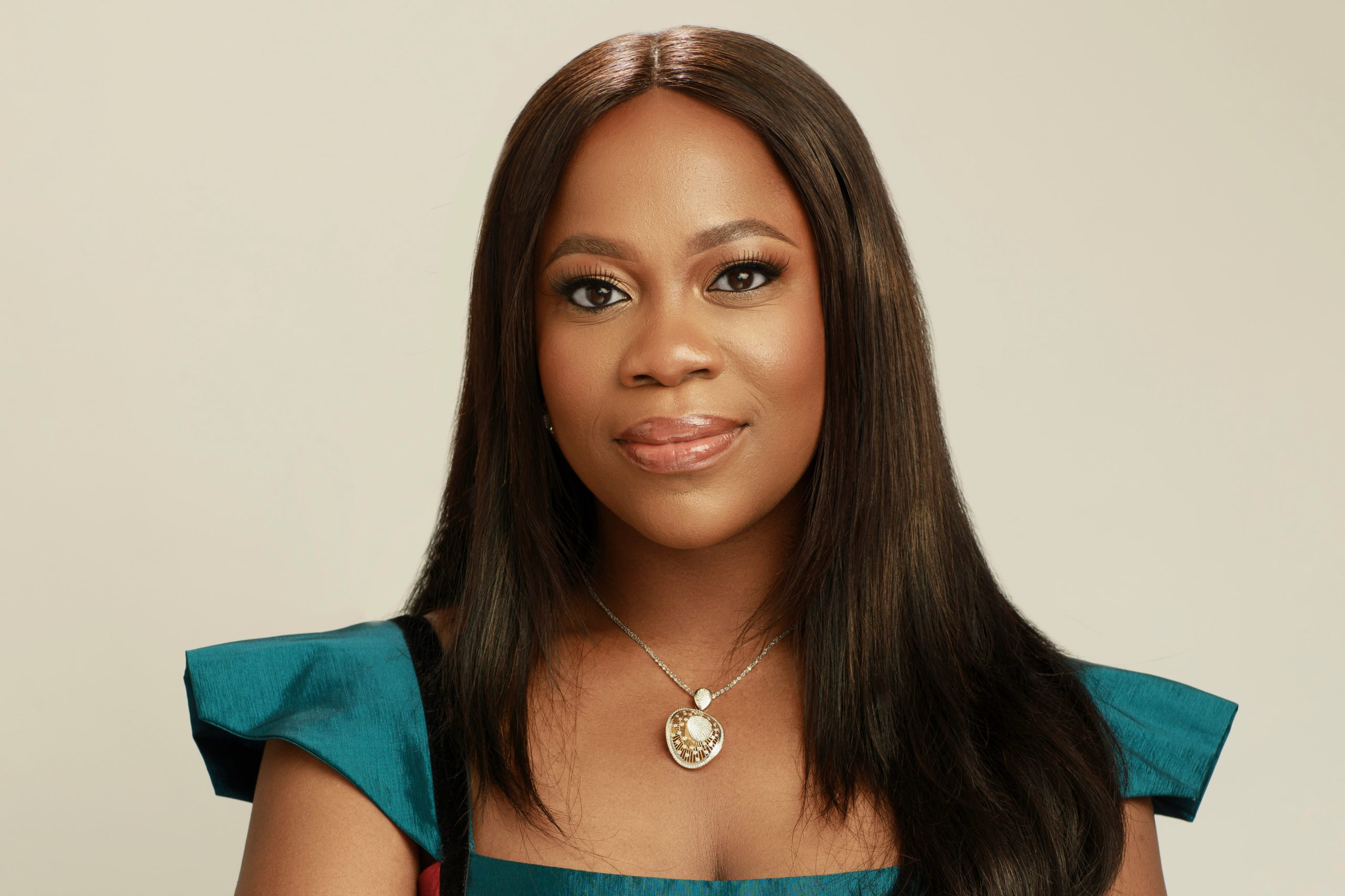
Addy Awofisayo leads YouTube’s mission in Africa to connect artists with fans in new markets. Discover her strategies for music growth and creator success. Explore the impact on Africa’s creative economy today.
YouTube is sharpening its pitch to Africa’s music industry, with the platform’s Head of Music for Sub-Saharan Africa, Addy Awofisayo, arguing that the next chapter for African music will depend on two things moving at once: stronger global reach and stronger systems at home. In an interview published by Billboard Africa, Awofisayo said YouTube’s role is increasingly about helping artists travel across markets, build communities beyond music videos, and convert digital attention into durable careers.
That matters because African music’s global surge is no longer in dispute. The harder question now is whether the continent can build enough industry depth to keep more of the value it creates. Awofisayo’s remarks place YouTube squarely inside that debate, presenting the platform not just as a distributor of songs, but as a piece of the continent’s wider creative-economy machinery.
YouTube Is Framing Africa As A Global Music Export Power
Awofisayo’s clearest argument is that African music is no longer being introduced to the world; it is already shaping it. She said YouTube is helping artists connect with fans in different markets and described the platform as a vehicle helping African music “travel without visas.” That line captures the current commercial reality: African music’s breakthrough is increasingly borderless, driven by discovery far beyond the continent’s largest cities.
That framing is important for African media and industry leaders because it shifts the conversation from cultural pride to market power. Once music becomes export infrastructure, the questions change. The discussion is no longer just about visibility, but about ownership, revenue, leverage, and how African acts can negotiate global success on better terms.
The Platform Wants To Be More Than A Video Shelf
Awofisayo made clear that YouTube no longer sees itself as merely the place where artists upload official music videos and wait for view counts. She pointed to livestreams, behind-the-scenes content, community posts, and direct fan engagement as central to how African artists are now using the platform.
That evolution matters because it broadens what an African music career can look like online. Artists are no longer confined to a release-day spike. They can turn rehearsals, concerts, commentary, and day-to-day storytelling into audience retention tools. In a fragmented attention economy, that is not a side strategy. It is the strategy.
Livestreaming Is Emerging As A Serious African Growth Tool
One of the strongest signals in the interview was Awofisayo’s emphasis on livestreaming. She pointed to African artists using YouTube to extend the reach of shows held in places like the United Kingdom, Jamaica, and China, allowing fans elsewhere to participate in real time.
For African artists, that is commercially significant. Livestreams turn a single event into a multi-market asset. They expand fan access, deepen loyalty, and give artists a route to stay visible between releases. They also offer a practical answer to one of the continent’s oldest music-business constraints: limited physical access to audiences outside home territories.
Artist Development Is Being Treated As Infrastructure
Awofisayo highlighted Foundry, YouTube Music’s global artist development program, as part of the company’s African support strategy. Official YouTube materials describe Foundry as a program that provides grants, partner support, promotional opportunities, and educational resources for independent artists.
That is a critical point for Africa’s music sector. Development is often discussed as though it begins once an artist is already commercially successful. But the bigger structural challenge is earlier: helping promising acts reach professional readiness before momentum fades. By centering development tools, YouTube is aligning itself with one of the continent’s sharpest industry gaps.
Funding And Training Remain Central To The Strategy
Awofisayo also pointed to the YouTube Black Voices Fund as a meaningful lever for Black artists and creators, saying participants can receive funding, training, and internal support from partner managers. YouTube’s own announcements describe the Black Voices Fund as a global commitment launched in 2020 to support Black creators and artists and help them thrive on the platform.
For African creatives, this matters because the biggest barrier is often not talent, but resourcing. Funding for content creation, platform literacy, and audience development can be the difference between a viral moment and a sustainable career arc. In markets where institutional support remains thin, those interventions carry outsized weight.
Africa’s Internet Gap Is Still A Music Business Problem
One of Awofisayo’s most important observations had little to do with music itself. She said Africa’s digital potential is still constrained by limited internet and data access, using Nigeria’s population as an example of a market whose online audience remains far smaller than its full demographic size.
That point cuts to the heart of the continent’s creative-economy debate. When more people are offline, artists lose reach, advertisers hold back, monetization weakens, and discovery narrows. In other words, Africa’s music future is tied not only to talent and platforms, but to broadband, affordability, and digital inclusion. The music industry cannot outgrow the continent’s infrastructure deficit by branding alone.
East Africa Is Emerging As A Strategic Frontier
Awofisayo singled out East Africa as a region she is especially excited about, describing YouTube as deeply embedded in how music is discovered and consumed there. She suggested that East African music remains underexposed compared with Afrobeats and amapiano, even as its potential for broader breakout becomes more obvious.
That assessment is worth watching. For years, conversations about Africa’s export sound have been dominated by Nigeria and South Africa. If East Africa gains stronger continental and global traction, the next phase of African music growth could look more distributed, less centralized, and more reflective of the continent’s full sonic diversity.
Collaboration Is Still The Fastest Route To New Markets
Awofisayo pointed to collaborations as a major tool for audience expansion, referencing the value of cross-market partnerships in opening artists up to new fan communities. That logic is already visible across African pop’s current map, where features and genre crossovers often function as market-entry mechanisms.
The implication is straightforward. Collaboration is no longer just an artistic choice; it is a strategic distribution. For African artists navigating crowded digital platforms, the right collaboration can unlock a geography, language community, or algorithmic lane that would otherwise take years to build alone.
AI Is Being Positioned As A Cost And Reach Multiplier
On artificial intelligence, Awofisayo took a pragmatic rather than alarmist line. She argued that AI can lower creative costs, help artists produce visuals more efficiently, and potentially improve cross-language connections through translation tools.
That stance reflects a growing industry reality in Africa. For many artists, especially emerging ones, the first use case for AI is not replacement but compression: compressing cost, time, and technical barriers. The real significance is that these tools could allow smaller African acts to package themselves for international audiences with fewer capital constraints than before.
The Real Next Frontier Is Not Virality But Ecosystem Depth
Awofisayo’s final point may be the most important of all. She argued that African music’s next frontier is two-fold: continue building export strength while also developing the local professional infrastructure artists need around them, including managers, lawyers, stylists, and brand specialists.
That is the line the industry should not ignore. Viral songs can travel. Industries do not. Industries require systems, labor markets, expertise, and repeatable value chains. If Africa wants to keep turning cultural influence into economic power, it must build the backstage economy that makes front-stage success sustainable. YouTube may be offering one layer of that machinery, but the wider burden still sits with labels, investors, governments, and the continent’s own cultural institutions.
The deeper significance of Awofisayo’s remarks is that they move the conversation past celebration. African music has already won the world’s attention. What comes next is the harder project of turning that attention into structure, scale, and staying power.
Context Block
African music’s digital rise has created a new kind of continental leverage, but it has also exposed old weaknesses in connectivity, monetization, and professional support. Awofisayo’s remarks place YouTube inside that contradiction: a global platform betting on African creativity while also acknowledging the systems still missing beneath the boom.
The real test is whether platforms, markets, and institutions can help artists build careers that outlast trends. That will determine whether Africa’s music surge becomes a lasting industry transformation or remains a sequence of spectacular moments.
Staff
Contributing writer at Topping Africa.
0 Comments
No comments yet. Be the first to share your thoughts!