How Meta's New Creator Marketing Hub Changes Creator Discovery for African Businesses
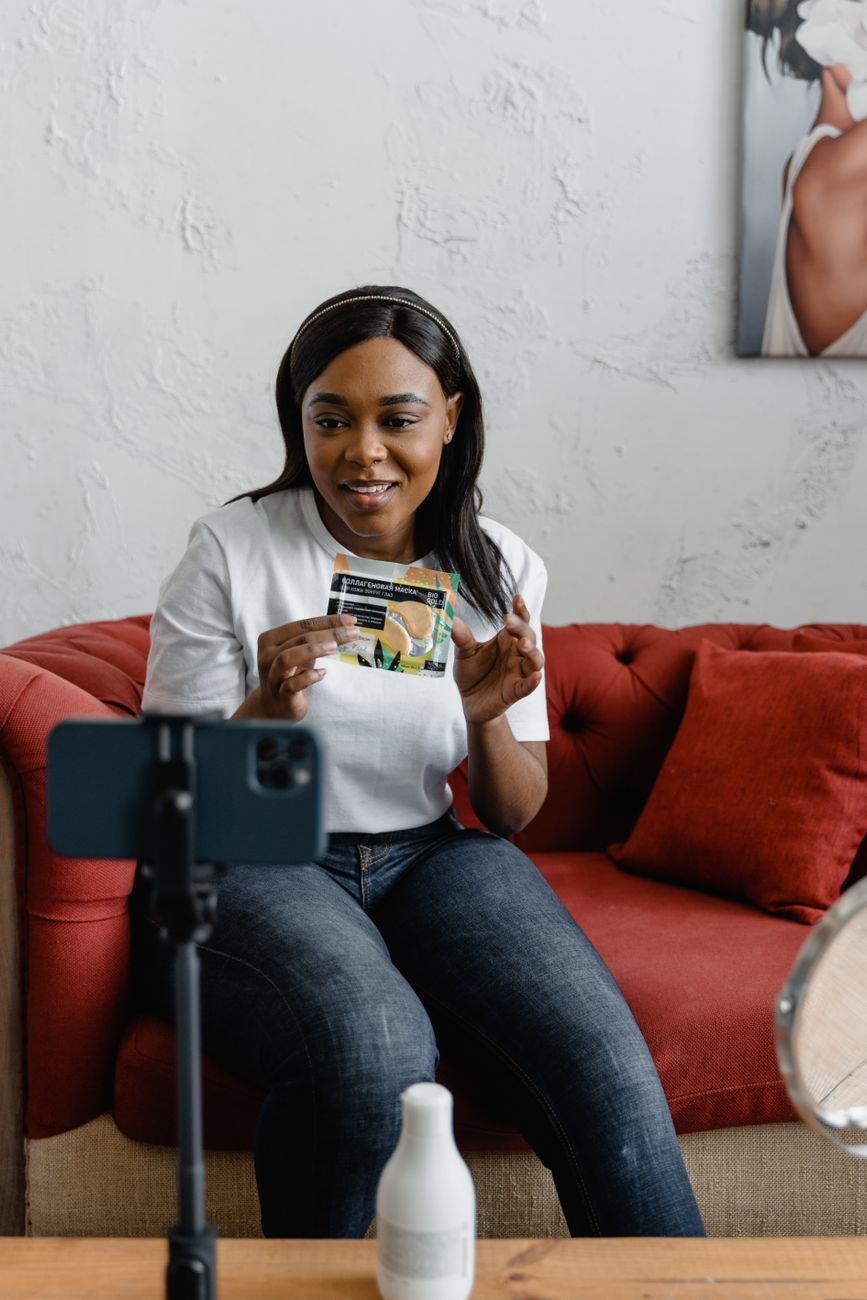
Meta's new Creator Marketing Hub — including its Creator Discovery API, Creator Marketplace API, and Content Discovery API — is reshaping how brands find creators globally. For African businesses and creators, the implications are specific, nuanced, and immediately actionable. Here is what you need to know.
Why African Marketers Should Pay Attention to Meta's Creator Marketing Hub
The Creator Discovery API is no longer a niche developer tool — it is fast becoming the backbone of how brands find and vet creators at scale. Meta's newly expanded Creator Marketing Hub, rolled out in 2025, bundles three distinct capabilities: enhanced discovery filters inside the Creator Marketplace, a revamped Creator Marketplace API, and a standalone Content Discovery API. For African businesses trying to run influencer campaigns across Lagos, Nairobi, Cairo, and Johannesburg simultaneously, this is a structural shift — not a minor product update.

Most of the global commentary on these tools focuses on US and European brand use cases. That leaves a real gap. African markets are fragmented by language, platform preference, and purchasing behaviour. A creator who dominates TikTok in Ghana may have zero reach in Morocco. Meta's new toolset directly addresses this kind of cross-border complexity — but only if you know how to configure it correctly.
This article breaks down each component, explains what it actually does versus what the press releases claim, and gives African marketers a concrete framework for using it without wasting budget on the wrong creators.
What the Creator Marketing Hub Actually Contains
Meta launched the Creator Marketing Hub as a centralised dashboard within Meta Business Suite. Think of it as three layers stacked on top of each other, each serving a different user type.
Layer one is the updated Creator Marketplace interface — the part any brand manager can use without writing a single line of code. It now supports filtering by audience demographics (age, gender, country, language), creator content category, follower tier (nano, micro, mid, macro), and average engagement rate. Previously, African businesses had to rely on third-party platforms like Modash or Upfluence to get this level of granularity. Now it lives natively inside Meta.
Layer two is the Creator Marketplace API. This is for agencies, SaaS platforms, and larger brands that want to pull creator data programmatically. You can query by location, content vertical, audience overlap, and brand safety signals — all returned as structured JSON. The practical implication: an agency running campaigns for five different African clients can build a single internal tool that surfaces relevant creators for each market in seconds.
Layer three is the Content Discovery API. This is the newest addition and arguably the most powerful for African use cases. Rather than searching for creators by profile metrics, you search for content by topic, hashtag, or keyword — and the API surfaces the creators behind the best-performing posts. If you want to find who is driving the conversation around "Lagos street food" or "Nairobi fintech," this tool finds them by output, not by follower count.
How the Creator Discovery API Works — and Where It Falls Short
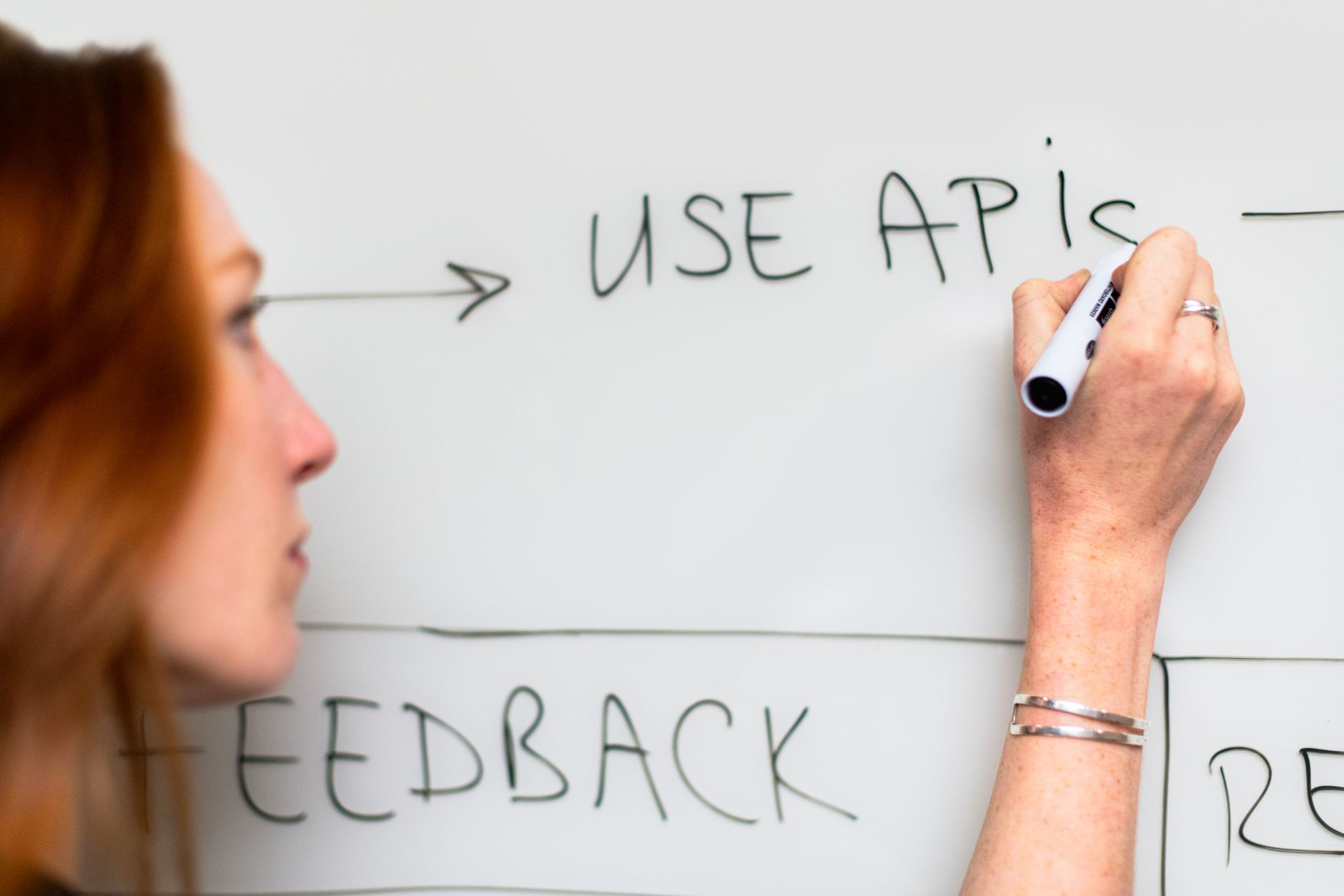
The Content Discovery API uses Meta's graph to index public Instagram and Facebook posts, then ranks them by engagement velocity, reach, and topical relevance. Brands submit a query — say, "sustainable fashion Africa" — and receive a ranked list of posts, each attributed to a creator profile with attached audience data.
Here is where it gets interesting for African markets specifically. The API's relevance ranking is trained heavily on English-language content. Creators posting in Swahili, Amharic, Yoruba, or Zulu are systematically underranked relative to their actual influence in their communities. This is not speculation — it mirrors the same bias documented in Meta's own Transparency Reports, which show content moderation and ranking disparities across non-English languages.
The practical workaround: supplement API queries with manual hashtag research in local languages. Run a primary query in English to get the initial pool, then cross-reference with Swahili or French hashtags to surface creators the algorithm missed. It adds 20–30 minutes to your workflow but catches the micro-creators who often deliver the highest ROI in African markets.
A second limitation is geographic granularity. The API returns country-level audience data, not city-level. For a brand targeting Abuja specifically — not Nigeria broadly — you will still need to request city-level breakdowns directly from creators or use a supplementary tool. This is a known gap Meta has not yet closed for emerging markets.
Common Mistakes African Brands Make With These Tools
- Filtering by follower count first. A 500,000-follower account in South Africa may have 60% of its audience based in the United States due to viral moments. Always filter by audience location before you filter by size.
- Ignoring engagement rate floors. Set a minimum engagement rate of 2.5% for macro creators and 4% for micro creators. Accounts inflated by giveaway loops will pass a follower-count filter but fail an engagement check.
- Skipping the brand safety filters. The Creator Marketplace API includes a
brand_safety_ratingfield. Many African agency teams overlook this field entirely, then face client complaints after a campaign goes live alongside controversial content. - Treating the Content Discovery API as a replacement for relationship-building. The API finds creators. It does not tell you whether a creator will actually respond to your brief, deliver on time, or represent your brand authentically. Discovery is step one of a five-step process.
A Practical Framework for African Businesses Running Cross-Border Campaigns
Running a campaign across multiple African markets is genuinely harder than running one in Western Europe. Currency volatility, platform penetration differences, and audience language diversity all compound. Here is a step-by-step approach that uses Meta's new tools without over-relying on them.
- Define your market clusters first. Group your target countries by shared language and platform behaviour. West Africa (Nigeria, Ghana, Côte d'Ivoire) behaves differently from East Africa (Kenya, Tanzania, Uganda) and North Africa (Egypt, Morocco). Each cluster needs its own creator brief.
- Use the Creator Marketplace API to build a longlist. Query each cluster separately. Set audience location to the target country, engagement rate floor at 3%, and content category to your vertical. Aim for 50–80 creators per cluster.
- Run the Content Discovery API in parallel. Use 5–8 topic keywords relevant to your campaign. Cross-reference the results with your longlist. Creators appearing in both lists are your priority prospects — they have both the audience profile and the proven content output.
- Manually vet the top 20 per cluster. Check their last 30 posts. Look for content consistency, comment quality (real conversations versus emoji spam), and whether they have disclosed past brand partnerships. Undisclosed sponsorships are a regulatory risk in markets like South Africa, where the Advertising Standards Authority of South Africa (ASASA) enforces influencer disclosure rules.
- Negotiate in local currency where possible. This reduces friction and signals respect for the creator's market context. It also protects your budget from exchange rate swings during a campaign cycle.

What This Means for African Creators Seeking Brand Partnerships
The flip side of this story is equally important. If brands are now using API-driven tools to find creators, creators need to optimise for discoverability within those systems — not just for human eyeballs.
Three things matter most. First, your Instagram and Facebook bio must include your primary content category in plain language. The Creator Marketplace API indexes bio text. "Lagos food creator" will surface in a "food Africa" query. "Lover of all things yummy 🍜" will not.
Second, consistency of posting language matters more than it used to. If you post in English 80% of the time and Yoruba 20%, the API will classify you as an English-language creator. That is fine if your audience is bilingual — but make sure your audience data actually reflects that before you pitch to international brands expecting English-speaking reach.
Third, link your Instagram and Facebook profiles to a verified Meta Business account. Unverified creator accounts receive lower priority in Marketplace API results. This is a five-minute setup step that a surprising number of African creators skip. Discover more about how creators across the continent are building their digital presence by exploring the Topping Africa creator profiles.
The Opportunity Hidden in the Content Discovery API for Niche Creators
Here is the counter-intuitive finding: the Content Discovery API actually favours niche creators over generalists in topic-specific queries. A creator with 15,000 followers who posts exclusively about Rwandan agritech will outrank a 200,000-follower lifestyle account in a query for "Rwanda agriculture innovation." The algorithm rewards topical depth, not breadth.
This is a genuine opening for African micro-creators in specialised verticals — fintech, health, agriculture, fashion, and gaming — who have been overlooked by brand managers doing manual searches. If you are a creator in one of these niches, now is the time to double down on your vertical and let the API do the discovery work for you. For inspiration, see how African creators are using AI to grow their content in 2026 — many of the strategies overlap directly with API-driven discoverability.
Integrating Meta's Tools With Africa's Broader Creator Economy
Meta's Creator Marketing Hub does not exist in isolation. African businesses running serious influencer programmes will use it alongside TikTok's Creator Marketplace, YouTube's BrandConnect, and Africa-specific platforms. The Creator Discovery API gives you Meta's graph — which is enormous — but Instagram and Facebook skew older in several African markets where TikTok is winning the under-25 demographic.
The smart play is to use Meta's tools for audience validation and brand safety screening, then cross-check shortlisted creators on TikTok and YouTube for reach among younger segments. This two-platform vetting process adds rigour without doubling your workload, because you are only running the deep check on creators who already passed Meta's filters.
African businesses navigating this landscape should also keep an eye on how the continent's startup ecosystem is building complementary tools. Read more about Africa's $21 billion startup boom and what it means for tech creators — several of those startups are building influencer intelligence products that sit on top of APIs exactly like the ones Meta just opened up.
The Creator Marketing Hub is a meaningful step forward. But African marketers who treat it as a complete solution will be disappointed. Treat it as infrastructure — powerful, scalable infrastructure — and build your own process on top of it. That is where the competitive advantage lives.
Getting Started: Your Next Steps
If you are a brand or agency ready to act, here is a concise starting checklist:
- Apply for Creator Marketplace API access through Meta's Meta for Developers portal — approval typically takes 5–10 business days for business-verified accounts.
- Define your audience clusters by country and language before you touch the API.
- Build a simple scoring spreadsheet: audience location match (40%), engagement rate (30%), content relevance (20%), brand safety flag (10%).
- Run your first Content Discovery API query on a topic keyword, not a creator name — let the content lead you to the creator.
- Review disclosure compliance requirements in each target market before contracts are signed.
If you are a creator, update your Meta Business profile today, pin your best-performing niche content, and make sure your bio is keyword-clear. The brands are already running queries. Make sure you show up in the results.
Explore the full range of African creators shaping culture and business right now on Topping Africa — and discover who is already winning the creator economy game across the continent. Also check out our practical guide to influencer discovery in Africa for a deeper dive into finding authentic creators in 2026.
Staff
Contributing writer at Topping Africa.
0 Comments
No comments yet. Be the first to share your thoughts!