
How African Health Influencers Turn TikTok And Instagram Into Life-Saving Content
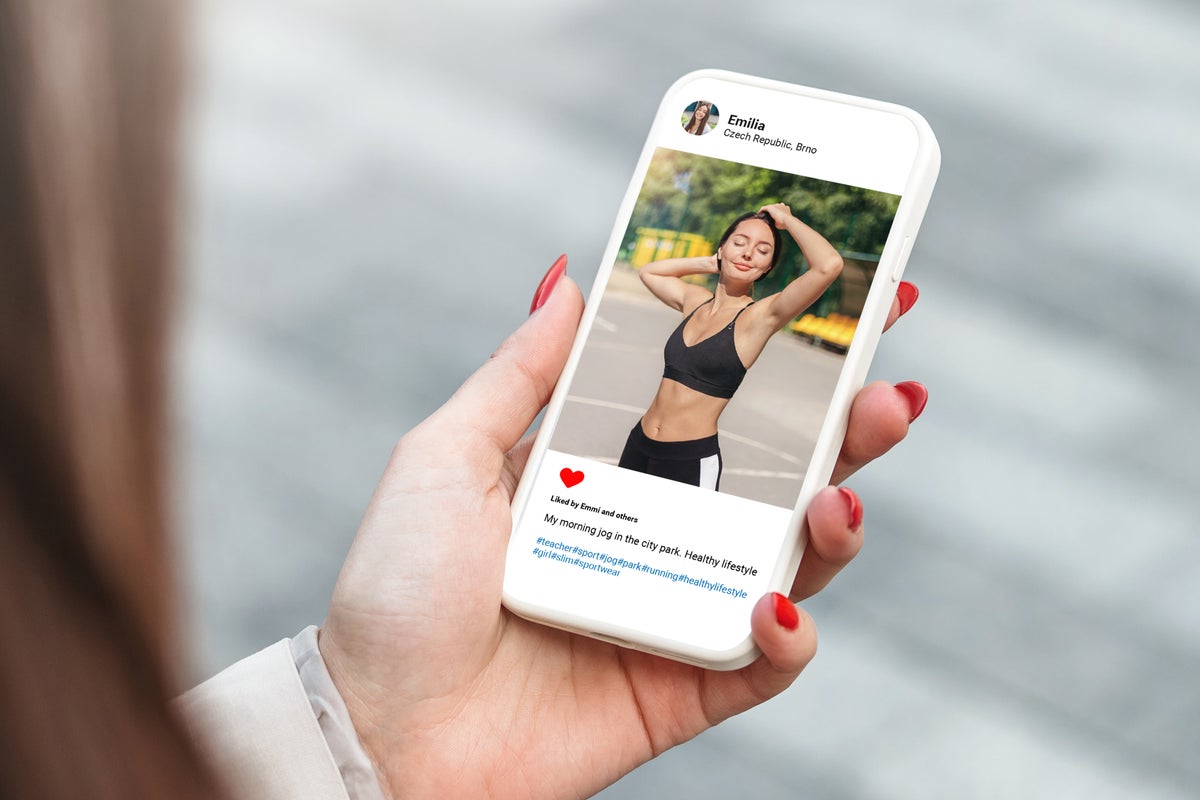
African health influencers on TikTok and Instagram are turning serious topics like HIV, mental health, fitness, and sexual health into viral, youth-friendly content. Discover how these creators blend science, culture, and entertainment to change health behavior across the continent.
The new wave of African health influencers on TikTok and Instagram
African health influencers are turning TikTok and Instagram into the continent's most exciting classroom. Instead of dry lectures, you now get punchy skits, dance challenges, and honest story times about vaccines, HIV, mental health, fitness, and sexual health. Consequently, health information feels less like a warning and more like a lifestyle. Importantly, this shift gives young Africans content that fits their screens, language, and attention spans. Ultimately, it is a quiet revolution in how health education travels across the continent.
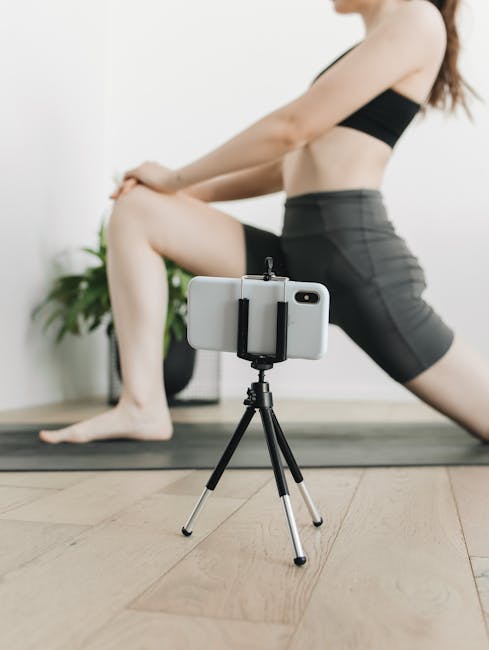
Notably, TikTok has become one of the most used apps for news and entertainment among African youth. A 2023 GeoPoll survey found TikTok ranked as the second most popular social media platform in Africa, behind only Facebook, for users aged 18–24. Meanwhile, Instagram Reels continues to grow in Nigeria, South Africa, Kenya, and Ghana, with local creators building loyal niche communities. As a result, short-form video now sits at the center of Africa's health communication playbook, even if many ministries and NGOs are still catching up.
Furthermore, fresh data from the World Health Organization shows that HIV, tuberculosis, maternal health, and lifestyle diseases remain major challenges on the continent. However, young creators are rejecting fear-based messaging. Instead, they mix humor, dance, and pop culture with evidence-based information. If you care about the future of health in Africa, you need to understand how these creators work and why their influence matters.
Why African health influencers are winning young audiences
For many Gen Z and millennial Africans, you are more likely to trust a creator you follow than a cold PDF report. Consequently, African health influencers sit at the sweet spot of trust, relatability, and entertainment. They show their own health journeys, their gym days, their therapy sessions, and even their vaccine shots. Therefore, followers feel like they are learning from an older sibling or a favorite cousin. That emotional bond makes health advice far more likely to stick.
In addition, creators speak in everyday language, not medical jargon. They explain HIV viral load with a cup-and-water analogy. They break down anxiety using simple, local stories. Moreover, they often switch between English, French, Arabic, Swahili, Yoruba, Zulu, and street slang, so content feels hyper-local. This mix of languages and cultural references gives their videos a strong edge over generic global health campaigns.
Importantly, social video platforms reward consistency, engagement, and shareability. Most viral health clips are under 60 seconds, packed with hooks and simple visuals. For instance, a creator might open with, "Here is why your energy crashes at 2 p.m." and then quickly explain blood sugar and hydration. As a result, viewers stay until the end, share with friends, and save the video for later. That engagement loop quietly spreads health knowledge across cities, townships, and villages.
From policy PDFs to punchy Reels: a major content gap
For decades, African health education focused on policy-heavy reports and poster campaigns. However, that model rarely matched how young people actually consume content. Reports from the WHO Regional Office for Africa show clear progress in areas like HIV treatment access. Nevertheless, many young Africans still rely on hearsay, gossip, and myths when making health decisions. This is where African health influencers fill a crucial gap.
Instead of 60-page documents, they deliver 60-second explainers. Instead of fear-driven messages, they normalize vaccines, therapy, or condoms as routine parts of life. Furthermore, they use editing tricks, sound effects, and trending audio to ride the algorithm. By the time a health tip goes viral, it can reach millions across Lagos, Nairobi, Johannesburg, Kampala, Accra, and beyond. Therefore, even complex subjects like tuberculosis treatment or contraceptive options feel simple and shareable.
If you want to follow broader trends shaping this shift, you can also explore how tech and creator culture intersect in Africa through our Technology and Culture & Lifestyle sections. There, you will see how the same creator economy powering music, fashion, and comedy is now reshaping health narratives.
Key health topics African creators are making viral
Across TikTok and Instagram, African health influencers tend to focus on the topics that touch everyday life. Consequently, you will see fewer long lectures and more bite-sized tips that you can apply instantly. From mental health check-ins to sexual health myth-busting, they pick issues that spark comments and DMs. Notably, many creators also respond to urgent moments, like new WHO alerts or local outbreaks. That agility keeps their content fresh and timely.
Vaccines, HIV, TB and infectious diseases go mainstream
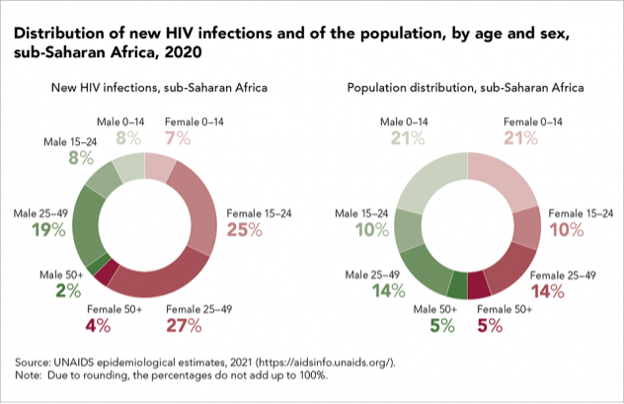
Recent WHO statistics show that Eastern and Southern Africa still carry the highest global burden of HIV. However, treatment advances mean that people with HIV can live long, healthy lives. African creators are now turning that fact into empowering content. For instance, they share "day in my life" clips on antiretroviral therapy, or skits about getting tested with friends. As a result, testing and treatment feel normal, not taboo.
Similarly, tuberculosis, malaria, and routine childhood vaccines appear in trending videos. Creators explain why completing TB treatment matters, how to spot malaria symptoms early, or when to get booster shots. Moreover, they often stitch or duet global health videos, then localize the message for African contexts. That includes explaining where to find local clinics, what it costs, and what to expect during a visit. Ultimately, they bridge the gap between global health data and everyday realities.
- HIV awareness: U=U explained in plain language, with visuals showing viral load dropping over time.
- TB treatment: Short skits showing what happens when you stop medication too early.
- Vaccine literacy: Reels debunking common myths about infertility, microchips, or race-based conspiracies.
- Outbreak alerts: Quick explainers when diseases like mpox or cholera appear, often referencing Africa CDC updates.
Mental health, therapy, and emotional wellbeing
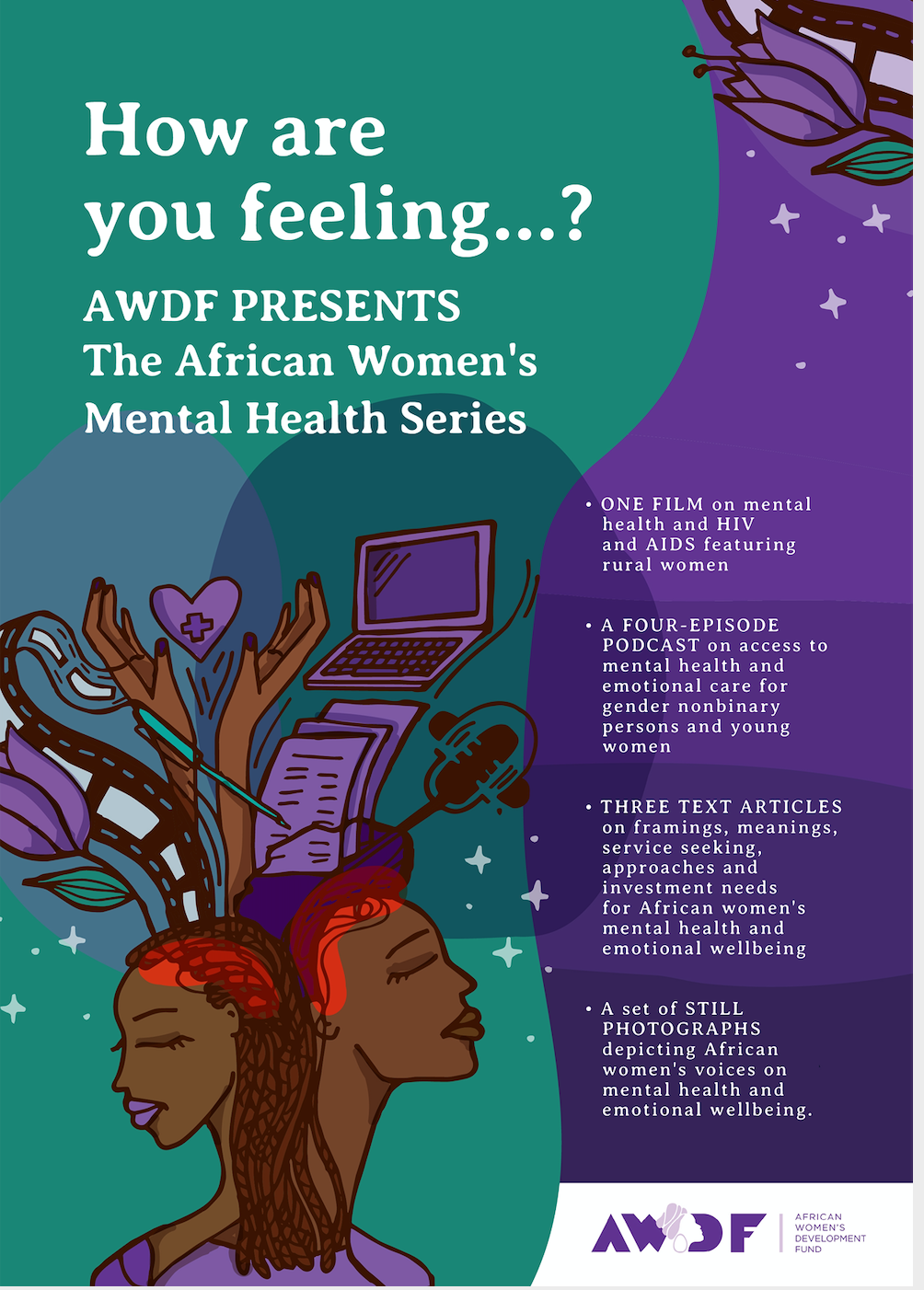
Mental health is now one of the fastest-growing themes for African health influencers. For years, many communities framed depression, anxiety, or burnout as weakness or spiritual attacks. However, young creators are pushing a different story. They speak honestly about panic attacks, grief, trauma, and work stress. In addition, they share tools like journaling, breathing exercises, digital therapy apps, or university counseling centers.
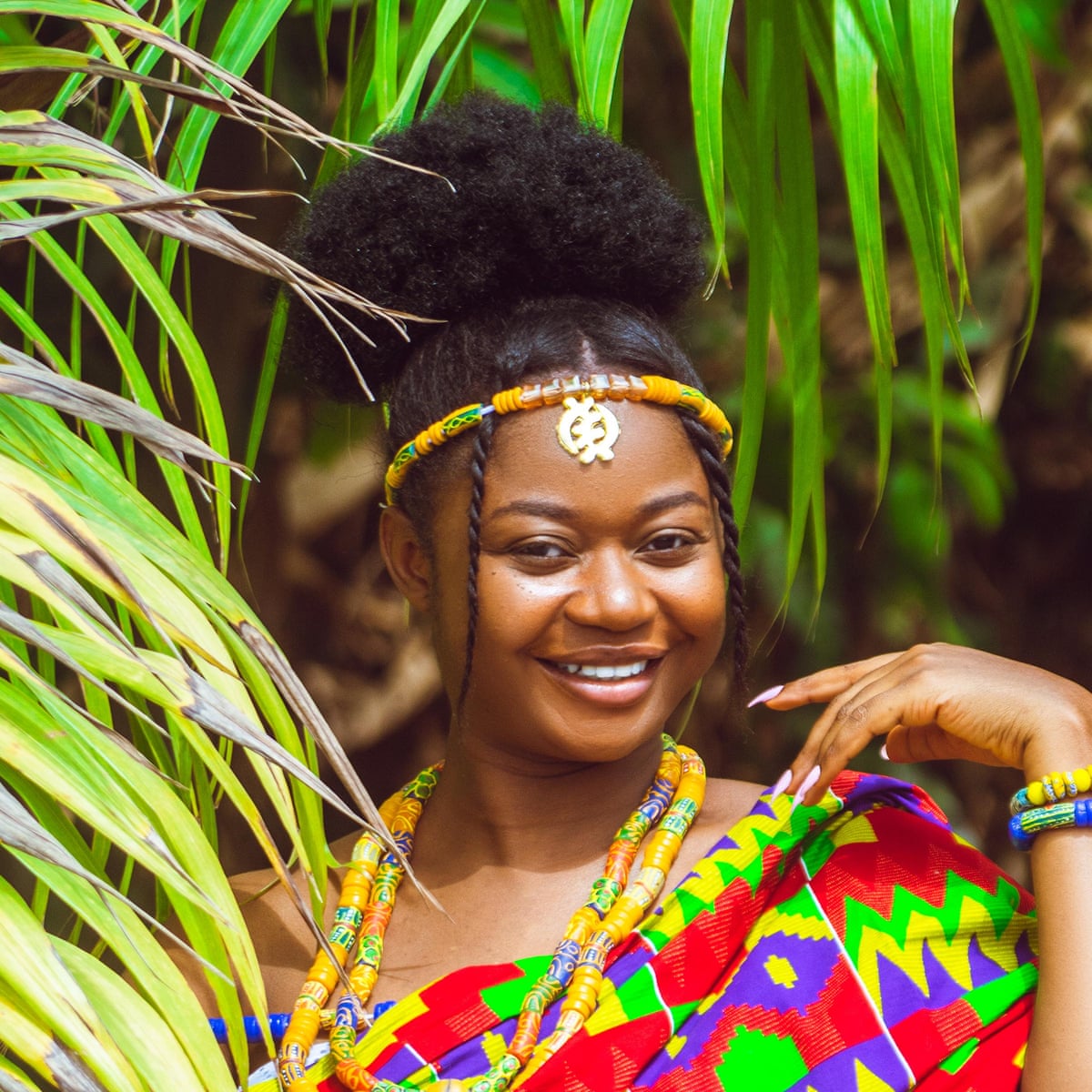
Importantly, these creators show that you can love God, respect tradition, and still go to therapy. They do not ask you to choose between culture and care. Instead, they blend both. For instance, a creator might mix a viral Afrobeats track with text overlays explaining how to support a friend with depression. Consequently, mental health becomes part of everyday conversation, not a hidden shame.
If you want to dive deeper into how wellness content shapes youth culture, read more about similar trends in our Health & Wellness and Entertainment sections. There, you will see how creators combine self-care, lifestyle, and pop culture into a single, powerful package.
Fitness, nutrition, and lifestyle disease prevention
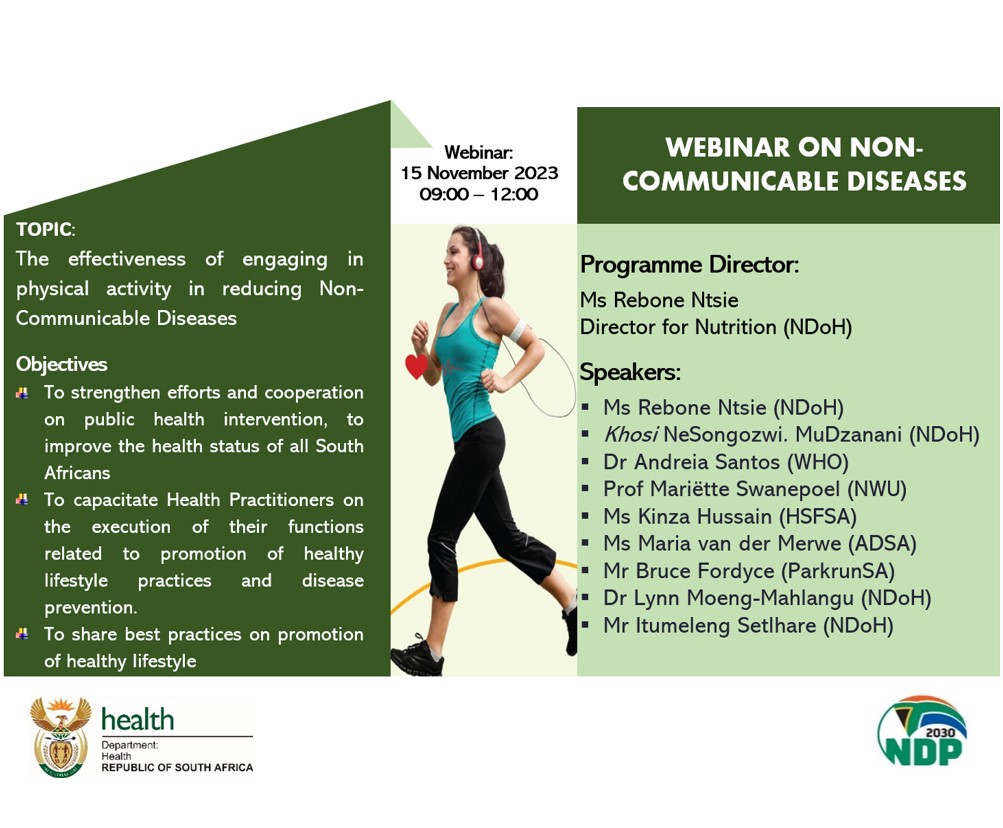
Non-communicable diseases like diabetes, hypertension, and heart disease are rising in many African cities. However, most public campaigns still look like old posters in clinic waiting rooms. African health influencers are turning this around with energetic fitness and nutrition content. They share home workout routines for small rooms, walking challenges in estates, or dance-based cardio routines that anyone can join. Consequently, fitness feels less like punishment and more like fun.
Moreover, nutrition creators break down portion sizes, sugar content in soft drinks, and the impact of highly processed foods. They also highlight traditional African foods that support heart health and gut health. For instance, they spotlight millet, sorghum, leafy greens, beans, and fermented foods like ogi or amasi. As a result, followers see that healthy eating does not mean rejecting African cuisine. Instead, it means understanding balance and cooking methods.
Ultimately, this content supports the push by many African startups building health-tech and nutrition apps. If you track the intersection of wellness and innovation, you will notice strong overlaps with trends covered in our Business & Economy and Technology categories.
Sexual health, hygiene, and taboo topics
Sexual health, period care, and hygiene remain highly sensitive topics in many African communities. Nevertheless, African health influencers are tackling them with a mix of humor and respect. They use anonymous Q&A formats, green-screen reactions, and duet chains to answer questions viewers are afraid to ask out loud. For instance, they explain how condoms actually work, what STIs to test for, or why consent matters in every encounter. Consequently, they give young viewers a safe way to get reliable answers.
Additionally, hygiene-focused creators cover topics like menstrual hygiene, reusable pads, urinary tract infections, and basic handwashing habits. They often collaborate with nurses, pharmacists, or gynecologists in short clips. Notably, this content gained more traction during the COVID-19 pandemic, when handwashing and masking became daily conversations. That momentum continues as creators link hygiene to flu, food poisoning, and everyday infections.
As you explore these trends, remember that the most effective creators do not just broadcast information. They build communities where followers feel safe to ask questions, share experiences, and support one another.
How African health influencers turn views into impact and income
On the surface, all this looks like simple content creation. However, African health influencers are building serious careers around this work. They blend purpose and profit in ways that keep their education efforts sustainable. As seen across the wider creator economy, they lean on multiple revenue streams. That mix helps them keep producing high-quality, free content for millions of viewers, even when algorithms change.
Brand partnerships and purpose-led campaigns
Health-focused creators are now top targets for brands and organizations that want to reach young Africans. Pharmaceutical companies, telemedicine platforms, fitness brands, and insurance startups collaborate with trusted influencers. Similarly, NGOs and public health agencies now co-create campaigns instead of just buying billboard ads. They understand that a 30-second TikTok can outperform a 30-minute talk show slot for youth engagement.
For example, campaigns promoting HIV self-testing kits or family planning options often rely on short-form video challenges. Creators build storylines around couples, roommates, or "bestie" chats. Consequently, the message feels native to the platform instead of looking like a forced advertisement. When done well, these partnerships respect the creator's voice and the audience's intelligence. Importantly, the best creators only accept deals that align with evidence-based health guidance.
If you are a brand exploring this space, you should study how lifestyle and comedy influencers already drive huge engagement across Africa. Many lessons carry over. For more insight on influencer culture and brand collaborations, explore our Africa News and Opinion & Editorial sections, where we unpack trends in the digital economy.
Courses, digital products, and coaching
Many African health influencers also monetize through knowledge-based products. They package their expertise into digital courses on weight loss, fertility, mental resilience, or menstrual health. Furthermore, some creators offer group coaching programs, webinars, or one-on-one consultations for deeper support. This model mirrors the broader influencer trend highlighted by growth platforms and creator economy reports, including recent insights from MentorCruise.
Importantly, these products often serve African realities. They use local foods, realistic budgets, and timelines that consider busy urban schedules or limited gym access. For instance, a fitness creator might design a 30-day challenge that needs no equipment, only a mat and a water bottle. As a result, followers in hostel rooms, family homes, or shared flats can still participate. When these programs deliver results, word-of-mouth drives new sign-ups and amplifies impact.
If you are an aspiring health creator, you can learn from this model. Start by giving valuable free content that proves your knowledge. Then, listen to repeated questions in your comments and DMs. Consequently, you will discover topics where a structured course or guide can help your audience most.
Health-tech startups, data, and creator collaborations
Across the continent, health-tech startups are building tools that pair well with influencer-led education. Telemedicine apps, fitness trackers, AI-powered symptom checkers, and pharmacy delivery services are expanding in markets like Nigeria, Kenya, South Africa, Rwanda, and Egypt. Moreover, many of these startups rely on influencer campaigns to build trust and explain their value. When an African health influencer walks you through an app demo in a Reel, adoption jumps.
Additionally, creators often collect anonymous feedback through polls and DMs. That data helps them refine their content and also informs partners about emerging questions. For instance, if many followers ask the same question about emergency contraception or blood sugar spikes, that suggests a knowledge gap. Health-tech platforms can then design features, FAQs, or push notifications that fill that gap. Therefore, creators act as real-time sensors for what young Africans worry about.
As this ecosystem matures, you can expect more structured partnerships between African influencers, clinics, and digital health platforms. Ultimately, this convergence will make credible health information easier to access than ever.
Best practices African health influencers use to stay credible
Because health content can change lives, credibility is everything. African health influencers succeed when they mix personality with rigor. They are fun, but they are not careless. Consequently, many of them follow simple but powerful rules to protect their communities and their reputations.
Fact-checking, references, and expert networks
Firstly, responsible creators cross-check their content with credible sources. They read WHO guidance, Africa CDC updates, and peer-reviewed summaries, then translate the key points. They often link to sources in captions, subtitles, or pinned comments. In particular, they may reference hubs like the WHO Africa office when explaining new recommendations. That transparency shows followers that their advice rests on more than personal opinion.
Secondly, many creators build informal networks with doctors, nurses, psychologists, and nutritionists. They send scripts for review before posting, or invite experts to live Q&A sessions. Furthermore, they clearly say when they speak from personal experience versus medical training. This clarity builds trust and helps followers understand the limits of online advice. Ultimately, it encourages viewers to see online content as a starting point, not a full replacement for clinical care.
Thirdly, they stay honest about uncertainty. If evidence changes, they update older videos or post follow-up corrections. Consequently, their audience learns that science evolves and that adjusting your beliefs is a sign of strength, not weakness.
Boundaries, ethics, and community care
Healthy boundaries help creators stay safe and sustainable. Many African health influencers set clear rules for their platforms. They state that DMs are not a substitute for emergencies. They refuse to diagnose followers based on limited information. Additionally, they protect privacy by anonymizing stories and avoiding any identifying patient details.
Moreover, they moderate comments to reduce stigma, abuse, or harmful advice. For sensitive topics like suicide, self-harm, or sexual violence, they often include trigger warnings and hotline information where available. As a result, their pages feel like safe spaces where tough conversations can happen with care. If you are building your own health platform, these ethical practices are as important as your editing skills.
Notably, creators who take breaks for their own mental health share that openly. This honesty humanizes them and models healthy self-care for followers. Ultimately, a sustainable creator is one who can keep showing up for their community over the long term.
How you can support and learn from African health influencers
As a viewer, you play a huge role in the growth and impact of African health influencers. Your likes, comments, and shares help important messages travel faster than ever. Furthermore, your feedback shapes the topics creators focus on next. If you show what resonates, they can make even more targeted, helpful videos.
Simple ways to boost positive health content
If you want this movement to grow, you do not need to become a creator yourself. Instead, you can use your existing social habits in a more intentional way. Specifically, you can:
- Save and share health videos that explain something clearly or challenge a harmful myth.
- Comment with your own experiences or follow-up questions to deepen the conversation.
- Tag friends who might benefit from the information, especially around mental health or sexual health.
- Report misinformation when you see it, and point people toward more credible creators.
- Support financially when possible by buying courses, joining paid communities, or using affiliate links you trust.
Additionally, you can talk about what you learn offline. Share a new fitness tip with your gym partner, or a vaccine fact with your cousin. Consequently, online influence turns into real-world behavior change.
Tips for aspiring African health influencers
If you want to join this wave of African health influencers, you are stepping into important work. Start small and stay consistent. Firstly, pick one niche where you have experience or passion, such as mental health, maternal health, dental care, or nutrition. Secondly, create short, clear videos that solve one problem at a time. Moreover, focus on video hooks that speak directly to a pain point your audience feels.
Thirdly, commit to accuracy. Always fact-check, cite sources, and admit when you do not know something. In addition, learn basic editing and storytelling so your content stays engaging in fast feeds. As your audience grows, build a support system of peers and experts who can help you stay grounded. Ultimately, your goal is not just to go viral, but to improve lives.
We invite you to explore more creator success stories and digital innovation features across Topping Africa. Discover how African influencers in music, fashion, comedy, and tech are shaping the continent's image and future.
Explore More on Topping Africa
To understand the wider ecosystem around African health influencers and creator culture, explore these sections on Topping Africa. Each offers fresh stories, interviews, and analysis you can use.
- Health & Wellness – Deep dives into fitness, mental health, nutrition, and wellness trends across Africa.
- Technology – Stories on health-tech startups, creator tools, and platforms boosting African digital innovation.
- Culture & Lifestyle – Features on influencer culture, lifestyle shifts, and how youth are rewriting social norms.
Read more about the creators and platforms shaping Africa's future, and subscribe to stay ahead of the next big wave. Share your thoughts in the comments on Topping Africa and tell us which health creators inspire you most.
Conclusion: African health influencers are rewriting the rules of health education
African health influencers on TikTok and Instagram are proving that serious topics can thrive in fun, viral formats. They merge evidence-based information with creativity, humor, and local culture. Consequently, millions of young Africans now learn about HIV, mental health, fitness, and sexual health from people who sound like them and live like them. That shift may be one of the most important stories in Africa's digital and health revolutions.
As WHO statistics and Africa CDC reports continue to shape official policy, these creators translate policy into everyday practice. They are not waiting for perfect systems. Instead, they use the tools in their hands to protect the communities they love. If you care about health, innovation, or influencer culture in Africa, now is the time to follow, support, and learn from these pioneers. Explore more, share what you learn, and be part of a healthier African future led by its own creators.

Staff
Contributing writer at Topping Africa.
0 Comments
No comments yet. Be the first to share your thoughts!