
How African Creators Are Building Global Entertainment Businesses With Short-Form Video
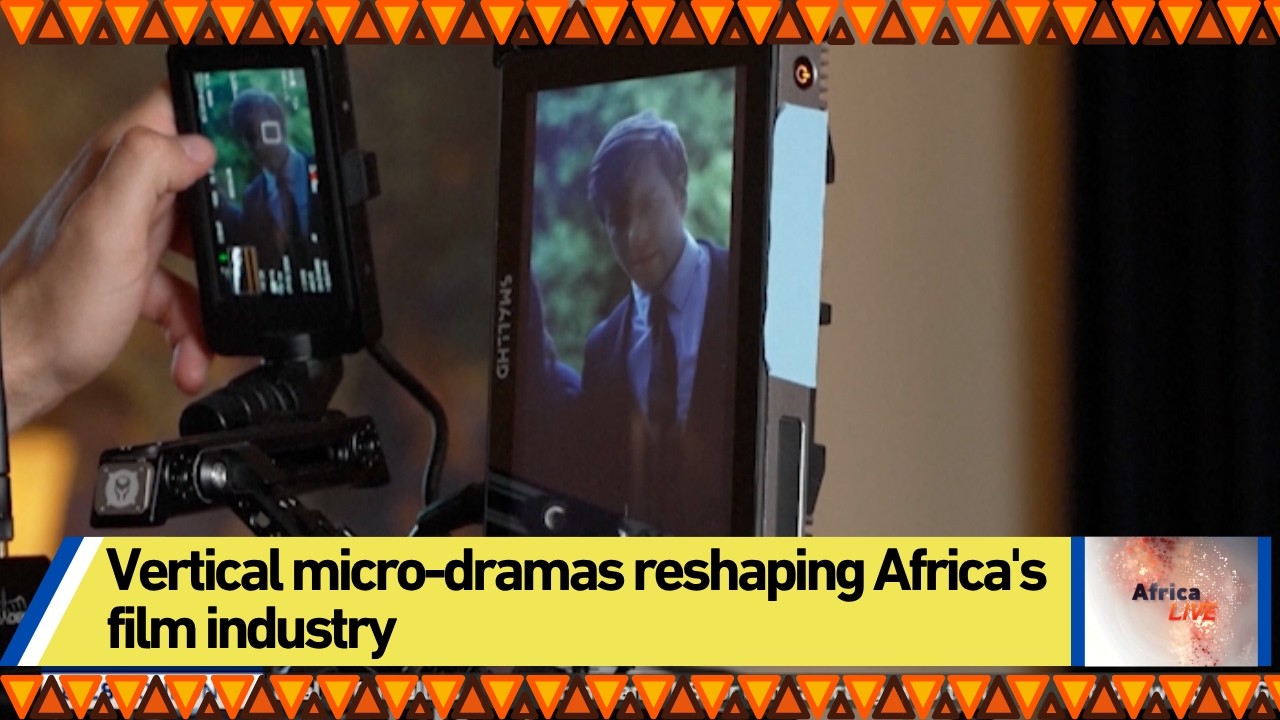
The African creator economy is turning short-form video into a new engine for global entertainment. From microdramas and mobile filmmaking to creator-led distribution and international licensing, African storytellers are building businesses from local ideas.
Across the continent, the African creator economy is moving beyond viral clips and brand deals. Creators now use short-form video to build characters, launch shows, sell products, attract sponsors, and license stories across borders.
Furthermore, mobile-first filmmaking has lowered the cost of production. A smartphone, low-cost editing tools, and a strong idea can now reach viewers in Lagos, Nairobi, Johannesburg, London, and New York. The biggest opportunity lies in turning attention into lasting intellectual property and scalable entertainment businesses.
Meanwhile, rising interest in microdramas, creator-led distribution, and international licensing is opening new paths for African storytellers. Explore more reporting on African technology, entertainment, and business at Topping Africa.
The African Creator Economy Enters Its Business Era
For years, many creators treated short-form video as a route to visibility. However, the strongest creators now treat each post as part of a wider media business.
They build repeatable formats, own characters, collect audience data, and create communities around clear themes. Consequently, a creator can earn from several sources instead of relying on one platform or one campaign.
These income streams may include brand partnerships, platform revenue, live events, merchandise, paid communities, licensing, affiliate sales, and commissioned production. In particular, creators with strong local voices can offer global brands a trusted connection to African audiences.
The opportunity also reaches beyond individual influencers. Writers, editors, producers, stylists, animators, camera operators, sound designers, managers, and rights lawyers all form part of the wider creator economy.
Why short-form video fits African audiences
Short-form video matches how many viewers access entertainment today. Mobile phones remain the main gateway to online content, while short clips use less data and fit busy daily routines.
Additionally, vertical video works well on affordable smartphones. Creators can film, edit, publish, and promote content without renting a large studio or waiting for a traditional broadcaster.
Short episodes also support fast feedback. A creator can test a story idea today, study audience reactions tomorrow, and improve the next episode within hours.
This speed gives African creators an advantage: they can respond to language, humour, music, fashion, and local events faster than many large media companies.
Microdramas Turn Mobile Video Into Serial Entertainment
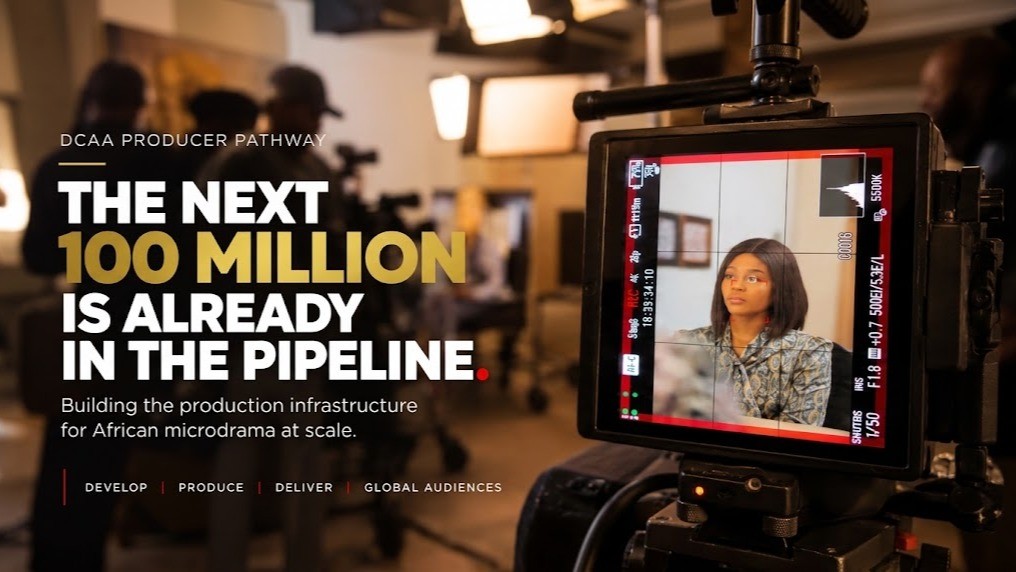
Microdramas are short, serialised stories designed for mobile viewing. Episodes often run for a few minutes, use vertical framing, and end with a strong reason to watch the next instalment.
According to recent industry coverage, the global microdrama market reached about $11 billion in 2025. Other estimates place the wider vertical drama opportunity even higher, showing strong investor interest in the format.[2][7]
Furthermore, African creators already understand the storytelling habits that microdramas require. Local skits, relationship series, family dramas, workplace stories, and creator-led soap operas often use quick conflict and memorable characters.
The next step involves building these ideas into structured franchises. Instead of posting unrelated clips, a creator can develop a season, create a story bible, and plan future versions for other markets.
What makes an African microdrama work?
- A clear hook: The first seconds should introduce a problem, surprise, desire, or emotional question.
- Strong characters: Viewers should quickly understand who wants what and what stands in their way.
- Short scenes: Each episode should move the story forward without unnecessary pauses.
- Local detail: Food, language, fashion, music, and setting should give the story a distinct African identity.
- A repeatable ending: A cliffhanger or new question can encourage viewers to return.
For instance, a Nairobi romance series could use Sheng, matatu culture, and modern dating pressure. A Lagos workplace comedy could explore startup life, family expectations, and the energy of a crowded city.
However, local detail should not limit global reach. Universal themes such as ambition, love, friendship, family, and social status can travel when creators explain the world clearly.
Mobile-First Filmmaking Lowers the Cost of Entry
Traditional film production often requires large crews, expensive equipment, and long approval cycles. Mobile-first filmmaking changes that model by placing a capable camera and editing suite in the creator’s hands.
Additionally, creators can shoot in real locations and use natural light. Cloud storage, mobile editing apps, artificial intelligence tools, and remote collaboration can reduce costs further.
Recent African microdrama initiatives show growing interest in professional training. The Digital Creator Africa Academy for Microdrama has announced plans to train hundreds of filmmakers, writers, videographers, and actors for vertical storytelling.[2][6]
That training matters because low-cost production still needs strong craft. A phone cannot replace a good script, clear sound, careful lighting, or disciplined production planning.
A practical production workflow
- Develop the concept: Define the audience, setting, characters, conflict, and business goal.
- Write the season: Plan the main arc before filming individual episodes.
- Create a shot list: Frame subjects for vertical screens and keep backgrounds uncluttered.
- Record clean sound: Use affordable microphones and monitor audio during filming.
- Edit for retention: Remove slow moments and place important information early.
- Publish in versions: Prepare subtitles, short trailers, still images, and language adaptations.
- Study performance: Track watch time, replays, comments, shares, and audience location.
Consequently, a small team can produce more consistently. Consistency helps creators build trust and gives sponsors or distributors a clearer product to support.
Read more about positive digital innovation through Topping Africa’s Technology section.
Creator-Led Distribution Gives African Stories More Control
Creators no longer need to wait for a television network to approve every idea. They can publish directly on platforms such as TikTok, YouTube Shorts, Instagram Reels, and regional video services.
Moreover, creator-led distribution creates a direct link with audiences. Comments, shares, direct messages, and community groups can show which characters or themes deserve further investment.
This model also supports testing. A creator might release a short pilot, measure interest, and then use the results to secure brand funding or platform support.
However, platform reach does not equal business security. Algorithms change, accounts can lose visibility, and revenue rules differ across countries. Therefore, creators should build an audience they can reach directly through email, messaging groups, websites, events, or membership platforms.
From followers to owned audiences
A follower count can attract attention, but an active community creates stronger long-term value. Creators should learn who watches, where viewers live, what languages they prefer, and which stories they share.
Furthermore, creators can invite viewers to vote on characters, submit story ideas, join live discussions, or attend screenings. These actions turn passive viewers into participants.
Brands also value this trust. A creator with a smaller but active community may deliver better results than a celebrity with a large audience and limited engagement.
Actionable tip: Build a simple audience dashboard each month. Record the top videos, average watch time, audience countries, repeat viewers, and the calls to action that produce results.
International Licensing Can Unlock the Next Revenue Stream
Short-form success becomes more valuable when creators own rights to characters, scripts, recordings, names, music, and visual assets. These rights can support licensing deals in new territories and formats.
International buyers may license a completed series, commission a local remake, purchase subtitles, or fund a new season. They may also seek rights for television, streaming, audio, publishing, games, merchandise, or live events.
Recent coverage of Africa’s vertical drama sector points to licensing as a likely path to scale. It also notes that African writers already earn fees for scripts commissioned by global microdrama platforms.[2][8]
Nevertheless, creators should not sign away valuable rights without advice. A contract should define the territory, duration, language, platform, payment, credit, sequel rights, remake rights, and ownership of new material.
Build an intellectual property checklist
- Register or document the original script, series title, artwork, and character designs.
- Use written agreements with writers, actors, editors, composers, and production partners.
- Confirm permission for locations, music, photographs, logos, and third-party footage.
- Separate platform distribution rights from ownership of the underlying story.
- Track every version, language edit, subtitle file, and promotional asset.
- Work with an entertainment lawyer before signing major international deals.
In addition, creators should keep clean production records. A professional rights folder can make a project easier for distributors, investors, and brands to assess.
Explore Topping Africa’s Culture and Lifestyle coverage for more stories about African creativity and identity.
Funding Models for the Next Generation of African Creators
Funding remains one of the biggest gaps in the African creator economy. Many creators can produce a pilot but struggle to finance a full season, hire skilled staff, or market the finished work.
However, several funding paths can support growth. Creators can combine brand sponsorship, grants, fan payments, revenue sharing, production advances, and strategic investment.
Brand-funded entertainment is especially useful when the product fits the story. A mobile network can support a campus series, while a fashion brand can sponsor a style-led drama without forcing awkward product placement.
Furthermore, African technology startups can provide tools for payments, audience measurement, captioning, creator management, and cross-border distribution. These partnerships can strengthen the entire production chain.
Funding choices creators should consider
- Brand sponsorship: Useful for pilots and seasons with a clear audience fit.
- Platform commissions: Can provide production money, but contracts require careful rights review.
- Grants and cultural funds: Helpful for bold stories that may not attract immediate commercial support.
- Crowdfunding: Tests audience demand and creates early community ownership.
- Revenue sharing: Aligns producers, platforms, and talent around long-term performance.
- Co-productions: Combine skills, money, and distribution across African markets.
Before accepting funding, prepare a clear budget and delivery plan. Include production costs, post-production, marketing, legal support, translations, music rights, and platform fees.
Importantly, creators should measure the value of time. A viral post may create visibility, but a repeatable series can create an asset that earns for years.
Technology Is Expanding the African Short-Form Market
Technology now shapes every stage of the creator business. Affordable smartphones support production, while mobile payments make it easier for audiences to buy content and products.
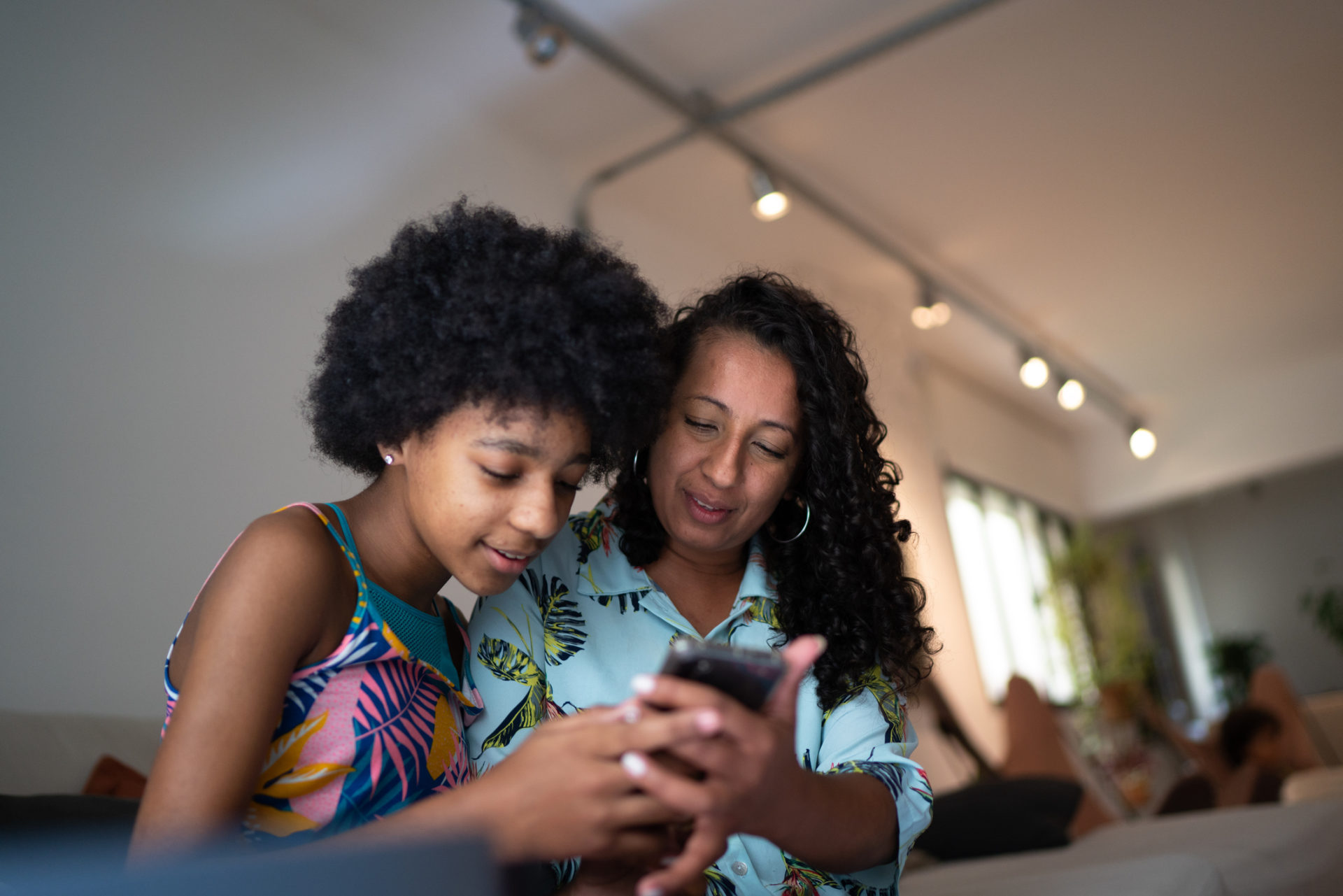
Across sub-Saharan Africa, mobile money provides a practical route for digital transactions. That matters because many viewers may not use international cards or bank accounts for subscriptions.
Additionally, artificial intelligence can assist with translation, subtitles, story outlines, editing, and production planning. Yet creators should use these tools with care and keep human judgment at the centre.
Authentic voices remain the key advantage. Technology can speed up a workflow, but it cannot replace cultural insight, performance, or a strong relationship with viewers.
For more reporting on African startups, platforms, and digital tools, visit Topping Africa’s Business and Economy section.
Audience Growth Starts With Local Strength
Global ambition should begin with a strong local audience. Creators who understand their community can build stories that feel specific, honest, and emotionally useful.
Meanwhile, subtitles and dubbing can help a successful series move across language groups. Creators can test English, French, Arabic, Swahili, Hausa, Yoruba, Amharic, isiZulu, and other language versions based on audience data.
Short-form creators should also plan discovery beyond one platform. Search-friendly titles, strong thumbnails, consistent character names, and clear episode numbers make series easier to find.
Furthermore, collaborations can introduce a creator to new audiences. A musician, actor, fashion creator, comedian, or athlete can bring fresh energy to a short-form franchise.
A simple growth plan
- Publish a regular schedule that viewers can remember.
- Use the first episode to explain the series promise.
- Cut trailers from the strongest emotional moments.
- Translate captions for priority African and international markets.
- Partner with creators whose audiences match the story.
- Invite viewers to share theories, questions, and character reactions.
- Review performance every week and improve the next release.
As a result, creators can build a marketing system instead of chasing one viral moment. The goal is not only reach, but repeat viewing and deeper loyalty.
What African Creators Should Do Next
The market is moving quickly, but creators do not need a large studio to begin. Start with one strong idea, a small skilled team, and a clear plan for ownership.
First, choose a format that can run for several episodes. Next, create a pilot and test it with a defined audience. Then, document performance and use the evidence to approach brands, platforms, investors, or distributors.
Additionally, invest in contracts and rights from the beginning. Strong legal foundations can protect the value created by writers, performers, producers, and directors.
Finally, treat your audience as a community. Ask for feedback, reward loyal viewers, and give them reasons to return between episodes.
Explore More on Topping Africa
- Entertainment — Discover African film, music, celebrity, and creator trends.
- Technology — Explore startups and tools shaping digital media across Africa.
- Business and Economy — Read more about funding, brands, markets, and creative enterprise.
Share your thoughts: Which African creator or short-form series deserves a global audience? Leave a comment below and subscribe for more stories on African innovation and culture.
Conclusion
The African creator economy is becoming a serious entertainment engine. Short-form video gives creators a low-cost way to develop stories, test audiences, and reach viewers worldwide.
However, lasting success requires more than views. Creators need strong intellectual property, fair contracts, reliable funding, smart technology, and direct audience relationships.
Ultimately, Africa’s next global entertainment businesses may begin with a phone, a small team, and a story built for the screen in every viewer’s hand.

Staff
Contributing writer at Topping Africa.
0 Comments
No comments yet. Be the first to share your thoughts!